Are All Hot Water Heaters in Campers Propane?
Are you wondering if all hot water heaters in campers run on propane? It’s a common question, especially if you’re planning a camping trip or thinking about upgrading your camper’s amenities.
Knowing the answer can save you time, money, and frustration. You’ll discover the truth about camper hot water heaters, the different fuel options available, and which one might be the best fit for your needs. Keep reading to make sure your next adventure is warm and comfortable—no matter where the road takes you.
Types Of Camper Water Heaters
Campers use different types of water heaters to provide hot water. These heaters vary by how they work and the fuel they use. Understanding these types helps you choose the right one for your camper.
Each type has pros and cons. Some heat water fast, while others save energy. Let’s explore the main types of camper water heaters.
Propane Water Heaters
Propane water heaters are common in campers. They use propane gas to heat water quickly. These heaters work even when off the electric grid. They are good for camping in remote places.
Propane models are reliable and powerful. They can heat water fast but require a propane supply. Users must handle propane tanks safely.
Electric Water Heaters
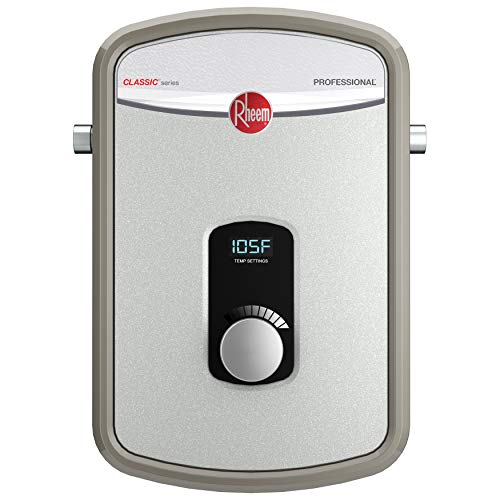
Electric water heaters use electricity to heat water. They connect to the camper’s electrical system or shore power. These heaters do not need gas, making them cleaner.
Electric models are easy to operate and quiet. They are best for campsites with electrical hookups. Heating may take longer than propane heaters.
Combination Models
Combination models use both propane and electricity. They switch between power sources for flexibility. This option offers hot water anytime, anywhere.
Combination heaters are good for campers who travel often. They work on propane during travel and electricity at campgrounds. This balance saves fuel and energy.

How Propane Water Heaters Work
Propane water heaters are common in campers. They provide hot water without needing electric power. These heaters use propane gas as fuel. This makes them ideal for camping and traveling. Understanding how they work helps you maintain and use them safely. Let’s explore the main parts and functions.
Fuel Source And Efficiency
Propane water heaters use propane gas stored in tanks. The gas burns to create heat. Propane is efficient and burns cleanly. It heats water faster than electric heaters. This saves energy and propane gas. The compact tanks fit well in campers. This allows you to have hot water anywhere.
Heating Mechanism
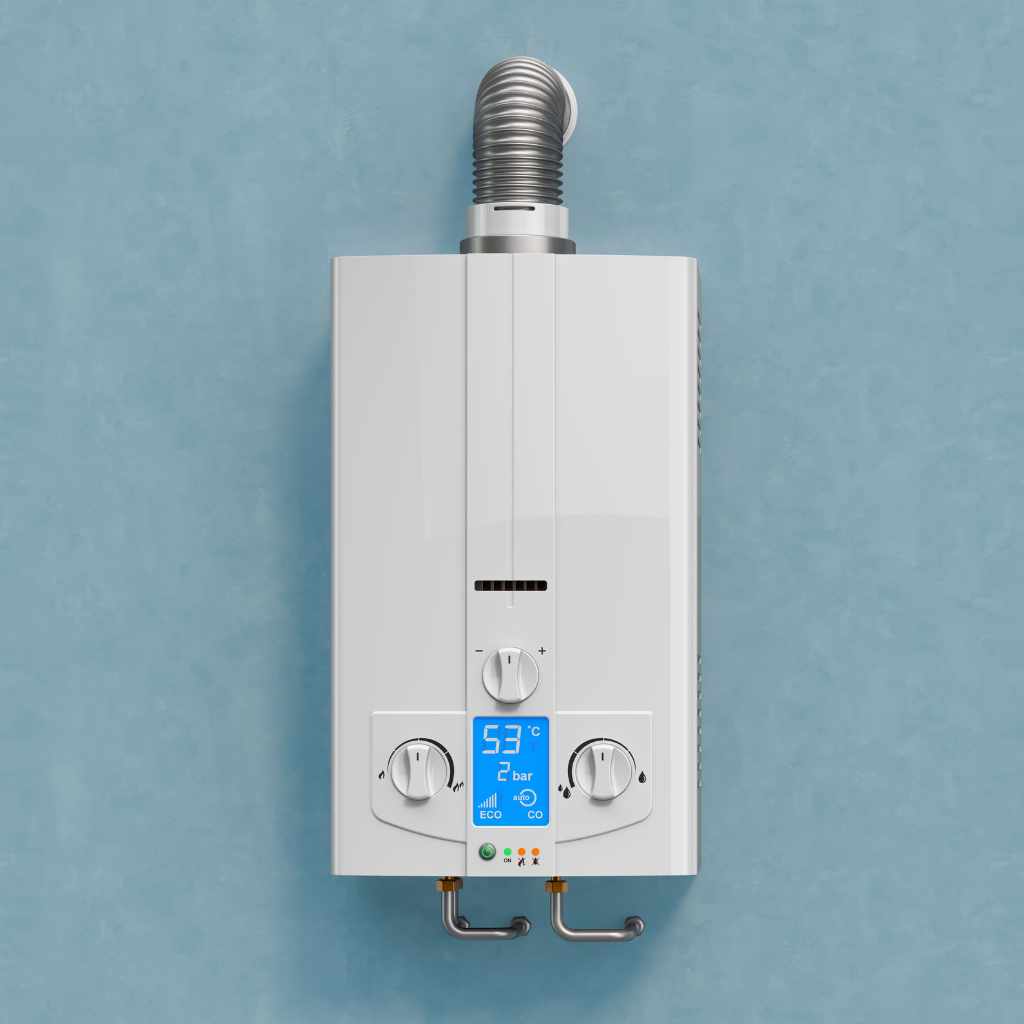
The propane burner ignites under the water tank. The flame heats the water inside the tank. Heat transfers through the tank walls. This warms the water quickly and evenly. A thermostat controls the water temperature. It keeps the water from getting too hot. Some models have instant heat systems. They heat water only when you need it.
Safety Features
Propane water heaters include safety controls. They have sensors that detect flame presence. If the flame goes out, the gas supply stops. This prevents gas leaks and accidents. Many heaters have pressure relief valves. These valves release excess pressure safely. Proper ventilation is required to avoid gas buildup. Regular checks ensure the heater stays safe and efficient.
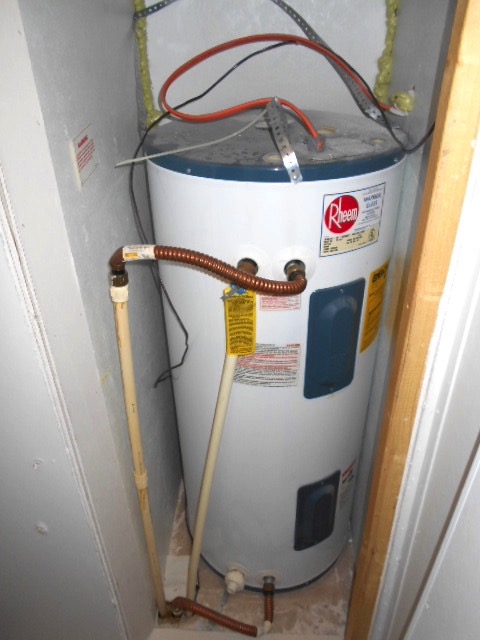
Electric Water Heaters In Campers
Electric water heaters in campers offer a practical alternative to propane models. They use electricity to heat water quickly and safely. Many campers use electric water heaters, especially in places with easy access to electric power. These heaters can be compact and fit well in small camper spaces.
Power Requirements
Electric water heaters need a steady power supply. Most require a 120-volt connection, common in campgrounds. Some models may need 240 volts for faster heating. Using electricity means campers must connect to external power or have a strong battery system. Power usage depends on the heater’s size and capacity.
Advantages And Limitations
Electric heaters are clean and do not produce fumes. They are easy to install and maintain. They heat water evenly and quickly. Limitations include dependence on electric sources. Without power, the heater cannot work. They may use more energy than propane heaters. The water may take longer to heat in cold weather.
Common Usage Scenarios
Electric water heaters suit campers staying in RV parks. They work best where electric hookups are available. They are popular for short trips and weekend camping. Campers with solar panels can also benefit. People avoiding propane for safety choose electric models. They fit well in small campers with limited space.
Choosing The Right Water Heater
Choosing the right water heater for your camper is important. It affects comfort, convenience, and safety. Not all camper water heaters use propane. Some use electric power or a mix of both. Knowing the options helps you pick the best one for your needs.
Consider where you camp, how many people use the water, and your budget. These factors guide your choice and make camping more enjoyable.
Energy Source Availability
Check what energy sources are easy to get. Propane is common in campers but not always accessible everywhere. Electric water heaters need shore power or a strong battery. Some models can switch between propane and electricity. Think about your usual camping spots and energy options.
Size And Capacity Considerations
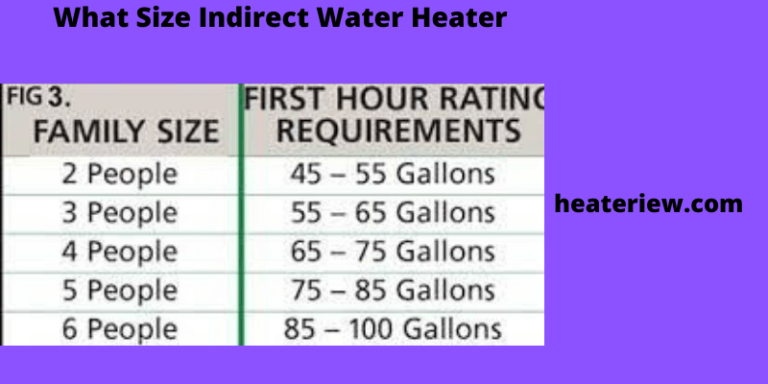
Pick a water heater size that fits your camper and needs. Small tanks heat water quickly but hold less. Larger tanks store more hot water but take more space. Consider how many people will use hot water at the same time. Balance size with available space and water use.
Installation And Maintenance
Check how easy the water heater is to install and maintain. Some units come ready to install, others need professional help. Regular maintenance keeps the heater working well and safe. Look for models with simple cleaning and easy parts replacement. A well-maintained heater lasts longer and works better.
Pros And Cons Of Propane Vs Electric
Choosing between propane and electric hot water heaters for campers involves weighing several factors. Both options have clear benefits and drawbacks that affect your camping experience. Understanding these differences helps you pick the right system for your needs.
Cost Implications
Propane water heaters usually cost less to run than electric ones. Propane fuel is often cheaper and heats water faster. Electric heaters might need more power, which can drain your camper’s battery quickly. Installing electric heaters can be simpler, but propane systems may require extra safety checks. Maintenance for propane heaters can be higher due to gas connections and parts.
Environmental Impact
Electric heaters produce no direct emissions during use. They can be cleaner if your electricity comes from renewable sources. Propane burns fossil fuel and releases carbon dioxide. This creates a bigger carbon footprint overall. Still, propane is more efficient for heating water quickly. The choice depends on your energy source and how green you want your camper to be.
Performance And Reliability
Propane heaters work well in cold weather and heat water fast. They can run without electricity, useful when camping off-grid. Electric heaters depend on battery or shore power, limiting use in remote spots. Electric systems have fewer parts that can break. Propane systems need regular checks for leaks and proper ventilation. Both types can be reliable with proper care and setup.
Safety Tips For Camper Water Heaters
Safety is key when using water heaters in campers. These devices can use propane or electricity, but all require careful handling. Keeping your camper water heater safe protects you and your family from accidents and harm.
Proper Ventilation
Ventilation stops dangerous gases from building up. Always keep vents open and clear of blockages. Fresh air helps propane heaters work safely and well. Check vents before every trip to avoid gas leaks.
Regular Inspections
Inspect your water heater regularly for signs of damage. Look for rust, cracks, or loose connections. Test the pilot light and thermostat often. Fix small problems early to prevent big dangers later.
Emergency Procedures
Know what to do if you smell gas or see a leak. Turn off the propane supply immediately. Open windows and doors to air out the camper. Keep a fire extinguisher nearby and call for help if needed.
Frequently Asked Questions
Are All Camper Hot Water Heaters Propane-powered?
No, not all camper hot water heaters use propane. Some models run on electricity or a combination of propane and electric power. The choice depends on the camper’s design and available energy sources, offering flexibility for different camping needs.
Can I Use Electric Hot Water Heaters In Campers?
Yes, many campers use electric hot water heaters, especially those with shore power access. Electric heaters provide convenience but may require a strong electrical system, making them ideal for campgrounds or RV parks with reliable electricity.
What Are The Benefits Of Propane Hot Water Heaters?
Propane hot water heaters heat water quickly and efficiently without needing electrical hookups. They are ideal for off-grid camping, providing hot water anytime. Propane models are popular due to portability and the ability to operate in remote areas.
How Do Dual-fuel Hot Water Heaters Work In Campers?
Dual-fuel heaters switch between propane and electric power based on availability. This flexibility ensures hot water access whether connected to shore power or relying on propane tanks. They provide convenience and energy efficiency for varied camping situations.
Conclusion
Not all camper hot water heaters use propane fuel. Some run on electricity or a mix of power sources. Choosing the right type depends on your camper and travel needs. Propane models offer quick heating and work well off-grid. Electric heaters suit campsites with power hookups.
Knowing the options helps you stay comfortable on the road. Always check your camper’s specifications before buying or using a heater. Stay warm and enjoy your adventures safely.