
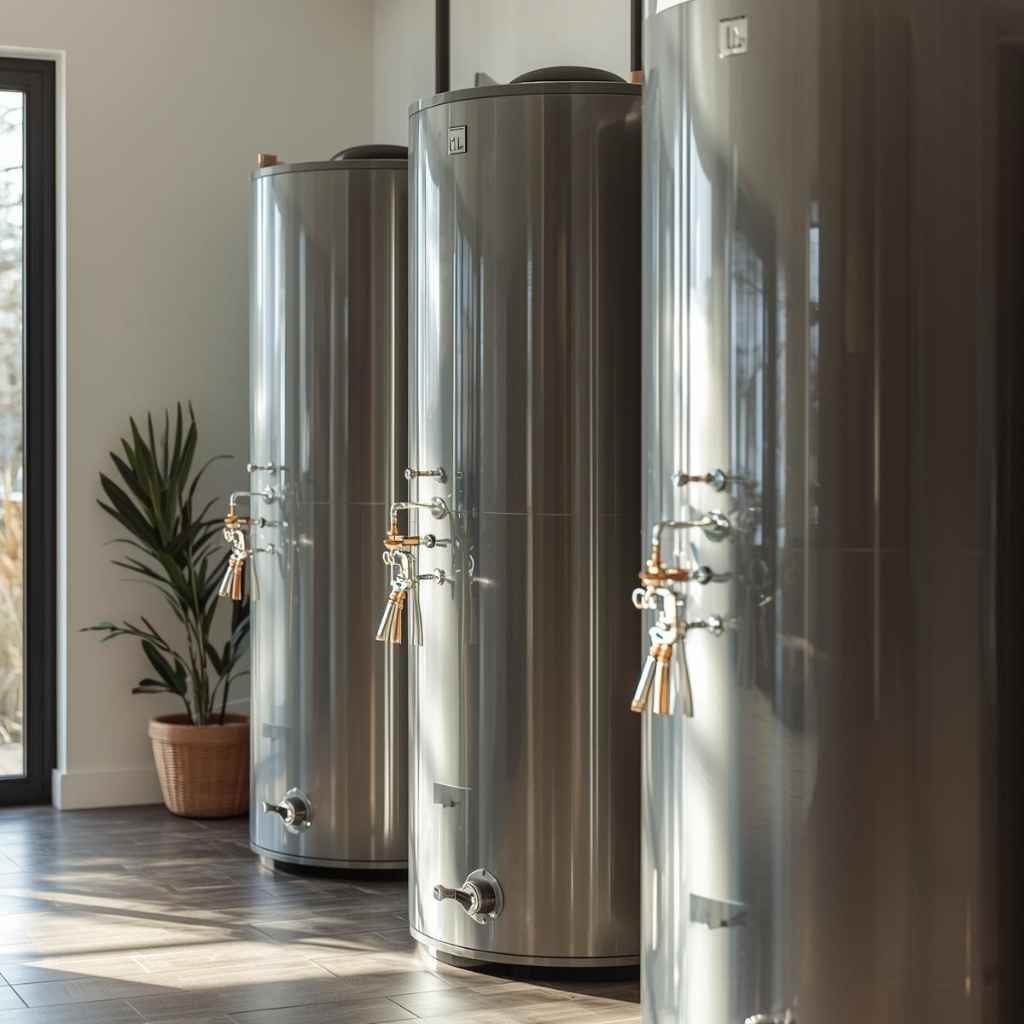
It’s easy to overlook your water heater. It just sits there, doing its job. Then one day, it stops.
Water might be cold. Or worse, there’s a leak. You start to wonder, “What’s going on inside that tank?” A common question pops up: Are all water heaters glass lined?
It’s a good question, and the answer matters for how long your heater lasts.
Not all water heaters are glass lined. While glass lining is a common and effective method for protecting the inside of a water heater tank, other materials and technologies are also used. The type of lining depends on the water heater’s design, intended use, and manufacturer.
What Does Glass Lined Mean for a Water Heater?
Think of the glass lining as a special coating inside your water heater’s tank. It’s not like the glass in a window, though. This is a special kind of porcelain enamel.
It’s fused to the metal of the tank at very high temperatures. This creates a smooth, seamless barrier. This barrier is super important.
It stops the hot water and minerals in your water from touching the steel tank directly.
Why is this protection so vital? Steel tanks, by themselves, can rust. Especially when they are constantly filled with water.
Water can have minerals in it. These minerals can speed up rust. They can also cause corrosion.
The glass lining acts like a shield. It keeps the steel safe from all of that. This helps prevent leaks and makes the tank last much longer.
It’s a bit like painting the inside of a metal box to keep it from rusting. But this paint is baked on. It’s made to withstand heat and pressure.
It’s a tough coating. This means the water you use for showers and washing is less likely to pick up rust particles. It helps keep your water clear and clean.
The process itself is quite involved. First, the steel tank is made. Then, a special powder is sprayed onto the inside surface.
This powder contains glass-forming materials. It’s applied evenly. After the powder is on, the tank is heated up in a huge oven.
The heat melts the powder. It flows together to make that smooth glass coating. This fused coating is what protects the tank.
The Science Behind Tank Protection
Water heaters work hard. They heat water constantly. This can be tough on the metal tank.
Over time, even the best tanks can wear down. The glass lining is designed to fight this wear. It’s a chemical reaction that happens when the glass fuses to the steel.
This fusion creates a strong bond.
The glass lining is very smooth. This makes it hard for mineral deposits to stick. These deposits are sometimes called scale.
Scale can build up over time. It can make your water heater less efficient. It can also clog pipes.
A smooth glass surface makes it easier to clean. It also helps prevent some of these deposits from forming in the first place.
However, it’s not perfect. Sometimes tiny cracks can form in the glass. This can happen if the tank is damaged.
Or if there are extreme temperature changes. These small cracks are weak spots. They can let water reach the steel.
This is where rust can start. That’s why checking on your water heater from time to time is a good idea.
Manufacturers use different types of glass enamels. Some are better than others. They are formulated to resist different water conditions.
Some water has more minerals. Some water is more acidic. The glass lining needs to stand up to these challenges.
The quality of the glass lining can really affect how long the water heater will last.
Another component that helps is the anode rod. This rod is usually made of magnesium or aluminum. It’s placed inside the tank.
It acts like a sacrificial lamb. It corrodes instead of the tank. The glass lining protects most of the tank.
But the anode rod protects any small spots that might be missed or get damaged. It’s a team effort to keep the tank in good shape.
Not All Tanks Are Created Equal: Other Lining Types
So, if not all are glass lined, what else is out there? Manufacturers use different ways to protect their tanks. Each has its own good and bad points.
This gives consumers more choices. It also means you need to know what you’re buying.
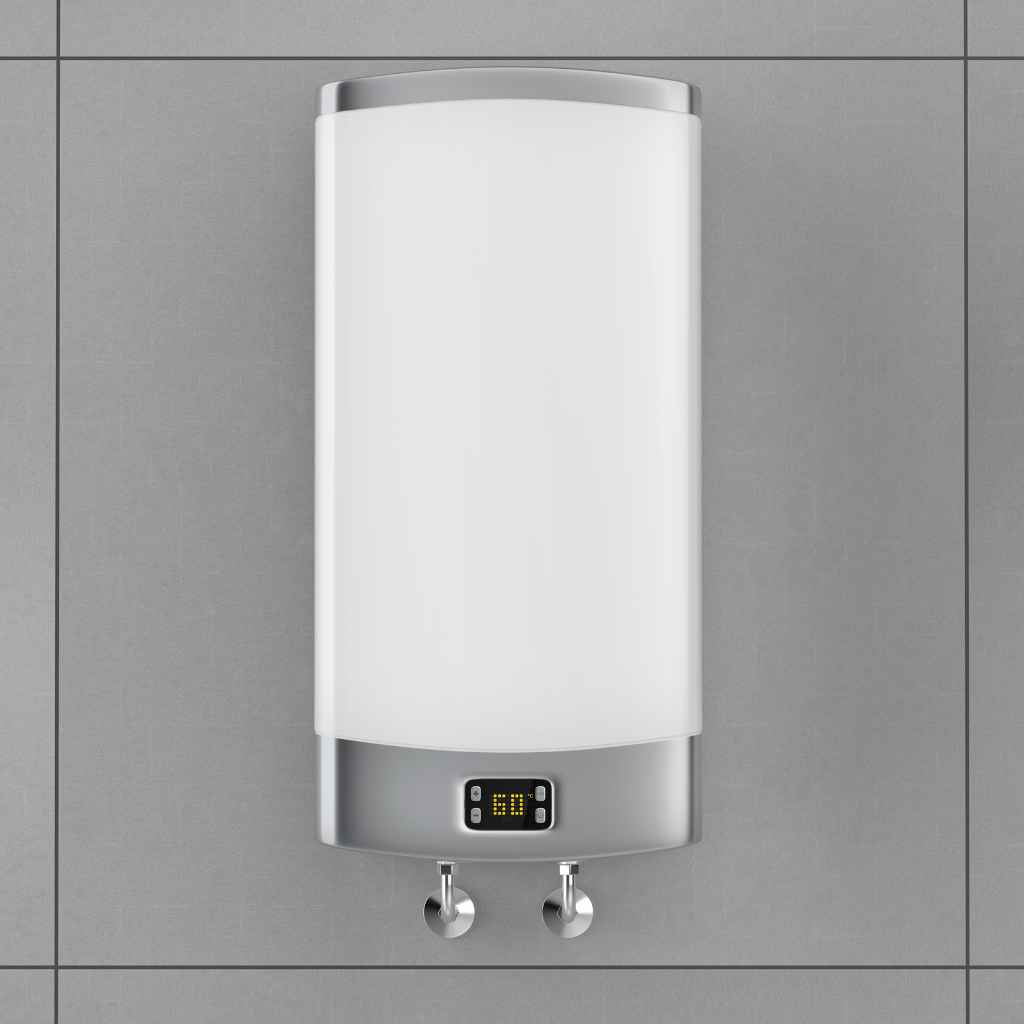
One common alternative is a stainless steel tank. Stainless steel is naturally resistant to rust and corrosion. It doesn’t need a separate coating like glass.
This can be a big advantage. It’s a very durable material. Tanks made of stainless steel tend to be lighter than glass-lined steel tanks.
They can also be more resistant to temperature shocks.
However, stainless steel tanks can be more expensive. The initial cost is higher. Also, while resistant, it’s not completely immune to corrosion.
In very harsh water conditions, it can still degrade over long periods. But for most homes, it’s a very reliable option. It often comes with longer warranties.
Another method is using plastic or polymer tanks. These are becoming more popular. Especially in tankless water heaters.
They don’t rust at all. Plastic is lightweight. It’s also very affordable to produce.
These tanks are good for certain types of water. They are not affected by mineral buildup in the same way metal tanks are.
The main concern with plastic tanks is their temperature limits. They might not be able to handle extremely high temperatures as well as metal tanks. Also, some people worry about the long-term durability of plastic under constant stress.
However, technology is improving. Modern plastic tanks are quite robust for their intended uses. They are often found in smaller units or specific systems.
Some manufacturers also use special coatings or treatments on steel tanks. These are not full glass linings. They might be a different type of enamel or a protective film.
The goal is still the same: to stop rust and corrosion. These methods vary in effectiveness and cost. They are often used in budget-friendly models.
So, when you look at a new water heater, check the specs. It will tell you what the tank is made of and how it’s protected. This detail is key to understanding its lifespan and how well it will perform in your home.
Tank Lining Comparison Chart
Glass Lined (Porcelain Enamel)
Pros: Excellent corrosion resistance, smooth surface helps reduce scale.
Cons: Can chip or crack, heavier, higher manufacturing cost.
Stainless Steel
Pros: Naturally corrosion resistant, lighter, often longer warranty.
Cons: Higher initial cost, can still corrode in very harsh water.
Plastic/Polymer
Pros: Lightweight, no rust, good for specific water types.
Cons: Lower temperature limits, potential long-term durability concerns.
Why Your Water Quality Matters
The water that comes into your home is not the same everywhere. It can have different minerals. It can be more acidic or alkaline.
This water quality has a big impact on your water heater. It can affect how well the lining works. It can also affect how long the tank lasts.
If you have hard water, that means lots of dissolved minerals. Calcium and magnesium are common. These minerals can build up inside the tank.
This is called scale. Scale can stick to the lining. It can form a thick layer.
This layer traps heat. It makes the water heater work harder. It uses more energy.
This adds to your electric bill.
Scale can also be a problem for the lining itself. If scale builds up too much, it can put stress on the glass. This stress can lead to tiny cracks.
Once water gets to the steel, rust can begin. So, having hard water means you might need to be more careful. You might need to flush your tank more often.
Acidic water is another issue. If your water has a low pH, it can be corrosive. It can eat away at metal.
It can also damage protective coatings. Even a glass lining can be affected by very acidic water over time. Manufacturers try to make linings that resist this.
But extreme conditions can still cause problems.
You can get your water tested. Local labs can check its hardness and pH. Knowing your water quality helps you choose the right water heater.
It also helps you understand how to care for it. A good water testing kit is also an option for home use.
If you have particularly challenging water, you might even consider a water softener. A water softener removes some of the minerals. This can significantly extend the life of your water heater.
It’s an added cost. But it can save you money in the long run. It protects your plumbing too.
Think about what your water heater goes through daily. It heats and stores water. This water constantly flows through it.
The minerals and chemicals in that water are always interacting with the tank. The lining is the first line of defense. Its strength and quality are key to longevity.
Quick Water Quality Checks
- Hard Water Signs: White residue on faucets, soap scum, spots on dishes.
- Acidic Water Signs: Metallic taste, blue-green stains on sinks, corrosion on plumbing.
- Testing Options: Home test kits, local water utility reports, private lab analysis.
- Impact on Heaters: Increased scale buildup, potential lining damage, reduced efficiency.
The Role of the Anode Rod
We touched on the anode rod earlier. It’s a small but mighty part. It’s crucial for protecting the tank, especially glass-lined ones.
Even with a great glass lining, there might be microscopic imperfections. Or maybe a small chip happens. The anode rod is there to sacrifice itself instead of the tank’s metal.
How does it work? It’s based on electrochemistry. Metals have different tendencies to corrode.
When two different metals are in an electrolyte (like water), the more active one will corrode first. The anode rod is made of a more active metal than the steel tank. Magnesium and aluminum are common choices.
So, when water comes into contact with both the anode rod and the tank steel, the anode rod starts to corrode. It slowly dissolves. This process draws the corrosive elements away from the tank.
It protects the steel. It’s like a bodyguard for your water heater tank.
This means the anode rod needs to be checked. And it needs to be replaced. Over time, it will be used up.
Once it’s gone, the tank’s steel is exposed. Then rust and corrosion can start. Most manufacturers recommend checking the anode rod every 1–3 years.
Replacement is needed when it’s mostly gone.
A common mistake people make is forgetting about the anode rod. They think once the tank is protected, it’s protected forever. But maintenance is key.
A simple check can save you from a costly water heater replacement. It’s a part of the regular maintenance of a water heater.
Different types of anode rods exist. Some are standard. Some are “powered” anode rods.
These use a small electrical current. They are often more effective and last longer. They are more expensive upfront.
But they can be worth it in the long run. Especially if you have tough water conditions.
If you’re unsure about checking or replacing your anode rod, call a plumber. It’s not a super complex job. But it does require draining some water from the tank.
And using the right tools. Getting it done right ensures your tank stays protected.
Anode Rod: Your Tank’s Best Friend
What it is:
A metal rod (magnesium, aluminum) inside the tank.
Its Job:
Sacrifices itself to corrosion, protecting the tank lining.
Maintenance:
Check every 1-3 years; replace when mostly consumed.
My Own Water Heater Scare
I remember one cold Tuesday morning. I woke up, ready for a hot shower. I turned the knob.
And got… lukewarm water. Not ideal. A quick check confirmed it.
The water heater was failing. I felt that sinking feeling in my stomach. I knew I was in for a repair bill.
I called a local plumber. He came out later that day. He took a look inside my old water heater.
It was a glass-lined tank. He showed me what was left of the anode rod. It was practically gone.
He explained how the corrosion had finally found a weak spot in the lining. A tiny pinhole had started to grow.
He said, “See this rust here? It’s a sign. The tank is old, and the protection gave out.” He pointed to some rough spots inside.
They looked like tiny craters. That’s where the water had been eating away at the steel. It was a bit disheartening to see.
All those years of heat and water, taking their toll.
He helped me choose a new one. This time, I went with a different brand and a better warranty. He emphasized the importance of regular anode rod checks.
“It’s the cheapest insurance you can buy for your tank,” he told me. That advice stuck with me. I learned my lesson the hard way.
Since then, I’ve been much more diligent. I set reminders for myself. Every year, I check the anode rod.
Or I have my trusted plumber do it. It’s a small task. But it keeps my new water heater running smoothly.
It gives me peace of mind. Knowing I’m doing my best to prevent another cold shower surprise.
That experience really drove home how important the inner workings of the water heater are. It’s not just a big metal tank. It’s a complex system.
And its protection relies on many parts working together. The lining is a major player. But supporting elements like the anode rod are just as critical.
Signs Your Water Heater Lining Might Be Failing
Your water heater might give you clues that its lining is in trouble. You don’t have to wait for a cold shower or a leak to know. Paying attention to your water can tell you a lot.
And listening to your heater can also help.
One of the most common signs is discolored water. If your hot water suddenly looks rusty, brown, or reddish, it’s a red flag. This usually means rust particles are getting into the water.
That’s a strong indicator that the tank’s protective lining has failed. And the steel is starting to rust.
You might also notice strange noises. Sometimes, small bits of rust or scale can break off. They can tumble around inside the tank.
This can cause popping, rumbling, or banging sounds. These sounds are often heard when the water is heating up. It’s the water bubbling under deposits or debris.
Another sign is leaks. If you see water around the base of your water heater, it’s serious. It could be a leak from a pipe connection.
But it could also be water coming from the tank itself. Leaks from the tank often mean the metal has corroded. The lining has failed.
This is usually a sign that the unit needs to be replaced.
Your water pressure might also be affected. If you notice a drop in hot water pressure specifically, it could be due to scale buildup. Scale can clog the outlets inside the tank.
Or it can restrict water flow. While this isn’t always a lining failure, it can be a symptom of an aging tank.
Finally, if your hot water isn’t as hot as it used to be, and you’ve checked the thermostat, it could be an issue. Significant scale buildup can insulate the heating element. Or it can reduce the amount of water that can be heated efficiently.
This is often linked to a failing lining or general tank decay.
If you notice any of these signs, it’s wise to call a professional. They can inspect your water heater. They can determine the cause of the problem.
And they can advise you on the best course of action. Catching these issues early can sometimes prevent more serious damage.
Warning Signs Your Water Heater Needs Attention
Discolored Water
Rusty or brown hot water indicates tank corrosion.
Strange Noises
Popping, banging, or rumbling can mean scale or rust.
Leaks
Water around the base often signals a tank failure.
Low Hot Water Pressure
Can be due to scale buildup inside the tank.
How Long Do Water Heaters Typically Last?
The lifespan of a water heater is something many homeowners wonder about. You want it to last. Nobody enjoys buying a new one.
The materials used inside the tank play a big part in this. A glass-lined tank is designed to last for a good while.
Generally, a standard tank water heater lasts between 8 to 12 years. This is an average. Some might fail sooner.
Others can keep going for even longer. Several factors influence this. Water quality is a major one, as we’ve discussed.
The type of lining is also key. A well-maintained glass-lined tank can often reach the higher end of that range. Or even exceed it.
Stainless steel tanks sometimes offer warranties for 10 to 15 years or more. Plastic tank heaters, especially tankless models, can also have long lifespans. But they are often rated differently.
How the water heater is used matters too. If you have a large family and use a lot of hot water, the heater works harder. It heats water more often.
This puts more stress on the system. Smaller households might see their heaters last longer.
Regular maintenance is non-negotiable. Flushing the tank yearly helps remove sediment. Checking and replacing the anode rod prevents corrosion.
These simple steps can add years to your water heater’s life. They help the lining do its job effectively.
Think of it like a car. If you drive it hard, don’t change the oil, and ignore strange noises, it won’t last as long. A water heater is similar.
With proper care, its lifespan can be maximized. And you delay that inevitable replacement. Knowing what’s inside the tank helps you understand its needs.
When you’re looking at new models, pay attention to the warranty. A longer warranty often suggests the manufacturer has confidence in the tank’s durability. It can be a good indicator of the quality of the lining and construction.
A 6-year warranty is standard. Some offer 10 or even 12 years on the tank itself.
When It’s Time for a New Water Heater
So, when do you know for sure it’s time to replace your water heater? It’s usually a combination of factors. If your current heater is approaching or past its average lifespan, start thinking about it.
Even if it’s working okay, a failure can happen suddenly.
We talked about the warning signs: rusty water, leaks, strange noises. If you see major rust or significant leaks from the tank itself, replacement is usually the only option. Repairs for tank failures are often not feasible or cost-effective.
It’s usually better to invest in a new unit.
Consider the efficiency. Older water heaters are less energy efficient than newer models. A new, high-efficiency water heater can save you money on your energy bills.
The upfront cost of a new heater can be offset by these savings over time. Look for Energy Star certified models.
The cost of repairs is another factor. If your water heater needs a significant repair, like a new heating element or a replacement part that’s hard to find, it might be time to consider replacement. Especially if the tank itself is old.
Think about your hot water needs. Has your family grown? Do you need more hot water than your current heater can provide?
If so, a larger or more efficient model might be a good investment. Tankless water heaters are also an option for continuous hot water. But they are a different system.
Don’t wait until your water heater completely breaks down. Especially in colder months, being without hot water can be a real hardship. Plan ahead.
If your heater is old, start researching new models. Get quotes from installers. This way, you can make a calm decision.
Not a rushed, emergency one.
Conclusion
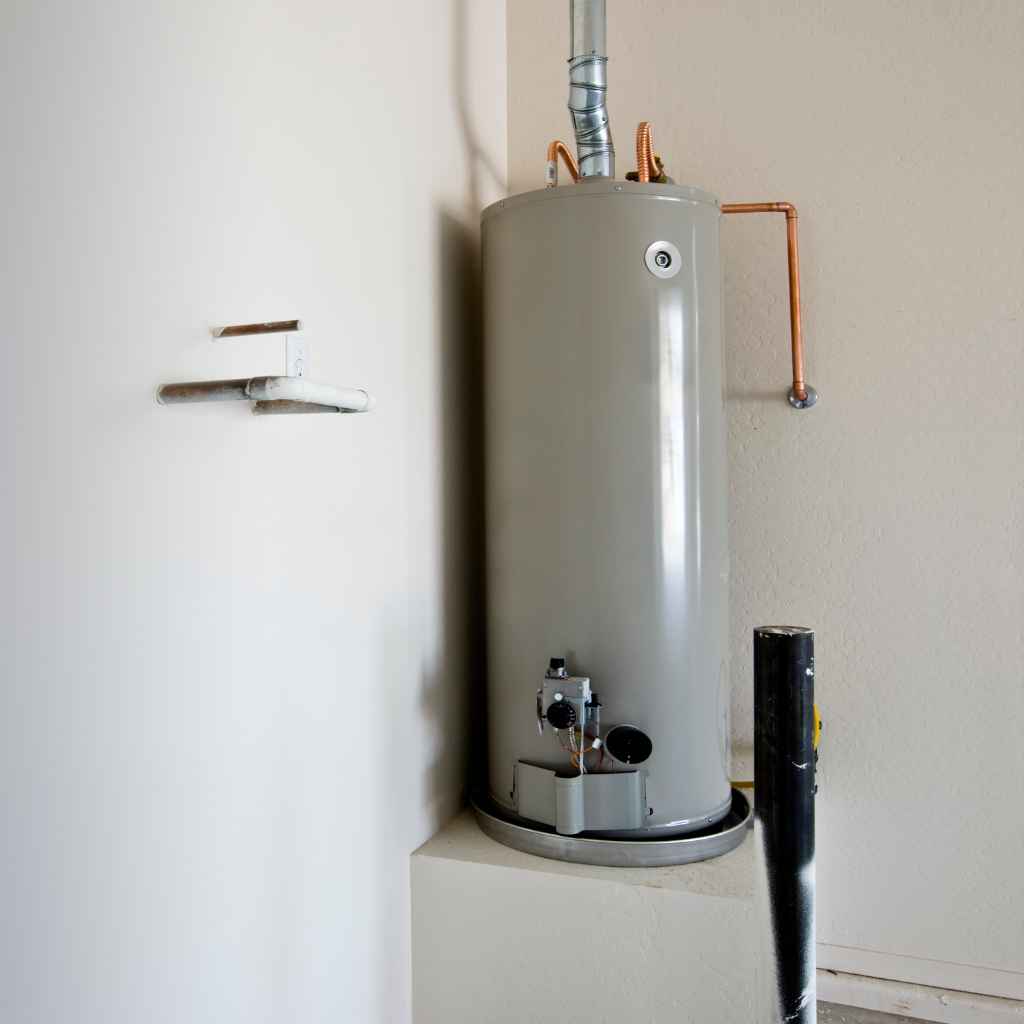
To wrap things up, not all water heaters are glass lined. This protective coating is common for steel tanks. But other materials like stainless steel and plastic are also used.
The type of lining significantly impacts a water heater’s durability and lifespan. Understanding your water quality and performing regular maintenance, like checking the anode rod, are crucial. These steps help ensure your water heater, whatever its lining, serves you well for years to come.
Frequently Asked Questions About Water Heater Linings
What is the primary purpose of the glass lining in a water heater?
The main goal of a glass lining, also called porcelain enamel, is to create a barrier. This barrier protects the steel tank from rust and corrosion caused by hot water and dissolved minerals. It helps prevent leaks and extends the tank’s life.
Can a glass-lined water heater tank rust?
Yes, a glass-lined tank can rust if the lining is damaged. Tiny cracks, chips, or wear can expose the steel to water. Once exposed, the steel can begin to rust, potentially leading to leaks and tank failure.
How often should the anode rod be checked in a glass-lined water heater?
It is generally recommended to check the anode rod every 1 to 3 years. If it is significantly corroded or used up, it should be replaced to continue protecting the tank lining from rust.
What are the main alternatives to glass lining in water heaters?
Common alternatives include tanks made entirely of stainless steel, which is naturally corrosion-resistant, or tanks made of plastic or polymer materials, often used in tankless or smaller water heating systems.
How does hard water affect a glass-lined water heater?
Hard water, high in minerals like calcium and magnesium, can cause scale buildup on the lining. This scale reduces efficiency and can put stress on the lining, potentially leading to cracks and corrosion of the underlying steel.
What are signs that the lining of my water heater might be failing?
Key signs include rusty or discolored hot water, unusual noises like popping or banging, visible leaks around the tank, a drop in hot water pressure, or consistently not enough hot water.
Further Reading: DOE water heater maintenance | ENERGY STAR certified units
How long can I expect a glass-lined water heater to last?
On average, a standard tank water heater, including those with glass linings, lasts between 8 to 12 years. However, lifespan can be significantly influenced by water quality, maintenance, and usage habits.