
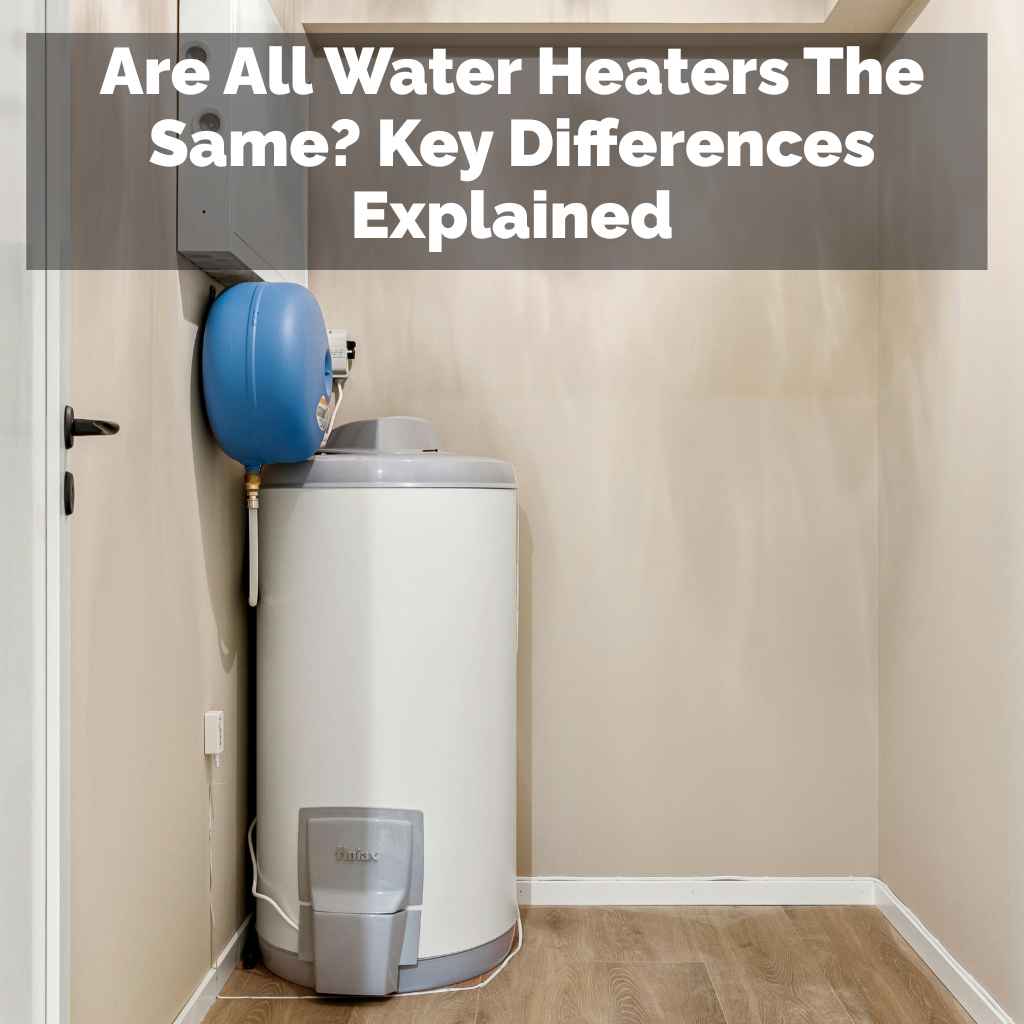
Not all water heaters are the same. They vary greatly in their energy source (like gas, electric, or heat pump), how they heat water (tank vs. tankless), their capacity, and their efficiency ratings.
Understanding these differences is key to choosing the best fit for your home’s needs and budget.
Understanding Water Heater Types
When you think about heating water, the most common image is a big tank in the basement or garage. This is the traditional tank water heater. It holds a large amount of water.
It keeps that water hot all the time. This way, hot water is ready when you need it. Think of it like a big thermos.
It has a heating element inside. This element turns on when the water cools down. It heats the water back up to your set temperature.
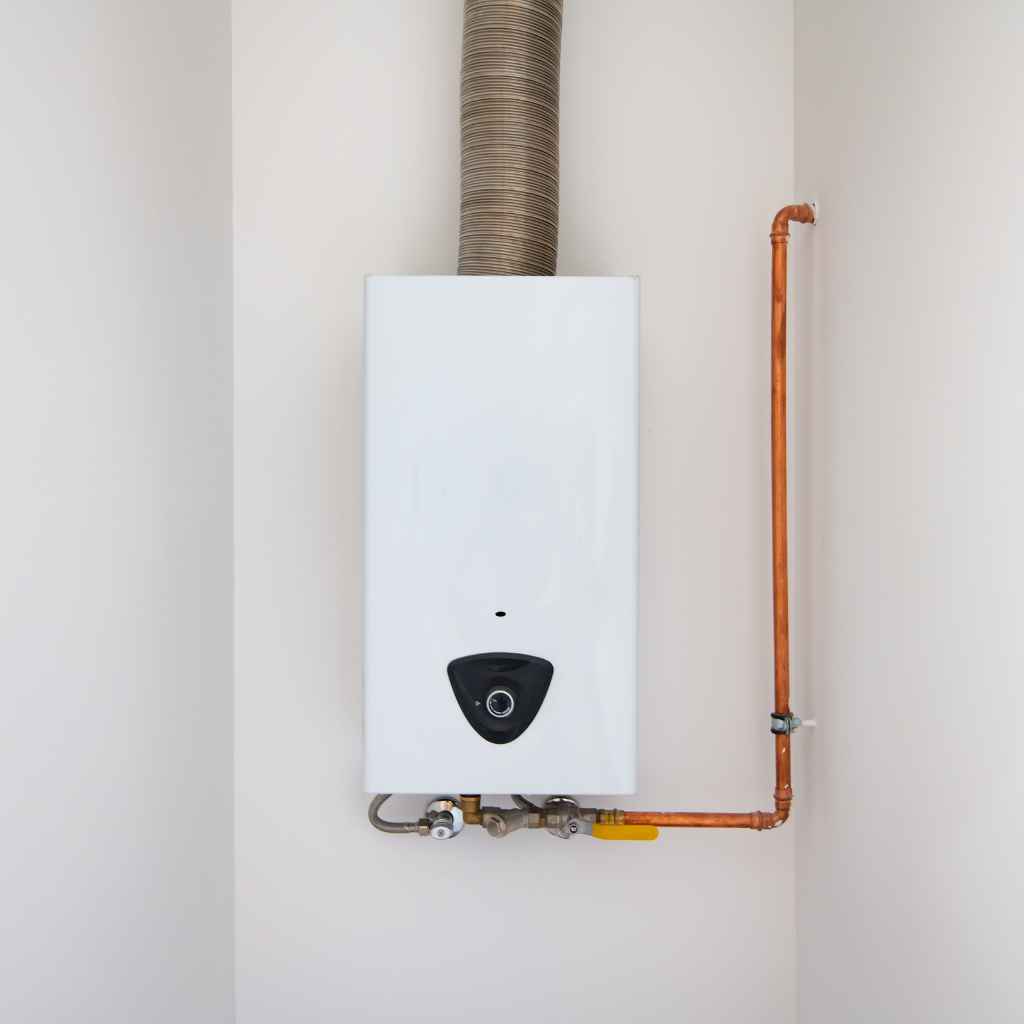
But what if you don’t want a tank sitting there, heating water constantly? That’s where tankless water heaters come in. These are sometimes called “on-demand” heaters.
They don’t store hot water. Instead, they heat water only when you turn on a hot water faucet. Cold water flows through the unit.
A powerful heating element (either gas or electric) heats the water instantly. Then, it goes straight to your faucet.
This means you never run out of hot water with a tankless system. You can run your dishwasher and take a shower at the same time. However, they have a limit on how much hot water they can produce per minute.
This is called the flow rate. For large homes with many people, you might need more than one tankless unit. Or you might need a very powerful one.
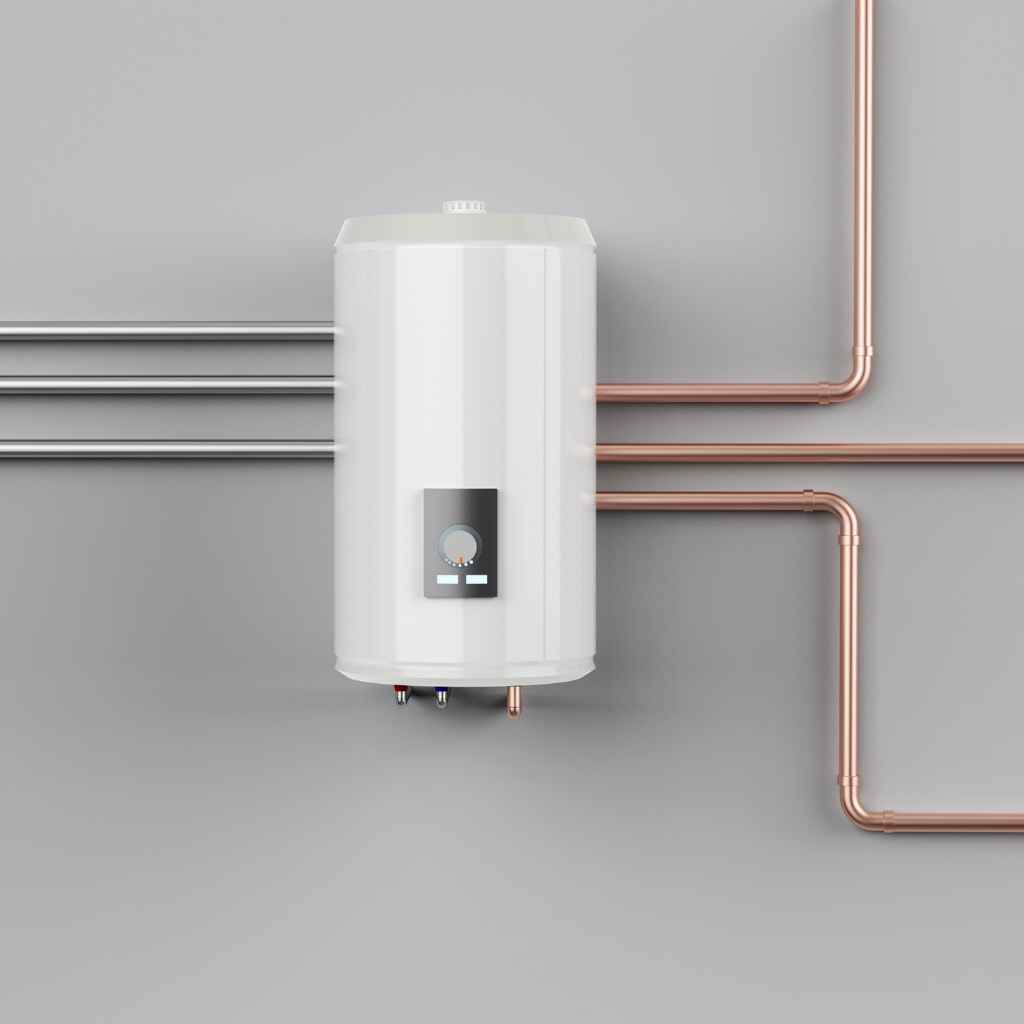
There are also hybrid water heaters. These combine features of both. They use a storage tank.
But they also have a heat pump. The heat pump pulls heat from the surrounding air. It uses this heat to warm the water in the tank.
This is much more energy-efficient than just using electric resistance heating. Most hybrid models also have backup electric resistance elements. These kick in when demand is very high.
They ensure you always have enough hot water.
Energy Sources for Heating Water
The biggest difference between water heaters is how they get their power. This is a major factor in cost and efficiency. The most common energy sources in the U.S.
are natural gas, electricity, and propane. Some newer models also use solar power.
Natural gas water heaters are very popular. This is because natural gas is often cheaper than electricity. These heaters use a burner at the bottom of the tank.
It heats the water from below. They are generally faster at heating water than electric ones. However, they do require a gas line.
They also produce exhaust fumes. So, they need proper venting. This means they typically need to be installed in a well-ventilated area.
Electric water heaters are simpler in design. They use electric resistance elements. These elements are like the ones in your toaster.
They heat up when electricity flows through them. Electric heaters are often less expensive to buy upfront. They are also easier to install.
This is because they don’t need venting. They can be placed almost anywhere. But, electricity can be more expensive than natural gas.
This makes their running costs higher. Electric tankless heaters also exist. They require a lot of electricity.
Propane water heaters are similar to natural gas ones. They use a burner to heat the water. The main difference is the fuel source.
Propane comes in tanks. This makes them a good option for homes not connected to a natural gas line. Propane can be more expensive than natural gas.
It’s often comparable to or slightly more than electricity. Like gas models, they also need venting.
Solar water heaters are an eco-friendly choice. They use solar panels to capture the sun’s heat. This heat is then transferred to the water.
They significantly reduce energy bills. However, they have a high upfront cost. They also depend on sunlight.
So, they usually need a backup system. This backup is often an electric or gas heater. This ensures hot water on cloudy days or at night.
Energy Source Quick Facts
Natural Gas: Often cheaper to run. Needs gas line and venting. Heats water fast.
Electric: Lower upfront cost. Easy to install. Can have higher running costs.
Propane: Good for homes without gas lines. Needs propane tank and venting.
Solar: Very energy efficient. High initial cost. Needs backup system.
Tank vs. Tankless: A Deeper Dive
Let’s talk more about the two main types: tank and tankless. It’s a big choice for most people. Each has its pros and cons.
Choosing the right one affects your daily life and your wallet.
Tank water heaters are the familiar friend. They hold water, typically between 30 to 80 gallons. This stored hot water is ready instantly.
Turn on a tap, and hot water flows out. This is great for quick showers. It’s also good for filling a bathtub.
However, there’s a limit. Once the hot water in the tank is used up, you have to wait. The heater needs time to heat up a new batch of cold water.
This wait can be frustrating, especially on busy mornings.
The main downside of tank heaters is standby heat loss. The heater is always working to keep the water in the tank hot. Even when you’re not using hot water, some heat escapes.
This wastes energy. Over time, this adds up to higher utility bills. Older tanks might not be well-insulated.
This makes the problem worse. Newer models are much better insulated. They reduce this energy waste.
Tankless water heaters offer a different experience. They heat water as it flows through. Imagine a continuous stream of hot water.
You can run multiple appliances at once. A shower can run longer without getting cold. This is a huge advantage for larger families.
Or for homes with many bathrooms. They are also much more energy-efficient. They don’t have standby heat loss.
You only use energy when you need hot water. This can lead to significant savings on your energy bills.
However, tankless heaters have their own considerations. The upfront cost is usually higher. Installation can also be more complex.
Electric tankless models often need special, high-amperage circuits. Gas tankless models need more robust venting. Another point is the flow rate.
As mentioned, they can only heat so many gallons per minute. If you use too much hot water at once, the water might not be as hot as you like. Or it might not be hot at all.
For example, I remember helping a friend install a tankless heater. They had an older home. The electrician had to upgrade the main electrical panel.
It was an unexpected expense. But once it was done, they loved the endless hot water. They used to run out every Sunday morning during breakfast rush.
Now, everyone can shower and do dishes without issue. It really changed their mornings.
Tank vs. Tankless at a Glance
| Feature | Tank Water Heater | Tankless Water Heater |
| Hot Water Supply | Limited by tank size | Continuous (on-demand) |
| Energy Efficiency | Lower (standby heat loss) | Higher (no standby loss) |
| Upfront Cost | Lower | Higher |
| Lifespan | 10-15 years | 20+ years |
| Space Needed | More (for the tank) | Less (wall-mounted) |
Capacity and Flow Rate: What Size Do You Need?
Choosing the right size for your water heater is crucial. Too small, and you’ll run out of hot water. Too large, and you’ll waste energy heating water you don’t need.
This is where capacity for tank heaters and flow rate for tankless heaters come in.
For tank water heaters, capacity is measured in gallons. A good rule of thumb is to look at your household’s peak hour demand. This is the time when you use the most hot water.
For a typical family of two to four people, a 40-50 gallon tank is often sufficient. Larger families might need 60-80 gallons. You can also look at the First Hour Rating (FHR).
This tells you how much hot water the heater can supply in the first hour of use. A higher FHR is better.
Let’s break down FHR. It combines the tank size with the heater’s ability to reheat water. For instance, a 50-gallon tank with a high FHR might be better than an 80-gallon tank with a low FHR.
If your family takes showers back-to-back, or uses dishwashers and washing machines simultaneously, a higher FHR is key.
For tankless water heaters, the key measurement is the gallons per minute (GPM) flow rate. This indicates how much hot water the unit can produce each minute. You need to estimate your peak usage.
Consider all the hot water fixtures you might run at once. A standard showerhead uses about 2.5 GPM. A faucet might use 1 GPM.
A washing machine could use 3-5 GPM. A dishwasher uses about 2 GPM.
If you have two showers running, plus a dishwasher, you might need a unit that can handle 6-8 GPM. Most tankless heaters are rated for specific temperature rises. This means how much they can increase the water temperature.
In colder climates, the incoming water is colder. The heater has to work harder to warm it up. This reduces its maximum GPM output.
You need to factor this in. Manufacturers usually provide charts showing GPM at different temperature rises.
I recall helping my aunt choose a new heater. She had an older gas tank heater. It was constantly running out of hot water.
She was convinced she needed a huge 80-gallon tank. We sat down and wrote out all the things she did. Showers, laundry, dishes.
It turned out her peak demand was around 45 gallons in an hour. The old tank was probably only 40 gallons and poorly insulated. A new 50-gallon tank with a better FHR solved her problem perfectly.
She saved money and didn’t need the extra space or complexity of a tankless.
Efficiency Ratings: Making Sense of the Labels
When shopping for a new water heater, you’ll see terms like “Energy Factor” (EF) or “Uniform Energy Factor” (UEF). These are efficiency ratings. They help you compare how much energy different models use to heat a specific amount of water.
Higher numbers mean more efficient heaters. This translates to lower energy bills.
The Uniform Energy Factor (UEF) is the current standard. It replaced the older Energy Factor (EF). UEF considers all energy inputs.
This includes energy lost during heating and standby losses. It also factors in energy used by auxiliary components. Different types of water heaters have very different UEF ratings.
A standard electric tank heater might have a UEF around 0.90 to 0.95. A natural gas tank heater might be around 0.60 to 0.80. This is because gas is often cheaper, but the heating process itself can be less efficient.
High-efficiency models really stand out. A high-efficiency gas tank heater might have a UEF of 0.80 or higher. A condensing gas water heater is a good example.
These capture heat from the exhaust gases. They reuse that heat to warm the water. This significantly boosts efficiency.
They can reach UEFs of 0.80 to 0.95.
Heat pump water heaters (HPWHs), also called hybrid water heaters, are the kings of electric efficiency. They move heat from the air into the water. They don’t just convert electricity to heat.
They use electricity to power a fan and compressor, like a refrigerator in reverse. This process is much more efficient. HPWHs can have UEFs from 2.0 to 3.0 or even higher.
This means they use about two to three times less energy than a standard electric resistance water heater.
Tankless water heaters also have efficiency ratings. Gas tankless models typically have UEFs around 0.80 to 0.98. Electric tankless models can have UEFs around 0.90 to 0.98.
Their efficiency comes from heating water only when needed. They eliminate standby losses.
It’s important to remember that UEF is just one part of the equation. The cost of the energy source in your area plays a huge role. An electric heater with a UEF of 2.5 might still cost more to run than a gas heater with a UEF of 0.70 if electricity prices are much higher than gas prices.
Understanding UEF Ratings
UEF: Uniform Energy Factor
Higher UEF = More Efficient Heater
- Standard Electric Tank: ~0.90 – 0.95
- Standard Gas Tank: ~0.60 – 0.80
- High-Efficiency Gas Tank (Condensing): ~0.80 – 0.95
- Heat Pump (Hybrid) Electric: ~2.0 – 3.0+
- Gas Tankless: ~0.80 – 0.98
- Electric Tankless: ~0.90 – 0.98
Note: Always compare UEF ratings for similar types of heaters. Also, consider local energy prices.
Smart Features and Advanced Technology
Water heaters are getting smarter. Many new models offer features that can save you money and give you more control. These aren’t just for high-end units anymore.
Some are becoming standard.
Smart thermostats are common now. You can connect them to your home Wi-Fi. This allows you to control the water heater from your smartphone.
You can adjust the temperature remotely. You can set schedules. Some apps can even learn your usage patterns.
They adjust the heating schedule to save energy when you’re not home.
Some smart water heaters can also diagnose problems. They can send alerts to your phone if something is wrong. This might be a leak or a failing component.
This can help you catch issues early. This can prevent bigger, more expensive repairs down the line.
Other advanced technologies include recirculation pumps. These systems keep hot water flowing through your pipes. This means hot water is available almost instantly at any tap.
You don’t have to wait for the water to travel from the heater. This saves water too. You aren’t running the tap for minutes waiting for hot water.
This can be a significant feature for large homes with long pipe runs.
Some high-efficiency gas models use power venting. This means they use a fan to push exhaust gases outside. This gives you more flexibility in where you can install the heater.
You don’t need a tall chimney. This can be a big help in homes with tight spaces.
I saw a friend’s new smart water heater in action. They were on vacation. They got an alert on their phone.
It said the heater was reporting an unusual water flow. They were able to check their home’s security cameras remotely. They saw a small leak near the base.
They called their neighbor to turn off the main water valve. This simple alert saved them from a potentially huge flood and water damage. That’s the power of smart tech.
Installation and Maintenance: What to Expect
How you install your water heater matters. And how you maintain it affects its lifespan and performance. It’s not a “set it and forget it” appliance.
Installation for a tank water heater is usually straightforward for a professional plumber. They connect it to your water lines, the energy source (gas or electric), and vent it if needed. For tankless heaters, it can be more complex.
As mentioned, electric tankless might need upgraded electrical circuits. Gas tankless often need new, larger gas lines and specialized venting systems. Always use a licensed professional.
Improper installation can be dangerous. It can also void warranties.
Maintenance is key to a long-lasting, efficient water heater. For all types, it’s recommended to flush the tank annually. This removes sediment.
Sediment can build up at the bottom of tank heaters. It can reduce efficiency. It can also cause noise.
For tankless heaters, flushing might be needed more often, especially in areas with hard water. This removes mineral deposits. These deposits can clog the internal components.
Another important maintenance task for tank heaters is checking the anode rod. This rod is made of a special metal. It corrodes instead of the tank lining.
It protects the tank from rust. It needs to be checked every few years. It should be replaced when it’s mostly gone.
This can significantly extend the life of your tank.
For gas water heaters, it’s good practice to have the burner and vent system inspected annually by a professional. This ensures it’s operating safely and efficiently. Electric heaters generally require less maintenance.
But the heating elements can eventually fail and need replacement.
Many people don’t realize how important maintenance is. They wait until something breaks. I once visited a client who had a water heater that was only 5 years old.
It had already failed. They had never flushed the tank. The bottom was full of rust and sediment.
The tank itself was corroded. A simple annual flush and anode rod check could have saved them hundreds of dollars and a lot of hassle. Regular care is an investment.
Maintenance Checklist
- Annual: Flush tank (all tank types), check burner/vent (gas types).
- Every 2-3 Years: Check anode rod (tank heaters), flush unit (tankless, especially with hard water).
- As Needed: Replace anode rod, replace heating elements (electric), professional inspection for gas units.
Always consult your owner’s manual for specific recommendations.
What About Warranties?
Water heater warranties can vary a lot. They are an important part of the purchase decision. They give you peace of mind.
Most water heaters come with a limited warranty. This covers defects in materials and workmanship.
For tank water heaters, the tank itself usually has a longer warranty. This might be 6, 9, or even 12 years. The parts (like heating elements, thermostats, valves) often have a shorter warranty, maybe 1 to 6 years.
Tankless water heaters typically have longer warranties overall. The heat exchanger, which is the core of the unit, might have a 10-15 year warranty. The parts might have 3-10 year warranties.
Remember, these are limited warranties. They often have conditions.
Conditions to watch for:
- Professional Installation: Most warranties require installation by a licensed professional.
- Regular Maintenance: Many warranties require proof of regular maintenance, like annual flushing or anode rod replacement. If you can’t show you’ve maintained it, your claim might be denied.
- Water Quality: Some warranties might be voided by extremely hard or corrosive water if not properly treated.
- Labor Costs: Some warranties cover parts only. Others might cover labor for a certain period. This can make a big difference if a repair is needed.
It’s always a good idea to read the warranty document carefully before you buy. Understand what’s covered and for how long. Also, keep your proof of purchase and maintenance records safe.
When is it Normal and When to Worry?
Understanding how your water heater should behave is important. It helps you know when there’s a problem.
Normal things:
- Slight noises: Tank heaters can make popping or rumbling sounds. This is often caused by sediment heating and expanding at the bottom of the tank. Tankless heaters might make a humming sound when they turn on.
- Occasional dripping: A small amount of dripping from the temperature and pressure (T&P) relief valve might occur if the water temperature rises slightly above its setting.
- Water temperature fluctuations: Small changes in hot water temperature are normal, especially if multiple fixtures are being used.
When to worry:
- No hot water: This is an obvious sign of a problem. It could be a tripped circuit breaker (electric), a pilot light out (gas), or a faulty thermostat.
- Leaking water: Any visible leak from the tank itself, pipes, or fittings is a serious issue. Leaks can cause water damage and indicate a failing tank.
- Discolored or smelly water: Rusty or foul-smelling hot water can indicate corrosion inside the tank or issues with the water source.
- Loud banging or whistling: These sounds can signal a buildup of pressure or sediment.
- Water that isn’t hot enough: If your water is consistently lukewarm, the heating element might be failing, or the thermostat is set too low.
- Rumbling or violent shaking: This suggests significant sediment buildup and potential overheating within the tank.
If you notice any of the “when to worry” signs, it’s best to turn off the water heater if it’s safe to do so and call a qualified technician. Don’t try to fix serious issues yourself unless you have the proper training. Safety first!
Factors Influencing Your Choice
So, with all these differences, how do you pick the right one for your home? Consider these key factors.
1. Your Home Size and Occupancy: A large family with multiple bathrooms will likely benefit from a high-capacity tank or a powerful tankless system. A single person or couple might be fine with a smaller tank or a smaller tankless unit.
2. Your Budget: This includes both the upfront purchase and installation cost, and the ongoing energy costs. Tankless and heat pump water heaters have higher initial costs but can save money long-term.
Standard electric and gas tank heaters are cheaper to buy but cost more to run.
3. Available Energy Sources: If you have natural gas available, it’s often the most cost-effective fuel source for tank heaters. If not, electricity or propane are your options.
Heat pumps are electric but use energy very efficiently.
4. Installation Constraints: Do you have space for a large tank? Do you have proper venting for gas?
Are your electrical circuits sufficient for an electric tankless heater? These physical limitations can guide your decision.
5. Environmental Concerns: If reducing your carbon footprint is a priority, heat pump or solar water heaters are excellent choices. They use less energy overall.
6. Your Hot Water Habits: Do you take long showers? Do you have multiple appliances running at once?
Understanding your peak usage will help you match the heater’s capacity or flow rate to your needs.
Think about what matters most to you. Is it immediate hot water for everyone? Is it saving money on your utility bills?
Is it having the most eco-friendly option? Your priorities will lead you to the best solution.
Frequently Asked Questions
What is the average lifespan of a water heater?
Most traditional tank water heaters last about 10 to 15 years. Tankless water heaters can last much longer, often 20 years or more, with proper maintenance. Heat pump water heaters generally have a lifespan of around 10 to 15 years as well.
Which type of water heater is the most energy-efficient?
Heat pump water heaters (hybrid electric) are generally the most energy-efficient electric option. They can use 2-3 times less energy than standard electric resistance water heaters. For gas, high-efficiency condensing tankless water heaters are very efficient, but they require more upfront investment.
Do tankless water heaters really save money?
Yes, tankless water heaters can save money on energy bills because they only heat water when you need it, eliminating standby energy losses that occur with tank heaters. However, their higher upfront cost means it can take several years to see a return on investment. Your local energy prices play a big role.
Can I use a standard electric water heater in a small apartment?
Yes, smaller electric tank water heaters (around 20-30 gallons) are common in apartments. They provide enough hot water for one or two people. Electric tankless heaters can also be used for point-of-use applications, like under a sink, but they often require dedicated high-amperage circuits.
Is it safe to use a gas water heater indoors without venting?
No, it is never safe to use a gas water heater indoors without proper venting. Gas combustion produces carbon monoxide, a colorless, odorless, and deadly gas. All gas water heaters must be vented to the outside according to local building codes and manufacturer instructions.
This is a critical safety requirement.
How often should I check my water heater for leaks?
You should visually inspect your water heater at least once every six months. Look for any signs of moisture, rust, or dripping around the tank, pipes, and fittings. Early detection of leaks can prevent significant water damage and costly repairs.
Making the Right Choice for Your Home
It’s clear that not all water heaters are the same. They come in many forms. They use different fuels.
They offer varied features. From the familiar tank heater to the efficient tankless models, and the advanced heat pump systems, each has its place. Understanding these differences is the first step.
It helps you match your home’s needs with the best technology.
Think about your family’s habits. Consider your budget. Look at your home’s setup.
These factors will guide you. Choosing wisely means consistent hot water. It means lower energy bills.
It means peace of mind for years to come. Don’t rush the decision. Do your research.
Further Reading: DOE water heater efficiency guide | ENERGY STAR water heaters
Ask questions. You’ll find the perfect fit.