
It’s a question many homeowners ponder as they shop for a new water heater. You see labels, symbols, and certifications everywhere. One that often pops up is UL.
But does every water heater carry this mark? It’s a common point of confusion, and honestly, a little bit frustrating when you just want to make a safe, smart choice for your home. Let’s break down exactly what UL certification means for water heaters, and whether it’s a universal stamp of approval.
You’ll get a clear picture of what to look for and why it matters for your peace of mind.
Not all water heaters are UL certified. While UL certification is a common safety mark, especially for gas and electric water heaters, it is not a universal requirement for every single unit sold. Many units are certified by other recognized testing laboratories, or may be sold in markets where such specific certification is not mandated. The presence of a UL mark, or a similar mark from another accredited testing agency, indicates that the product has met rigorous safety and performance standards.
Understanding the UL Mark
UL stands for Underwriters Laboratories. It’s a global safety science company. They test products to make sure they are safe.
Think of it as a stamp of approval. It means a water heater has been examined. It has met certain safety requirements.
These requirements are set by experts.
For water heaters, this is really important. They handle hot water and electricity or gas. Safety is a top concern.
UL certification helps show that a water heater is less likely to cause harm. This harm could be from electric shock or fire.
The Importance of Safety Testing
Water heaters are complex appliances. They have many parts working together. They heat water to high temperatures.
This can create risks. Gas water heaters involve combustion. They produce fumes.
Electric water heaters use high voltage. Both need careful design and testing.
UL testing checks many things. It looks at materials used. It checks electrical connections.
It tests how the appliance operates. It ensures safety features work as intended. This includes things like temperature and pressure controls.
It also covers gas shut-off valves.
Beyond Just Safety
While safety is primary, UL certification also looks at performance. It ensures the water heater works as expected. This can include energy efficiency.
It can also involve how well it heats water. This helps consumers. They can trust that the product meets certain standards.
When you see a UL mark, it’s a sign of quality. It’s a sign of a product that has been vetted. This reduces worries for homeowners.
It assures them that they have a safe appliance in their home.
The Reality: Not Every Water Heater Has a UL Mark
Now, let’s get to the heart of the matter. While UL is very well-known, it’s not the only safety mark out there. And in some cases, a water heater might not have any certification mark at all.
This can be confusing, I know. It feels like a safety net should be standard, right?
In the United States, there are other testing agencies. These agencies are also accredited by the Occupational Safety and Health Administration (OSHA). Examples include ETL (Intertek) and CSA Group (Canadian Standards Association, which also certifies for the U.S.).
These labs perform similar rigorous testing. They ensure products meet safety standards.
Other Accredited Testing Laboratories
So, if you see an ETL mark or a CSA mark on a water heater, that’s also a good sign. It means the product has been tested by a reputable organization. It meets safety codes.
These certifications are just as valid as UL for ensuring safety. They are all recognized by authorities. They all follow strict protocols.
What’s crucial is that the water heater has been tested by an accredited third-party laboratory. This independent review is key. It means the product wasn’t just self-declared safe.
Someone unbiased checked it. They confirmed it meets the necessary safety standards for its type.
Why Might a Water Heater Lack a Mark?
There are a few reasons why a water heater might not have a UL or similar mark.
- Marketplace Specifics: Some water heaters might be made for different regions or countries. Standards can vary.
- Older Models: Older water heaters were manufactured under different regulations. Certification practices were not as widespread or as strictly enforced as they are today.
- Specific Types of Heaters: Some very basic or custom-built heating elements or small-scale water heating devices might not fall under the same mandatory testing umbrellas as large residential units.
- Cost of Certification: Obtaining and maintaining certifications costs money. For very budget-oriented models, manufacturers might opt for less common certification bodies or, in rare cases, none if not legally required for that specific product type and market.
It’s important to remember that lack of a UL mark doesn’t automatically mean something is unsafe. But it does mean it hasn’t undergone the same widely recognized independent safety checks. For most people, choosing a unit with a recognized mark from UL, ETL, or CSA provides the most assurance.
The Role of Building Codes and Regulations
Understanding certifications also means looking at the bigger picture. Building codes play a huge role. These codes are set by local governments.
They dictate what is safe for homes. They often require appliances to meet specific standards. Sometimes, these standards directly mention certified products.
For example, a local building code might require that all gas appliances installed in homes must be certified by a recognized testing agency. This is to ensure they meet safety requirements for gas leaks and combustion byproducts. If a code specifies this, then any installer or inspector will look for that mark.
Local vs. National Standards
Building codes can vary quite a bit from one city or state to another. What is required in Florida might be different from what’s required in California. National standards provide a baseline.
But local authorities can add their own requirements. These are often based on specific environmental factors or past incidents.
So, while a water heater might be safe and built well, its installation might depend on these local rules. Your local plumbing or building department is the best source for this information. They can tell you what is mandatory in your area.
When Certification Becomes a Must
In many U.S. states and cities, installing a water heater that is not certified by an Nationally Recognized Testing Laboratory (NRTL) like UL, ETL, or CSA is against building codes. This is especially true for gas water heaters.
The risk of carbon monoxide poisoning is too high to allow uncertified units.
For electric water heaters, the requirements might be slightly different but still focus on electrical safety. Even if a unit could technically work without a mark, it might not be legally permitted for installation. This protects homeowners and ensures a minimum level of safety is met.
My Own Experience: A Close Call with an Older Unit
I remember helping my aunt
She had been using it for decades without any issues. That’s the thing, right? Sometimes old things just keep working.
But I started thinking about the potential risks. What if the thermostat failed? What if the gas valve wasn’t as precise as newer models?
I asked her if she’d ever had it inspected thoroughly. She said the plumber just ‘checked it’ every few years. That was it.
I felt a knot of worry. This wasn’t just about inconvenience; it was about safety. It made me realize how much we rely on these unseen safety nets.
We don’t always think about them until something goes wrong. I ended up strongly suggesting we replace it. The new one we picked had a clear ETL mark.
It felt good to know it had gone through rigorous testing. The peace of mind was worth the extra effort to research.
Types of Water Heaters and Their Certification Needs
The type of water heater you have can influence its certification needs. It also affects what certifications are most common. Let’s look at a few types.
Gas Water Heaters
These are the ones most likely to require rigorous safety certifications. They involve open flames and gas lines. Testing focuses on preventing gas leaks, ensuring proper combustion, and venting harmful fumes like carbon monoxide.
Marks like UL, CSA, and ETL are almost always present on new gas water heaters sold legally in the U.S.
Electric Water Heaters
Electric models also require safety certifications. The focus here is on electrical safety. This includes preventing shocks and fires caused by faulty wiring or components.
UL, CSA, and ETL certifications are common for electric water heaters too, ensuring they meet electrical safety standards.
Tankless Water Heaters
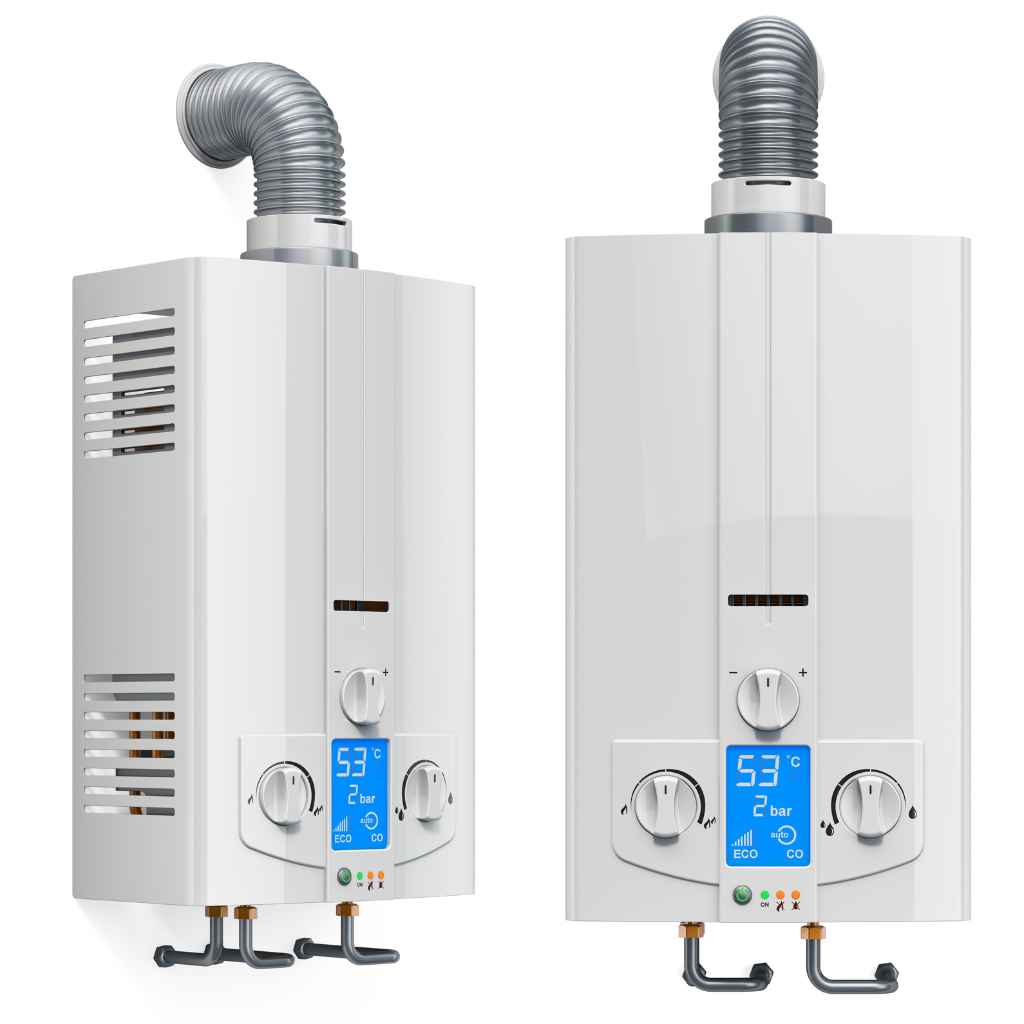
Whether gas or electric, tankless water heaters undergo similar safety testing. Gas tankless units have the same concerns as traditional gas models regarding combustion and venting. Electric tankless units focus on high electrical loads and safety.
You’ll typically find recognized safety marks on these as well.
Solar and Heat Pump Water Heaters
These units often combine electrical components with other systems. They will be tested for both electrical safety and the safety of their specific technologies. Certifications ensure the whole system is safe to operate in a home environment.
Quick Scan: Water Heater Certifications
What to Look For:
- UL Mark: Often a circular logo with “UL” inside.
- ETL Mark: Intertek’s mark, similar in function to UL.
- CSA Mark: Canadian Standards Association, also tests for U.S. standards.
- NSF Mark: For potable water system components (less common for the whole heater, more for internal parts).
Key Takeaway: Any mark from an accredited NRTL is a good indicator of safety.
What Does “UL Listed” Mean?
You might see the term “UL Listed” on a product. This is a specific type of UL certification. It means that UL has evaluated the product.
It has found it meets UL’s requirements. These requirements are based on UL’s own published safety standards or other widely accepted standards. It’s a common and reliable safety assurance.
When a water heater is UL Listed, it means it’s suitable for use. It meets specific safety and performance guidelines. This mark is often found on the product’s label or in its manual.
It’s a sign you can generally trust the product’s safety.
UL Recognized vs. UL Listed
It’s good to know there’s a difference between “UL Listed” and “UL Recognized.”
- UL Listed: This is for complete products. It means the entire product has been tested. It meets safety requirements for its intended use. A water heater would be “UL Listed.”
- UL Recognized: This is for components or parts. A component might be “UL Recognized.” It means UL has evaluated it. It’s safe to use in a larger system. But the component itself isn’t a finished product.
For a water heater, you want to see “UL Listed” (or an equivalent mark from another NRTL). This confirms the whole unit has been tested for safety in your home.
How to Verify a Water Heater’s Certification
So, how do you know if that water heater you’re looking at is really certified? Here are a few ways.
Check the Product Label
The easiest way is to look at the water heater itself. Most certified products have a label. This label is usually on the side of the tank or near the controls.
It will clearly show the certification mark. It might say “UL Listed,” “ETL Listed,” or have the CSA symbol.
Look closely at the mark. Make sure it’s clear and legible. Sometimes, you’ll also see a product number or certification number on the label.
This can be useful for further verification.
Consult the Product Manual
If you’re buying a new water heater, the product manual is a great resource. Manufacturers will typically mention any certifications in the manual. It’s a good place to find detailed information about the product’s safety features and standards it meets.
The manual might also explain what the different marks mean. It can provide confidence that the manufacturer is transparent about the product’s safety credentials.
Visit the Testing Agency’s Website
This is a more in-depth step, but very reliable. If you have a certification number from the label, you can often go to the website of the testing agency (like UL, Intertek for ETL, or CSA Group). They usually have a searchable database.
You can enter the product or certification number to confirm its validity.
This is a great way to double-check. It ensures the mark isn’t fake or applied incorrectly. It’s a solid step for extra assurance, especially for critical home appliances.
Ask the Retailer or Manufacturer
When in doubt, don’t hesitate to ask. The salesperson at the appliance store should be able to tell you about the certifications. If they can’t, or if you want more details, contact the manufacturer directly.
Most companies are happy to provide information about their product’s safety testing and certifications.
A trustworthy retailer or manufacturer will be upfront about these details. If they seem hesitant or unable to provide clear answers about certifications, it might be a red flag.
Myth vs. Reality: Water Heater Certification
Myth: All water heaters are UL certified. Reality: No, not all are. Other labs like ETL and CSA also certify water heaters.
Some may have no certification if not required by local codes.
Myth: Any certification mark means it’s perfectly safe. Reality: Certification means it meets tested standards for safety. It reduces risk, but proper installation and maintenance are still crucial.
Myth: Older water heaters are fine if they’ve worked for years. Reality: Older units may lack modern safety features and haven’t been tested against current standards, increasing potential risks.
When Certification Might Be Less Common
There are certain situations or types of water heating devices where you might see fewer or no familiar certification marks. Understanding these exceptions can help you assess risk.
Point-of-Use Water Heaters
These are very small heaters. They often serve a single sink or shower. Some are electric and very low wattage.
Others might be small gas units. While many will still be certified, some of the smallest, simplest electric ones might not carry a major mark if not deemed essential by regulations or if they are not connected to permanent plumbing.
DIY or Custom Installations
If someone builds their own water heating system or modifies an existing one extensively, it might not have standard certifications. This is highly discouraged for safety reasons, especially with gas or high-voltage electric systems. These are areas where safety standards and testing are paramount.
Very Old or Obsolete Models
As mentioned, older units predate current rigorous testing practices. If you have a vintage water heater, it likely lacks modern certifications. While it may have served its purpose for years, its continued use might carry higher risks due to outdated safety mechanisms and materials.
Specialized Commercial or Industrial Units
Large-scale or industrial water heating systems have their own sets of standards and certifications. While they are tested, the marks might be different from the residential UL, ETL, or CSA marks. They are designed for different environments and operational needs.
What If My Water Heater Isn’t UL Certified?
This is a common concern. You might have an older unit, or you’re looking at a model where the certification isn’t immediately obvious. What should you do?
Check Local Building Codes First
This is your absolute first step. Contact your local building or plumbing department. Ask them what the requirements are for water heater installation in your area.
They will tell you if a specific certification (like UL, ETL, or CSA) is mandatory for gas or electric models. If the code requires it, and your unit doesn’t have it, you’ll need to address it.
Assess the Type of Water Heater
For gas water heaters, certification is almost always a non-negotiable safety requirement due to the risks of gas leaks and carbon monoxide. For electric units, while still important, the immediate life-safety risks might be perceived as lower, though electrical fires and shocks are still serious hazards.
Look for Other Recognized Marks
If you don’t see a UL mark, check carefully for ETL, CSA, or other marks from accredited testing labs. These are equally valid. Don’t assume the absence of UL means the absence of any safety testing.
Consider the Age and Condition
Even if a unit was certified when new, an old water heater is more prone to failure. Seals can degrade, sensors can become inaccurate, and safety valves might not function. If your water heater is old (typically over 10-15 years) or shows signs of rust, leaks, or damage, replacement is often the safest bet, regardless of its original certification.
Consult a Licensed Professional
A licensed plumber or HVAC technician is your best resource. They work with these appliances daily. They know local codes and can assess the safety of your current water heater.
They can advise you on whether replacement is necessary based on its certification status, age, and condition.
If they find an uncertified unit where one is required by code, they will likely refuse to service it or will strongly recommend replacement. This is for their liability and your safety.
Ensuring Safety: Beyond the Certification Mark
While certification is a vital starting point, it’s not the only factor in water heater safety. A certified water heater still needs proper care.
Professional Installation is Key
Even the most certified water heater can be dangerous if installed incorrectly. Gas lines must be leak-free. Electrical connections must be secure.
Venting for gas units must be clear and direct. Always use a licensed and experienced professional for installation. They understand the codes and best practices.
I’ve seen DIY installations that looked okay at first glance but were actually ticking time bombs. A qualified installer ensures everything is hooked up right. They confirm all safety features are functional.
Regular Maintenance is Crucial
Water heaters need maintenance. This includes flushing the tank to remove sediment. Sediment can damage the tank and reduce efficiency.
It can also cause issues with the heating elements or burners. Checking and testing safety valves (like the T&P valve – temperature and pressure relief valve) is also vital.
Most manufacturers recommend annual or bi-annual maintenance. This can extend the life of your water heater. It also helps prevent problems.
It ensures the safety mechanisms remain in good working order.
Know the Signs of Trouble
Pay attention to your water heater. Signs of trouble include:
- Strange Noises: Popping, banging, or hissing sounds can indicate sediment buildup or other internal issues.
- Leaking: Any water around the base of the tank is a serious concern.
- Discolored Water: Rusty or discolored hot water can signal corrosion within the tank.
- Smells: A rotten egg smell (from bacteria in the tank) or a strong gas smell are immediate red flags.
- Lack of Hot Water: While often an efficiency issue, it can sometimes point to a failing safety component.
If you notice any of these, turn off the unit if it’s safe to do so. Call a qualified technician immediately.
Water Heater Safety Checklist
- Certification: Does it have a UL, ETL, or CSA mark? (Required in most areas).
- Installation: Was it installed by a licensed professional?
- Venting (Gas): Is the vent pipe clear, secure, and properly sloped? No obstructions?
- Gas Lines: Are connections tight? Any smell of gas?
- Electrical (Electric): Are connections secure? Any signs of frayed wires?
- Drip Pan: Is there a drip pan underneath, especially if installed in an area prone to leaks?
- Regular Checks: Have you tested the T&P valve recently? Is the anode rod healthy?
The Bottom Line: Prioritize Safety and Knowledge
So, are all water heaters UL certified? No, they are not. But that doesn’t mean you have to navigate this blind.
The world of water heater certifications can seem complex, but it boils down to a few key points.
First, recognized safety certifications like UL, ETL, and CSA are incredibly important. They are indicators that a product has met stringent safety standards. For gas water heaters, they are often a legal requirement due to the inherent risks.
For electric units, they ensure electrical safety.
Second, the absence of a UL mark doesn’t automatically mean a unit is unsafe. It could be certified by another reputable agency. Or, in very rare, specific cases, it might not be legally mandated for that particular type of appliance.
However, it’s always best practice to opt for a unit that does have a mark from a recognized testing laboratory.
Always check your local building codes. They are your ultimate guide to what is legally required in your area. And never underestimate the importance of professional installation and regular maintenance.
These steps, combined with choosing a certified product, are your best defense against potential hazards. Your home and your family’s safety are worth the effort to understand and prioritize.
Frequently Asked Questions About Water Heater Certification
What does it mean if my water heater has an ETL mark?
An ETL mark, issued by Intertek, signifies that the water heater has been tested by a Nationally Recognized Testing Laboratory (NRTL). This means it meets applicable U.S. safety standards, just like a UL certification.
It indicates the product has undergone rigorous safety and performance evaluations.
Can I install a water heater that isn’t certified?
In most U.S. locations, installing a gas water heater that is not certified by an NRTL is against building codes and illegal. For electric water heaters, while codes might vary, installing an uncertified unit is still strongly discouraged due to electrical safety risks.
Always check with your local building department.
How old is too old for a water heater, even if certified?
Most water heaters have a lifespan of about 10 to 15 years. Even if a unit was certified when new, its components degrade over time. After this period, safety mechanisms may fail, and the risk of leaks or other problems increases significantly.
Replacement is recommended for units over 10-15 years old.
Does a water heater need to be certified for energy efficiency?
While UL, ETL, and CSA certifications focus primarily on safety, many water heaters also carry ENERGY STAR certification or display an EnergyGuide label. These indicate energy efficiency. While not a safety certification, they are important for long-term cost savings and environmental impact.
Safety certification is generally more critical for immediate home safety.
What if I find a certification mark I don’t recognize?
If you see a mark you don’t recognize, do a quick online search for the testing agency’s name. Look for information confirming they are an NRTL (Nationally Recognized Testing Laboratory). If they are accredited, their certification is generally considered valid.
If you cannot find reliable information about the testing agency, it’s best to err on the side of caution and choose a unit with a more recognizable mark like UL, ETL, or CSA.
Are propane water heaters certified differently than natural gas ones?
Propane and natural gas water heaters are typically certified using similar standards and by the same NRTLs (like UL, ETL, CSA). The primary difference in testing would be related to the specific properties of propane versus natural gas. Both require rigorous safety testing for combustion, leak prevention, and byproduct venting due to the risks associated with flammable gases.
Conclusion
Choosing a water heater involves more than just picking a brand or price. Understanding safety certifications like UL is vital. While not every unit carries the UL mark, other accredited labs offer similar assurances.
Further Reading: UL certification standards | CPSC product safety
Prioritizing certified appliances, adhering to local codes, and ensuring professional installation and maintenance are key to a safe and reliable hot water system.