
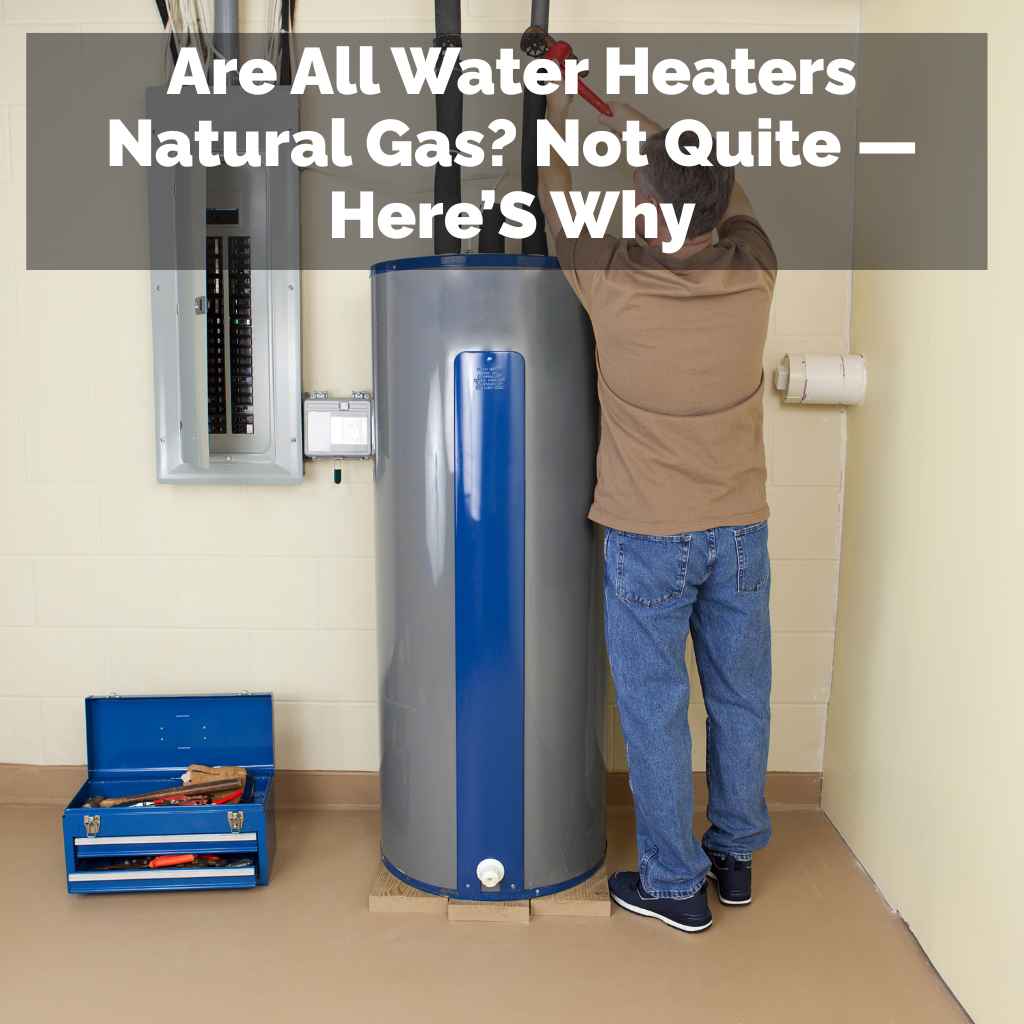
It’s easy to assume that every water heater runs on natural gas. You might picture that familiar blue flame heating up your water. But this common image doesn’t tell the whole story. Many homes use different kinds of water heaters. Understanding these differences helps you know what’s in your own home. It also helps you make smart choices for the future.
When people ask if all water heaters are natural gas, the short answer is no. Many other types exist. They use electricity, propane, or even heat pumps. The best choice depends on your home, fuel availability, and costs.
Understanding Water Heater Types and Fuels
Water heaters are vital for our daily lives. They provide hot water for showers, laundry, and dishes. The way they heat water is key.
This heating method usually depends on the fuel source they use.
The most common type many think of is the natural gas water heater. These units have a burner at the bottom. This burner ignites to heat the water stored in the tank.
A chimney or vent carries away the combustion gases. They are very popular because natural gas is often cheaper than electricity in many areas.
But what about homes not connected to a natural gas line? Or maybe a home is in a rural area. That’s where other types come into play.
Electric water heaters are a very common alternative. They don’t have a burner or produce flames. Instead, they use electric heating elements, like those in a toaster or electric oven, to warm the water.
These electric elements sit inside the tank. When electricity flows through them, they get hot. This heat then transfers to the surrounding water.
Electric models are often simpler to install. They don’t need a vent for exhaust gases. However, electricity can sometimes be more costly per unit of heat than natural gas, depending on your local rates.
Another fuel source many people use is propane. Propane water heaters work much like natural gas ones. They have a burner that heats the water.
The main difference is the fuel. Propane is stored in a tank on the property. This tank needs to be refilled periodically.
Propane is a good option for homes without access to natural gas lines.
It’s also a cleaner-burning fuel than some others. Propane water heaters are efficient. They are a reliable choice for many homes.
They offer similar performance to natural gas heaters. But you have to manage the propane tank levels.
Beyond these common types, there are newer, more advanced options. Heat pump water heaters, also called hybrid water heaters, are gaining popularity. These units don’t create heat directly by burning fuel or using electric resistance.
Instead, they work like a reverse air conditioner. They pull heat from the surrounding air.
This captured heat is then transferred to the water in the tank. They use electricity, but much less than a standard electric water heater. This makes them very energy-efficient.
They can save a lot of money on electricity bills over time. However, they are usually more expensive to buy upfront. They also need a good amount of space and air circulation.
Finally, some homes might use tankless water heaters. These are different because they don’t store hot water in a tank. Instead, they heat water on demand.
When you turn on a hot water faucet, the unit kicks on. It heats the water as it flows through. Tankless heaters can be gas-powered (natural gas or propane) or electric.
They are great for saving energy because they only heat water when needed. This means no standby heat loss from a tank. They can provide an endless supply of hot water.
However, they can have a higher initial cost. They also need specific installation, especially the gas versions needing gas line upgrades.
So, as you can see, the world of water heaters is quite diverse. It’s not just about natural gas. Each type has its own pros and cons.
Your choice depends on many factors.
Water Heater Fuel Types at a Glance
- Natural Gas: Uses a burner, vents exhaust. Often cost-effective.
- Electric: Uses heating elements. Simple installation, no vent needed.
- Propane: Similar to gas but uses a stored tank. Good for off-grid homes.
- Heat Pump (Hybrid): Pulls heat from air. Very energy efficient.
- Tankless: Heats water on demand. Saves energy, endless hot water.
The Natural Gas Water Heater: A Familiar Friend
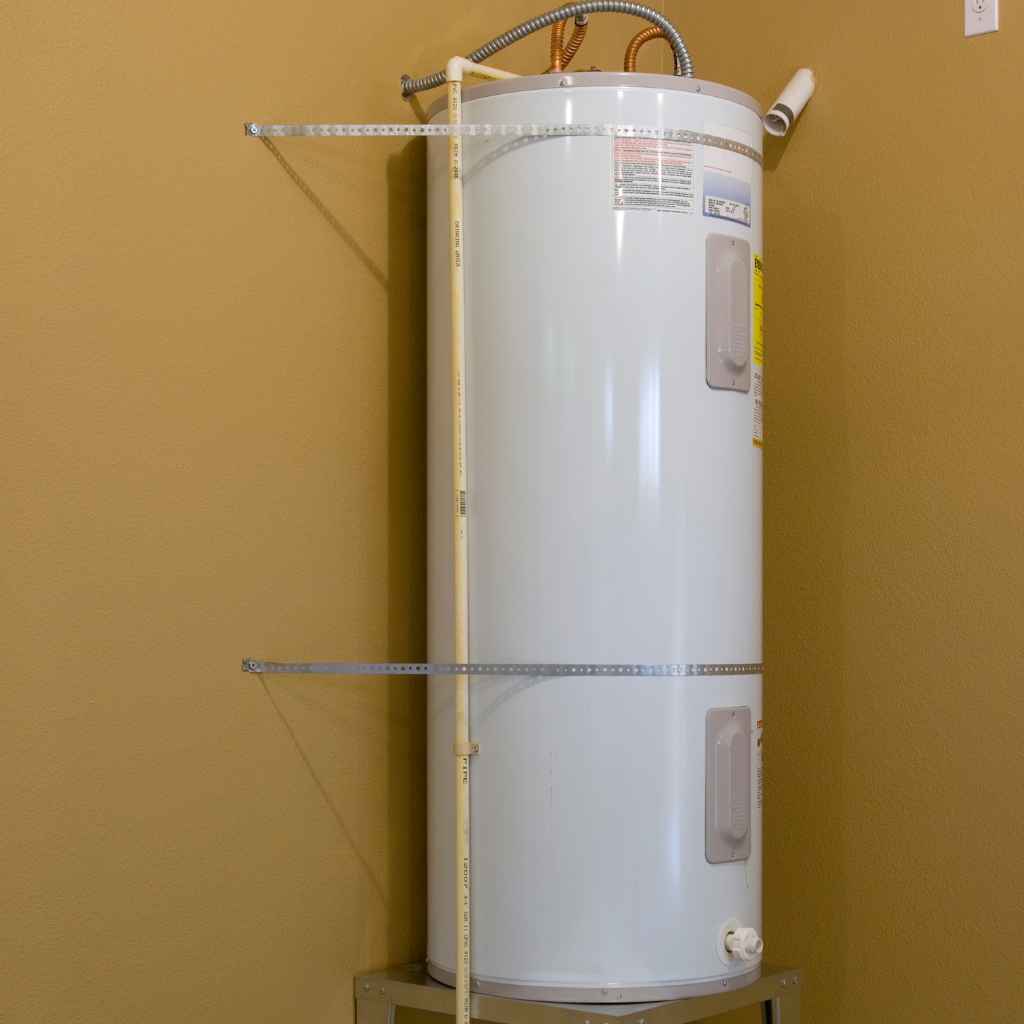
The natural gas water heater is probably what comes to mind for most people. It’s a workhorse in many American homes. Its design is relatively simple but effective.
Inside the tank, there’s a burner assembly at the very bottom. When the water temperature drops below a set point, a thermostat signals the gas valve to open. This ignites the gas at the burner.
The flame heats the bottom of the tank. This hot water then rises, and cooler water sinks to be heated.
Crucially, this process creates exhaust gases. These gases are like smoke. They need to be safely removed from the home.
That’s why natural gas water heaters must be vented. This vent typically runs up through the ceiling and out the roof. It’s usually a metal pipe designed to handle heat and gases.
The efficiency of a natural gas water heater is measured by its Energy Factor (EF). A higher EF means it uses less gas to heat the same amount of water. Newer models are more efficient than older ones.
But they still lose some heat through the tank itself and the venting process.
One of the main draws of natural gas is its cost. In many parts of the United States, natural gas prices are lower per unit of energy compared to electricity. This can lead to significant savings on monthly utility bills.
If your home is already connected to a natural gas line, it’s often a straightforward choice.
However, there are also considerations. If you don’t have a gas line, the cost to run one to your home can be very high. You also need to ensure proper ventilation.
A blocked or faulty vent can lead to dangerous carbon monoxide buildup. This is why regular maintenance and checks are so important for gas appliances.
The lifespan of a natural gas water heater is typically around 10 to 15 years. Like any appliance, they can develop problems. These can include leaks, pilot light issues, or problems with the thermostat.
Replacing an old unit with a new one is a common home maintenance task.
When choosing a new gas water heater, you’ll see different tank sizes. These are measured in gallons. Larger families or homes with multiple bathrooms might need a bigger tank to ensure enough hot water.
You’ll also see different height and diameter dimensions. This helps ensure the unit fits in your designated space.
The whole process of heating water with gas is quite direct. You get a hot shower quickly. The water is reliably hot.
It’s a system that has served us well for decades. But it’s important to remember it’s just one piece of the puzzle when it comes to heating water in our homes.
Natural Gas Water Heater Key Features
- Operation: Burner heats water directly.
- Ventilation: Requires a vent to remove exhaust gases.
- Cost: Often cost-effective fuel source.
- Installation: Needs gas line access.
- Maintenance: Regular checks for safety and efficiency.
Electric Water Heaters: The Simple, Vent-Free Option
For many homes, especially those not hooked up to a natural gas line, electric water heaters are the go-to choice. They offer a simpler design and installation compared to their gas counterparts. This makes them a popular option for many builders and homeowners alike.
The core of an electric water heater is its heating elements. Think of them like the heating coils in a big electric kettle. Most electric water heaters have two elements.
One is typically placed in the lower half of the tank, and the other in the upper half. These elements are made of metal and are coated to prevent corrosion and electrical issues.
When your thermostat senses that the water in the tank has cooled down, it activates one or both of these elements. Electricity flows through them, causing them to heat up intensely. This heat is then transferred directly to the surrounding water.
The heated water then rises within the tank, and the cycle continues until the water reaches the desired temperature.
A big advantage of electric water heaters is that they don’t produce combustion gases. This means they don’t need a vent to the outside. This can simplify installation and placement.
You can often put them in more locations within your home, like a closet or basement corner, without worrying about exhaust. This also removes the risk of carbon monoxide poisoning from a faulty vent.
However, the cost of running an electric water heater can be a consideration. While the initial purchase price and installation might be lower than gas, the ongoing energy costs can be higher. This is because electricity, per unit of energy produced, is often more expensive than natural gas.
The efficiency of electric resistance heating is close to 100% in terms of converting electricity to heat, but the cost of that electricity is the main factor.
The lifespan of an electric water heater is similar to gas models, usually around 10 to 15 years. They can suffer from similar issues like leaks or thermostat failures. Sediment buildup at the bottom of the tank can also reduce efficiency and eventually damage the heating elements.
When you’re looking at electric water heaters, tank size is again important. For typical households, 40-gallon or 50-gallon tanks are common. If your family uses a lot of hot water, you might consider a larger tank or a higher recovery rate (how quickly it can heat a tank of water).
The simplicity of electric water heaters is a major selling point. Fewer moving parts mean fewer things can go wrong with the heating mechanism itself. The lack of a pilot light (like in gas models) also means no chance of it going out and preventing heating.
It’s a very straightforward appliance.
I remember a time when I was helping a friend move into an older home. The plumbing was all original, and there was no gas line. The choice was clear: electric.
We installed a new 50-gallon electric unit. It was a relief not to worry about gas hookups or venting. It just worked, quietly in the corner of the basement, providing hot water without fuss.
It’s a reliable choice for many situations.
In summary, electric water heaters are a popular and practical choice. They are a great alternative when natural gas isn’t an option. Their vent-free operation and relative simplicity make them a favorite for many.
Electric Water Heater: Key Facts
- Heating Method: Electric resistance heating elements.
- Installation: No venting required.
- Energy Cost: Can be higher than gas, depending on rates.
- Reliability: Simple design, few mechanical parts.
- Safety: No risk of gas leaks or carbon monoxide.
Propane Water Heaters: The Off-Grid Solution
For homes that aren’t connected to a natural gas supply, but still want the benefits of a gas water heater, propane is a fantastic option. Propane water heaters function very similarly to natural gas models. They use a burner to heat the water in a tank.
The big difference, of course, is the fuel. Propane is stored in a tank that sits outside the home. This tank needs to be filled by a propane delivery service.
The size of the tank can vary, and you’ll need to keep an eye on the fuel level. Running out of propane means no hot water until the tank is refilled.
These heaters still require venting, just like natural gas units. This is because burning propane produces exhaust gases. So, the installation needs to accommodate a vent pipe.
The flame is visible and heats the bottom of the water tank.
Propane is often seen as a cleaner-burning fuel than some other options. It’s also a versatile fuel. It can be used for cooking, heating homes, and powering appliances like water heaters.
For many rural areas, propane is the primary energy source for households. It provides a consistent and reliable heat.
The cost of propane can fluctuate. It’s important to compare propane prices with electricity costs in your area to understand the long-term operating expenses. While propane might be more expensive per gallon than natural gas, it can sometimes be more cost-effective than electricity, depending on local utility rates.
When you choose a propane water heater, you’ll find similar options in terms of tank size and efficiency ratings as natural gas models. The installation process will involve connecting the unit to the propane tank via gas lines. Ensuring these lines are properly installed and leak-free is critical for safety.
One of the biggest advantages of propane is its availability. If you can get a propane tank delivered and installed on your property, you can have a gas water heater almost anywhere. This independence from utility lines is a significant benefit for many.
I recall visiting a cabin in the mountains one winter. It was completely off the grid, meaning no electricity or natural gas. Everything ran on propane.
The water heater was a propane model, and it worked just as well as any I’d seen in a suburban home. The only difference was the large silver tank sitting outside, a constant reminder of where the fuel came from. It provided plenty of hot water for our snowy adventures.
So, if you’re looking for gas-powered hot water but don’t have access to a natural gas line, a propane water heater is an excellent solution. It offers the performance of gas heating with the flexibility of independent fuel storage.
Propane Water Heater: Key Points
- Fuel Source: Propane stored in an on-site tank.
- Operation: Similar burner system to natural gas.
- Venting: Requires exhaust venting.
- Availability: Good for rural or off-grid locations.
- Management: Requires monitoring and refilling of the propane tank.
Heat Pump Water Heaters: Energy Savers
For those looking to cut down on energy bills and reduce their environmental footprint, heat pump water heaters (HPWHs), often called hybrid water heaters, are a smart and increasingly popular choice. These are not your traditional water heaters. They use a different, more advanced technology to heat water.
Instead of burning fuel or using electric resistance directly, HPWHs work by moving heat. They use a refrigeration cycle to extract heat energy from the surrounding air. This collected heat is then transferred to the water inside the tank.
It’s like a refrigerator working in reverse.
This process is incredibly efficient. Because they are moving existing heat rather than creating it from scratch, HPWHs can use significantly less electricity than standard electric resistance water heaters. In fact, they can be two to three times more energy-efficient.
This can lead to substantial savings on electricity bills over the life of the unit.
Most heat pump water heaters also have an electric resistance backup. This means they have a traditional electric element inside as well. This backup element kicks in when there’s a very high demand for hot water, or when the air temperature is too cold for the heat pump to work efficiently.
This hybrid approach ensures you always have enough hot water, even during peak usage.
However, HPWHs do have some specific requirements. They need a good amount of space around them, typically at least 700-1000 cubic feet of air volume for ventilation and air intake. They also produce cool, dehumidified air as a byproduct.
This can be a benefit in warm, humid climates, helping to cool and dehumidify the space. But in a cold climate, this cooling effect might be undesirable.
The initial cost of a heat pump water heater is higher than standard electric or gas models. The upfront investment can be significant. But the energy savings over many years can offset this higher price.
Many government programs and utility companies offer rebates and tax credits for purchasing energy-efficient appliances like HPWHs, which can help reduce the initial cost.
Installation also needs careful consideration. They require a 240-volt electrical connection. They also produce some noise from the fan and compressor, similar to a refrigerator or air conditioner.
So, placement in living areas might not be ideal.
The lifespan of a heat pump water heater is comparable to other types, generally 10 to 15 years. Like any appliance, proper maintenance is key. This includes cleaning the air filter regularly and ensuring the coils are free of dust and debris.
I installed one of these in my own home a few years back. My old electric heater was on its last leg, and I was looking for ways to save money. The heat pump unit was a big change.
It took up a bit more space, and I noticed the laundry room got cooler. But when I got my first electric bill after it was installed, I was amazed. My hot water costs dropped by almost half.
It felt good to save money and energy at the same time. It’s a technology that really pays off.
In conclusion, heat pump water heaters are an excellent, energy-saving option. They require a bit more planning and upfront investment. But their long-term efficiency and cost savings make them a worthwhile consideration for many homeowners.
They represent a significant step forward in water heating technology.
Heat Pump Water Heater: Key Benefits
- Efficiency: Uses 2-3 times less energy than standard electric.
- Cost Savings: Lower monthly electricity bills.
- Environmental Impact: Reduced energy consumption.
- Features: Often includes electric backup for high demand.
- Byproduct: Cool, dehumidified air.
Tankless Water Heaters: On-Demand Hot Water
The concept of tankless water heaters, also known as on-demand water heaters, is quite different from traditional tank models. Instead of storing a large volume of hot water, these units heat water only when you need it. This has several implications for energy use and hot water supply.
When you turn on a hot water tap, cold water flows through the tankless unit. A powerful heating element (either gas or electric) rapidly heats the water as it passes through. Once the tap is turned off, the heating process stops.
This eliminates the energy wasted by keeping a large tank of water hot 24/7, a phenomenon known as standby heat loss.
Because they only heat water when needed, tankless water heaters are generally more energy-efficient than tank models. This can lead to lower utility bills, especially in homes with lower hot water usage or where usage is spread out throughout the day.
There are two main types: gas tankless and electric tankless. Gas models, which use natural gas or propane, typically have a higher flow rate. This means they can heat more gallons of water per minute.
This is important for homes with multiple hot water demands happening simultaneously, like running a shower and a dishwasher at the same time.
Electric tankless units are often more compact. However, they can sometimes struggle to keep up with high demand, especially in colder climates where the incoming water is very cold. They may also require a significant electrical upgrade to your home’s panel to handle the high power draw.
The lifespan of a tankless water heater is often longer than tank models, potentially 20 years or more with proper maintenance. Maintenance typically involves flushing the unit annually to remove mineral deposits, especially in areas with hard water.
One of the most significant considerations for tankless water heaters is the upfront cost. They are generally more expensive to purchase and install than traditional tank water heaters. Gas tankless units may also require upgrades to the gas line and venting system.
Electric models might need a higher amperage electrical circuit.
Another factor to consider is the “flow rate.” This is the amount of hot water the unit can produce at a given temperature rise. If you have a large family or frequently use multiple hot water sources at once, you’ll need a unit with a high enough flow rate to meet your needs. A unit that’s too small will result in lukewarm water when demand is high.
I remember a friend who lived in a smaller apartment. They had an electric tankless water heater installed. It was tiny, mounted on the wall in a closet.
The hot water was instant. They never ran out. But if someone took a long shower, the water would start to cool down slightly towards the end.
It was a trade-off for the space savings and energy efficiency in their small living situation.
While they offer many benefits, tankless water heaters aren’t always the perfect fit for every home. It’s essential to carefully assess your hot water needs and consider the installation requirements and costs. However, for those seeking energy efficiency and an endless supply of hot water, they are a compelling technology.
Tankless Water Heater: Quick Facts
- Operation: Heats water on demand, no storage tank.
- Energy Savings: Eliminates standby heat loss.
- Lifespan: Typically 20+ years.
- Cost: Higher upfront purchase and installation cost.
- Types: Gas (higher flow) and Electric (compact, may need electrical upgrade).
Real-World Context: Why the Fuel Type Matters
The fuel type of your water heater isn’t just a technical detail. It has real impacts on your home, your budget, and your convenience. The choices you make are often dictated by what’s available and what makes the most sense for your situation.
Location is a huge factor. If you live in a city or well-developed suburb, you likely have access to natural gas lines. This makes natural gas water heaters a very common and often cost-effective choice. The utility company handles the supply, and you don’t need to worry about managing tanks.
However, if you’re in a rural area, natural gas lines may not extend that far. In these cases, propane becomes a strong contender. You’ll need space for a propane tank, and you’ll arrange for regular deliveries.
This adds a layer of management but provides the benefits of gas heating.
Electric power is almost universally available. This makes electric water heaters a reliable option for almost any home. They are particularly common in new construction where the builder might opt for simpler electrical hookups. They are also popular in areas where electricity rates are very competitive, or where gas installation is prohibitively expensive.
Home design and layout also play a role. Do you have a basement or utility closet that can accommodate a tall tank? Or do you have limited space? Tankless water heaters, being wall-mounted and compact, can be a great solution for smaller homes or apartments.
Heat pump water heaters, on the other hand, need more air circulation, so they are often best placed in a basement, garage, or large utility room.
Your daily hot water habits are important. If you have a large family, multiple showers running at once, or frequent use of appliances like dishwashers and washing machines on hot cycles, you’ll need a water heater that can keep up. A standard tank-style heater might suffice if your usage is predictable, but a high-capacity tank or a powerful tankless unit might be necessary to avoid running out of hot water.
I recall a conversation with a homeowner who had recently moved from a city apartment to a country house. In the apartment, they had an electric tankless unit. They loved the endless hot water but didn’t realize how much more electricity it used.
Their new house had a natural gas line, and the builder had installed a large gas tank. They were surprised at how much cheaper their water heating bill became. It was a direct result of the fuel source and the home’s infrastructure.
The decision often comes down to a balance of factors: initial cost, ongoing operating costs, fuel availability, space requirements, and your household’s hot water demands. It’s not a one-size-fits-all answer.
What This Means for You: Normal vs. Concerning Signs
Understanding the different types of water heaters helps you appreciate what’s happening in your home. It also helps you spot potential issues. Knowing whether you have a natural gas, electric, propane, heat pump, or tankless unit is the first step.
For Natural Gas & Propane Water Heaters:
- Normal: You hear a gentle “whoosh” sound when the burner ignites. The pilot light (if you have an older model) stays lit. You see a consistent blue flame when it’s heating.
- Concerning: A yellow or flickering flame, which can indicate incomplete combustion and carbon monoxide risk. A smell of gas. Water that isn’t getting hot enough, or is only lukewarm. Strange noises like banging or popping from the tank. Leaks around the base of the unit or from the pipes.
For Electric Water Heaters:
- Normal: The unit operates quietly. Water heats up reliably.
- Concerning: Water is not getting hot, or is lukewarm. Strange humming or buzzing noises coming from the tank. Leaks around the unit or pipes. Rust-colored water, which can indicate corrosion inside the tank.
For Heat Pump Water Heaters:
- Normal: You hear a fan and compressor running, similar to a refrigerator. The air around the unit feels cooler.
- Concerning: The unit is making loud, unusual noises. It’s not heating water effectively. There are error codes displayed (if applicable). Water temperature is inconsistent. Leaks.
For Tankless Water Heaters (Gas & Electric):
- Normal: You hear a brief “whoosh” or click when hot water is turned on. Hot water flows consistently until the demand stops.
- Concerning: Water is not getting hot, or the temperature fluctuates wildly. Error codes displayed. Unusual noises. Leaks. For gas models, any smell of gas. For electric models, the circuit breaker trips frequently.
General Concerns for All Types:
- Leaks: Any water pooling around the base of the unit or dripping from pipes needs immediate attention.
- No Hot Water: This is the most obvious sign of a problem.
- Lukewarm Water: Could be a thermostat issue, sediment buildup, or the unit is undersized for your needs.
- Strange Smells: Gas smell is an emergency. A “rotten egg” smell from the hot water is usually due to bacteria in the tank and needs flushing.
If you experience any concerning signs, especially a gas smell or suspected carbon monoxide issues, leave the area immediately and call for emergency services. For other issues, it’s best to call a qualified plumber or HVAC technician who specializes in water heaters. They can diagnose the problem accurately and safely fix it.
Quick Water Heater Check-Up
- Check for leaks around the tank and pipes.
- Test hot water temperature during peak use.
- Listen for unusual noises from the unit.
- Smell for gas (if applicable).
- Note any error codes displayed on the unit.
Quick Tips for Water Heater Care
While this article is about understanding the different types of water heaters, a few simple care tips can help any unit perform better and last longer. These are not complex repairs, just basic maintenance.
Flush the Tank Regularly: Sediment can build up at the bottom of tank-style water heaters. This reduces efficiency and can damage the unit. Draining and flushing the tank once a year can help remove this buildup.
You’ll typically find a drain valve at the bottom of the tank. Connect a hose to it and let the water drain out until it runs clear.
Check the Anode Rod: The anode rod is a metal rod inside the tank that sacrifices itself to protect the tank lining from corrosion. It’s designed to corrode instead of the tank. When it’s depleted, the tank is vulnerable.
Checking and replacing the anode rod (usually every 2-5 years) can significantly extend the life of your water heater.
Inspect the Venting (Gas Models): For natural gas and propane water heaters, ensure the vent pipe is clear of obstructions and not damaged. A blocked vent is a serious safety hazard. Visually inspect it from the outside if possible, and have it professionally checked regularly.
Set the Thermostat Properly: Most manufacturers recommend setting the thermostat to 120°F (49°C). This is hot enough for most needs and helps prevent scalding injuries. It also saves energy compared to higher settings.
Consider Insulation: If you have an older tank water heater, adding an insulating blanket can help reduce standby heat loss. This means less energy is used to keep the water hot. Be careful not to cover the top of the unit or block any vents.
Regular Professional Check-ups: Even if everything seems fine, having a qualified technician inspect your water heater every few years can catch potential problems early. They can check safety features, diagnose minor issues, and offer advice on maintenance.
These simple steps can make a big difference in how well your water heater works and how long it lasts. They are a good way to be proactive about your home’s essential systems.
Frequently Asked Questions
Are all water heaters the same type?
No, not all water heaters are the same type. They use different fuel sources like natural gas, electricity, and propane. There are also different technologies like tankless and heat pump models.
Why would I choose an electric water heater over natural gas?
You might choose an electric water heater if your home isn’t connected to a natural gas line. They are also often simpler to install as they don’t require venting. Some people find the upfront cost lower, though operating costs can sometimes be higher.
Is propane as efficient as natural gas for water heating?
Propane and natural gas water heaters have similar efficiency ratings. Both use a burner to heat water. The main difference is how the fuel is supplied – propane comes from a tank, while natural gas comes through a utility line.
The cost of the fuel itself can vary by region.
How much energy can a heat pump water heater save?
Heat pump water heaters can save a significant amount of energy. They are typically 2 to 3 times more energy-efficient than standard electric resistance water heaters. This translates to lower electricity bills over time.
Do tankless water heaters provide enough hot water for a large family?
Tankless water heaters can provide enough hot water, but you need to select a model with a sufficient flow rate. If multiple hot water sources are used at once (like showers and washing machines), a higher capacity unit is necessary. Otherwise, the water temperature might not keep up.
What is the average lifespan of a water heater?
The average lifespan for most tank-style water heaters (gas, electric, propane) is between 10 and 15 years. Tankless water heaters often last longer, potentially 20 years or more, with proper maintenance.
Final Thoughts on Water Heater Fuel
It’s clear that the world of water heaters is diverse. Not all are natural gas. Each type offers unique benefits and considerations.
Further Reading: DOE natural gas appliances | ENERGY STAR water heaters
Understanding these differences empowers you to make informed choices for your home. Whether you have gas, electric, propane, heat pump, or tankless, proper care ensures comfort and efficiency.