
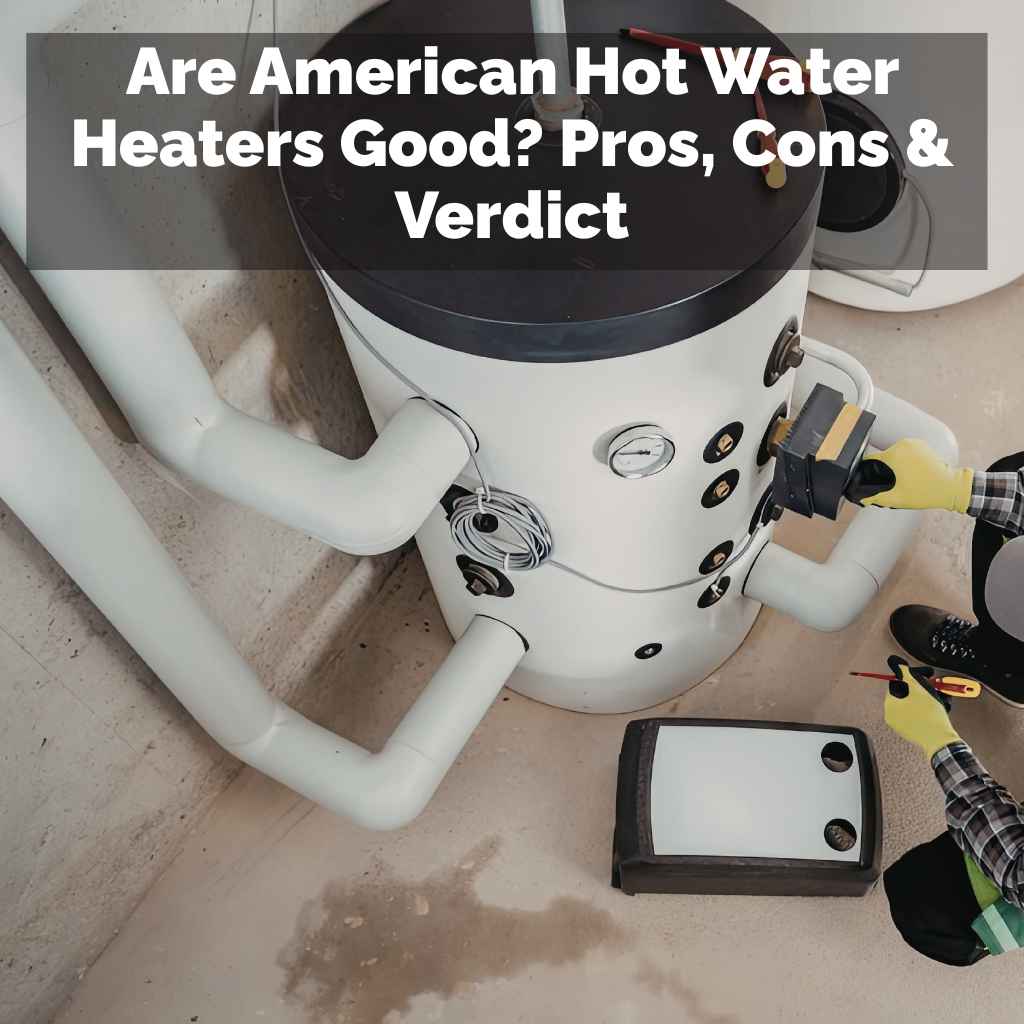
The performance of American hot water heaters varies by brand and model, with many offering reliable, efficient service. Factors like energy source, tank size, and maintenance play key roles in satisfaction. Understanding these aspects helps determine if a specific unit is “good” for your household needs.
Understanding Your Hot Water Heater: The Basics
Your hot water heater is a workhorse in your home. It quietly and consistently provides the hot water you need for so many daily tasks. From washing dishes and laundry to taking that much-needed hot shower or bath, it’s essential.
Most American homes use either an electric or a natural gas water heater. They work by heating water and storing it in a tank until you need it. When you turn on a hot water tap, the hot water flows out of the tank.
This then causes cold water to enter the tank, ready to be heated.
The main job of a water heater is simple: heat water. But how well it does this, how quickly, and how efficiently, makes all the difference. Different types exist, each with its own way of getting the job done.
Tankless water heaters, for example, heat water on demand. This means they don’t store hot water. They heat it as it flows through the unit.
This can save energy but might have a higher upfront cost.
Understanding the fundamental principles helps when you start looking at specific models or brands. It’s not just about the name on the side. It’s about the technology inside and how it’s designed to meet your household’s demands.
For instance, a larger family will need a different size and capacity than a single person living alone. The climate where you live can also play a small role, though modern heaters are built for diverse conditions.
My Own Hot Water Heater Scare
I remember one particularly chilly November morning a few years back. I was just starting my workday from home, buried in emails, when my wife yelled from upstairs. “The water is cold!” My heart sank a little.
A cold shower on a cold morning is just brutal. I quickly went up to check. The pilot light on our natural gas water heater was out.
Panic set in. It wasn’t just about a cold shower; it was about the whole system being down. I pictured a weekend without hot water, a huge repair bill, and a messy house if we had to drain the tank.
I’d never actually looked at the pilot light before. It seemed so small and insignificant. Now, it felt like the most important thing in the world.
I nervously fiddled with the knob, trying to remember the instructions from the manual I’d probably tossed somewhere. After a few tense minutes and a small puff of flame, it relit. Relief washed over me, but it also made me think.
How much did I really know about this appliance that’s so critical to my home?
That incident was a real eye-opener. It showed me that even things we take for granted can have their quirks. It also made me realize the importance of understanding what’s happening behind the scenes in our homes.
Knowing the basics can save you a lot of stress, and maybe even money, down the line. It’s a shared experience for many of us – that moment of realizing we rely on these machines more than we thought.
Hot Water Heater Basics at a Glance
What it does: Heats and stores water for home use.
Common Types:
- Tank: Heats and stores water (most common).
- Tankless: Heats water as it flows (on-demand).
Energy Sources:
- Natural Gas
- Electricity
- Propane
- Solar
Key Factors: Capacity, efficiency, brand reliability.
Pros of American Hot Water Heaters
Many American hot water heaters are built with quality and durability in mind. Brands that have been around for a long time often have a good reputation. They understand what American homes need.
This means they’ve designed heaters that can handle the demands of busy households. Think about a family of four with two teenagers. They all need hot showers, and the dishwasher needs hot water too.
A well-built heater can keep up.
One big plus is the wide availability of parts and service. If something goes wrong with a common brand, you can usually find a repair person who knows the ins and outs of it. This is true across the United States.
It makes repairs faster and often less costly than with obscure brands. This accessibility is a huge advantage for homeowners. It adds a layer of confidence that you won’t be left in the lurch.
Energy efficiency is also a significant factor. Many newer models are designed to be more energy-efficient. They use less electricity or gas to heat the same amount of water.
This is great for your wallet and for the environment. The U.S. Department of Energy (DOE) sets standards for water heater efficiency.
Manufacturers work to meet and often exceed these standards. This means you have more choices for eco-friendly options.
The variety of options is another pro. You can find water heaters suited for almost any budget and any home size. Whether you need a small unit for an apartment or a large one for a big house, there’s likely something available.
This makes it easier to find a heater that fits your specific needs without compromise. You can choose between different tank sizes, energy sources, and even advanced features.
Top Benefits of Many American Water Heaters
Reliability: Built to last and handle daily use in U.S. homes.
Availability: Easy to find parts and qualified technicians nationwide.
Energy Savings: Many models offer improved efficiency to lower utility bills.
Variety: Wide range of sizes, types, and price points available.
Innovation: Continuous development in technology for better performance.
Cons and Potential Issues of American Hot Water Heaters
While many American water heaters are good, there are certainly cons and potential issues to be aware of. One common problem is the lifespan of a standard tank water heater. Most conventional tank heaters typically last between 8 to 12 years.
After that, they can start to have problems. This might include leaks or a decrease in heating efficiency. Replacing a water heater is a significant expense.
Another con can be energy usage, especially with older models. If you have an older water heater, it might not be very energy-efficient. This means it could be costing you more on your monthly utility bills than you realize.
For electric water heaters, this can significantly impact your electricity costs. For gas units, it means higher gas bills. The U.S.
Energy Information Administration (EIA) reports that water heating is a major part of household energy consumption.
Sediment buildup is another issue that affects all tank water heaters. Over time, minerals from the water settle at the bottom of the tank. This sediment can reduce the heater’s efficiency.
It can also lead to strange noises, like popping or rumbling. In extreme cases, it can even damage the tank. Regular flushing of the tank is needed to prevent this.
Many homeowners don’t realize this maintenance is necessary.
Capacity can also be a problem. If your household’s hot water demand is high, a standard-sized tank might not be enough. This leads to situations where you run out of hot water.
This is especially common in larger families or when multiple hot water appliances are used at once. Choosing the right size is crucial, but many people might not know how to calculate their needs accurately.
Installation costs can also be a significant drawback. While the heater itself might be a certain price, professional installation can add hundreds of dollars. For gas heaters, safety regulations are strict, requiring proper venting and connections.
Electric heaters also need adequate wiring. Incorrect installation can lead to safety hazards or poor performance. It’s not always a simple DIY job.
Potential Downsides to Consider
Limited Lifespan: Tank models typically last 8-12 years.
Energy Waste: Older units can be inefficient, raising bills.
Sediment Buildup: Requires regular maintenance to avoid issues.
Capacity Limits: May not meet high hot water demands.
Installation Costs: Professional installation can be expensive.
Energy Efficiency: What to Look For
Energy efficiency is a big deal when choosing a hot water heater. It impacts your utility bills and the environment. The U.S.
Department of Energy (DOE) uses something called the Energy Factor (EF) or Uniform Energy Factor (UEF) to rate water heaters. A higher UEF means the heater is more efficient. Look for this rating on the yellow EnergyGuide label.
It’s similar to what you see on refrigerators or washing machines.
For tank water heaters, electric models tend to be less efficient than natural gas models in terms of operating costs. However, their upfront cost is often lower. Gas models, on the other hand, can be more efficient in heating water faster and at a lower operating cost, assuming natural gas is available and affordable in your area.
The actual cost difference depends heavily on local utility rates.
Tankless water heaters are generally much more energy-efficient. They only heat water when you need it. This means no energy is wasted keeping a large tank of water hot all day.
While the initial purchase price can be higher, the long-term savings on energy bills can make them a good investment. They also last longer than tank models, often 20 years or more.
Insulation plays a role too. A well-insulated tank loses less heat, meaning the heater doesn’t have to work as hard to keep the water hot. Many newer models come with better insulation.
For older tank heaters, you can sometimes add an insulating blanket to improve efficiency. This is a relatively inexpensive way to get some energy savings. Just make sure you get one designed for water heaters and follow instructions carefully.
Quick Guide to Energy Ratings
UEF (Uniform Energy Factor): Higher number = more efficient.
EnergyGuide Label: Found on new units, shows estimated yearly cost.
Tank vs. Tankless: Tankless usually more efficient but costlier upfront.
Insulation: Better insulation means less heat loss and more savings.
Popular American Hot Water Heater Brands
When you walk into a home improvement store or look online, you’ll see many brands. Some of the most popular and widely recognized brands in the U.S. include Rheem, AO Smith, Bradford White, and GE.
These companies have been making water heaters for a long time. They have a strong presence in the market and are often recommended by plumbers and contractors.
Rheem is a very well-known brand. They offer a wide range of products, from basic tank heaters to high-efficiency tankless models and heat pump water heaters. They are often praised for their innovation and reliability.
Many plumbers consider them a go-to choice for durability.
AO Smith is another major player. They also produce a vast selection of water heaters. They are known for their engineering and quality.
They offer gas, electric, and tankless options, catering to various needs. They often focus on features that improve efficiency and longevity.
Bradford White is a brand that’s particularly popular with plumbing professionals. They tend to sell through wholesale distributors rather than directly to big box stores. This can mean that when you buy a Bradford White heater, it’s often installed by a professional who sourced it from their local plumbing supply.
GE (General Electric) also offers a range of water heaters. While perhaps more known for other appliances, their water heaters are common in many American homes. They provide a solid balance of features, performance, and price.
They are a widely accessible option.
It’s important to remember that even within a single brand, there are many different models. A high-end model from Rheem might perform very differently from a budget model from the same brand. Reading reviews for specific models you are considering is always a good idea.
Also, check with local plumbers; they often have firsthand experience with which brands and models perform best in your specific region.
Key American Brands to Consider
Rheem: Wide selection, innovative, reliable.
AO Smith: Strong engineering, quality, diverse options.
Bradford White: Professional-grade, favored by plumbers.
GE: Accessible, good balance of features and price.
Real-World Context: When It’s Normal, When It’s Not
Understanding what’s normal for a hot water heater can save you a lot of worry. For example, it’s normal for a tank water heater to make some sounds. You might hear a slight rumbling or popping noise, especially when it’s heating water.
This is often due to the heating element or burner interacting with sediment at the bottom of the tank. As mentioned, regular flushing helps reduce this.
It’s also normal for a tank heater to take some time to heat a full tank of water. If you’ve used a lot of hot water, it will need time to replenish. For a typical 50-gallon tank, it might take 1-2 hours to heat the water from cold to its set temperature.
If you’re consistently running out of hot water quickly, that’s a sign it might not be normal.
Seeing a small amount of condensation on the outside of the tank is sometimes normal, especially in humid environments. However, if you see actual dripping water or a pool forming around the base of the heater, that is definitely not normal. This usually indicates a leak, either from the tank itself or from one of the connections.
Leaks can be serious and should be addressed immediately.
Unusual noises can be a sign something is wrong. While minor rumbling might be normal sediment noise, loud banging, grinding, or constant hissing sounds are cause for concern. These could indicate problems with the heating elements, the thermostat, or even the tank itself.
If you hear these sounds, it’s a good idea to have it checked by a professional.
Another sign that something isn’t normal is a change in water quality. If your hot water starts to smell like sulfur (rotten eggs) or looks discolored (rusty or cloudy), this can point to issues. Sulfur smells can sometimes be caused by bacteria in the tank reacting with the anode rod.
Discolored water often indicates corrosion or sediment problems within the tank or pipes.
Normal vs. Concerning Signs
Normal: Slight rumbling noises, slow heating after heavy use, minor condensation.
Concerning: Loud banging/grinding, constant dripping/leaks, sulfur smell, discolored water, running out of hot water too quickly.
What This Means for You: Making Informed Choices
So, are American hot water heaters good? The answer, like many things, is: it depends. Many are very good.
They are reliable, efficient, and readily available. If you have a newer model from a reputable brand and it’s been properly maintained, chances are it’s serving you well.
If you’re in the market for a new water heater, understanding your needs is the first step. Consider the size of your household. How much hot water do you use daily?
Think about your budget, both for the purchase and for ongoing energy costs. If you’re looking to save money on bills, an energy-efficient model, perhaps a tankless heater or a high-efficiency tank model, might be worth the higher upfront investment.
Don’t overlook maintenance. A little bit of regular care can go a long way. Flushing the tank annually, checking the anode rod every few years, and keeping the area around the heater clear can extend its life and keep it running efficiently.
If you’re not comfortable doing this yourself, a plumber can perform these checks during a routine service visit.
When choosing a brand, research specific models. Read reviews from other homeowners. Ask local plumbers for their recommendations.
A heater that’s great in one region might have specific considerations in another due to water quality or climate. The U.S. Consumer Product Safety Commission (CPSC) also provides safety information regarding water heaters, which is always worth reviewing.
Ultimately, a “good” hot water heater is one that reliably meets your household’s needs, operates efficiently, and lasts for its expected lifespan. By understanding the types, brands, and maintenance involved, you can make a choice that provides comfort and value for years to come.
Your Hot Water Heater Checklist
Assess Your Needs: How much hot water does your family use?
Consider Efficiency: Look at UEF ratings and energy source costs.
Set a Budget: Include purchase, installation, and long-term energy costs.
Research Brands & Models: Read reviews and ask for professional opinions.
Plan for Maintenance: Regular checks can prevent future problems.
Quick Tips for Hot Water Heater Care
Taking care of your hot water heater doesn’t have to be complicated. Simple steps can make a big difference in its performance and lifespan. First, know where your water heater is located.
Also, know where the shut-off valve for the water supply is. This is important in case of a leak or emergency.
Check the Temperature Setting: The U.S. Consumer Product Safety Commission (CPSC) recommends setting your water heater thermostat to 120°F (49°C). This helps prevent scalding injuries and saves energy.
Higher settings use more energy and increase the risk of burns. Some older thermostats might not be accurate, so a thermometer is useful.
Flush the Tank Annually: This removes sediment. Sediment can lower efficiency and damage the tank. You can often find instructions on how to do this in your owner’s manual.
If you’re unsure, a plumber can do it for you.
Inspect the Anode Rod: This rod, usually made of magnesium or aluminum, sacrifices itself to protect the tank from corrosion. It should be checked every 2-3 years. If it’s heavily corroded, it needs to be replaced.
This is a critical step for tank longevity.
Check for Leaks: Regularly look around the base of the tank and at all pipe connections. Even small drips can indicate a problem that needs attention before it becomes major.
Insulate Older Tanks: If you have an older tank water heater that feels warm to the touch, consider adding an insulating blanket. This can help reduce standby heat loss and save energy. Ensure the blanket is rated for water heaters and doesn’t block vents on gas models.
Ventilation for Gas Heaters: Make sure the area around your gas water heater is well-ventilated. Keep flammable materials away from it. Ensure the vent pipe is clear and not damaged, as this is crucial for safely removing combustion gases.
Simple Maintenance Steps
Temperature Setting: Aim for 120°F (49°C) for safety and savings.
Annual Flushing: Removes sediment, boosts efficiency.
Anode Rod Check: Protects tank from rust, check every 2-3 years.
Leak Detection: Regular visual inspection of tank and pipes.
Insulation: Can improve energy efficiency for older tanks.
Frequently Asked Questions About American Hot Water Heaters
How long should a hot water heater last in the U.S.?
Most standard tank hot water heaters in the U.S. are designed to last about 8 to 12 years. Tankless water heaters typically have a longer lifespan, often 20 years or more.
Regular maintenance can help extend the life of any water heater.
What is the most energy-efficient type of hot water heater?
Tankless (on-demand) water heaters are generally the most energy-efficient type. They only heat water as you need it, avoiding standby heat loss. Heat pump water heaters are also very efficient, using about one-third of the energy of conventional electric resistance water heaters.
Is it cheaper to heat water with gas or electricity in the U.S.?
In most parts of the United States, heating water with natural gas is cheaper than with electricity. This is because natural gas is typically less expensive per unit of energy than electricity. However, the actual cost can vary significantly based on local utility rates and the specific efficiency of the unit.
What causes a hot water heater to make noise?
Common noises like rumbling or popping in tank water heaters are often caused by sediment buildup at the bottom of the tank. As the water heats, steam bubbles form under the sediment layer. Loud banging or grinding noises could indicate more serious issues like failing heating elements or pressure problems.
When should I replace my hot water heater?
You should consider replacing your hot water heater if it is nearing the end of its expected lifespan (8-12 years for tank models), if it is leaking, if it is significantly inefficient and costing too much to run, or if it requires frequent and expensive repairs. A sudden drop in performance or reliability is also a good sign to start looking for a new one.
What is the best brand of hot water heater in the U.S.?
There isn’t one single “best” brand, as performance can vary by model and installation. However, brands like Rheem, AO Smith, and Bradford White are consistently recognized for their quality, reliability, and customer satisfaction in the U.S. market.
It’s best to research specific models and consult with local professionals.
Conclusion: Your Hot Water Heater’s Performance
Your hot water heater is a vital part of your home’s comfort. Many American-made units are built to be durable and efficient. By understanding the pros, cons, and basic maintenance, you can ensure yours is performing at its best.
Further Reading: U.S. Department of Energy water heater guide | ENERGY STAR certified water heaters
Making informed choices about energy efficiency and proper care will lead to reliable hot water and savings for years to come.