Is There Something Wrong with Portable Heaters?
Are you worried about using a portable heater in your home or office? You might be asking yourself, “Is there something wrong with portable heaters?”
For vehicle heating questions, Are There Portable Heaters For Cars? Essential Guide gives readers a related follow-up to check.
It’s a smart question. These devices promise warmth and comfort, but are they really safe and efficient? Before you plug one in, you need to know the facts—what risks they might bring, how they work, and how to use them without trouble.
Keep reading, because understanding the truth about portable heaters can save you money, keep your space cozy, and most importantly, protect you and your loved ones.
How Portable Heaters Work
Portable heaters provide a quick and easy way to warm small spaces. They work by converting energy into heat, which then spreads throughout the room. These devices are handy for extra warmth during cold days or nights. Understanding how they operate helps users choose the right type for their needs.
Types Of Portable Heaters
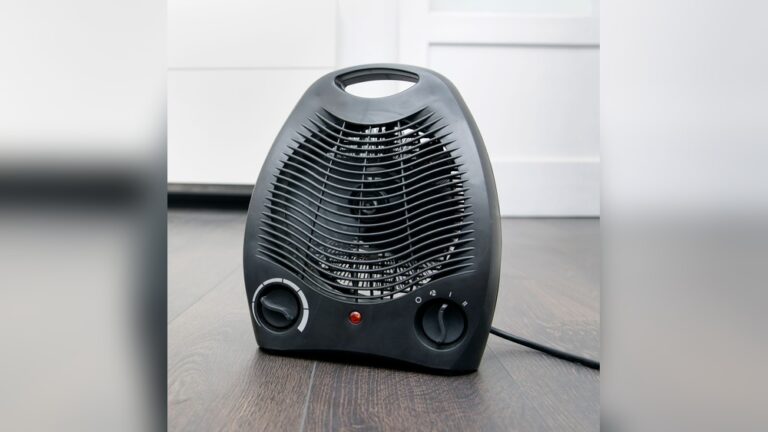
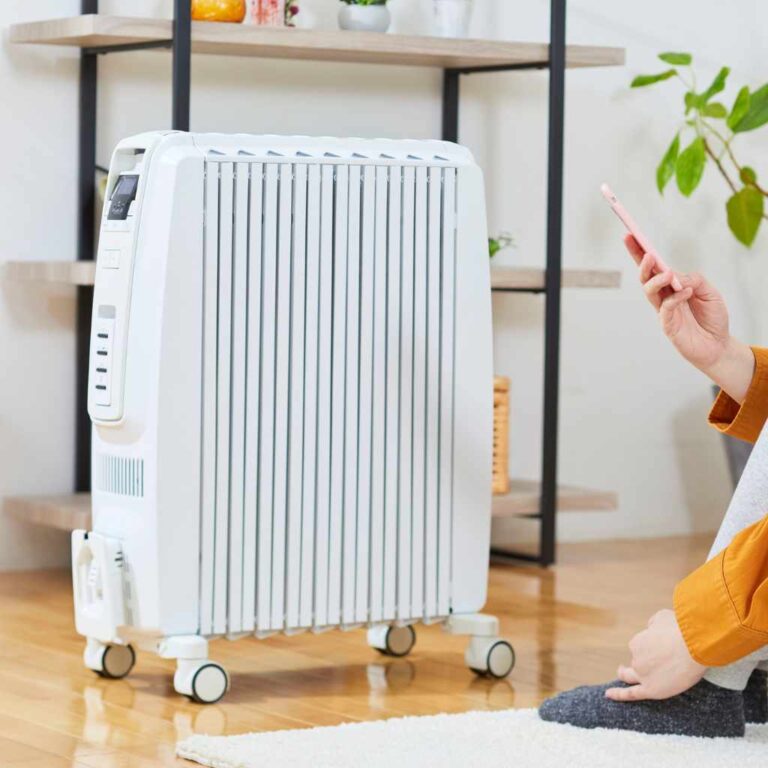
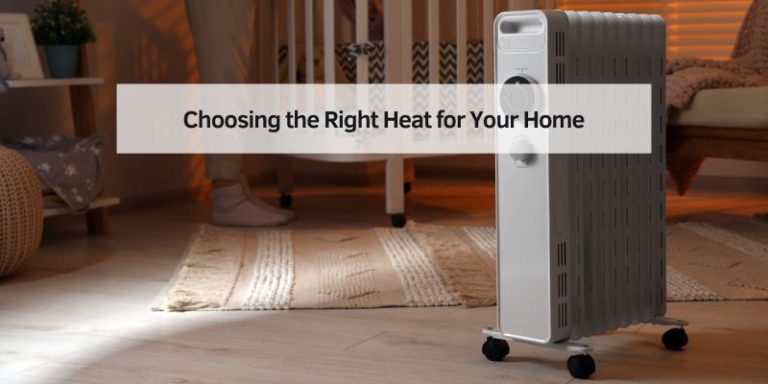
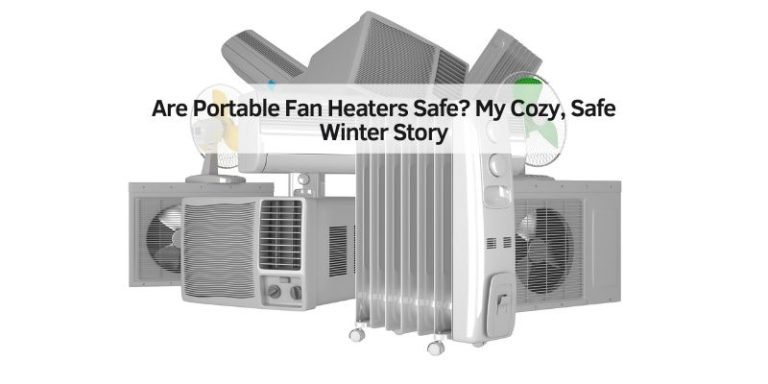
There are several types of portable heaters. The most common include fan heaters, oil-filled radiators, ceramic heaters, and infrared heaters. Each type uses a different method to produce and spread heat. Fan heaters blow warm air, while oil-filled radiators release heat slowly. Ceramic heaters use ceramic plates to warm the air, and infrared heaters send heat directly to objects and people.
Heat Generation Methods
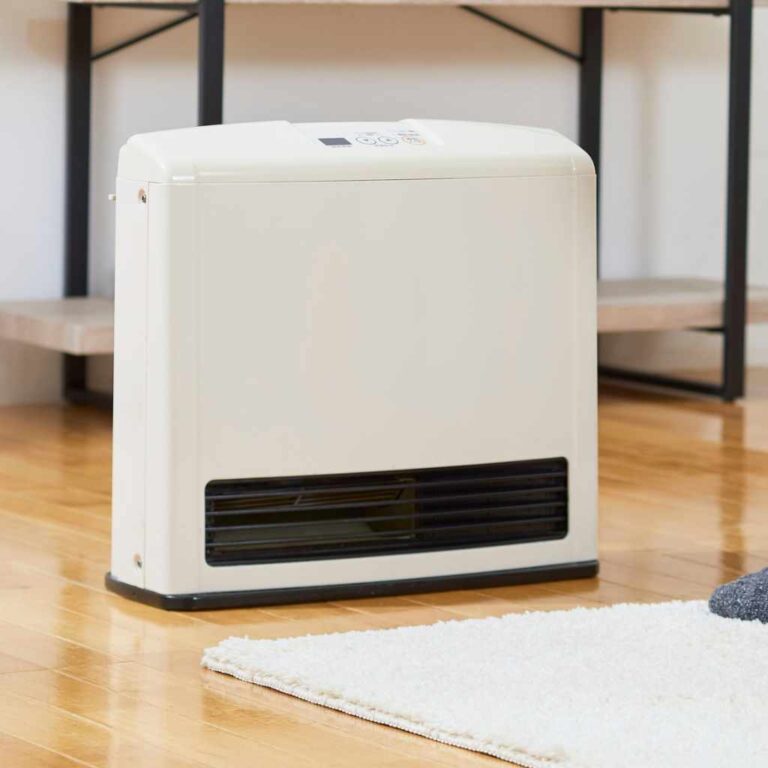
Portable heaters create heat through electric resistance or combustion. Electric heaters use wires that heat up when electricity passes through. The heat then moves into the room by air or radiation. Combustion heaters burn fuel such as propane or kerosene. This burning process produces heat that warms the surrounding area. Both methods aim to raise the temperature quickly and efficiently.
:strip_icc()/GettyImages-1390275521-17ac0280256e4687a862ba53775d9cc4.jpg)
Credit: www.bhg.com
Common Safety Concerns
Portable heaters offer quick warmth but also come with safety risks. Knowing these risks helps keep your home safe. Common safety concerns include fire hazards, electric shock, and carbon monoxide poisoning.
Fire Hazards
Portable heaters can cause fires if placed too close to flammable items. Curtains, paper, and furniture can catch fire easily. Always keep heaters at least three feet away from anything that burns. Never leave a heater unattended while it is on. Using heaters with automatic shut-off features reduces fire risks.
Electric Shock Risks
Electric heaters connect to power outlets, which can cause shocks. Damaged cords or plugs increase this danger. Avoid using heaters with frayed wires or loose plugs. Never touch a heater with wet hands. Use a grounded outlet and avoid extension cords to reduce shock risks.
Carbon Monoxide Poisoning
Some portable heaters burn fuel and produce carbon monoxide (CO). This gas is colorless, odorless, and deadly. Always use fuel-burning heaters in well-ventilated areas. Install a CO detector near the heater for safety. Never use these heaters in small, enclosed rooms without airflow.
Energy Efficiency Issues
Portable heaters can be handy for warming small spaces quickly. Yet, many people worry about their energy efficiency. These devices often use a lot of power to generate heat. This can lead to higher energy bills and waste of electricity.
Power Consumption
Portable heaters usually consume a lot of electricity. They convert electrical energy directly into heat. Most models use between 750 and 1500 watts. This high power use makes them less efficient than some other heating options.
Because they heat only small areas, you might turn them on for long periods. This constant use increases overall energy consumption. The heat they produce may not spread evenly, causing you to use more power.
Cost Of Operation
Running a portable heater can increase your electricity bill. The more you use it, the higher your monthly costs. This is especially true in colder months when heaters run longer.
Some portable heaters have energy-saving features. Still, their basic design often leads to higher operational costs. For budget-conscious users, this can be a major downside.

Credit: heathog.com
Health Impacts
Portable heaters provide quick warmth but may affect your health. Understanding these effects helps you stay safe and comfortable. Two main concerns are air quality and skin dryness.
Air Quality Effects
Portable heaters can lower air quality in small rooms. They may spread dust and allergens into the air. Some models burn fuel, releasing harmful gases. Poor air quality can cause headaches and breathing problems. Keep rooms well-ventilated to reduce these risks. Using heaters with clean heat sources is safer for health.
Dryness And Skin Irritation
Heaters often dry out the air inside your home. Dry air can make your skin itchy and flaky. It may cause chapped lips and irritated eyes. People with sensitive skin feel these effects more. Using a humidifier can add moisture back to the air. Drinking water helps keep skin hydrated too.
Maintenance And Durability
Portable heaters need regular care to work well and last longer. Without proper maintenance, they may stop working or become unsafe. Knowing how to keep them clean and check parts helps avoid common problems. Durability depends on how you treat the heater and how often you use it. Simple steps can extend the heater’s life and keep your space warm.
Lifespan Expectations
Most portable heaters last about 5 to 10 years. This depends on brand, model, and use. Frequent use can wear parts faster. Proper cleaning and storage improve lifespan. Avoid dropping or rough handling to prevent damage. Regular checks help spot issues early. Replace old heaters to stay safe and efficient.
Common Malfunctions
Heaters often face problems like broken switches or faulty thermostats. Dust buildup can block vents and reduce heat. Electrical parts may wear out or short circuit. Overheating can cause automatic shutoff. Strange noises or smells warn of issues. Fix small problems quickly to avoid bigger damage. Use a professional for repairs if unsure.
Choosing The Right Portable Heater
Picking the right portable heater matters for safety and comfort. Different heaters suit different rooms and needs. Size, power, and features all play a role. The right heater keeps you warm without wasting energy or risking harm.
Think about where you want to use the heater. Small rooms need less power than large spaces. Some heaters work better in dry areas, others handle moisture well. Consider your budget and how often you will use it. These factors help you choose the best model.
Safety Features To Look For
Safety is key for any portable heater. Look for models with automatic shut-off. This feature turns the heater off if it tips over. Overheat protection stops the heater if it gets too hot. Cool-touch surfaces prevent burns on contact. A sturdy base helps avoid accidents. These features reduce risks and keep your home safe.
Energy Ratings And Certifications
Energy ratings show how efficient a heater is. Higher ratings mean lower electricity bills. Check for certifications like ENERGY STAR. Certified heaters meet strict energy and safety standards. Using an efficient heater saves money and helps the environment. Always choose models with clear energy labels. This ensures you get good value and performance.
Tips For Safe Usage
Portable heaters provide warmth quickly and easily. Using them safely is important to prevent accidents. Follow these tips to enjoy heat without worry.
Proper Placement
Place heaters on flat, stable surfaces. Keep them away from curtains, furniture, and paper. Maintain at least three feet of space around the heater. Avoid placing heaters near water sources like sinks or bathtubs.
Regular Inspections
Check heaters before each use. Look for damaged cords or plugs. Make sure the heater is clean and dust-free. Replace or repair any broken parts immediately. Regular checks help avoid electrical problems.
Avoiding Overuse
Do not run heaters for long hours non-stop. Give the heater breaks to cool down. Turn off heaters when not in the room. Overuse can cause overheating and increase fire risk.
Credit: www.reddit.com
Frequently Asked Questions
Are Portable Heaters Safe To Use Indoors?
Portable heaters are generally safe indoors if used properly. Always follow manufacturer instructions and keep them away from flammable materials. Use heaters with safety features like tip-over and overheat protection to prevent accidents and ensure safe operation.
Do Portable Heaters Increase Electricity Bills Significantly?
Portable heaters can raise electricity bills depending on usage and wattage. Using them moderately and only in occupied rooms helps reduce costs. Energy-efficient models and proper insulation also minimize electricity consumption while maintaining comfortable warmth.
Can Portable Heaters Cause Carbon Monoxide Poisoning?
Most electric portable heaters do not produce carbon monoxide. However, fuel-based heaters like propane or kerosene can emit harmful gases if not ventilated. Always use fuel heaters in well-ventilated areas and follow safety guidelines to avoid carbon monoxide risks.
How Effective Are Portable Heaters In Large Rooms?
Portable heaters are best suited for small to medium rooms. In large spaces, they may struggle to maintain consistent warmth. For bigger areas, consider multiple units or central heating options for more efficient and even heat distribution.
Conclusion
Portable heaters can be safe and useful when used right. They need space and care to avoid dangers. Always follow the instructions and never leave them alone. Choosing the right heater for your room matters a lot. Keep children and pets away for safety.
Small steps can prevent big problems. Portable heaters offer warmth, but safety must come first. Use them wisely to stay comfortable and safe this winter.