
Yes, electric baseboard heaters can be surprisingly efficient when used correctly. Their efficiency often comes down to zone heating, smart thermostat use, and proper installation. While they might not heat an entire home as quickly as a central furnace, they excel at providing targeted warmth exactly where and when you need it, which can lead to significant energy savings.
Feeling a chill and wondering about your heating options? Many homeowners find themselves a little confused about electric baseboard heaters. You’ve probably seen them – those long, slim heaters along your walls. You might wonder, “Are they actually good at keeping my home warm without costing a fortune?” It’s a common question, and the good news is, they can be a smart and cost-effective choice for many homes. We’ll break down exactly how they work, what makes them efficient, and how you can make them save you money. Let’s get your home cozy and your energy bills down!
Understanding Electric Baseboard Heaters: The Basics
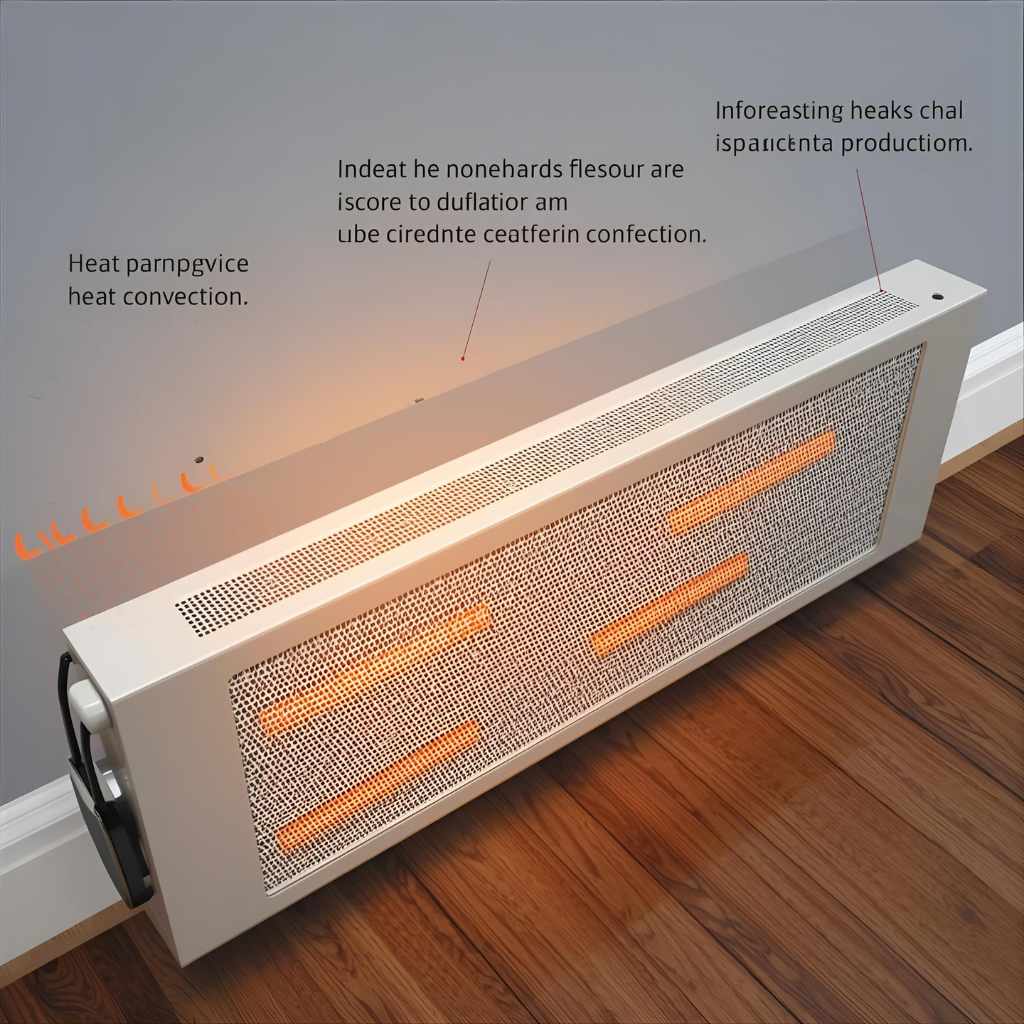
Electric baseboard heaters are a popular choice for supplemental or primary heating in many homes. They work by drawing in cool air from your room, heating it using electrical elements, and then releasing the warm air back into the room through convection. This process creates a gentle, consistent flow of warmth.
Unlike forced-air systems that heat the air and blow it through ducts, baseboard heaters heat the air directly in the space they are installed. This means the heat stays localized, which can be a big advantage. Installation is generally straightforward, often requiring just a connection to your home’s electrical system and mounting to the wall along the baseboard.
The primary components of a baseboard heater are:
- Heating Element: This is the part that gets hot when electricity flows through it, usually a metal tube containing a resistance wire.
- Convection Fins: These metal fins surround the heating element, increasing the surface area to help transfer heat to the air more efficiently.
- Thermostat: Each baseboard heater typically has its own built-in thermostat, or it can be controlled by a central thermostat. This is key to regulating the room temperature and controlling energy use.
- Casing: A metal housing that surrounds the internal components, protecting them and directing the flow of warm air.
Because they heat air directly and lack ducts that can leak heated air, their energy transfer process is quite direct. The biggest factor in their efficiency isn’t how much energy they use, but how effectively that energy is used to heat the occupied space.
Are Baseboard Electric Heaters Efficient?
When we talk about heating efficiency, it’s important to understand what that means specifically for electric baseboard heaters. The efficiency of any electric resistance heater, including baseboards, is theoretically 100%. Every kilowatt-hour (kWh) of electricity consumed is converted directly into heat. This is a fundamental characteristic of electric resistance heating.
However, 100% conversion doesn’t automatically mean they are the most cost-effective or energy-wise heating solution for your entire home. The real trick to their efficiency lies in:
- Zone Heating: They are excellent for heating specific rooms or zones rather than an entire house at once. If you only use certain rooms during the day, you can heat just those areas, saving energy compared to heating an unoccupied space.
- Precise Temperature Control: Individual thermostats for each unit or a smart zoning system allow you to set exact temperatures for each room. This prevents overheating and wasted energy.
- No Heat Loss Through Ducts: Central heating systems lose a significant amount of heat through leaky or uninsulated ducts, especially if they run through unheated spaces like attics or crawl spaces. Baseboard heaters have no such losses.
- Occupancy Use: If you are heating a space that is only occupied intermittently, like a guest room or a home office that isn’t used all day, baseboard heaters can be very efficient because you can turn them off or set them to a lower temperature when not in use.
The U.S. Department of Energy notes that “Electric resistance heating is 100% efficient in converting electricity into heat but is often more expensive to operate than other types of heating.” This highlights that while the technology itself is efficient, the cost of electricity is a major factor in overall operational expense.
Proven Savings: How Baseboard Heaters Can Cut Costs
The key to achieving savings with electric baseboard heaters is smart usage. When implemented thoughtfully, they can genuinely reduce your heating bills. Here’s how:
1. Targeted Heating Saves Energy
Imagine you’re only spending time in your living room and bedroom. Instead of running a central heating system that warms every nook and cranny of your house, you can use baseboard heaters to provide comfort only in the rooms you’re actually using. This targeted approach prevents needlessly heating empty spaces.
Example: If you only need to heat the living room and bedroom to a comfortable 70°F (21°C) while setting unused rooms to 55°F (13°C), you’re only expending significant energy on the spaces you occupy. This direct application of heat where needed is a major efficiency driver that reduces overall energy consumption.
2. Smart Thermostats and Zoning
Modern thermostats offer a world of control. Programmable and smart thermostats allow you to set schedules, automatically lowering the temperature when you’re asleep or away. For baseboard heaters, this can mean setting back the temperature by 7-10°F (about 4-6°C) for 8 hours a day, which can reduce your heating bill by up to 10% annually, according to the Energy Savers website from the Department of Energy.
Furthermore, using thermostats that control individual zones (either built into the heater or as separate units for groups of heaters) is far more efficient than a single thermostat trying to manage the entire home’s temperature. Advanced systems can even learn your habits and optimize heating patterns.
3. Lower Initial Installation Costs (for some scenarios)
While not directly an operational saving, the initial investment for installing electric baseboard heaters can sometimes be lower than installing a full central heating system, especially in older homes or additions where running ductwork or gas lines is difficult or expensive. If you’re adding heat to a specific room or a small dwelling, baseboard heaters can be a more budget-friendly upfront option.
4. Reduced Heat Loss
Forced-air systems rely on ducts. Over time, ducts can develop leaks, allowing conditioned air to escape into unheated areas like attics or crawl spaces. The U.S. Environmental Protection Agency (ENERGY STAR) estimates that the average home can lose 20 to 30 percent of the air distributed by their ductwork due to leaks, holes, and poor insulation.
Baseboard heaters, by contrast, deliver heat directly into the room without relying on ducts. This means virtually no heat is lost in delivery, making the system inherently more efficient in how it uses the energy it consumes.
5. Preventing Overheating
With individual room controls, you can set the precise temperature you want for each space. This prevents the common issue of central systems overheating a room to satisfy a thermostat in a cooler part of the house, leading to discomfort and wasted energy.
When Baseboard Heaters Make the Most Sense
To maximize efficiency and savings, it’s helpful to understand the ideal scenarios for using electric baseboard heaters:
- Supplemental Heating: They are excellent for rooms that tend to be cooler than the rest of the house, like basements, sunrooms, or garages that are occasionally used.
- Zoned Heating in Smaller Homes/Apartments: In smaller, well-insulated dwellings, baseboard heaters can provide primary heating by heating only the occupied zones effectively.
- Heating Additions or Renovated Spaces: If you’ve added a room or converted a space (like an attic or basement) and extending your central heating is costly, baseboard heaters are a practical solution.
- Mild Climates: In regions with less extreme winters, where heating needs are moderate, baseboard heaters can be a primary heat source without excessive energy bills.
- Cost-Conscious Central Heating Replacement: If your existing central heating fails and replacement is prohibitively expensive, a well-planned system of baseboard heaters can be a more affordable alternative, especially if coupled with good insulation.
Comparing Baseboard Heater Efficiency to Other Systems
It’s useful to see how baseboard heaters stack up against other common heating methods. Remember, “efficiency” can refer to energy conversion, cost-effectiveness, or overall building energy use.
Electric Baseboard Heaters vs. Central Furnaces (Gas, Oil, Propane)
- Energy Conversion: Baseboard heaters are 100% efficient at converting electricity to heat. Natural gas furnaces typically operate at 80-98% AFUE (Annual Fuel Utilization Efficiency), meaning 2-20% of the fuel’s energy is lost up the chimney.
- Operating Cost: This is where baseboard heaters often lose out. Electricity is generally more expensive per unit of heat than natural gas. The cost of heating a whole home with electricity can be higher than with gas, propane, or oil, especially in colder climates. However, if you only heat occupied zones, the cost savings of baseboard heaters can become significant.
- Installation Cost: Baseboard heaters are often cheaper to install, especially for additions or retrofits. Central furnaces require ductwork, vents, and often a gas line, which can be a substantial upfront expense.
- Heat Delivery: Baseboard heaters provide localized, radiant, and convective heat, leading to comfortable, even temperatures within a room. Furnaces use forced air, which can sometimes lead to drafts and uneven temperatures.
Electric Baseboard Heaters vs. Heat Pumps
- Energy Efficiency: Heat pumps are generally much more energy-efficient than electric resistance heating because they move heat rather than generating it. They achieve efficiencies of 200% to 400% (measured by HSPF – Heating Seasonal Performance Factor) or more, meaning they can deliver 2 to 4 units of heat for every unit of electricity consumed.
- Operating Cost: Due to their higher efficiency, heat pumps typically have lower operating costs than electric baseboards, especially in moderate climates. However, their efficiency drops significantly in very cold temperatures, often requiring backup resistance heating (like electric coils or baseboards).
- Installation Cost: Heat pumps have a higher upfront installation cost than electric baseboard heaters.
- Fuel Dependence: Baseboard heaters rely solely on electricity. Heat pumps also rely on electricity but are more efficient in their use of it.
Electric Baseboard Heaters vs. Other Electric Resistance Heaters (e.g., Space Heaters, Wall Heaters)
- Efficiency: All electric resistance heaters convert electricity to heat at nearly 100% efficiency. The difference lies in how they distribute that heat and their intended use.
- Design & Usage: Baseboard heaters are designed for continuous operation along a wall, providing steady room heating. Portable space heaters are for temporary, localized heating. Wall heaters are often installed in bathrooms or small spaces.
- Cost-Effectiveness: For heating a specific room consistently, baseboard heaters are often more cost-effective in the long run than constantly plugging in and moving portable units.
Table: Efficiency Comparison Summary
Here’s a quick look at how they generally compare in operational efficiency and typical cost (this can vary greatly by local energy prices and climate):
| Heating System | Energy Conversion Efficiency | Typical Operating Cost (per unit of heat) | Zone Heating Capability | Installation Cost |
|---|---|---|---|---|
| Electric Baseboard Heaters | ~100% | Higher (Electricity cost) | Excellent | Low to Moderate |
| Central Furnaces (Gas) | 80-98% AFUE | Lower (Natural Gas cost) | Good (if zoned) | Moderate to High |
| Heat Pumps | 200-400+% (varies by temp) | Low to Moderate (Electricity cost) | Excellent | High |
| Portable Electric Heaters | ~100% | Higher (Electricity cost, for continuous use) | Excellent (localized) | Very Low |
Maximizing the Efficiency of Your Baseboard Heaters
To truly get the most out of your electric baseboard heaters and ensure you’re seeing those proven savings, follow these tips:
- Seal Air Leaks: This is arguably the most crucial step for any heating system. Check for drafts around windows, doors, electrical outlets, and where pipes or wires enter your home. Seal them with caulk or weatherstripping. The Department of Energy’s Weatherizing Your Home guide offers excellent resources.
- Improve Insulation: Good insulation in walls, attics, and crawl spaces acts like a blanket for your home, keeping heat in during the winter and out in the summer. This significantly reduces the workload on your heating system, regardless of type.
- Use Thermostats Wisely:
- Programmable/Smart Thermostats: Set back the temperature by 7-10°F (4-6°C) when you’re asleep or away.
- Lower Them in Unused Rooms: Keep thermostats in guest rooms, storage areas, or seldom-used spaces set to a much lower temperature (e.g., 55°F / 13°C).
- Avoid Overheating: Set your thermostat to the lowest comfortable temperature. Every degree you raise it can significantly increase energy use.
- Regular Maintenance: Keep the fins of your baseboard heaters clean. Dust and debris can accumulate, hindering heat output and reducing efficiency. Gently vacuum them periodically.
- Furniture Placement: Do not block baseboard heaters with furniture, curtains, or rugs. This obstructs airflow and prevents the warm air from circulating effectively, making the heater work harder.
- Combine with Other Systems: In colder climates, consider using baseboard heaters for precise zone control in specific rooms while using a more efficient system (like a heat pump or even a small central furnace) for whole-house heating, relying on baseboards for the “boost” where needed.
- Consider a Central Thermostat System: While individual thermostats are good, a central control system can offer more sophisticated scheduling and zone management, optimizing energy usage across multiple heaters.

Frequently Asked Questions (FAQs)
Q1: Are electric baseboard heaters expensive to run?
They can be expensive to run if used to heat an entire home in a cold climate and if electricity rates are high. However, they are very cost-effective when used for zone heating – only heating the rooms you are currently using. Their 100% conversion efficiency means no energy is wasted in distribution, but the cost of electricity itself is the primary factor in their operational expense.
Q2: How much electricity does a baseboard heater use?
The amount of electricity a baseboard heater uses depends on its wattage. A typical heater might range from 500 watts (0.5 kW) to 2500 watts (2.5 kW). The longer it runs and the higher its wattage, the more electricity it consumes. You can calculate usage by multiplying the heater’s wattage (in kilowatts) by the hours it runs. For example, a 1500-watt (1.5 kW) heater running for 4 hours uses 6 kWh of electricity (1.5 kW 4 hours).
Q3: How can I make my electric baseboard heaters more efficient?
The best ways are to use them for zone heating, pair them with programmable or smart thermostats to automatically lower temperatures when you don’t need heat, ensure your home is well-insulated and air-sealed, and keep furniture from blocking them so they can circulate heat effectively.
Q4: Are newer baseboard heaters more efficient than older ones?
The fundamental efficiency of converting electricity to heat (around 100%) hasn’t changed for electric resistance units. However, newer models often come with improved thermostat controls, better airflow design, and more durable heating elements, which can indirectly lead to more consistent and efficient heating performance. The biggest gains in efficiency with baseboard heaters come from how they are used* rather than just the model being new.