Electric Baseboard Heaters Vs Forced Air: Essential Guide
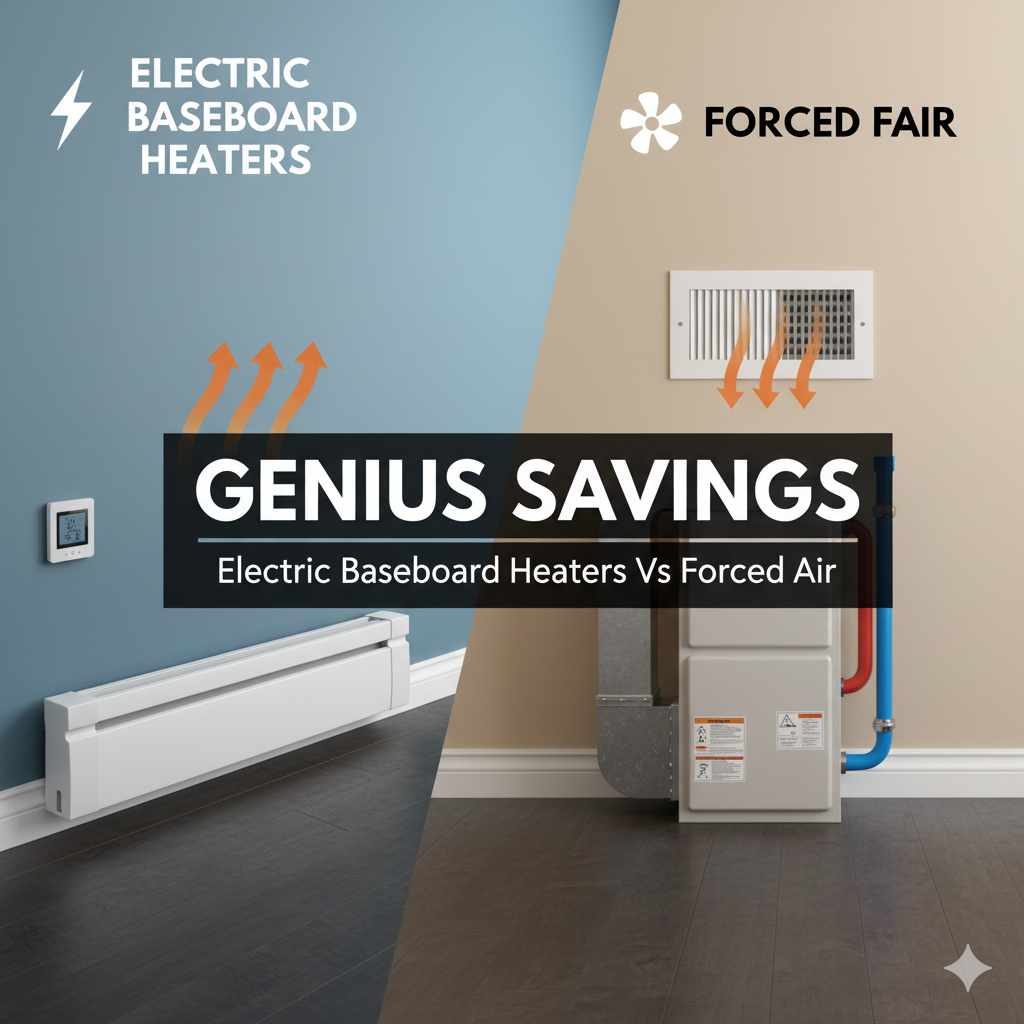
Deciding between electric baseboard heaters and forced air systems? Electric baseboard heaters offer zone control and quiet operation, ideal for specific areas. Forced air systems provide whole-home heating quickly but can be noisy and less energy-efficient for single-room needs. Your choice depends on your home size, budget, and comfort preferences.
For a related heater topic, Are Electric Heaters Bad for Asthma? Essential Guide gives readers a useful next step.
For portable-heater comparisons, Electric Baseboard Heater Vs Space Heater: Essential Showdown gives readers another helpful angle before buying or using one.
For a related heater topic, What Heating Type Is Forced Air? Essential gives readers a useful next step.
Choosing the right heating system for your home can feel like a big decision. You want warmth, comfort, and efficiency without breaking the bank. Two popular options that often come up are electric baseboard heaters and forced air systems. They both keep you cozy, but they do it in very different ways! Don’t worry if it seems a bit confusing; I’m here to help you understand each one clearly. We’ll walk through what makes them tick, their pros and cons, and how to decide which is the best fit for your home and your needs. Let’s make staying warm simple and stress-free!
Electric Baseboard Heaters Vs Forced Air: Understanding Your Options
When you’re thinking about heating your home, you’re probably focused on one thing: staying warm and comfortable. But how you get that warmth matters a lot! Electric baseboard heaters and forced air systems are two very common ways to achieve that cozy feeling. They work differently, have different advantages, and might be better suited for different situations. Let’s explore these two heating heroes so you can make an informed choice for your home.
What Are Electric Baseboard Heaters?
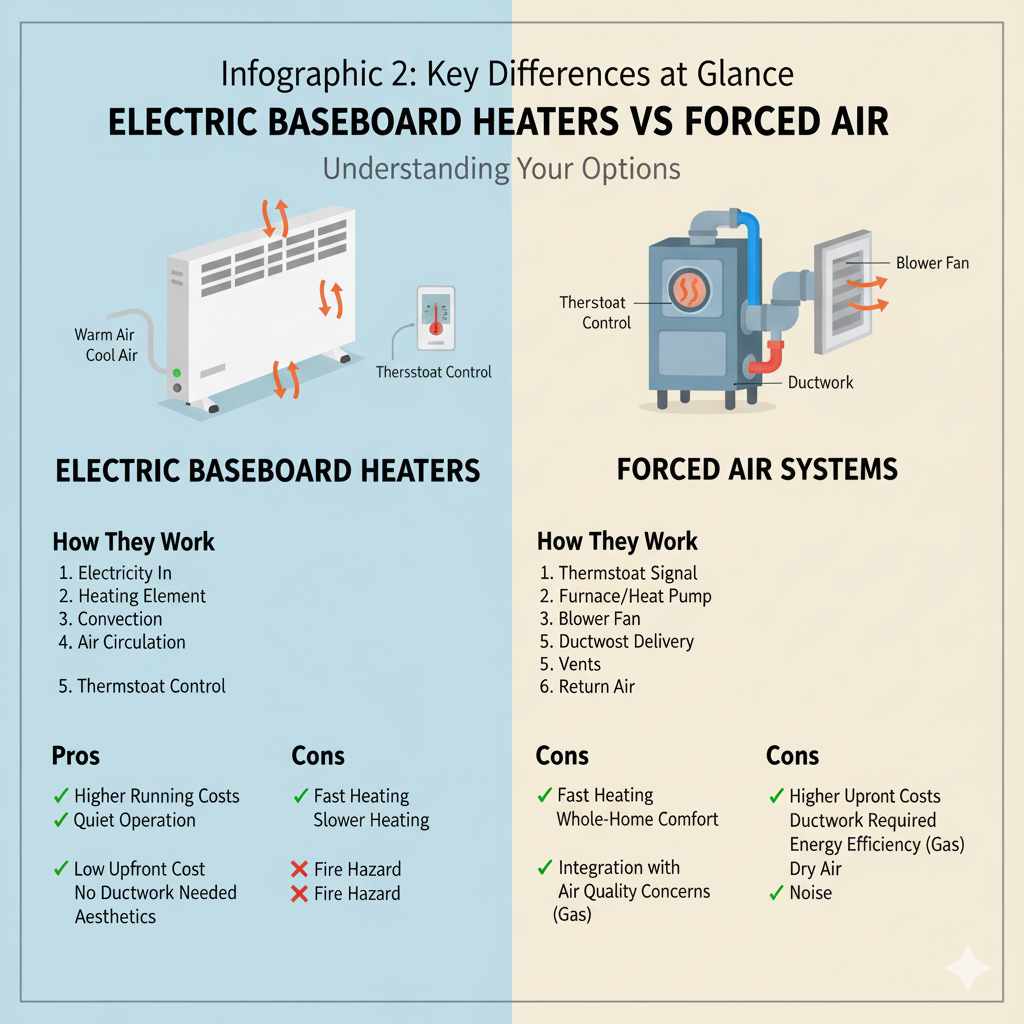
Electric baseboard heaters are long, slender units that typically mount along the bottom of your walls, just like a radiator. They are installed permanently and heat a specific room or zone. When electricity flows through the heating elements inside the unit, it warms up. This warmth then rises, creating a natural convection current that circulates heated air into the room. Many models have built-in thermostats, allowing you to set a specific temperature for each individual heater.
How They Work:
- Electricity In: Power flows through wires to the heater.
- Heating Element: Inside, a metal coil or element heats up significantly.
- Convection: As the element heats the air around it, this warm air naturally rises.
- Air Circulation: Cooler air is drawn into the baseboard to be heated, creating a continuous flow.
- Thermostat Control: A built-in thermostat monitors the room temperature and cycles the heater on or off to maintain your desired setting.
Pros of Electric Baseboard Heaters:
- Zone Heating: You can heat only the rooms you’re using, which can save energy.
- Quiet Operation: They are virtually silent, making them great for bedrooms and quiet living spaces.
- Individual Control: Each heater can often be controlled independently, allowing for personalized comfort in different rooms.
- Relatively Simple Installation: Compared to central systems, installation can be less invasive, especially in existing homes.
- Low Upfront Cost: The initial purchase price for baseboard heaters themselves is often lower than a full forced air system.
- No Ductwork Needed: This is a huge advantage if your home doesn’t have existing ductwork or if you’re adding heat to a specific area.
Cons of Electric Baseboard Heaters:
- Higher Running Costs: Electricity can be more expensive than natural gas for heating, leading to higher utility bills, especially in very cold climates or with inefficient models.
- Slower Heating: They heat a room more gradually than forced air systems.
- Can Be a Fire Hazard: It’s crucial to keep flammable materials away from them.
- Aesthetics: Some people find their appearance less appealing, and furniture can’t be placed directly in front of them, limiting layout options.
- Not Ideal for Large Homes: Heating an entire large home solely with baseboard heaters can be less efficient and costly than a central system.
What Are Forced Air Systems?
Forced air systems are the most common type of heating in many homes. They consist of a central furnace or heat pump that heats air. This heated air is then distributed throughout your home via a network of ducts and vents by a fan (blower). A thermostat, typically located in a main living area, controls the entire system. When the thermostat calls for heat, the furnace turns on, heats the air, and the fan pushes it through the ducts to the rooms.
How They Work:
- Thermostat Signal: You set your desired temperature on a central thermostat.
- Furnace/heat pump: When the temperature drops, the furnace (or heat pump) ignites and heats the air.
- Blower Fan: A powerful fan draws the heated air from the furnace.
- Ductwork Delivery: The fan pushes this warm air through a system of ducts hidden in walls, ceilings, or floors.
- Vents: The warm air is released into your rooms through registers or vents.
- Return Air: Cooler air from the rooms is drawn back into the system through return vents to be reheated.
Pros of Forced Air Systems:
- Fast Heating: They can quickly raise the temperature in your home.
- Whole-Home Comfort: They are designed to heat an entire house evenly from a central location.
- Integration with Other Systems: They are often integrated with air conditioning and air filtration/purification systems, providing year-round comfort and improved indoor air quality.
- Energy Efficiency (with Gas Furnaces): Natural gas furnaces are generally more cost-effective to run than electric resistance heating.
- Quiet Operation (Modern Systems): Newer, well-maintained forced air systems can be quite quiet, though the fan and air movement can be noticeable.
Cons of Forced Air Systems:
- Higher Upfront Costs: The initial installation of a furnace, ductwork, and associated equipment is significantly more expensive than installing electric baseboard heaters.
- Ductwork Required: Installation requires extensive ductwork, which can be difficult and costly in older homes without it. Leaky ducts can waste a lot of energy. According to Energy.gov, up to 30% of conditioned air can be lost through leaks in a home’s duct system.
- Air Quality Concerns: Ducts can accumulate dust, allergens, and mold, which are then distributed throughout the home if not cleaned regularly.
- Dry Air: Forced air systems can sometimes dry out the air, especially in winter, potentially leading to discomfort or static electricity.
- Noise: The blower fan and rushing air through ducts can create noise.
- Less Zoned Control: While smart thermostats offer improvements, traditional systems heat the whole house, potentially wasting energy in unused areas.
Electric Baseboard Heaters Vs Forced Air: A Direct Comparison
To help you see the differences clearly, let’s put electric baseboard heaters and forced air systems side-by-side. Think about what matters most to you: initial cost, running expenses, comfort, speed, or convenience.
Installation and Initial Cost
When we talk about installation, there’s a big difference. Electric baseboard heaters are generally much simpler to install, especially if you’re adding heat to a specific room or a smaller space. You usually just need a dedicated electrical circuit. Forced air systems, on the other hand, require a central furnace or heat pump, a complex network of ductwork, vents, and a thermostat. This makes the upfront cost for a forced air system much higher. For new installations or major upgrades, a forced air system can cost anywhere from $4,000 to $10,000 or more, depending on the size of your home and the system’s efficiency. Electric baseboard heaters, on the other hand, might cost a few hundred dollars to a couple of thousand dollars for the units themselves, plus electrical work, which is typically less involved.
Operating Costs
This is a crucial point for many homeowners. Heating with electricity, especially resistance heating like in baseboard heaters, is usually more expensive per British Thermal Unit (BTU) than heating with natural gas, which powers most furnaces. While electricity prices vary, and natural gas isn’t available everywhere, in most regions, a natural gas furnace will have lower monthly running costs than an electric baseboard system for heating an entire home. Heat pumps can offer more efficient electric heating, but their effectiveness can decrease in very cold temperatures.
Comfort and Heating Style
Comfort is king! Electric baseboard heaters provide a gentle, radiant heat. Heat rises from the bottom of the room and slowly warms it up. This can feel very comfortable and is less likely to create drafty sensations. Because each unit can be controlled independently, you can set different temperatures in different rooms – perfect for keeping a nursery warmer or a seldom-used guest room cooler. Forced air systems deliver heat quickly and evenly throughout the house. They heat the air centrally and blow it out, which can be very satisfying on a freezing day. However, the air can sometimes feel dry, and the fan noise can be noticeable.
Energy Efficiency
When it comes to purely heating a room, electric baseboard heaters are about 100% efficient at the point of use because all the electricity they consume is converted directly into heat within the room. However, this doesn’t account for the cost of generating and transmitting that electricity, and the overall cost of electricity can make them less “cost-efficient” for whole-home heating. Forced air systems vary greatly in efficiency depending on the furnace or heat pump model. A new, high-efficiency furnace can be very cost-effective, especially if fueled by natural gas. The biggest efficiency loss in forced air systems often comes from leaky ductwork, as mentioned by the EPA, which recommends checking for leaks as a key energy-saving measure.
Maintenance
Both systems require some level of maintenance to run efficiently and safely. Electric baseboard heaters are quite low maintenance. You’ll want to periodically dust them to ensure good airflow and check the wiring periodically. Thermostats might need checking or replacement over time. Forced air systems require more regular maintenance. The furnace needs annual check-ups by a professional, air filters need to be changed regularly (often monthly), and the ductwork should be cleaned periodically to remove dust and debris.
Ideal Use Cases
Given their strengths and weaknesses, here’s where each system typically shines:
When Electric Baseboard Heaters Are Great:
- Supplementing Heat: Adding warmth to a room with inadequate existing heat, like a sunroom or a basement that’s always chilly.
- Zoned Heating: Heating only specific rooms that are frequently used, especially in larger homes where heating unused areas is wasteful.
- Rentals: Often a good option for rental properties as they are less invasive to install and can heat individual rooms for tenants.
- Off-Grid or Areas Without Gas: If natural gas isn’t available, and you want a simpler electric solution for individual rooms.
- Garages or Workshops: Providing targeted heat to a specific workspace.
When Forced Air Systems Are Great:
- Whole-Home Heating: The standard choice for efficiently heating an entire house.
- Homes with Existing Ductwork: If your home already has ducts installed, it’s usually the most cost-effective central system.
- Integrated Comfort: When you want a single system for heating, cooling, and air filtration.
- Quick Heating Needs: If you value getting your whole house warm quickly on cold days.
- Areas with More Affordable Natural Gas: In regions where natural gas is inexpensive, it’s often the most economical choice for widespread heating.
Key Differences at a Glance: Electric Baseboard vs. Forced Air
Let’s sum up the main distinctions in a handy table:
| Feature | Electric Baseboard Heaters | Forced Air Systems |
|---|---|---|
| Heating Type | Electric resistance, convection, and radiant | Central furnace/heat pump, forced convection |
| Installation Complexity | Lower (per unit) | Higher (system-wide) |
| Initial Cost | Lower | Much Higher |
| Operating Cost | Generally Higher (electricity) | Generally Lower (natural gas) or Moderate (heat pump) |
| Heating Speed | Slower (per room) | Faster (whole house) |
| Zoning Capability | Excellent (individual room control) | Limited (can be enhanced with smart thermostats/dampers) |
| Noise Level | Very Quiet | Can be noticeable (fan/air noise) |
| Air Quality Impact | Minimal direct impact | Can dry air; requires air filter maintenance, potential for dust/allergen circulation if ducts are dirty |
| Ductwork Required | No | Yes |
| Maintenance | Low | Moderate to High (annual furnace service, filter changes) |
| Best For | Zoning, supplemental heat, specific rooms, rentals, areas without gas | Whole-home heating, integrating A/C and air quality, quick heat |

Making the Right Choice for Your Home
So, which system is right for you? It truly depends on your specific circumstances, priorities, and your home. Ask yourself these questions:
- What is your budget for installation? If upfront cost is a major hurdle, electric baseboards are usually the winner.
- What is available in your area? Do you have natural gas lines? Is your electricity rate very high or low?
- How large is the space you need to heat? For a small apartment or a single room addition, baseboards might be perfect. For a multi-story house, a central system is often more practical.
- How important is individual room control? If you like to keep different rooms at different temperatures, baseboards excel.
- How fast do you need heat? If you want to warm up quickly, forced air is the way to go.
- Do you already have ductwork? If so, a forced air system might be a less disruptive upgrade.
- Are air quality and humidity concerns for you? Forced air systems can impact air quality if not maintained, but also offer integration with humidifiers and air purifiers.
For example, if you live in an older home where installing ductwork would be a nightmare and very expensive, and you only need to heat your living room and bedroom effectively, adding a couple of electric baseboard heaters might be a much more practical and affordable solution than a full forced air system. On the other hand, if you’re building a new home or renovating completely, and you want seamless heating, cooling, and excellent air filtration throughout, a well-designed forced air system would likely be the better investment.
Safety First: Important Considerations
No matter which system you choose, safety is paramount. Always follow manufacturer instructions and local building codes. For electric baseboard heaters, remember:
- Never cover the heaters with furniture, rugs, or drapes, as this can be a fire hazard.
- Keep children and pets away from them, as the surfaces can get hot.
- Ensure they are installed on a dedicated circuit by a qualified electrician.
For forced air systems, regular maintenance is key. A well-maintained furnace is a safe furnace. Ensure your system is inspected annually. Check and replace your air filters regularly to maintain airflow and prevent strain on the system. If you ever smell gas or notice unusual noises, turn off the system and call a professional immediately.
The U.S. Department of Energy offers excellent resources on home heating and cooling systems, including safety tips and energy-saving advice. Familiarizing yourself with their guidance can lead to a warmer, safer, and more efficient home. You can find more information on their Energy Saver website.
Frequently Asked Questions (FAQ)
Q1: Are electric baseboard heaters expensive to run?
A1: They can be, yes. While they are about 100% efficient at turning electricity into heat, electricity is often a more expensive energy source per unit of heat than natural gas. Running them consistently in a large home, especially in very cold climates, can lead to high utility bills.