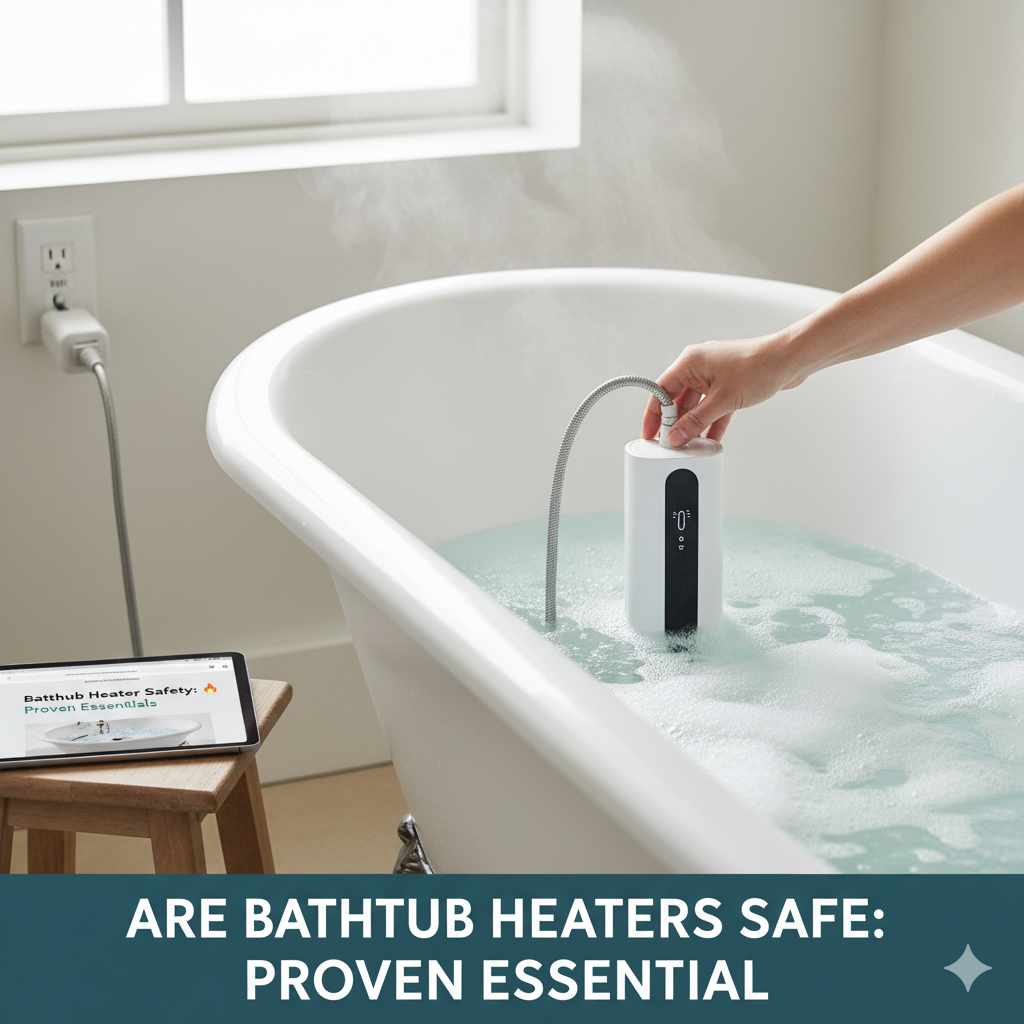
Are Bathtub Heaters Safe: Proven Essential
Yes, bathtub heaters can be very safe when chosen and used correctly. Modern bathtub heaters are designed with multiple safety features to prevent overheating and electrical hazards. Following manufacturer guidelines and ensuring proper installation are key to their safe operation.
Is there anything quite as delightful as a warm, comforting bath after a long day? But sometimes, you step in, and the water isn’t quite as toasty as you’d hoped. You might be thinking about a bathtub heater to solve this, but safety is on your mind. It’s a common question, and it’s completely natural to wonder how these devices work and if they’re reliable. The good news is that with a little knowledge, you can confidently choose and use a bathtub heater that’s both effective and safe. Let’s explore how these heaters work and what makes them a proven essential for many homes seeking ultimate relaxation.
Understanding Bathtub Heaters: What They Are and How They Work
When we talk about “bathtub heaters,” we’re generally referring to devices that circulate water from your bathtub and heat it up before returning it to the tub. These aren’t typically units that sit directly in the water like a portable immersion heater (which are generally not recommended for safety reasons). Instead, modern bathtub heating systems are often integrated into the bathtub itself or are part of a larger plumbing setup that can heat bathwater on demand. Think of them as specialized water heaters designed for the specific task of ensuring your bath remains at the perfect temperature from start to finish.
Types of Bathtub Heating Solutions
There are a few ways to achieve a heated bathtub experience, each with its own approach to safety and efficiency.
1. In-Line Bathtub Heaters (Circulating Heaters)
These are the most common and safest type of dedicated bathtub heater. They are installed as part of the bathtub’s plumbing system. Here’s how they typically work:
- Circulation Pump: A small pump draws water from the bathtub at one end (often through an overflow drain fitting).
- Heating Element: The drawn water passes through a heating element, which quickly raises its temperature.
- Return Jets: The now-heated water is returned to the bathtub through jets, usually located near the bottom of the tub.
- Thermostat Control: A thermostat lets you set your desired water temperature. The system runs only when needed to maintain that temperature.
These systems are usually professionally installed and are a part of the bathtub unit itself, especially in jacuzzi or whirlpool tubs. Because the heating element is not submerged directly in water and is part of a closed, controlled system, they are designed with safety as a top priority.
2. On-Demand (Tankless) Water Heaters for Bathrooms
While not exclusively for bathtubs, a dedicated tankless water heater for your bathroom can significantly improve your bath experience. These units heat water as it flows through them, meaning you never run out of hot water. If your bathtub’s fill rate is high, having a robust tankless heater connected to that faucet ensures the water entering the tub is always at the right temperature.
- How they work: When you turn on the hot water, cold water passes through a powerful heating element (either electric or gas), warming it instantly.
- Pros: Endless hot water, energy-efficient as they only heat water when needed.
- Cons: Higher upfront cost, require professional installation, and need adequate electrical or gas supply.
The safety of these systems relies on adherence to strict installation codes and regular maintenance, just like any major appliance.
3. Older or Less Common Methods (Use with Caution)
You might encounter or consider other methods, but it’s crucial to be aware of their safety limitations:
- Portable Immersion Heaters: These are devices that you place directly into the water. While they exist, they are generally not recommended for safety reasons. Submerging electrical components directly in bathwater poses a significant risk of electric shock if the unit malfunctions or the cord/plug is damaged.
- Electric Immersion Heaters for Pools/Hot Tubs: These are designed for much larger volumes of water and different safety standards. They are NOT suitable for bathtubs due to the risk of scalding, electric shock, and improper sizing.
For a bathtub, the safest approach is always an integrated system or a properly installed whole-house solution that supplies consistent hot water to your tub.
How Do In-Line Bathtub Heaters Ensure Safety?
The primary concern for any heating device is safety. Fortunately, modern in-line bathtub heaters are engineered with multiple layers of protection. These aren’t just simple heating coils; they are sophisticated appliances.
Let’s break down the safety features you’ll find:
- Thermostatic Control: This is your main line of defense. The thermostat monitors the water temperature and automatically shuts off the heating element once your desired warmth is reached. It also ensures that the heating element doesn’t overheat if water flow is interrupted.
- High-Limit Cut-Off Switch: This is a fail-safe mechanism. If, for any reason, the thermostat fails and the water starts to get too hot, the high-limit cut-off will immediately shut down the power to the heating element. This prevents dangerous overheating.
- GFCI Protection (Ground Fault Circuit Interrupter): In many jurisdictions, electrical components near water, including bathtub heater systems, must be connected to a GFCI-protected circuit. A GFCI outlet or breaker detects imbalances in electrical current (like electricity flowing to ground, which can happen if someone is shocked) and instantly cuts off power. This is a critical safety feature for any appliance used in or around bathrooms.
- Sealed Heating Elements: The heating element itself is typically sealed within a waterproof casing, preventing direct contact with the bathwater unless there’s a major failure. The water is heated as it passes over or around this sealed element.
- Low Water Flow Shut-Off: Some advanced systems may also have a sensor that detects if there isn’t enough water flowing. If circulation stops or is too low, the heater will shut off to prevent the element from burning out or overheating the surrounding components.
- Professional Installation Standards: These systems are designed for professional installation. Installers are trained to connect them to appropriate electrical circuits, ensure proper grounding, and test all safety functions. This adherence to building codes and manufacturer specifications is a vital part of ensuring safety. Reputable organizations like the International Electrical Code (IEC) and the National Electrical Code (NEC) in the US set strict standards for electrical installations in damp areas like bathrooms.
It’s important to remember that while these features are robust, no electrical device is entirely foolproof. Regular checks and proper usage are still essential.
Benefits of a Bathtub Heater: Beyond Just Warm Water
Beyond the immediate comfort of a consistently warm bath, adding a bathtub heater can offer several other advantages:
- Enhanced Relaxation and Therapy: Warm water is known for its muscle-relaxing properties. A consistently warm bath can deepen relaxation, reduce stress, and provide therapeutic benefits for aches and pains.
- Consistent Comfort: No more topping up with hot water or shivering as your bath cools. The ideal temperature is maintained throughout your soak.
- Improved Bathing Experience for Specific Needs: For individuals who might have circulatory issues, chronic pain, or simply get cold easily, a heated bath can make bathing a much more comfortable and accessible experience. For parents, it means a young child can enjoy a warm bath for longer without getting chilled.
- Energy Efficiency (with On-Demand Systems): While circulation heaters use energy to maintain temperature, they are generally more efficient than letting a bath cool and then reheating water. On-demand systems specifically only use energy when water is being heated, making them highly efficient for water heating in general.
- Added Value to Your Home: A well-integrated, modern bathtub heating system can be a desirable feature for potential homebuyers, particularly if it’s part of a luxury or spa-like bathroom setup.
Factors to Consider When Choosing a Bathtub Heater
If you’re looking to add this comfort to your home, here are the key things to keep in mind:
Types of Heating Technology
As discussed, circulation heaters integrated into whirlpool tubs or as add-on systems are the safest and most popular. For whole-house solutions that supercharge your bath fill, consider electric or gas tankless water heaters.
Installation Requirements
This is paramount for safety and functionality.
- Professional Installation: In-line heaters and tankless water heaters almost always require professional plumbing and electrical work. This ensures the system is correctly plumbed, wired to code, and properly grounded.
- Electrical Capacity: Ensure your home’s electrical panel can handle the additional load. High-powered heaters require dedicated circuits.
- Plumbing Integration: The heater needs to be correctly plumbed into your existing bathtub or water supply lines.
Never attempt to install these systems yourself unless you are a qualified professional. For reference on electrical code requirements, resources like NFPA 70 (National Electrical Code) provide comprehensive guidelines for safe electrical installations.
Size and Capacity
For circulation heaters, they are typically sized to work with standard bathtub volumes. For tankless water heaters, you need to consider the “flow rate” (gallons per minute) required to fill your tub quickly and the “temperature rise” needed to heat incoming cold water to your desired bath temperature. A plumber or HVAC specialist can help you determine the correct size.
Energy Consumption and Costs
Electric heaters generally use more energy than gas heaters. Circulation heaters use energy to maintain temperature, so their usage depends on how long you run the heater and how often you need to reheat. Tankless heaters are very efficient because they only run when needed.
Maintenance
Like any appliance, bathtub heaters require some maintenance. Circulation pump filters may need cleaning, and heating elements might require descaling in hard water areas. For tankless systems, annual checks by a professional are recommended.
Are Bathtub Heaters Safe? A Comparison Table
To further clarify the safety aspects of different heating methods for bathtubs, let’s look at a comparison.
| Heating Method | Primary Safety Concerns | Safety Design Features | Typical Installation | Beginner Friendliness |
|---|---|---|---|---|
| In-Line Circulation Heater (Integrated/Add-on) | Electrical wiring near water, potential for overheating if controls fail. | Thermostat, high-limit cut-off, GFCI protection, sealed elements, professional installation. | Professional (plumbing & electrical) | High (once installed, you just use it) |
| Dedicated Tankless Water Heater (for Bathroom) | High electrical/gas load, improper gas venting (for gas models), potential for scalding if not regulated. | Strict national and local building codes, professional installation, temperature regulators, safety shut-offs. | Professional (plumbing & electrical/gas) | Medium (requires understanding of how it impacts hot water supply) |
| Portable Immersion Heater (Submersible Type) | HIGH RISK: Direct electrical contact with water, severe shock hazard, scalding risk. | Minimal; often lack robust safety cut-offs and fail-safes. | DIY (plug-in) | Very Low (inherently unsafe) |
| Standard Whole-House Tank Water Heater | Water temperature regulation at the heater, potential for leaks, scaling. | Temperature-pressure relief valve, professional installation standards. | Professional (plumbing & electrical/gas) | High (you control faucet temperature) |
Optimizing Safety: Best Practices for Bathtub Heater Use
Even with advanced safety features, following best practices ensures your bathtub heater operates safely and efficiently.
Here’s your easy-to-follow guide:
- Always Hire a Professional for Installation: This is the most crucial step. Ensure your installer is licensed and experienced with both plumbing and electrical work for bathroom fixtures. They will ensure the system complies with all relevant safety codes.
- Regularly Check GFCI Outlets: Most modern bathrooms have GFCI outlets. Test them monthly by pressing the “Test” button, which should cause the “Reset” button to pop out. Then press “Reset” to restore power. If they don’t work, they need immediate replacement.
- Inspect the Heater and Wiring: Periodically (e.g., annually), visually inspect the visible parts of your bathtub heater system for any signs of damage, corrosion, or loose wiring. Look around the pump, the heater unit, and any visible electrical connections.
- Listen for Unusual Noises: If the pump starts making strange grinding or loud noises, or if the heater makes humming or buzzing sounds that weren’t there before, it’s a sign something might be wrong. Turn off the power to the unit and call a technician.
- Never Use Damaged Equipment: If you ever notice frayed cords, cracked casings, or any other damage to the heater or its components, do not use it. Have it inspected and repaired or replaced by a professional.
- Follow Manufacturer’s Instructions: Keep your owner’s manual handy and refer to it for specific operating and maintenance guidelines. Different models may have unique recommendations.
- Be Mindful of Water Temperature: While the thermostat is designed to regulate temperature, always test the water with your hand or elbow before getting in, especially if you have young children or elderly individuals using the bath. Setting the thermostat too high can still lead to scalding if there’s a malfunction.
- Keep the Area Around the Heater Clear: Ensure there’s adequate ventilation and that nothing is blocking the heater unit or pump.
Addressing Common Concerns and Misconceptions
It’s natural to have questions when considering new home technology, especially around safety. Let’s clear up some common concerns about bathtub heaters.
Misconception: All ‘Bathtub Heaters’ are the same.
Reality: As we’ve seen, there are different types. The safest and most reliable are integrated systems or robust whole-house solutions. Devices you simply plug into the wall and immerse are generally not safe for bathtubs.
Misconception: Bathtub heaters are a major fire hazard.
Reality: When installed correctly and maintained, modern bathtub heaters are designed with multiple safety mechanisms to prevent overheating, which is the primary cause of fire risk with heating elements. Following installation guidelines and using UL-listed (or equivalent) components is key.
Misconception: They use a lot of electricity and will skyrocket my bills.
Reality: This depends on the type. Circulation heaters use energy intermittently to maintain temperature. If your baths are long, you’ll use more energy. Tankless systems are very efficient. Compared to letting a bath cool and then running hot water from a standard water heater to reheat it, a dedicated system can actually be more energy-efficient for maintaining a long, warm soak.
Misconception: They are only for luxury whirlpool tubs.
Reality: While many high-end tubs come with integrated heaters, add-on circulation heating systems are available for standard bathtubs. These can be installed by a plumber to retrofit an existing tub, providing the same benefits.
FAQs About Bathtub Heater Safety
Q1: Can I use a portable electric heater in my bathtub?
A1: No, it is strongly advised against using portable electric immersion heaters in bathtubs. They pose a serious risk of electric shock if submerged or if the cord is damaged. Always opt for professionally installed systems.
Q2: How often should a bathtub heater be inspected?
A2: It’s recommended to have a professional inspect your bathtub heating system, especially circulation pumps and electrical connections, every 1-2 years. Visually check for any obvious damage more frequently, such as annually.
Q3: What happens if the bathtub heater malfunctions?
A3: Modern heaters have safety cut-offs. If the thermostat fails, a high-limit switch should immediately shut off the power. If you suspect a malfunction, turn off the power to the unit at the breaker and contact a qualified technician.
Q4: Are in-line bathtub heaters safe for children?
A4: Yes, when set to a safe temperature. The thermostat allows you to control the maximum heat, and safety cut-offs prevent overheating. However, always test the water temperature with your hand before placing a child in the bath.