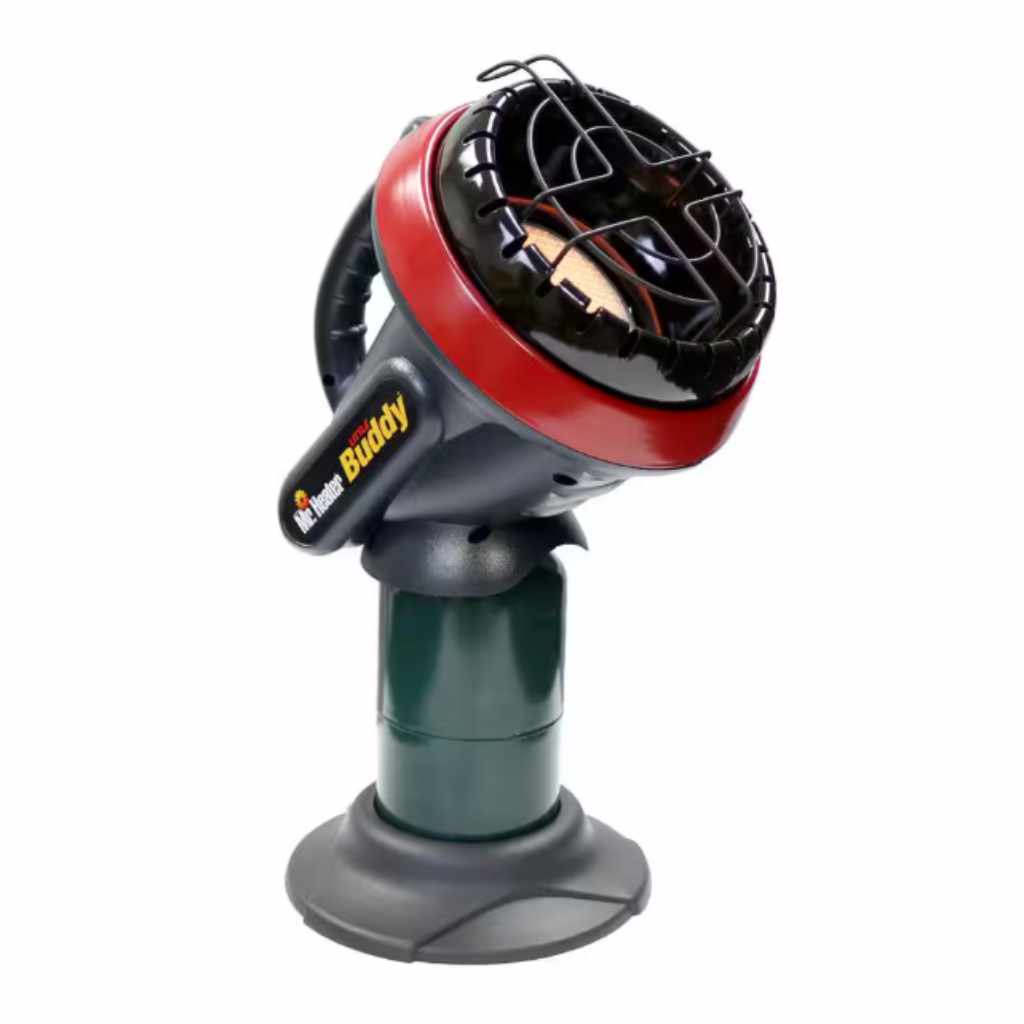
Buddy Heaters Are Safe with Proper Ventilation
Are you thinking about using a Buddy Heater to keep warm but worried if it’s truly safe? You’re not alone.
When it comes to heating your space, safety is the top concern. Buddy Heaters are popular for their convenience and power, but do they put you at risk? You’ll discover what makes Buddy Heaters safe or unsafe, how to use them without danger, and what simple steps you can take to protect yourself and your loved ones.
Keep reading to learn everything you need to know before turning on your heater. Your safety depends on it.
How Buddy Heaters Work
Buddy heaters provide warmth in small spaces quickly and effectively. They are portable and designed for indoor and outdoor use. Understanding how these heaters work helps you use them safely and efficiently.
These heaters produce heat by burning fuel in a controlled way. The fuel ignites inside the heater’s combustion chamber. A fan or natural convection spreads the warm air around the room. This process makes the space comfortable in cold conditions.
Types Of Buddy Heaters
There are several types of buddy heaters available. Some models use propane, while others may use kerosene or natural gas. Each type has unique features and heating power. Portable propane heaters are most common for camping and emergency use. Electric buddy heaters also exist but are less popular for outdoor use.
Fuel Sources Used
Most buddy heaters use propane fuel cylinders. Propane is easy to store and burns cleanly. Kerosene heaters use liquid fuel and require more ventilation. Some models run on natural gas connected to home lines. Proper fuel use is critical for safe and effective heating. Always check the fuel type before using the heater.
Common Safety Risks
Buddy heaters provide warmth in cold spaces. They are popular for camping and small rooms. But using them comes with some safety risks. Knowing these risks helps you stay safe and enjoy the heater.
Carbon Monoxide Exposure
Buddy heaters burn fuel, which can produce carbon monoxide. This gas is colorless and odorless. It can build up in closed spaces. Breathing it is dangerous and can cause sickness or death. Always use the heater in well-ventilated areas.
Fire Hazards
Buddy heaters get very hot during use. They can ignite nearby flammable items like curtains or paper. Keep the heater away from anything that can catch fire. Never leave the heater unattended while it is on.
Burn Injuries
The heater surface becomes hot and can cause burns. Kids and pets are especially at risk. Avoid touching the heater while it is running. Use caution when moving or adjusting the heater.
Safety Features To Look For
Buddy heaters can be very useful for warmth during cold times. Safety matters most when using these heaters indoors or in small spaces. Certain features help keep you safe and prevent accidents. Knowing these safety features helps you choose the right heater.
Automatic Shut-off Mechanisms
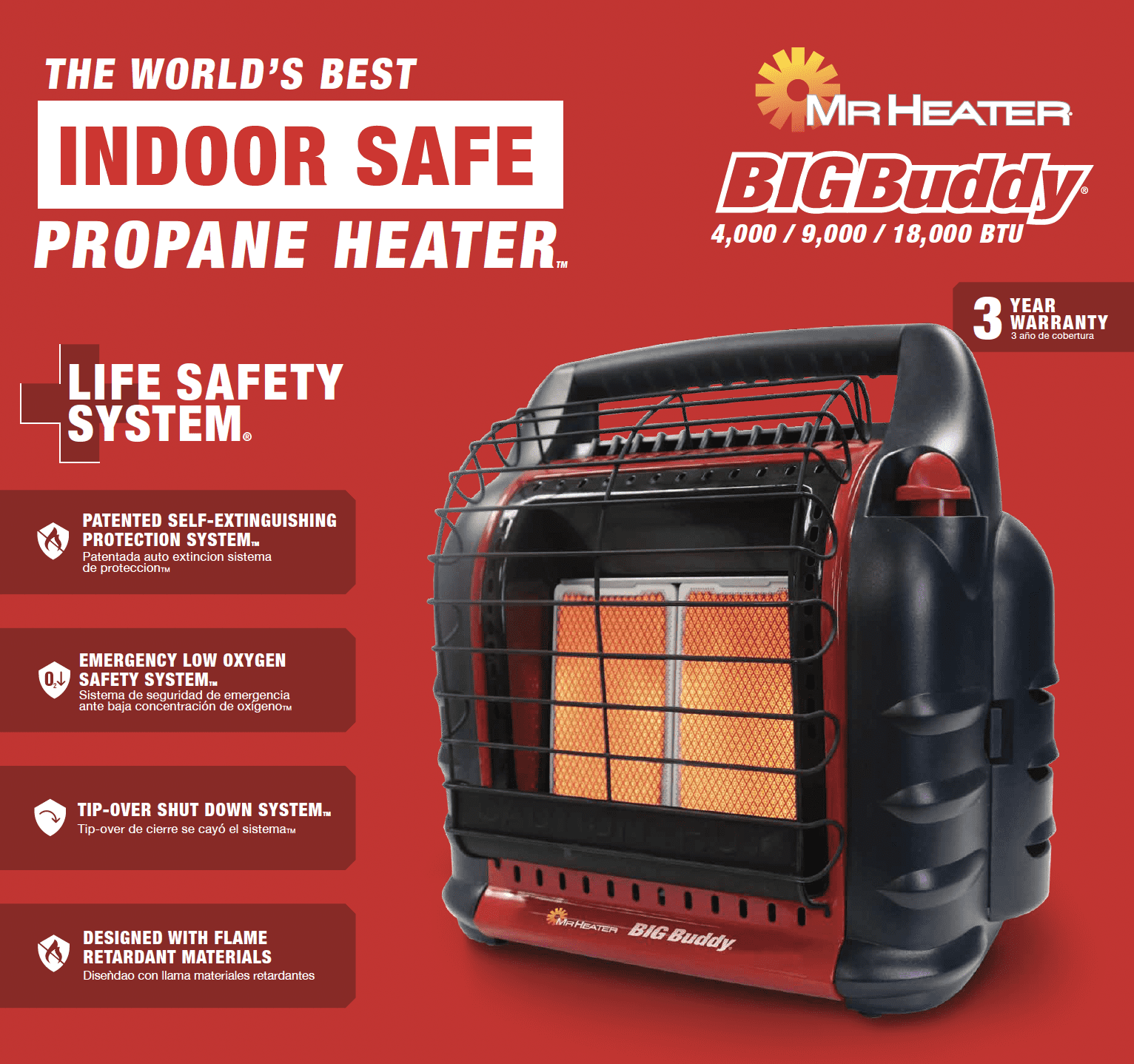
Automatic shut-off turns the heater off if it tips over. This feature stops fires caused by accidental falls. It also stops the heater if it gets too hot. This prevents overheating and reduces fire risk. Many models include this feature for extra safety.
Oxygen Depletion Sensors
Oxygen depletion sensors detect low oxygen levels in the room. If oxygen drops too low, the heater shuts down. This prevents dangerous carbon monoxide buildup. It helps keep the air safe to breathe. This sensor is important for indoor use of buddy heaters.
Safe Usage Tips
Using Buddy Heaters safely helps prevent accidents and health risks. Follow these tips to keep your space warm and secure. Simple steps make a big difference in heater safety.
Proper Ventilation Practices
Always ensure the room has fresh air. Open a window or door slightly. This prevents dangerous gases from building up. Never use Buddy Heaters in sealed rooms. Good airflow stops carbon monoxide risks.
Placement Guidelines
Place the heater on a flat, stable surface. Keep it away from curtains, furniture, and flammable materials. Maintain at least three feet of clear space around it. Avoid high-traffic areas to prevent tipping. Position it where pets and children cannot reach.
Regular Maintenance
Check the heater for damage before each use. Clean dust and debris from vents and grills. Replace worn or cracked fuel lines immediately. Follow the manufacturer’s instructions for routine care. Proper upkeep ensures efficient and safe operation.
Regulations And Certifications
Buddy heaters must meet strict rules to ensure safety. Regulations and certifications show if a heater is safe to use. These rules help prevent accidents and protect users. They also assure buyers about product quality and reliability.
Manufacturers test buddy heaters under these regulations. Passing tests means the heater meets safety and performance standards. These standards cover how the heater works and its materials. Safe use depends on following these rules closely.
Industry Standards
Industry standards set clear safety rules for buddy heaters. These standards cover heat output, fuel use, and ventilation. They ensure heaters do not release harmful gases. Standards also include emergency shut-off features.
Standards are updated regularly to improve safety. They guide manufacturers in creating safer products. Users can trust heaters that follow these rules. These standards reduce risks during heater operation.
Certifying Agencies
Certifying agencies check if buddy heaters meet industry standards. They test products in labs for safety and efficiency. Agencies issue certificates to approved heaters. These certificates prove compliance with safety rules.
Common agencies include UL, CSA, and ETL. Each agency has strict testing methods. Certified heaters carry labels from these agencies. These labels help buyers identify safe products quickly.
User Experiences And Reviews
User experiences and reviews provide real insight into Buddy heaters’ safety. People share their daily use stories and concerns. This helps others understand what to expect. Both positive feedback and reported incidents matter for a clear view.
Positive Feedback
Many users praise Buddy heaters for reliable warmth. They say the heater works well in small spaces. Some mention it heats up quickly and lasts long. Users appreciate safety features like automatic shutoff. Several reviews note easy setup and portability. People often feel safe using it indoors with proper ventilation.
Reported Incidents
Some users report issues with carbon monoxide alarms going off. A few mention burns from touching the heater’s hot surface. There are rare cases of fuel leaks or spills. Some users felt the heater was too hot for certain rooms. Few reports describe inadequate ventilation causing stuffy air. These incidents highlight the need for careful use and following instructions.
Alternatives To Buddy Heaters
Buddy heaters offer warmth but some worry about safety. Many seek safer options for home heating. Alternatives provide heat with less risk. Some use electricity, others use fixed gas systems. Each type has unique benefits and safety features.
Electric Heaters
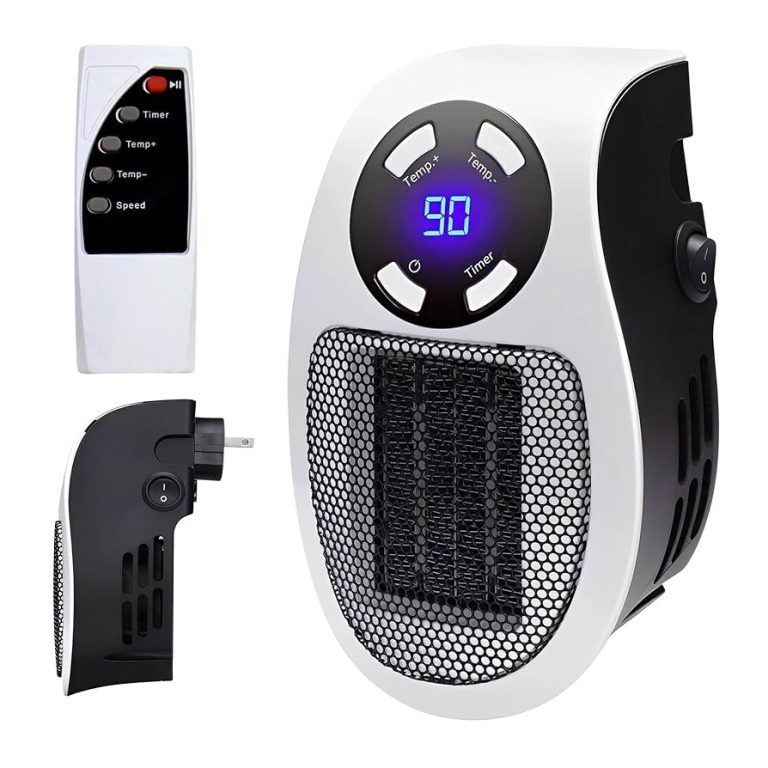
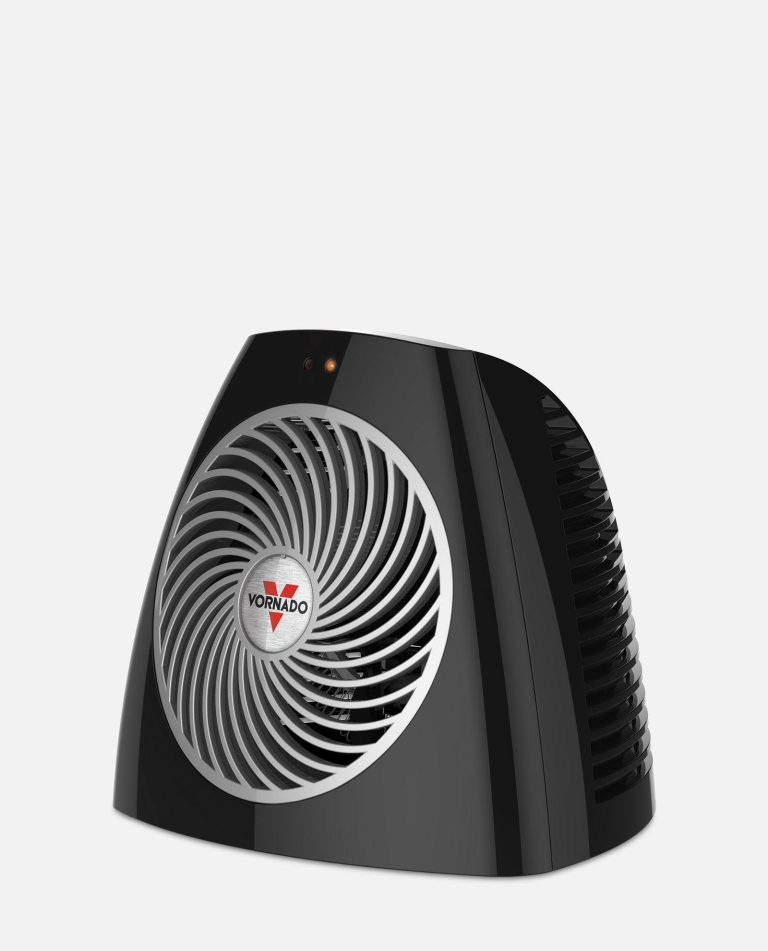
Electric heaters are a popular choice. They do not use open flames or fuel. This lowers fire and carbon monoxide risks. Many models include automatic shut-off features. They heat small rooms quickly and quietly. Some types use ceramic or oil for steady warmth. Electric heaters need a power outlet to work. They are easy to move and use.
Propane Wall Heaters
Propane wall heaters install directly on walls. They connect to a propane supply line. These heaters do not fill rooms with fumes. Built-in vents remove gases safely outside. They offer consistent heat for larger spaces. Wall heaters save floor space and look neat. Regular maintenance ensures safe and efficient use. They are good for homes without electric heating.

Frequently Asked Questions
Are Buddy Heaters Safe For Indoor Use?
Buddy Heaters can be safe indoors if used properly. Always ensure good ventilation to prevent carbon monoxide buildup. Follow manufacturer guidelines strictly to avoid fire hazards and never leave the heater unattended.
What Safety Precautions Should I Take With Buddy Heaters?
Keep Buddy Heaters away from flammable materials and use them in well-ventilated areas. Regularly check for leaks and carbon monoxide levels. Never use them in sleeping areas or small, enclosed spaces without ventilation.
Can Buddy Heaters Cause Carbon Monoxide Poisoning?
Yes, if used improperly, Buddy Heaters can produce carbon monoxide. Proper ventilation and using carbon monoxide detectors nearby greatly reduce this risk. Always follow safety instructions to prevent poisoning.
How Do I Maintain Buddy Heaters For Safe Use?
Regularly inspect Buddy Heaters for damage or leaks. Clean filters and fuel lines as recommended. Store fuel safely and never use damaged or expired fuel to maintain safe operation.
Conclusion
Buddy heaters can be safe when used with care and caution. Always follow the instructions that come with the heater. Use them in well-ventilated spaces to avoid risks. Never leave a buddy heater unattended while it runs. Keep flammable items far from the heater at all times.
Regular checks help catch any problems early on. Safety comes first to enjoy warmth without worry. Simple steps make a big difference in staying safe. Buddy heaters offer comfort, but safety must guide their use.