
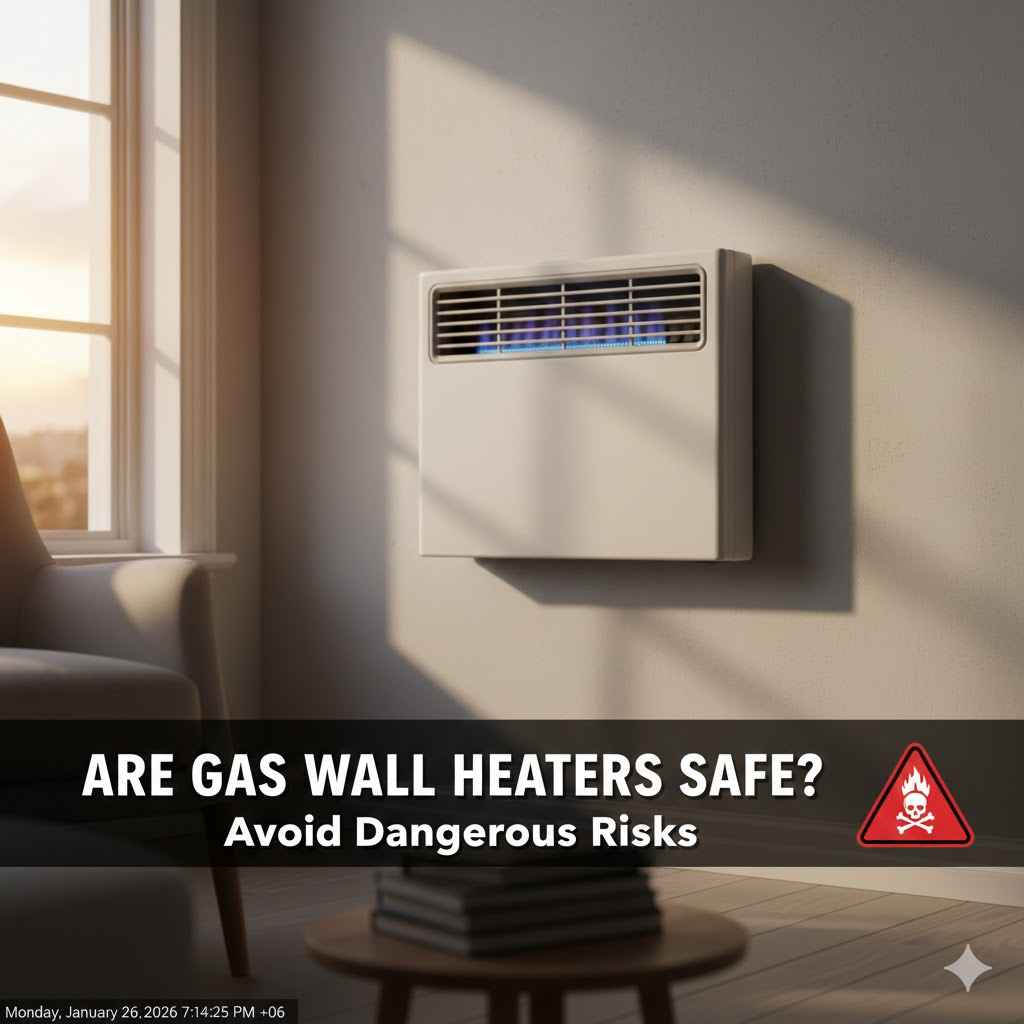
Gas wall heaters can be safe when properly installed, regularly maintained, and used according to manufacturer guidelines. Avoiding dangerous risks like carbon monoxide poisoning, fire hazards, and gas leaks relies heavily on professional setup, consistent monitoring with CO and smoke detectors, and ensuring adequate ventilation. Prioritizing these steps keeps your home warm and secure.
Staying cozy at home is a top priority, especially when the chill sets in. Many homeowners and renters turn to gas wall heaters for their efficient warmth and targeted heating. But a common and very important question often pops up: “Are gas wall heaters safe?” It’s a completely valid concern, and navigating the world of home heating can feel a bit overwhelming, with all the safety precautions and technical talk. You might wonder if you’re missing something crucial, or if you’re using your heater in a way that could lead to trouble. Don’t worry, you’re in the right place! As your friendly home heating guide, I’m here to simplify everything, walk you through the potential risks, and show you exactly how to make sure your gas wall heater is a safe, reliable source of warmth. We’ll cover everything from proper installation to daily checks, so you can enjoy a warm, worry-free home.
Understanding Gas Wall Heaters: The Basics
Before diving into safety, let’s quickly understand what a gas wall heater is. These heaters are designed to mount directly on your wall, using natural gas or propane to generate heat. They’re popular for their ability to heat specific zones or rooms, often being more energy-efficient than central heating for smaller spaces.
There are primarily two types, and knowing the difference is key to understanding safety:
Vented Gas Wall Heaters: These heaters have a dedicated vent or chimney that directs combustion byproducts (like carbon monoxide) outside your home. They operate like a mini-furnace, drawing in fresh air for combustion and expelling exhaust gases.
Unvented (Vent-Free) Gas Wall Heaters: These heaters do not have a vent to the outside. Instead, they release all their combustion byproducts directly into the room they are heating. While designed to burn very cleanly, they require significant air circulation and should always be used with extreme caution.
Here’s a quick overview of how they compare from a safety standpoint:
| Feature | Vented Gas Wall Heaters | Unvented (Vent-Free) Gas Wall Heaters |
|---|---|---|
| Combustion Byproducts | Expelled outside via vent. | Released directly into the room. |
| Carbon Monoxide Risk | Low, if vent is clear and intact. | Higher, if room is not properly ventilated or unit malfunctions. |
| Oxygen Depletion Risk | Very low. | Moderate, can deplete oxygen in sealed spaces. |
| Moisture/Odor | Minimal. | Can increase indoor humidity and subtle odors. |
| Ventilation Needs | Requires proper vent installation. | Requires constant fresh air supply (e.g., open window/door). |
| Safety Sensors | Often include flame rollout sensors. | Must include Oxygen Depletion Sensor (ODS). |

Are Gas Wall Heaters Safe? Addressing the Core Question
The straightforward answer is: yes, gas wall heaters can be safe, but only when they are properly installed, regularly maintained, and used strictly according to the manufacturer’s instructions. The dangers often arise from improper installation, lack of maintenance, or misuse. Thinking of your gas heater as any other appliance that needs care and respect is the first step to ensuring safety.
The good news is that modern gas wall heaters, especially those from reputable brands, come equipped with several safety features designed to reduce risks. However, these features aren’t a substitute for good practices. Let’s delve into the specific risks and, more importantly, how to avoid them.
Key Dangerous Risks Associated with Gas Wall Heaters
Understanding the potential dangers isn’t about fear; it’s about being informed so you can take smart, proactive steps to keep your home safe and warm.
Carbon Monoxide (CO) Poisoning: The Silent Danger
Carbon monoxide (CO) is often called the “silent killer” because it’s an invisible, odorless, and tasteless gas. It’s a byproduct of incomplete combustion in gas-burning appliances, including gas wall heaters. When inhaled, CO replaces oxygen in your blood, leading to serious health issues, and in severe cases, death.
Why it’s dangerous: Early symptoms like headaches, nausea, dizziness, and fatigue can easily be mistaken for the flu. Prolonged exposure can lead to unconsciousness and fatality.
Risk Factors:
Unvented Heaters: If not enough fresh air is available or the room is sealed, CO can quickly build up.
Faulty Vented Heaters: A blocked, damaged, or improperly installed vent can allow CO to leak back into your home.
Poor Combustion: A dirty or malfunctioning burner can lead to incomplete combustion, producing more CO.
Mitigation and Prevention:
Carbon Monoxide Detectors: This is your first and most critical line of defense. Install CO detectors on every level of your home, especially near sleeping areas. Test them monthly and replace batteries annually. For guidance on placement and maintenance, refer to resources like the U.S. Consumer Product Safety Commission (CPSC) guide on Carbon Monoxide alarms.
Proper Ventilation: For unvented heaters, always ensure adequate fresh air supply by cracking a window or door. Never use them in bedrooms or small, confined spaces.
Regular Maintenance: A professional inspection can spot issues with combustion efficiency and venting before they become dangerous.
Fire Hazards: Keeping Combustibles at Bay
Any heating appliance produces heat, and if that heat isn’t managed correctly, it can lead to a fire.
Causes:
Combustibles Too Close: Placing curtains, furniture, rugs, paper, or clothing too close to a hot heater is a common cause of fires.
Faulty Wiring/Gas Line: Damaged gas lines or electrical connections (for units with electric ignition) can spark or leak, leading to ignition.
Improper Installation: If a heater isn’t installed with the correct clearances from walls and other materials, the heat buildup can cause surrounding surfaces to ignite.
Mitigation and Prevention:
Maintain Clearances: Always follow the manufacturer’s recommended clearances around the heater. These usually specify distances from the top, sides, front, and floor.
Regular Inspections: Have a professional check gas lines and connections annually. Look for any visible signs of wear or damage yourself.
Install Smoke Detectors: Ensure you have working smoke detectors on every level of your home, and especially near the heater’s location.
Educate Occupants: Make sure everyone in the household understands the importance of keeping objects away from the heater.
Here’s a general guide for safe clearances, but always refer to your specific heater’s manual:
| Clearance Area | Recommended Minimum Distance | Why It’s Important |
|---|---|---|
| Front | 36 inches (3 feet) | Prevents accidental contact with heat, keeps combustibles away. |
| Sides | 12 inches (1 foot) | Prevents ignition of nearby furniture or walls. |
| Top | 18 inches (1.5 feet) | Prevents scorching or ignition of overhead items. |
| Rear | As per manufacturer (usually zero, if wall-mounted) | Ensures proper heat dissipation into the room, not the wall structure. |
| Floor | Non-combustible surface if specified, or specific clearance. | Protects flooring from direct heat exposure. |
Gas Leaks: When to Act Fast
Gas leaks are rare but serious. Natural gas and propane have an odorant added (usually a sulfur-like “rotten egg” smell) to make leaks detectable.
Causes:
Loose Connections: Over time, connections in the gas line to your heater can loosen.
Faulty Lines/Hoses: Cracks or damage in gas supply lines or flexible hoses (if used) can lead to leaks.
Damaged Unit: Internal damage to the heater itself can cause gas to escape before combustion.
Signs of a Gas Leak:
Smell of Rotten Eggs: This is the most common and immediate sign.
Hissing Sound: You might hear a hissing noise near the gas line or heater.
Dizziness or Nausea: Exposure to high levels of gas can cause these symptoms.
Dead Vegetation: If the leak is outdoors, you might notice dead plants or grass near the gas line.
Action Plan (Immediate Response!):
DO NOT: Turn lights on or off, use a phone in the house, operate appliances, or create any spark.
DO:
1. Immediately evacuate everyone from the building.
2. Once outside and a safe distance away, call your gas utility company or 911.
3. Leave windows and doors open if it’s safe to do so on your way out.
For more information on gas safety and what to do in case of a leak, please visit the American Gas Association’s safety resources.
Burns and Physical Contact: Watch Out for Hot Surfaces
Gas wall heaters, by nature, get very hot during operation. Direct contact with the unit can cause serious burns.
Causes:
Accidental touching of the heater’s exterior during operation.
Children or pets getting too close.
Mitigation and Prevention:
Educate Everyone: Make sure all household members, especially children, know that the heater gets very hot and should not be touched.
Safety Screens/Guards: Consider installing a safety gate or screen around the heater, especially if you have young children or curious pets. Ensure any guard allows for proper air circulation and is non-combustible.
Monitor Children and Pets: Always supervise children and keep pets away from operating heaters.
Ensuring Your Gas Wall Heater is Safe: Step-by-Step Guide
Now that we understand the risks, let’s turn to practical, easy-to-follow steps to ensure your gas wall heater operates safely and efficiently.
Step 1: Professional Installation is Key
This is perhaps the most crucial step for any gas appliance. Do not attempt to install a gas wall heater yourself unless you are a certified, licensed professional with experience in gas line work and HVAC.
Why it’s important: A qualified technician will ensure:
The heater is correctly sized for the space.
Gas lines are properly connected and leak-free.
Vented heaters have a correctly installed, clear, and sealed exhaust vent.
Unvented heaters are installed in an appropriate space with adequate ventilation (never in bedrooms, bathrooms, or small closets).
All necessary clearances from combustible materials are met.
The unit adheres to all local building codes and manufacturer specifications.
Finding a Professional: Look for licensed HVAC technicians or plumbers specializing in gas appliances. Websites like EPA’s resources on indoor air quality often have links or advice on finding certified professionals for home systems.
Step 2: Install and Maintain Safety Detectors
These devices are your guardians against invisible dangers.
Carbon Monoxide (CO) Detectors:
Install them near sleeping areas and on every level of your home.
Test them monthly using the “test” button.
Replace batteries at least once a year (e.g., when daylight saving time changes).
Replace the entire unit every 5-7 years, as sensors degrade over time.
Smoke Detectors:
Install smoke detectors on every level, inside bedrooms, and outside sleeping areas.
Test monthly and change batteries annually.
Step 3: Ensure Proper Ventilation (Especially for Unvented Heaters)
Ventilation is critical for safely operating gas heaters, especially the unvented type.
Unvented Heaters: They consume oxygen from the room and release combustion byproducts. Always:
Crack a window slightly (at least one inch) or open an interior door to an adjacent room.
Never use unvented heaters in tightly sealed rooms, bathrooms, or bedrooms.
Ensure any exhaust fans (like in a kitchen or bathroom) are not running near the heater, as they can draw combustion products into the room.
Vented Heaters: While their exhaust goes outside, good general ventilation in your home is always a good idea for overall air quality. Ensure the external vent is not blocked by snow, leaves, or debris.
Step 4: Keep Clearances Clear
This seemingly simple step is vital for fire prevention.
The “Rule of Three Feet”: A good general rule is to keep anything combustible at least three feet (about one meter) away from the heater. This includes:
Curtains, drapes, blinds
Furniture (sofas, chairs)
Rugs, carpets
Clothing, blankets, towels
Paper, books, magazines
Cleaning supplies, flammable liquids
Never use the heater to dry clothes or other items.
Step 5: Regular Maintenance and Inspections
Think of your gas heater like your car; it needs regular check-ups to run safely and efficiently.
Annual Professional Inspection: Have a qualified technician inspect your gas wall heater at least once a year, preferably before the heating season begins. They will check:
Gas lines and connections for leaks.
The burner assembly for proper combustion and cleanliness.
The heat exchanger for cracks or damage (can cause CO leaks in vented units).
Venting system for blockages or corrosion.
Thermostat and safety controls.
Oxygen Depletion Sensor (ODS) on unvented heaters.
DIY Checks (Safely!):
Cleanliness: Keep the heater’s exterior and air intake/exhaust vents free of dust, lint, and debris. Use a soft brush or vacuum with an attachment when the heater is off and cool.
Pilot Light: If your heater has a pilot light, observe its color. It should be a steady blue flame. A yellow, orange, or flickering flame can indicate poor combustion and potential CO production.
Vents: For vented heaters, periodically check the outside vent cap to ensure it’s not blocked by bird nests, leaves, or snow.
Here’s a checklist for your annual heater maintenance:
- Inspect and clean the burner assembly.
- Check all gas connections for leaks.
- Verify the proper operation of the thermostat.
- Examine the heat exchanger for any cracks or damage.
- Ensure the ventilation system (for vented heaters) is clear and secure.
- Test the Oxygen Depletion Sensor (ODS) on unvented heaters.
- Clean the interior and exterior of the unit from dust and debris.
- Check for proper gas pressure.
Step 6: Know the Signs of Trouble
Being aware of unusual signs can help you catch a problem before it becomes serious.
Pilot Light Color: As mentioned, a pilot light that is anything other than a steady blue (e.g., yellow, orange, or flickering) is a warning sign of incomplete combustion.
Soot Buildup: Soot on or around the heater indicates improper burning and potentially high CO production.
Unusual Smells: Any faint gas smell (rotten eggs), burning plastic, or metallic odors should be investigated immediately.
Physical Symptoms: If you or anyone in your household experiences headaches, dizziness, nausea, fatigue, or disorientation when the heater is running, evacuate immediately and seek fresh air. These are symptoms of carbon monoxide poisoning.
Step 7: Understand Manufacturer’s Instructions
Every gas wall heater is a little different. The owner’s manual for your specific unit is your best friend. It contains crucial information about:
Installation requirements.
Operating procedures.
Specific safety features.
Maintenance schedules.
Troubleshooting tips.
Clearances required for your model.
Never operate a damaged heater. If you suspect any part of your heater is not working correctly, turn it off and call a professional.
When to Call a Professional (Don’t DIY Safety Risks!)
Some things are definitely best left to the experts. Don’t hesitate to call a licensed professional for any of the following:
Suspected Gas Leak: This is an emergency. Evacuate and call your gas company immediately.
Installation of a New Heater: Always use a licensed installer.
Major Repairs: Any work involving gas lines, burners, or internal components.
Persistent Issues: If you notice strange noises, odors, or the heater isn’t functioning correctly after basic troubleshooting.
Annual Maintenance: Schedule an annual check-up to ensure everything is running safely and efficiently.
Relocation of an Existing Heater: Moving a gas appliance requires professional expertise.
To find a qualified professional, look for HVAC contractors or plumbers with gas fitter certifications in your area. You can often verify licenses through your state’s licensing board website.

Benefits of Safely Operated Gas Wall Heaters
When all safety measures are in place, gas wall heaters offer fantastic benefits. They provide consistent, powerful heat, often quickly, making chilly rooms comfortable in no time. Their targeted heating can also be a cost-effective way to warm only the spaces you’re using, rather than heating your entire home. With the right care and attention, your gas wall heater can be a warm, reliable, and perfectly safe addition to your home.
Frequently Asked Questions About Gas Wall Heater Safety
Here are some common questions beginners often ask about gas wall heaters:
Are unvented gas wall heaters safe to use in my home?
Unvented gas wall heaters can be used safely, but they require strict adherence to ventilation requirements. They must never be used in bedrooms, bathrooms, or small, tightly sealed spaces, and you should always ensure a fresh air supply (like an open window or door) is available when they are in use. Carbon monoxide detectors are essential.
How often should I have my gas wall heater serviced?
It’s highly recommended to have your gas wall heater professionally inspected and serviced at least once a year, ideally before the start of the heating season. This ensures it’s operating safely and efficiently.
What kind of detector do I need for a gas wall heater?
You absolutely need a carbon monoxide (CO) detector near the heater and in sleeping areas. It’s also wise to have smoke detectors on every level of your home for overall fire safety.
Can I install a gas wall heater myself?
No, unless you are a licensed and certified professional, you should never attempt to install a gas wall heater yourself. Gas line work and proper venting are critical for safety and must be done by a qualified technician to prevent gas leaks, CO poisoning, and fire hazards.
How do I know if my gas heater has a carbon monoxide leak?
Carbon monoxide is odorless, colorless, and tasteless. The only reliable way to detect it is with a working carbon monoxide detector. However, a yellow or orange pilot light, soot buildup, or symptoms like headache, nausea, and dizziness when the heater is on, can be warning signs.
What’s the best way to vent a gas wall heater?
Vented gas wall heaters are vented through a dedicated exhaust pipe or chimney to the outside. This venting must be installed by a professional to ensure all combustion byproducts, including carbon monoxide, are safely expelled from your home. The vent must be kept clear of obstructions.
Are older gas wall heaters less safe than new ones?
Older gas wall heaters may lack the advanced safety features of newer models, such as Oxygen Depletion Sensors (ODS) or advanced flame safeguard systems. Their components can also degrade over time, increasing risks if not meticulously maintained. If you have an older unit, more frequent professional inspections are crucial, and consider upgrading for enhanced safety.
Conclusion
So, are gas wall heaters safe? Absolutely, they can be! When approached with the right knowledge and a commitment to safety, your gas wall heater can be a wonderful, efficient, and perfectly safe way to keep your home warm and welcoming. We’ve covered everything from understanding the types of heaters to recognizing potential dangers like carbon monoxide, fire, and gas leaks, and most importantly, how to prevent them.
Remember, the key lies in professional installation, regular maintenance, keeping your safety detectors working, and always providing adequate ventilation. Taking these steps isn’t just about following rules; it’s about building confidence in your ability to manage your home heating system responsibly. By staying informed and proactive, you can relax, knowing you’ve created a cozy, safe haven for yourself and your loved ones. Enjoy the warmth, and stay safe out there!