
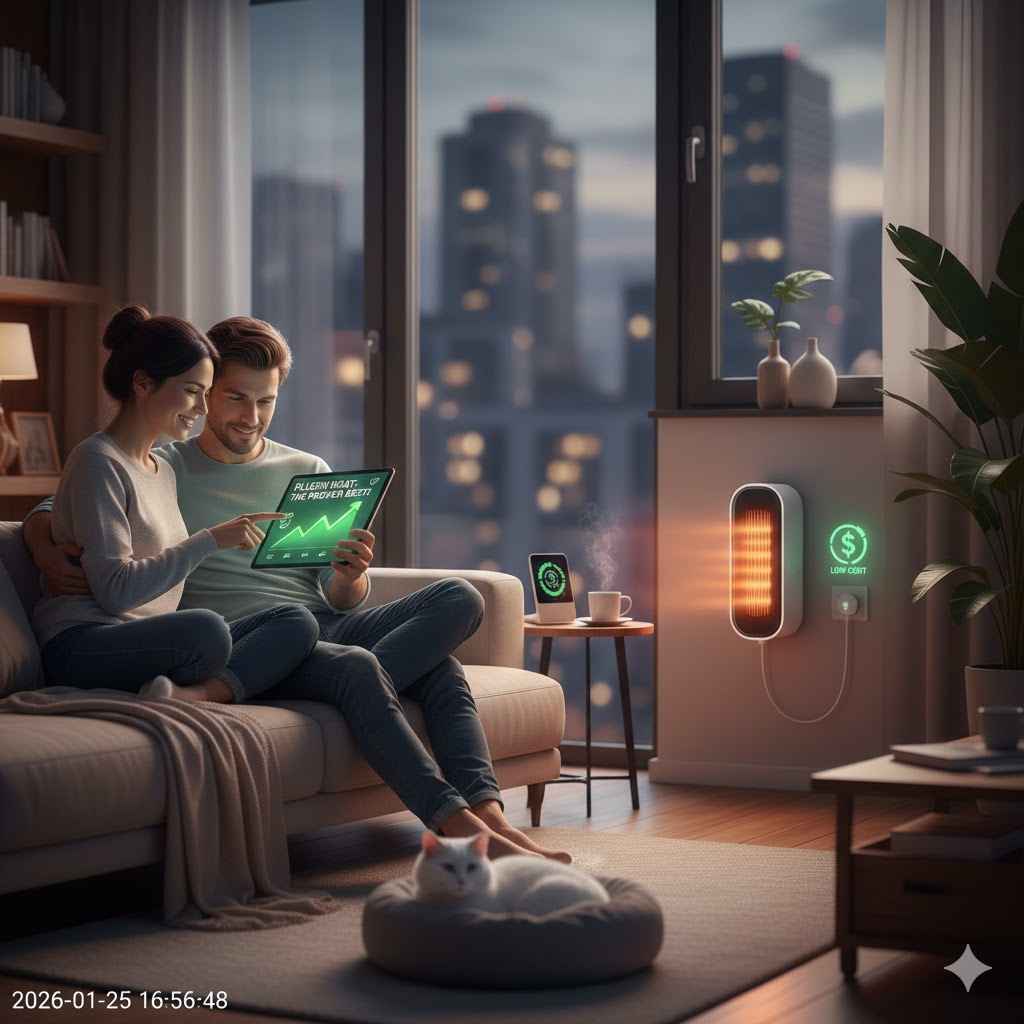
Plug-in wall heaters can be excellent for targeted warmth in small to medium spaces, acting as an energy-efficient supplement to your main heating system. They’re portable and easy to use, but safety features like tip-over protection and overheat shut-off are crucial for the proven best options. Always choose the right size for your room and plug directly into a wall outlet for safe, cozy comfort.
Ever find yourself bundled up in one room, while the rest of your home is perfectly warm? That chilly draft or cold corner can be so frustrating, making your space less cozy than it should be. You might be wondering if those handy plug-in wall heaters you see are truly a good solution to banish those cold spots. As your friendly heating guide, Tanim, I’m here to simplify everything. We’ll explore if these heaters are a smart choice for your home, what makes them effective, and how to pick the safest and best one for your needs, ensuring you achieve that perfect warmth.
When winter bites, a warm home is a happy home. But sometimes, your central heating just can’t reach every nook and cranny. This is where plug-in wall heaters step in. They promise to chase away the chill, offering warmth exactly where you need it. But are they really “any good”? And how do you find the “proven best” among so many options? Let’s get cozy and break down everything you need to know.
Understanding Plug-In Wall Heaters: What Are They?
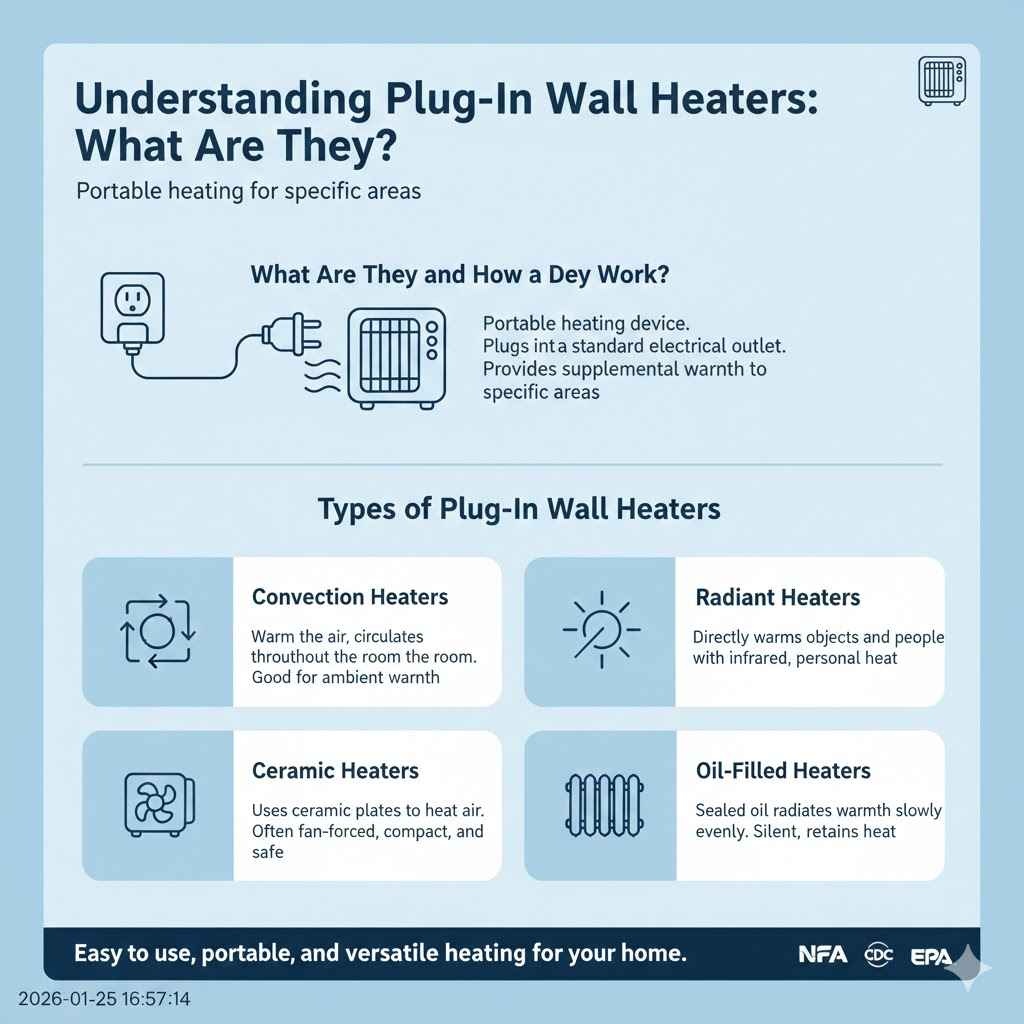
At their core, a plug-in wall heater is a portable heating device designed to provide supplemental warmth to specific areas. Unlike your home’s central heating system, which warms your whole house, these heaters focus their energy on a single room or zone. They simply plug into a standard electrical outlet, making them incredibly easy to set up and move around.
These heaters work using different technologies to generate heat:
- Convection Heaters: These warm the air directly, circulating it throughout the room. Think of a fan-forced heater blowing warm air.
- Radiant Heaters: These emit infrared radiation, which directly warms objects and people in its path, similar to how the sun feels on your skin. They don’t heat the air around them as much.
- Ceramic Heaters: Often fan-forced, these use ceramic heating elements which are very efficient at transferring heat and tend to be safer due to lower surface temperatures.
- Oil-Filled Heaters: These use diathermic oil (which doesn’t burn) sealed inside metal fins. The oil is heated by an electric element, and the fins radiate warmth slowly and evenly. They’re silent and retain heat for a while even after being turned off.
The Good Side: Why People Love Them
Plug-in wall heaters aren’t just popular by chance; they offer several practical benefits that make them a go-to for many homeowners and renters alike.
Instant Warmth Where You Need It
Imagine your home office is always a bit nippy, even when the thermostat says the whole house is warm. A plug-in heater solves this by providing “zonal heating.” You can direct heat precisely to the room you’re using, rather than heating unused spaces. This personalized comfort is a huge plus.
Portability and Easy Setup
One of the biggest advantages is how incredibly simple they are to use. Just unbox it, plug it in, and enjoy the warmth. There’s no complex installation, no ducts, and no professionals needed. Most models are also lightweight and have built-in handles, so you can easily move them from your bedroom to the living room or even to a different home if you move.
Cost-Effective for Small Spaces
Running your entire central heating system to warm just one chilly room can be a huge energy waste. For single rooms, a plug-in heater can be a much more economical choice. By turning down your central thermostat and only heating the space you’re in, you could potentially save on your overall heating bill.
Supplemental Heating Solution
Plug-in heaters aren’t meant to replace your main heating system, but they’re fantastic supplements. They tackle those stubborn cold spots in basements, drafty hallways, or poorly insulated areas. They ensure every corner of your home feels just right.
To help you weigh your options, here’s a quick look at the main pros and cons:
| Pros of Plug-In Wall Heaters | Cons of Plug-In Wall Heaters |
|---|---|
| Targeted zonal heating for specific areas | Can increase electricity bills if used improperly |
| Portable and easy to move between rooms | Not suitable for heating large, open spaces |
| Simple plug-and-play setup, no installation required | Potential safety hazards if not used correctly (fire, burns) |
| Often more affordable upfront cost than central heating upgrades | Some models can be noisy (especially fan-forced) |
| Ideal for supplementary heat in cold spots | Requires proximity to an electrical outlet |
The Not-So-Good Side: Potential Downsides
While convenient, plug-in wall heaters aren’t without their drawbacks. Understanding these helps you make an informed decision and use them safely.
Energy Consumption and Running Costs
Many plug-in heaters operate at 1500 watts, which is a significant amount of electricity. If left running for long periods, especially without a thermostat or timer, they can drive up your electricity bill. The key is smart usage: only heat the space you’re in and only when needed.
Safety Concerns
This is perhaps the most critical consideration. Plug-in heaters are electrical appliances that generate intense heat. Improper use can lead to serious risks:
- Fire Hazard: Placing heaters too close to flammable materials (curtains, bedding, furniture) is a leading cause of home fires.
- Overheating: Faulty units or improper ventilation can cause the heater itself to overheat.
- Electrical Overload: Plugging a heater into an overloaded circuit or an extension cord not rated for its wattage can cause tripped breakers or even electrical fires.
- Burns: The surfaces of some heaters can get extremely hot, posing a burn risk, especially for children and pets.
Always prioritize safety. For comprehensive information on electrical safety in your home, consult resources like the National Fire Protection Association (NFPA) or the Electrical Safety Foundation International (ESFI).
Limited Heating Capacity
Remember, these are spot heaters. They are not designed to warm your entire house or even very large, open-concept rooms. Trying to use a small plug-in heater to warm a big space will likely be ineffective and energy-inefficient.
Noise Levels
Fan-forced ceramic heaters, while effective, can sometimes be noisy. If you need quiet for sleeping or working, a radiant or oil-filled heater might be a better choice as they generally operate silently.
Is a Plug-In Heater Right For You? Practical Scenarios
Deciding if a plug-in heater is a good fit comes down to your specific needs. Here are some situations where they shine:
- Home Offices or Craft Rooms: If you spend hours in one room that tends to get chilly, a plug-in heater can keep you comfortable without heating the whole house.
- Bedrooms: Ideal for making a bedroom extra toasty before bed or on a cold morning, allowing you to turn down the main thermostat at night.
- Basements or Garages: These areas are often unheated or poorly insulated. A plug-in heater can make them usable during colder months for hobbies or temporary workspaces.
- Rented Spaces: If you can’t modify the existing heating system, a portable heater is a perfect solution.
- Temporary Heating: Useful during a furnace repair or unexpected cold snap.
However, if you’re trying to heat a large living room, an open-plan kitchen, or an entire floor, a plug-in heater will likely disappoint and cost you more in electricity than it’s worth.
Choosing the “Proven Best”: What to Look For
The “proven best” isn’t a single heater; it’s the one that best meets your needs safely and efficiently. Here’s what to consider when shopping:
Safety Features First
This cannot be stressed enough. Always check for these essential safety features:
- Tip-Over Switch: Automatically shuts off the heater if it’s accidentally knocked over.
- Overheat Protection: Turns off the heater if its internal components reach an unsafe temperature.
- Cool-Touch Exterior: Ensures the outer casing remains cool to the touch, reducing burn risk. This is especially important if you have children or pets.
- Certifications: Look for safety certifications from recognized testing laboratories like UL (Underwriters Laboratories), ETL, or CSA. These symbols mean the product has met specific safety standards.
Heating Technology
As discussed earlier, different technologies offer different experiences:
- Ceramic Heaters: Good for fast, direct heat with lower surface temperatures. Often fan-forced, so they can be a bit noisy.
- Oil-Filled Radiant Heaters: Provide gentle, consistent, and silent heat. They take longer to warm up but retain heat longer.
- Infrared/Radiant Heaters: Heat objects directly, offering quick warmth. Can feel very intense if you are too close.
Wattage and Room Size
A general rule of thumb is that you need about 10 watts of heating power per square foot to adequately heat a room. So, a 1500-watt heater is typically good for a room up to 150 square feet (about a 10×15 ft room). Don’t buy an undersized heater hoping it will save energy; it will just run constantly and struggle to heat the space, ultimately using more energy.
Energy Efficiency
Look for features that help manage energy use:
- Adjustable Thermostat: Allows the heater to turn off and on to maintain a set temperature, preventing continuous running.
- Timer: Lets you set how long the heater operates, great for warming a room before you wake up or for ensuring it turns off after you leave.
- ECO Mode: Some heaters have modes that automatically adjust wattage to balance comfort and energy savings.
Portability and Design
Consider if the heater has a sturdy handle, wheels (for larger oil-filled models), and a compact design. The aesthetic might also matter if it will be a prominent fixture in your room.
Here’s a comparison of common plug-in heater types:
| Heater Type | How It Works | Pros | Cons | Ideal Use |
|---|---|---|---|---|
| Ceramic (Fan-Forced) | Electric coil heats ceramic plates, fan blows warm air. | Fast heat, relatively safe touch, often compact. | Can be noisy, dries air, less efficient for larger spaces. | Small rooms, quick spot heating (e.g., under a desk). |
| Oil-Filled Radiant | Sealed oil heats up and radiates warmth through metal fins. | Silent, consistent, long-lasting heat, good for larger rooms. | Slow to warm up, heavier, can be bulky. | Bedrooms, living rooms, continuous background heat. |
| Infrared/Radiant | Emits infrared rays that directly heat objects and people. | Instant warmth, energy-efficient for direct heating. | Doesn’t heat air much, limited range, can be intense. | Drafty spots, workshops, feeling warmth quickly. |
Maximizing Safety and Efficiency: Tanim’s Top Tips
No matter which heater you choose, how you use it is just as important as its features.
Where to Place Your Heater
Placement is key to both safety and effectiveness:
- Maintain Distance: Keep heaters at least three feet (about one meter) away from anything flammable – drapes, furniture, bedding, papers, and even pets.
- Stable Surface: Always place your heater on a stable, level surface where it won’t be easily knocked over.
- Avoid Wet Areas: Never use an electric heater in bathrooms or other areas where it could come into contact with water, unless specifically rated for such use.
- Clear Airflow: Ensure nothing is blocking the heater’s air intake or exhaust vents.
The Right Outlet Matters
This is critical. Always plug your heater directly into a wall outlet. Avoid extension cords and power strips. If you must use an extension cord (which is generally discouraged), it absolutely must be heavy-duty, rated for the heater’s wattage, and kept as short as possible. Overloaded circuits or undersized cords are fire hazards. For more details on safe electrical practices, resources like the U.S. Department of Energy’s Energy Saver have excellent guides.
Regular Maintenance
Keep your heater clean! Dust and debris can build up on heating elements and fans, reducing efficiency and posing a fire risk. Unplug the heater and use a soft cloth or vacuum attachment to gently clean the vents and exterior. Also, regularly inspect the power cord for any signs of fraying or damage.
Smart Usage
- Use the Thermostat: Set your desired temperature and let the heater cycle on and off. Don’t just run it on high constantly.
- Utilize Timers: Program the heater to turn off automatically after you leave the room or go to sleep.
- Don’t Overdo It: Only heat the room you’re currently occupying. Turn it off when you leave.
- Insulate: Even small changes like closing doors to the heated room or using draft stoppers can make a big difference in retaining warmth.
Carbon Monoxide Detectors
While electric heaters don’t produce carbon monoxide, it’s always a good practice to have working carbon monoxide detectors in your home, especially if you have other fuel-burning appliances. It’s a key part of overall home safety.
Alternatives to Plug-In Wall Heaters
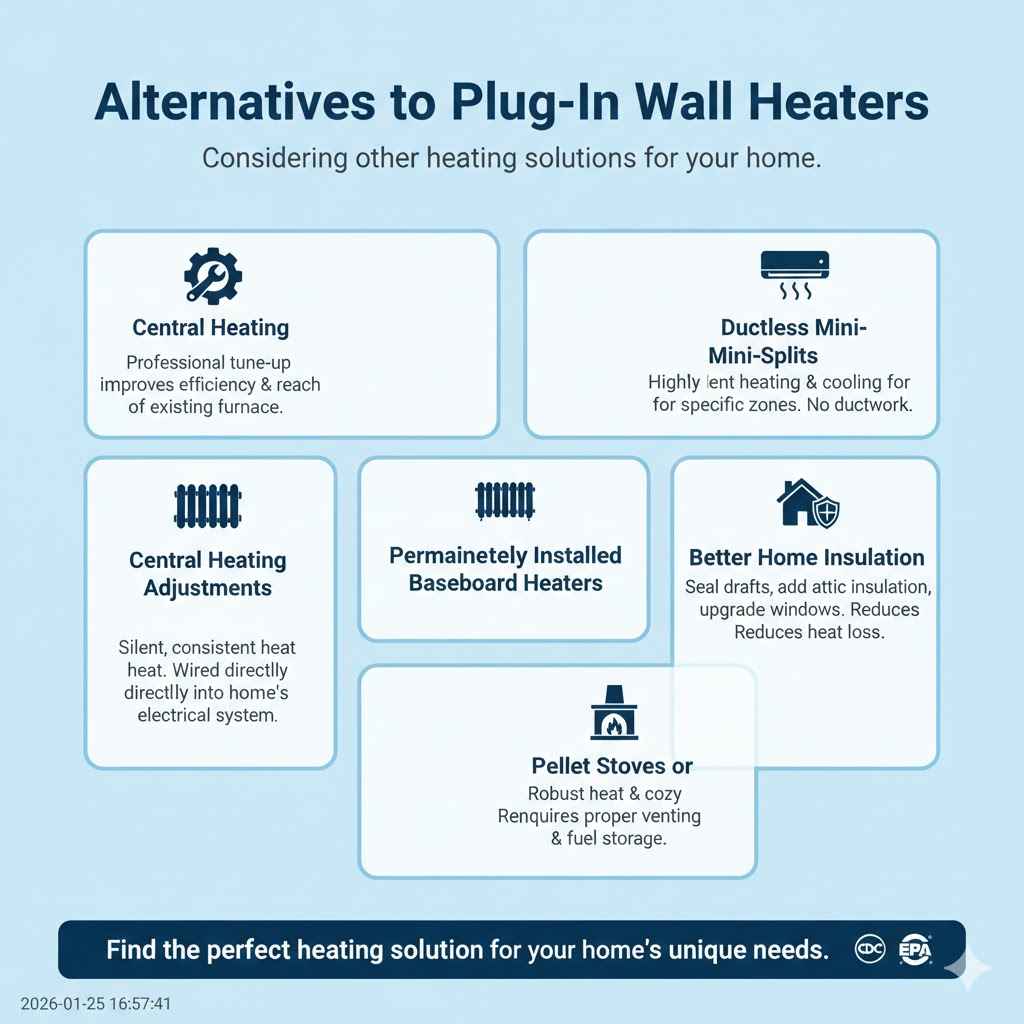
If, after all this, you decide a plug-in heater isn’t the right fit, or if you need a more permanent solution for a larger area, consider these alternatives:
- Central Heating Adjustments: Sometimes, a professional tune-up of your existing furnace or boiler can improve its efficiency and reach.
- Ductless Mini-Splits: These offer highly efficient heating and cooling for specific zones, ideal for additions or spaces without ductwork.
- Permanently Installed Baseboard Heaters: Electric baseboard heaters offer silent, consistent heat and are wired directly into your home’s electrical system, often with dedicated circuits.
- Better Home Insulation: Sealing drafts, adding attic insulation, or upgrading windows can significantly improve your home’s overall warmth and reduce heating needs.
- Pellet Stoves or Fireplaces: For a more robust heating source and a cozy ambiance, these can be excellent options for larger spaces, but require proper venting and fuel storage.
Frequently Asked Questions About Plug-In Wall Heaters
Are plug-in heaters expensive to run?
It depends on their wattage, how long you run them, and your electricity rates. A 1500-watt heater running constantly can be costly. However, used smartly for targeted heating with a thermostat, they can be more cost-effective than heating your entire home with central heating to warm one cold room.
Can I use an extension cord with my heater?
It’s strongly recommended to plug electric heaters directly into a wall outlet. If an extension cord is absolutely necessary, it must be heavy-duty (14-gauge or thicker wire for 1500W heaters) and rated for the heater’s wattage to prevent overheating and fire risks. Never use multi-outlet strips.
How long can I leave a plug-in heater on?
Most modern heaters with safety features like overheat protection are designed for continuous use. However, for safety and energy saving, it’s best practice to turn them off when you leave the room or go to sleep. Never leave a heater unattended for extended periods.
What size heater do I need for my room?
A good rule of thumb is 10 watts per square foot. So, a 150-square-foot room (e.g., 10 ft by 15 ft) would typically need a 1500-watt heater. For very drafty rooms, you might need a bit more power.
Are plug-in heaters safe to leave unattended?
While many heaters have safety features, it’s generally not recommended to leave any portable heater running unattended, especially for long periods or overnight. Always exercise caution and ensure you’re aware of the heater’s operation.
How do I clean my plug-in heater?
Always unplug the heater and allow it to cool completely before cleaning. Use a soft, dry cloth or a vacuum cleaner with a brush attachment to remove dust from the vents and exterior. Never immerse the heater in water or use abrasive cleaners.
What’s the difference between ceramic and oil-filled heaters?
Ceramic heaters use a fan to quickly blow hot air, providing immediate warmth. They are often lighter and more compact. Oil-filled heaters warm up more slowly but provide a silent, consistent, and long-lasting radiant heat, retaining warmth even after being turned off. Ceramic is good for quick spot heating; oil-filled for steady background heat.
Conclusion
So, are plug-in wall heaters any good? Absolutely! For targeted warmth in those chilly spots, they can be a fantastic, energy-efficient solution, providing cozy comfort where and when you need it most. The “proven best” isn’t a specific brand, but rather the right type of heater for your space, equipped with essential safety features, and used responsibly.
By understanding the different types, knowing what safety features to look for, and following simple usage guidelines, you can confidently choose and use a plug-in heater to transform any cold corner into a warm, inviting space. Remember Tanim’s tips: prioritize safety, choose the right size, and use your heater smartly. With the right guidance, anyone can maintain a warm, comfortable, and safe home, no matter the season.