Infrared Heaters Vs Radiant: Ultimate Comfort and Efficiency Showdown
Are you struggling to choose the right heating solution for your space? When it comes to staying warm, understanding the difference between infrared heaters and radiant heaters can make all the difference.
You want a heater that not only warms you quickly but also saves energy and fits your lifestyle. You’ll discover how these two heating options work, their benefits, and which one might be perfect for your needs. Keep reading to find the answer that will keep you cozy and comfortable all winter long.
Infrared Heaters Basics
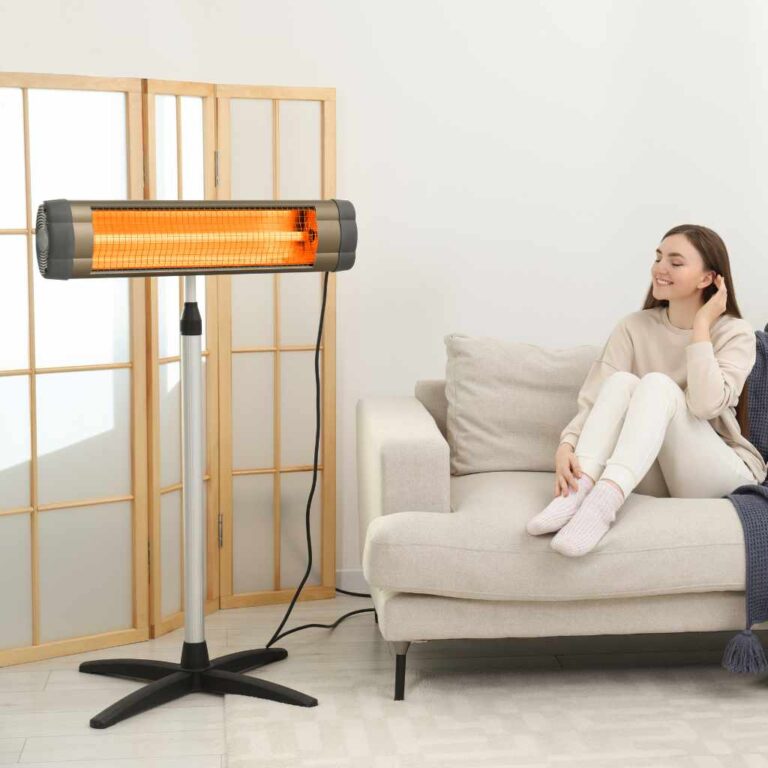
Infrared heaters provide warmth by using a special type of heat. They do not heat the air directly. Instead, they warm objects and people in the room. This makes them different from other types of heaters. Understanding how infrared heaters work helps in choosing the right heating option. It also shows why they are popular in many places.
This section explains the basics of infrared heaters. It covers how they work and where they are commonly used. Knowing these facts helps you decide if infrared heating fits your needs.
How Infrared Heat Works
Infrared heaters send out infrared light waves. These waves are not visible to the eye. They travel through the air without heating it first. When the waves hit a solid object, like a wall or a person, they turn into heat. This process is similar to how the sun warms the earth.
This heat feels natural and is very direct. It warms the body and objects quickly. The air around remains cool, which saves energy. Infrared heaters work well in open spaces and outdoors.
Common Uses And Settings
Infrared heaters are useful in many places. People use them in homes, offices, and workshops. They are also common in outdoor patios and garages. These heaters work well in spots where quick, direct heat is needed.
Many settings use infrared heaters for comfort and energy savings. They are popular in places with poor insulation. Infrared heating is also good for people with allergies. It does not blow dust or allergens around.

Radiant Heaters Essentials
Radiant heaters offer a unique way to warm spaces by sending heat directly to objects and people. They do not warm the air first. This method feels natural, like feeling the sun’s warmth on your skin.
These heaters work quietly and efficiently. They use less energy than some other heating methods. Radiant heat is instant, so you feel warmth quickly after turning the heater on.
Mechanism Of Radiant Heating
Radiant heaters produce infrared radiation, a type of heat energy. This radiation travels in straight lines. It heats objects and surfaces directly in its path.
The heater’s surface gets hot and emits infrared rays. These rays warm anything they hit. The air stays cooler because it is not the main target.
This process is similar to how the sun warms the Earth. It creates a cozy feeling without blowing hot air around.
Popular Applications
Radiant heaters are common in outdoor patios and garages. They work well in open spaces where air warms inefficiently. People use them in workshops and warehouses too.
Indoor use includes bathrooms and small rooms. Radiant heaters provide quick warmth for short times. They are also useful in places where quiet heating is needed.
Many choose radiant heating for energy savings and comfort. It heats only where needed, avoiding wasted energy on air heating.
Heat Distribution Methods
Heat distribution plays a key role in choosing between infrared heaters and radiant heaters. Understanding how each spreads warmth helps you pick the right option. This section explains how these heaters share heat in your space.
Infrared Heat Spread
Infrared heaters warm objects directly, not the air. They send invisible rays that heat surfaces and people in their path. This type of heat feels like sunlight on your skin. Infrared heat travels in straight lines and heats only what it touches. It is quick and focused. This method is great for outdoor or large spaces where direct warmth is needed.
Radiant Heat Coverage
Radiant heaters spread warmth more evenly across a room. They heat surfaces like floors and walls, which then warm the air slowly. This creates a cozy and steady heat all around. Radiant heat moves through infrared waves, but with a softer, wider reach. It works well for indoor spaces where gentle, full-room warmth is preferred.
Energy Efficiency Comparison
Energy efficiency is key when choosing between infrared heaters and radiant heaters. Understanding how each type uses power helps you pick the best option for your needs. Both types warm spaces but differ in how they consume energy and affect your bill.
Power Consumption
Infrared heaters use electricity to heat objects directly. This method wastes less energy because it heats people and items, not air. Radiant heaters warm the air around them, which can lead to heat loss. Infrared models often need less power to create the same warmth.
Cost Effectiveness
Lower power use means infrared heaters usually cost less to run. They heat rooms faster, so you use them for shorter times. Radiant heaters might cost more because they take longer to warm a space. Choosing the right heater can save money on energy bills over time.
Comfort Levels And Air Quality
Comfort levels and air quality are key factors in choosing between infrared heaters and radiant heaters. Both types offer warmth but differ in how they affect the air and how you feel the heat. Understanding these differences can help you pick the best heating option for your home or office.
Warmth Perception
Infrared heaters warm objects and people directly. The heat feels similar to sunlight on your skin. This creates a cozy and natural warmth quickly.
Radiant heaters also warm the room, but through air circulation. The heat spreads more slowly and may feel less direct. Some people find this less comfortable during cold days.
Impact On Indoor Air
Infrared heaters do not blow air. This means they do not move dust or allergens. The air stays cleaner and fresher.
Radiant heaters often rely on fans to spread heat. This can stir up dust, pollen, and other particles. It might cause discomfort for people with allergies or asthma.
Installation And Maintenance
Installation and maintenance play a big role in choosing the right heater. Both infrared and radiant heaters need careful setup and regular care. Understanding their needs helps keep them working well and safe. This section explains the setup and upkeep for each heater type.
Setup Requirements
Infrared heaters usually need wall or ceiling mounting. They require a clear space to spread heat effectively. Many models plug into a standard outlet, making installation simple. Some might need professional wiring for safety and power needs.
Radiant heaters often come as panels or baseboards. Installation can be on walls, floors, or ceilings. They may need electrical work to connect properly. Placement matters to avoid blocking the heat flow.
Upkeep And Durability
Infrared heaters need little maintenance. Wiping dust off the surface keeps them clean. Checking electrical cords for wear improves safety. Their parts last long with proper care.
Radiant heaters require occasional dusting and inspection. Dirt can reduce heat output over time. Ensuring the heater stays dry prevents damage. Parts may wear out faster if not maintained.
Safety And Health Considerations
Understanding safety and health is key when choosing between infrared and radiant heaters. Both heat types provide comfort but have different effects on your home environment. Knowing their risks helps you use them wisely and keep your space safe.
Potential Risks
Infrared heaters emit light that feels warm on your skin. Too much exposure can cause burns or dry skin. They may also pose a fire risk if placed near flammable items.
Radiant heaters heat objects and air around them. They can cause hot spots that may burn if touched. Dust buildup on these heaters can create smoke or unpleasant smells.
Both heater types can reduce indoor humidity. This dryness can irritate eyes, throat, and skin. Poor ventilation may increase carbon monoxide risks, especially with gas-powered models.
Safe Usage Tips
Keep heaters away from curtains, papers, and furniture. Maintain a clear space around the heater to avoid fires.
Do not touch heaters while they are on or soon after. Use timers or thermostats to control heating time and temperature.
Regularly clean heaters to prevent dust build-up. Ensure proper ventilation in rooms with gas heaters.
Use a humidifier if air feels too dry. Always follow the manufacturer’s safety instructions for both heater types.
Choosing The Right Heater
Choosing the right heater can make your space comfortable and warm. Different heaters serve different needs. Picking the best one depends on many factors. Think about where and how you will use the heater. Also, consider your budget and what you like. This helps you get the heater that fits your life.
Space And Usage Factors
Consider the size of the room you want to heat. Infrared heaters work well in small to medium rooms. They heat objects and people directly. Radiant heaters spread warmth evenly in larger spaces. Think about how often you will use the heater. Frequent use may call for a more durable model. Also, check if the heater needs to be portable. Some heaters are easy to move, others stay fixed.
Budget And Preferences
Set a clear budget before buying a heater. Infrared heaters often cost less to buy and run. Radiant heaters may have higher upfront prices. Choose a heater that fits your price range. Also, decide what features matter most. Some prefer heaters with timers or safety shut-offs. Others want a simple, no-fuss model. Your personal style and comfort should guide your choice.
Frequently Asked Questions
What Is The Difference Between Infrared And Radiant Heaters?
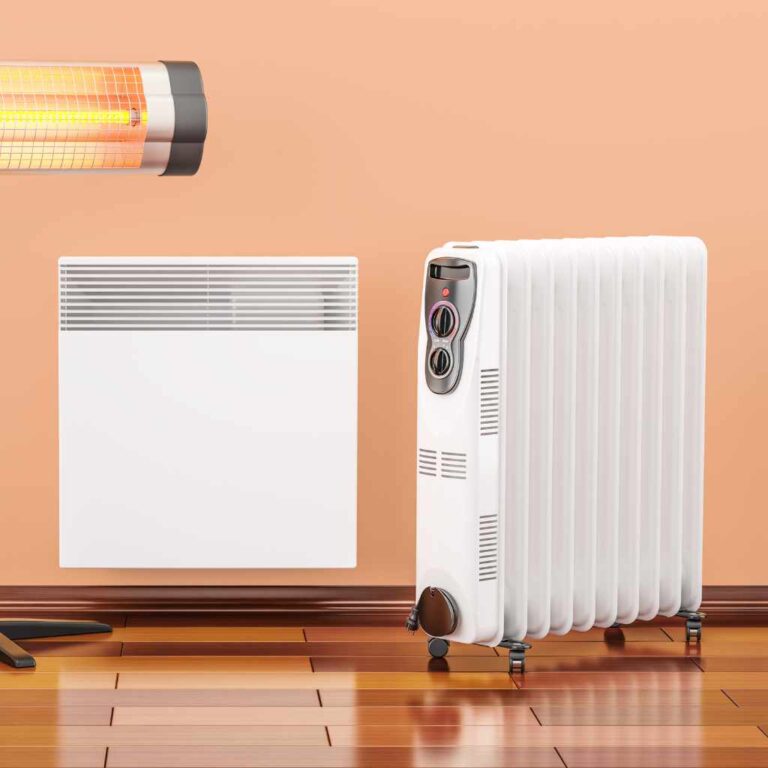
Infrared heaters emit heat via infrared rays that warm objects directly. Radiant heaters distribute heat through glowing elements, warming surfaces and air. Infrared is more energy-efficient and faster, while radiant offers broader heat coverage.
Are Infrared Heaters More Energy-efficient Than Radiant Heaters?
Yes, infrared heaters are generally more energy-efficient. They heat objects directly, reducing heat loss. Radiant heaters warm the air and surfaces, which can use more energy and take longer to feel warm.
Which Heater Type Is Safer For Indoor Use?
Infrared heaters are often safer indoors because they don’t heat the air or surfaces excessively. Radiant heaters can become very hot and pose burn risks. Always follow manufacturer safety guidelines for both types.
Can Infrared Heaters Warm Large Spaces Effectively?
Infrared heaters are best for small to medium-sized areas where direct heat is needed. They may struggle to heat large spaces evenly. Radiant heaters, with broader heat distribution, can better warm larger rooms.
Conclusion
Choosing between infrared heaters and radiant heaters depends on your needs. Infrared heaters warm objects and people directly. Radiant heaters heat the air around you. Both types save energy compared to traditional heaters. Infrared heaters work well in open spaces.
Radiant heaters suit small, enclosed rooms. Think about where you will use the heater most. Consider the size of your space and your comfort. Both options provide warmth efficiently and quickly. Decide what fits your home and budget best.