Are Convection Wall Heaters Safe to Use in Any Room?
Yes, convection wall heaters are generally very safe when installed and used correctly. This guide will walk you through their safety features and best practices so you can enjoy consistent warmth with peace of mind.
Struggling to keep your home cozy without worrying about safety? You’re not alone! Many homeowners wonder if adding a wall heater is the right choice for their family and their peace of mind. Convection wall heaters are popular for their efficient heating, but understanding their safety is key before you decide. This guide is here to make it simple, breaking down exactly how safe they are and what you need to know for worry-free operation.
Understanding Convection Wall Heaters: How They Work & Stay Safe
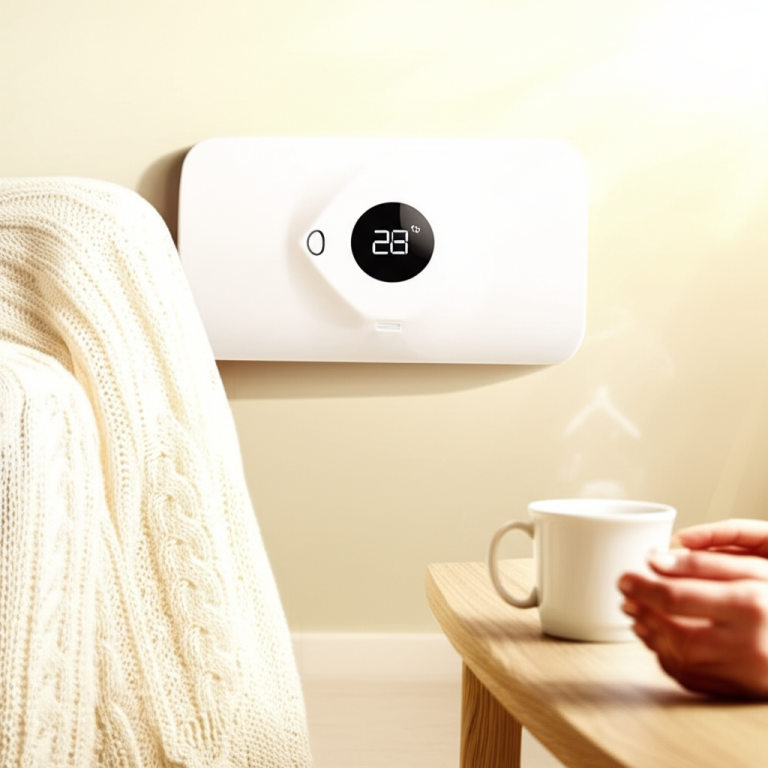
Convection wall heaters are a fantastic way to add targeted warmth to any room. They work by circulating warm air, creating a comfortable and consistent temperature. Think of them like a gentle hand warming a room, rather than a sudden blast. This steady nature is a big part of their appeal and their safety profile.
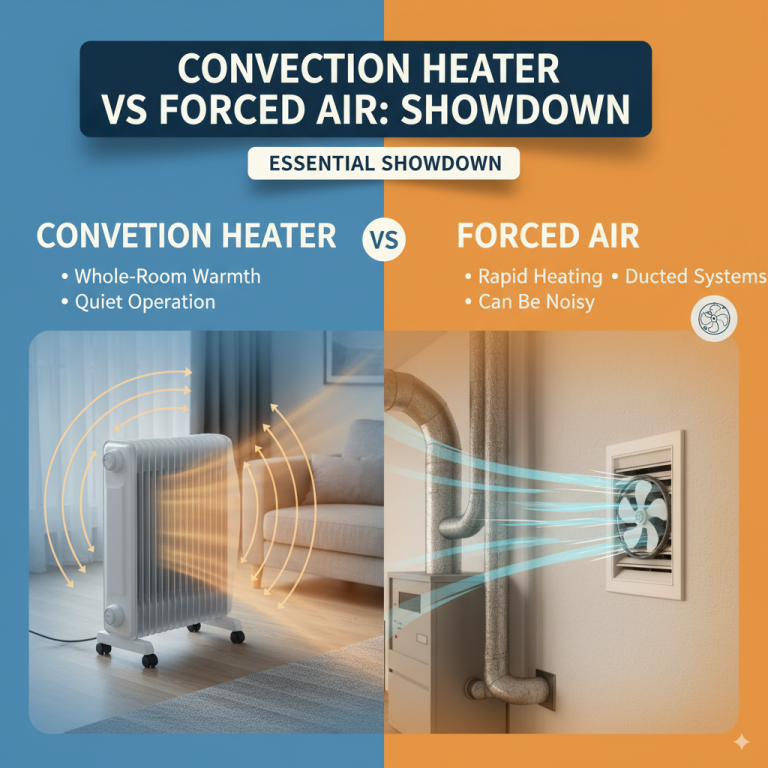
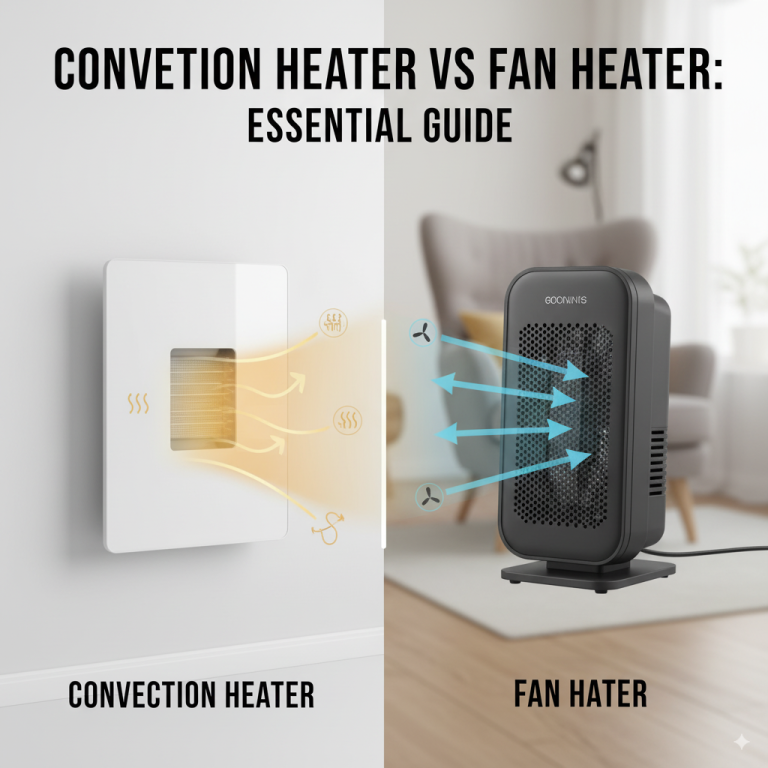
At their core, these heaters draw in cooler air from the room, heat it using an internal element, and then release the warm air back into the space. This continuous cycle is what “convection” heating is all about. Because they are mounted on the wall, they stay out of the way of foot traffic, which is a great benefit for busy households.
One of the most important aspects of their safety is how they are designed to prevent overheating and potential hazards. Modern convection wall heaters come equipped with several built-in safety mechanisms. These aren’t just add-ons; they are integral parts of the heater’s design, ensuring that you can rely on them day in and day out.
Key Safety Features That Make Convection Wall Heaters Secure
When we talk about safety, it’s good to know what’s actually protecting your home and family. Convection wall heaters are built with safety in mind. Here are some of the key features you’ll find in them:
- Automatic Shut-off Thermostat: This is like the heater’s built-in brain. If the air inside the heater gets too hot, or if the room reaches a set temperature, this thermostat will automatically turn the heater off. This prevents the unit from overheating and potentially causing problems.
- Overheat Protection: Beyond the thermostat, many heaters have an additional thermal cutoff switch. This acts as a backup safety measure, cutting power to the heating element if the internal temperature exceeds a critical limit, even if the main thermostat isn’t triggered.
- Sealed Heating Elements: The parts that actually get hot are often enclosed or sealed within the unit. This means they are not exposed to dust, debris, or flammable materials, significantly reducing the risk of ignition.
- Cool-Touch Exterior: While the inside gets warm, the exterior casing of many convection wall heaters is designed to remain relatively cool. This makes it much safer to be around, especially if young children or pets are nearby, reducing the risk of accidental burns.
- Tip-Over Protection (for portable models, less common in wall-mounted): Although most convection wall heaters are fixed, some portable models may include a tip-over switch that automatically shuts off the unit if it’s accidentally knocked over. This is more relevant if you’re considering a portable unit that uses convection.
- Tip: Always check the user manual for the specific safety features of your chosen model.
Installation is Crucial for Safety
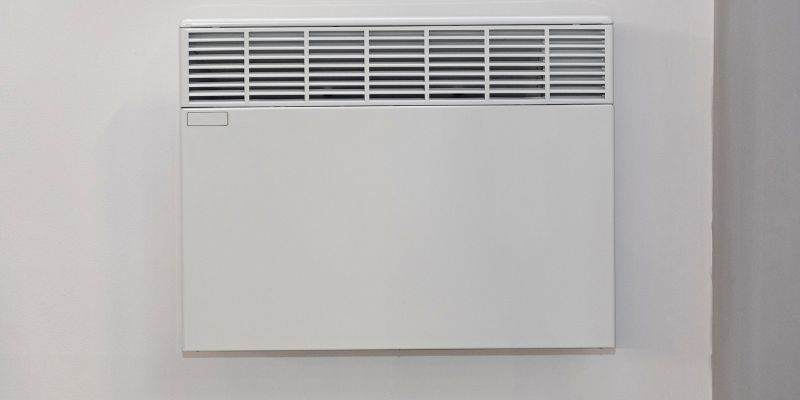
Even the safest heater can become a risk if it’s not installed correctly. Proper installation is the foundation of safe operation for your convection wall heater. It ensures the unit is securely mounted, properly wired, and located away from combustible materials. For this reason, professional installation is always recommended, especially if you’re not comfortable with electrical work.
A qualified electrician will ensure that the heater is connected to an appropriate circuit that can handle its power draw, that the wiring meets all local building codes, and that the unit is securely fastened to the wall. They will also follow the manufacturer’s specific mounting instructions, ensuring adequate clearance around the heater.
For those comfortable with DIY projects and electrical work, understanding basic electrical safety is paramount. This includes turning off the power to the circuit at your breaker box before beginning any work. It’s like closing the lid on a toolbox before you start using your tools – it’s a fundamental step to prevent mishaps.
Clearances are also a critical part of the installation. Manufacturers specify how much space the heater needs on all sides – above, below, and to the front and sides – to ensure proper airflow and to keep surrounding materials from getting too hot. This is vital to prevent fires. You can often find these guidelines in the Nuclear Regulatory Commission’s glossary of terms, which explains general clearance concepts in safety, though for heaters, always defer to the manufacturer’s specific manual.
Are Convection Wall Heaters Safe Around Children and Pets?
This is a common concern for families, and it’s smart to think about. The good news is that convection wall heaters can be safely used in homes with children and pets, provided you take a few precautions.
As mentioned, many models feature cool-touch exteriors, which significantly reduces the risk of burns. This means that while the air coming out is warm, the surfaces of the heater itself are not dangerously hot to the touch. This is a key design element for family-friendly heating.
However, it’s still important to teach children about how heaters work and that they are not toys. Keeping them a safe distance from the heater, especially curious toddlers or pets who might be tempted to explore, is always a good practice. Securing your heater, if it’s a model that allows for it, can also add an extra layer of safety.
Consider where you place the heater. Mounting it at a height that is out of reach for most children and pets can be a simple yet effective safety measure. If your heater is installed near furniture, ensure there’s still adequate clearance as specified by the manufacturer.
Best Practices for Safe Convection Wall Heater Use
Once your convection wall heater is installed, using it correctly means extending its lifespan and ensuring maximum safety for your home. It’s like driving a car – following the rules of the road keeps everyone safe. Here are some simple but important rules for using your heater:
Daily and Weekly Safety Checks
Making regular checks part of your routine is a smart habit. It helps catch minor issues before they become major ones.
- Visual Inspection: Regularly look at the heater. Check for any signs of damage to the cord, plug, or casing. Ensure the vents are clear and free of dust or debris.
- Listen for Unusual Noises: While heaters are generally quiet, any odd sounds like buzzing, clicking, or grinding could indicate a problem. Turn it off and investigate or call a professional if you hear anything out of the ordinary.
- Cleanliness is Key: Dust buildup can affect performance and, in extreme cases, become a fire hazard. Follow manufacturer instructions for cleaning the exterior and vents.
Important Do’s and Don’ts for Operation
These simple guidelines will help ensure your heater runs efficiently and safely:
Do:
- Read your owner’s manual thoroughly before operating.
- Ensure the heater is placed on a stable, level surface (if portable) or securely mounted (if wall-mounted).
- Allow adequate clearance around the heater as specified by the manufacturer.
- Keep curtains, drapes, furniture, and other flammable materials at a safe distance from the heater.
- Plug heaters directly into a wall outlet; avoid using extension cords if possible, as they can overheat.
- Turn off and unplug the heater when not in use or when cleaning it.
- Use the heater in a well-ventilated room.
- Monitor the heater regularly, especially when it’s running.
Don’t:
- Cover the heater with anything. This is a major fire risk.
- Place the heater near water sources like sinks, bathtubs, or showers.
- Use the heater in damp or wet locations unless specifically designed for them.
- Place anything on top of the heater.
- Allow children or pets to play near the heater.
- Try to repair the heater yourself if it stops working; contact a professional.
- Block the air vents or intake.
- Leave a functioning heater unattended for extended periods, especially overnight.
Energy Efficiency and Safety
Convection heaters are generally energy-efficient, which is good for your wallet and the environment. They heat a room evenly by circulating air, which often means they don’t have to work as hard as other types of heaters to maintain a comfortable temperature. Using them with a smart thermostat can further boost efficiency and safety by automatically adjusting the temperature based on your schedule.
To maximize their efficiency and safety, consider using them to heat specific rooms rather than trying to heat an entire house. This targeted approach uses less energy and ensures the heater isn’t overtaxed. For instance, if you only need to warm up your bedroom at night, a wall-mounted convection heater is a much more efficient and safer choice than a central heating system running on high.
Convection Wall Heaters vs. Other Types: A Safety Comparison
Understanding how convection wall heaters stack up against other common heating types can help you appreciate their safety features even more. Each type of heater has its own strengths and potential safety considerations.
| Heater Type | How it Heats | Primary Safety Features | Common Safety Concerns | Beginner-Friendly Safety Assessment |
|---|---|---|---|---|
| Convection Wall Heater | Circulates warm air throughout the room. | Automatic shut-off, overheat protection, sealed elements, cool-touch exteriors. | Clearance required from combustibles, proper installation is key. | Very Safe (with proper installation & use, features like cool-touch make them ideal for homes). |
| Radiant Heaters (e.g., Ceramic, Quartz) | Emits direct heat (like sunshine) that warms objects and people in its path. | Overheat protection, some have tip-over shut-off. | Can cause burns if touched directly, items placed too close can ignite, direct heat can be intense. Not ideal for very young children or homes where curious pets might interact closely. | Considered Safe (but require more vigilance around touchable surfaces and placement). |
| Fan-Forced Heaters (with exposed coils) | Uses a fan to blow air over a hot element. | Some have overheat protection. | Exposed coils can be a fire hazard if dust accumulates or if flammable material touches them. Can be noisy. | Less Safe (due to exposed heating elements, generally advise caution and frequent cleaning). |
| Oil-Filled Radiators | Heats oil inside, which then emits heat. Warms air and objects. | Thermostat control, often made with sealed elements, generally stable. | Can be slow to heat, exterior can get quite warm (though usually not enough to ignite), heavy. | Generally Safe (a good option for continuous, gentle warmth; exterior heat requires some awareness). |
As you can see from the table, convection wall heaters offer a robust set of safety features specifically designed to mitigate common heating risks. Their method of heating, combined with engineering for safety, makes them a reliable choice for consistent, comfortable, and secure heating.
Advanced Safety Features and Certifications
For an added layer of confidence, look for safety certifications. These organizations test products to ensure they meet rigorous safety standards. For appliances sold in North America, the most recognized certification is from organizations like UL (Underwriters Laboratories) or ETL (Intertek). Products with these marks have undergone testing and meet specific safety criteria.
You might also encounter features designed for smart home integration and increased safety, such as:
- Smart Home Connectivity: Some modern convection heaters can be controlled via a smartphone app. This allows you to monitor and adjust the temperature remotely, ensuring the heater isn’t left running unnecessarily. You can even receive alerts if the unit is performing abnormally.
- Programmable Thermostats: Many have built-in programmable thermostats. This lets you set specific heating schedules, so the heater is only on when you need it. This is not only energy-efficient but also safer, as it minimizes the time the heater is actively operating, reducing potential risks.
- Child Lock Features: Certain models include a child lock function for the controls, preventing little hands from changing the temperature or turning the unit on/off without authorization.
These advanced features add convenience and control, which directly enhance the overall safety of using the appliance. Knowing you can quickly check or adjust your heater from your phone provides significant peace of mind.
What to Do in Case of a Safety Concern
Even with the best safety features, it’s always good to know what to do if something seems amiss. Following these steps will help you act quickly and safely:
- If You Smell Burning: Immediately turn off the heater and unplug it from the wall outlet. If the smell persists or you see smoke, evacuate the area and call your local fire department.
- If the Heater Makes Strange Noises: Turn off the unit and unplug it. Do not try to operate it again until a qualified technician has inspected it.
- If the Exterior Becomes Dangerously Hot: This could indicate an internal malfunction or a blockage of airflow. Turn it off, unplug it, and ensure all vents are clear. If the issue remains, contact the manufacturer or a service professional.
- For Electrical Issues (Sparks, Damaged Cord): Do not touch the heater. Immediately shut off the power to that circuit at your main breaker panel and call an electrician.
Remember, your safety and the safety of your home are the top priorities. Never hesitate to unplug a heater and seek professional help if you have any doubts about its operation.
Frequently Asked Questions About Convection Wall Heater Safety
Here are some common questions homeowners have about keeping their convection wall heaters safe:
Q1: Can I leave a convection wall heater on overnight?
A: Yes, you generally can leave a modern convection wall heater on overnight, especially if it has a thermostat and overheat protection. However, ensure it has proper clearance and isn’t covered. For maximum safety and energy savings, consider using a programmable thermostat to lower the temperature when you sleep.
Q2: Are wall heaters safe to install near curtains or furniture?
A: No. You must always maintain the manufacturer’s recommended clearance from curtains, furniture, bedding, and any other flammable materials. This usually involves at least a few feet of clear space around the heater to prevent overheating or fire. Always check the installation manual for exact measurements.
Q3: How often should I have my convection wall heater professionally inspected?
A: While regular user maintenance (like cleaning vents) is important, having your heater professionally inspected every 1-3 years is a good practice, especially if it’s used frequently. A professional can identify potential issues you might miss and ensure it’s operating optimally and safely.
Q4: What should I do if I’m unsure about the installation?
A: If you have any doubts about your ability to install the heater safely, it’s always best to hire a qualified electrician. Proper installation is crucial for the safe and efficient operation of the unit.
Q5: Can a convection wall heater cause a room to become too dry?
A: While convection heaters circulate air, they don’t typically remove moisture the way some other heating systems might. However, any heating system can reduce relative humidity in a room. If you notice the air feels dry, consider using a humidifier.
Q6: Are there specific safety standards for convection heaters in the US?
A: In the US, portable electric heaters, including many convection types, must comply with UL 1278 or similar safety standards. For fixed units, electrical and building codes also apply. Look for certifications like UL or ETL on the product label, indicating it meets safety requirements.
Conclusion: Enjoying Warmth with Confidence
Convection wall heaters are a safe and effective way to boost comfort in your home, providing consistent warmth without excessive worry. By understanding how their safety features work, adhering to proper installation guidelines, and following best practices for their use, you can greatly minimize any potential risks.
Remember that features like automatic shut-off thermostats, overheat protection, and sealed heating elements are not just buzzwords; they are engineered safeguards designed to protect your home and family. Treating your heater with care – ensuring it’s installed correctly, kept clean, and given adequate clearance – is your part in maintaining a safe heating environment.
So, go ahead and embrace the cozy warmth. With the right knowledge and a little care, your convection wall heater can be a reliable and safe addition to your home for many seasons to come. If you ever have questions or notice anything unusual, always prioritize safety by unplugging