Central Heating vs. Space Heaters: Which Is Right for Your Home?
Hey there! If you’re trying to figure out how to keep your home warm and cozy, you’ve probably wondered whether central heating or space heaters are the better choice. I’ve spent a lot of time exploring this topic, diving into the pros and cons of both options, and I’m excited to share what I’ve learned with you. As someone who’s lived in chilly winters and toasty summers across the USA, I know how important it is to find a heating solution that fits your lifestyle, budget, and home. Let’s break down the differences between central heating and space heaters so you can make the best decision for your space. Grab a cup of coffee, and let’s dive in!
What Is Central Heating?
Central heating is like the backbone of home warmth. It’s a system that heats your entire house from one central point, usually through a furnace or boiler. The heat gets distributed through ducts, radiators, or underfloor pipes, keeping every room cozy. I remember when I moved into my first house with central heating—it felt like magic to have consistent warmth everywhere, from the living room to the upstairs bedrooms.
Most central heating systems in the USA run on natural gas, electricity, or oil. Gas furnaces are super common because they’re efficient and cost-effective in many areas. Electric systems are popular in milder climates, while oil-based systems are more common in older homes or rural areas. The beauty of central heating is its ability to maintain a steady temperature throughout your home. You set the thermostat, and the system does the rest. It’s low-maintenance and reliable, especially during harsh winters.
But it’s not perfect. Installation can be expensive if your home doesn’t already have the setup. I learned this the hard way when I looked into upgrading an older system—it’s a big investment! Plus, central heating can sometimes feel like overkill for smaller homes or apartments. If you’re only using a couple of rooms, heating the whole house might seem wasteful.
What Are Space Heaters?
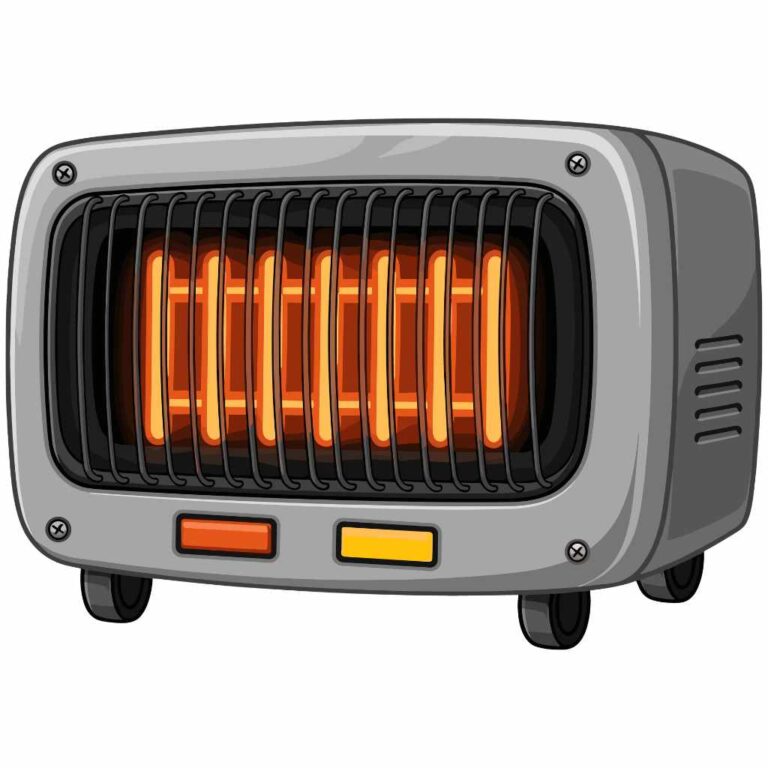
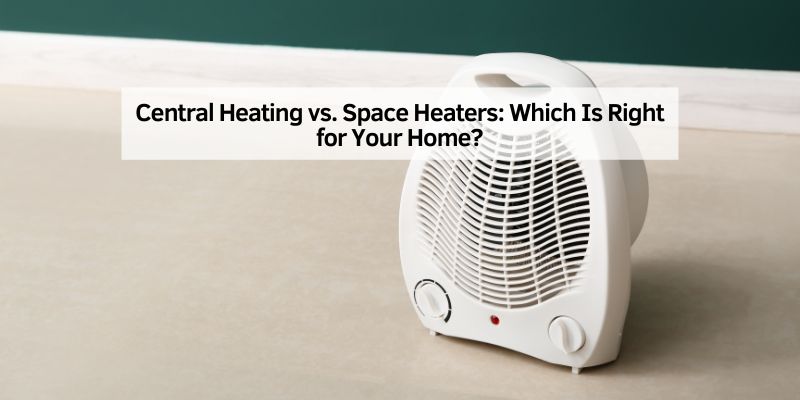
Space heaters, on the other hand, are portable devices that heat specific areas or rooms. They come in all shapes and sizes—electric, propane, or even kerosene-powered. I’ve used space heaters in my apartment days, especially when I wanted to warm up my bedroom without cranking up the heat for the whole place. They’re compact, easy to use, and perfect for targeting heat exactly where you need it.
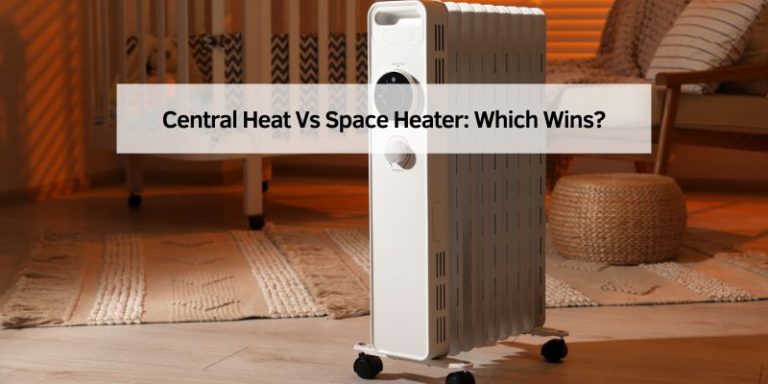
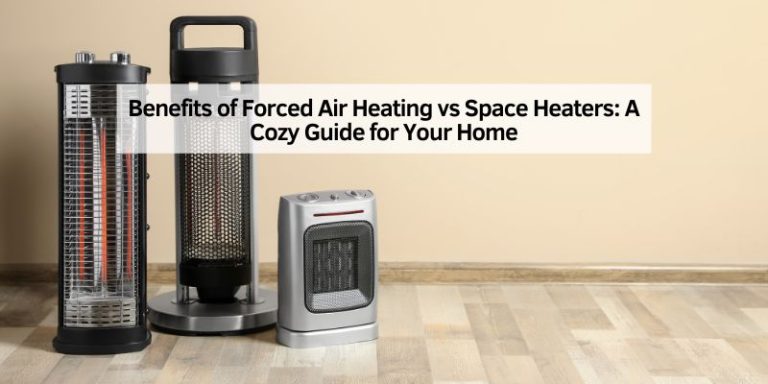
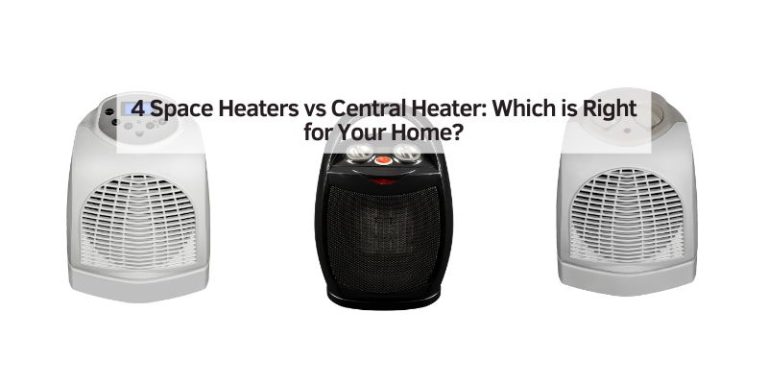
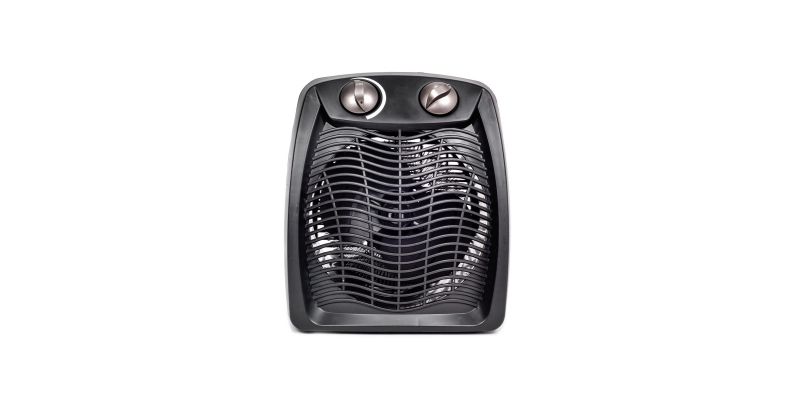
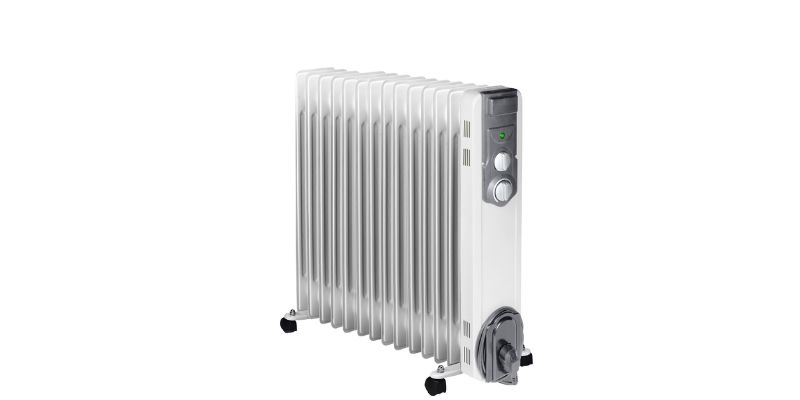
There are different types of space heaters. Ceramic heaters are great for quick warmth, oil-filled radiators provide steady heat, and infrared heaters are awesome for spot heating. I once had a tiny ceramic heater that saved me during a freezing winter in a drafty rental. You just plug it in, and within minutes, your space feels cozy.
The downside? Space heaters aren’t designed to heat large areas. If you’re trying to warm an entire house, you’d need multiple units, and that can get pricey and cumbersome. Safety is another concern—leaving a space heater unattended or near flammable items can be risky. I always made sure to keep mine away from curtains and turn it off when I left the room.
Cost Comparison: Upfront and Ongoing
Let’s talk money because heating your home isn’t cheap. Central heating systems have a high upfront cost. Installing a new furnace or boiler can set you back $3,000 to $10,000 or more, depending on your home’s size and the system’s efficiency. I remember getting quotes for a new gas furnace, and my jaw dropped at the numbers. If your home already has ductwork, the cost might be lower, but retrofitting an older home can be a budget-buster.
Space heaters are much easier on the wallet upfront. A decent electric space heater costs $30 to $150, depending on the features. You can pick one up at any hardware store or online, and there’s no installation needed—just plug and play. I bought a small ceramic heater for $50, and it lasted me years.
But here’s where it gets tricky: ongoing costs. Central heating is generally more efficient for heating an entire home. According to the U.S. Department of Energy, heating accounts for about 29% of a typical home’s energy bill. A modern gas furnace can have an efficiency rating of 90% or higher, meaning most of the energy turns into heat. Space heaters, especially electric ones, can be less efficient. Running multiple space heaters to warm a whole house can rack up your electric bill fast. I noticed this when I tried using two space heaters in my apartment—my bill spiked more than I expected.
Here’s a quick comparison table to break it down:
| Factor | Central Heating | Space Heaters |
|---|---|---|
| Upfront Cost | $3,000–$10,000+ (installation) | $30–$150 per unit |
| Ongoing Cost | Lower for whole-house heating | Higher if multiple units are used |
| Energy Efficiency | High (90%+ for modern systems) | Varies (less efficient for large spaces) |
| Installation | Professional required | None—plug and play |
Energy Efficiency and Environmental Impact
If you care about your carbon footprint, this part’s important. Central heating systems, especially newer models, are designed to be energy-efficient. High-efficiency furnaces or boilers use less fuel to produce more heat. I switched to a high-efficiency gas furnace a few years ago, and my energy bills dropped noticeably. Plus, if you live in an area with access to renewable energy sources, like hydroelectric or solar, your central heating can be greener.
Space heaters vary widely in efficiency. Electric space heaters convert nearly all their energy into heat, but electricity often comes from fossil fuels, depending on your region. Propane or kerosene heaters might be cheaper to run in some cases, but they release emissions directly into your home if not properly vented. I learned to check the energy rating on space heaters before buying—look for Energy Star-certified models to save some power.
For eco-conscious folks, central heating paired with a programmable thermostat is a winner. You can lower the temperature when you’re away or sleeping, saving energy without sacrificing comfort. Space heaters are trickier to optimize since you have to manually turn them on and off. I’ve forgotten to turn off a space heater before leaving the house, and let me tell you, it’s not a great feeling!
Flexibility and Control
One thing I love about space heaters is their flexibility. You can move them from room to room, and they’re perfect for small spaces like apartments or home offices. When I worked from home in a chilly basement, my space heater was a lifesaver. You only heat the room you’re in, which feels efficient when you’re living solo or in a small space.
Central heating, though, gives you control over your entire home’s temperature. With a good thermostat, you can set different temperatures for different times of the day. Some systems even let you control zones, so you can heat the living room but keep the guest bedroom cooler. I installed a smart thermostat last year, and now I can adjust the heat from my phone while I’m out—it’s like living in the future!
The catch with space heaters is that they’re not practical for large homes. If you have a big family or multiple rooms to heat, you’ll need several heaters, and managing them all can be a hassle. Central heating takes the guesswork out of keeping everyone comfortable.
Safety Considerations
Safety is a big deal when it comes to heating. Central heating systems are generally safe since they’re installed and maintained by professionals. Furnaces and boilers are tucked away in basements or utility rooms, out of reach of kids or pets. But they’re not risk-free. Carbon monoxide leaks are a concern with gas or oil systems, so you need a working carbon monoxide detector. I check mine every few months, just to be safe.
Space heaters require more caution. They can get hot to the touch, and tipping them over or placing them near flammable materials like curtains can cause fires. According to the National Fire Protection Association, space heaters are involved in about 1,700 home fires annually in the USA. I always make sure my space heater has safety features like tip-over protection and automatic shut-off. It’s also crucial to plug them directly into a wall outlet—not an extension cord—to avoid electrical issues.
Maintenance and Longevity
Central heating systems need regular maintenance to stay in top shape. I schedule a professional tune-up for my furnace every fall to make sure it’s ready for winter. Filters need replacing, and ducts might need cleaning to keep the air quality good. A well-maintained system can last 15–20 years, which is a solid investment.
Space heaters are low-maintenance. You might need to dust them off or clean the fan occasionally, but that’s about it. However, they don’t last as long—typically 3–10 years, depending on the model and how often you use it. I’ve had to replace a couple of space heaters over the years, which can add up if you’re not careful.
Ideal Use Cases
So, which one’s right for you? It depends on your home and lifestyle. Central heating is ideal for larger homes, families, or anyone who wants consistent warmth throughout the house. If you live in a cold climate like Minnesota or New York, central heating is probably your best bet. It’s reliable, efficient for whole-house heating, and keeps everyone comfortable.
Space heaters shine in smaller spaces or for supplemental heat. If you’re in an apartment, a dorm, or a small house, a space heater can be a budget-friendly option. They’re also great for boosting warmth in specific areas, like a chilly bathroom or a drafty office. I used a space heater to keep my garage workshop toasty during a DIY project last winter, and it worked like a charm.
Aesthetic and Space Considerations
Let’s talk about how these options fit into your home’s vibe. Central heating is discreet—ducts and vents blend into your walls or floors. You don’t notice the system unless you’re adjusting the thermostat. It keeps your space clutter-free, which I appreciate as someone who loves a clean, minimalist look.
Space heaters, though, can be a bit of an eyesore. Even the sleekest models take up floor space or need a spot on a table. If you’re tight on space, like in a small apartment, they can feel like one more thing to trip over. That said, some modern space heaters come in stylish designs that blend better with your decor. I found a tower heater that looked pretty chic in my living room, but it still needed its own corner.
Making the Right Choice for Your Home
Choosing between central heating and space heaters comes down to your needs, budget, and home setup. If you own a larger home and plan to stay there for years, investing in a central heating system makes sense. It’s efficient, reliable, and adds value to your property. But if you’re renting, living in a small space, or just need a quick heating fix, space heaters are a practical choice.
I’ve used both over the years, and each has its place. In my current house, central heating keeps us warm all winter, but I still keep a space heater handy for chilly spring mornings or when I’m working in the garage. Think about your lifestyle, how much you’re willing to spend upfront, and whether you need whole-home heat or just a cozy corner.
Conclusion
Deciding between central heating and space heaters doesn’t have to be overwhelming. Both options have their strengths, and the best choice depends on what works for your home and budget. Central heating offers consistent, whole-home comfort and long-term efficiency, perfect for families or larger spaces. Space heaters give you flexibility and affordability, ideal for small homes or targeted warmth. I’ve loved experimenting with both over the years, and I hope my insights help you find the perfect way to stay warm. Whatever you choose, prioritize safety, efficiency, and comfort to make your home a cozy haven all winter long. Stay warm out there!
FAQs
Should I Use a Space Heater to Heat My Entire House?
No, space heaters aren’t designed to heat an entire house. They work best for small spaces or single rooms. Using multiple space heaters to warm a whole house can be inefficient and expensive, and it might not provide even heat. For whole-home heating, central heating is the better option.
Is Central Heating More Expensive to Run Than Space Heaters?
It depends on your home and usage. Central heating is usually more cost-effective for heating an entire house, especially with a high-efficiency system. Space heaters can be cheaper for heating one or two rooms, but running several units can drive up your electric bill.
Are Space Heaters Safe to Use Overnight?
It’s generally not recommended to leave space heaters on overnight due to fire risks. If you must use one, choose a model with safety features like tip-over protection and automatic shut-off. Never leave it unattended, and keep it away from bedding or flammable materials.
Can I Install Central Heating in an Older Home?
Yes, but it can be costly. Older homes may not have ductwork or the right setup, so you might need to retrofit ducts or install a new system. I’d recommend getting quotes from HVAC professionals to see if it fits your budget.
Which Is Better for the Environment?
Central heating systems, especially high-efficiency models paired with renewable energy sources, tend to be more eco-friendly for whole-home heating. Space heaters can be less efficient, especially electric ones, if your electricity comes from fossil fuels. Look for Energy Star-certified space heaters to reduce your impact.