How to Clean Portable Heaters: Easy Steps for Spotless Warmth
Your portable heater keeps you warm and cozy during chilly days. But have you ever thought about how clean it really is?
A dirty heater can work less efficiently, use more energy, and even cause unpleasant smells or safety issues. You don’t want that, right? You’ll discover simple and effective steps to clean your portable heater quickly and safely. By the end, your heater will run smoother, last longer, and keep your space comfortably warm all season.
Let’s get started!
Safety Tips Before Cleaning
Cleaning your portable heater is important to keep it working well. Safety comes first before you start. Following safety tips helps avoid accidents and damage. Take these steps seriously to protect yourself and your heater.
Unplugging The Heater
Always unplug the heater before cleaning. This stops electricity from flowing. It lowers the risk of electric shock. Never clean a heater while it is plugged in.
Cooling Down Completely
Let the heater cool down fully before touching it. Hot parts can burn your skin. Wait at least 30 minutes after turning it off. This makes cleaning safe and easy.
Choosing The Right Cleaning Area
Pick a well-lit, open space to clean your heater. Avoid wet or crowded places. A clear area helps you see dirt and dust. It also prevents accidents during cleaning.
Tools And Materials Needed
Cleaning a portable heater requires some basic tools and materials. These items help remove dust and dirt safely. Using the right tools makes the job easier and protects your heater.
Gather everything before you start. This saves time and prevents interruptions. Below are the main tools and materials needed for cleaning a portable heater.
Soft Cloths And Brushes
Soft cloths are gentle on heater surfaces. They prevent scratches and remove dust easily. Use microfiber cloths for the best results. Brushes with soft bristles reach small crevices. They help clean vents and grills without damage.
Vacuum Cleaner Attachments
Vacuum cleaner attachments remove loose dust quickly. A brush attachment works well on grills and vents. Use a narrow nozzle to reach tight spaces. Vacuuming prevents dust from spreading into the air. It also helps clean inside parts carefully.
Mild Detergents And Cleaners
Mild detergents clean dirt without harming the heater. Mix a small amount with water for safe use. Avoid harsh chemicals that can damage surfaces. Use cleaners made for delicate appliances. Test a small area first to check for any reaction.
Cleaning The Exterior
Cleaning the exterior of your portable heater keeps it looking good and working well. Dirt and dust can build up on the outside, making the heater less efficient. Regular cleaning helps prevent damage and keeps the heater safe to use.
Wiping Down Surfaces
Start by unplugging the heater and letting it cool completely. Use a soft cloth dampened with mild soap and water. Gently wipe all outer surfaces to remove smudges and stains. Avoid using harsh chemicals that can damage the finish. Dry the surfaces with a clean, dry cloth to avoid streaks.
Removing Dust And Dirt
Dust can settle in hard-to-reach places on the heater’s body. Use a microfiber cloth or a soft brush to remove dust from corners and edges. A vacuum cleaner with a brush attachment works well to suck up loose dirt. Keeping dust away helps the heater run smoothly and reduces fire risk.
Cleaning Vents And Grills
Vents and grills allow air to flow and must stay clear. Use a small brush or a vacuum to clean these areas carefully. Remove any stuck dirt or debris gently to avoid damage. Clear vents improve airflow and heating efficiency, making your heater safer and more effective.

Cleaning The Interior Components
Cleaning the interior components of a portable heater is important for its safety and efficiency. Dust and dirt can build up inside. This buildup can block airflow and cause the heater to overheat. Regular cleaning helps your heater last longer and work better.
Accessing The Interior Safely
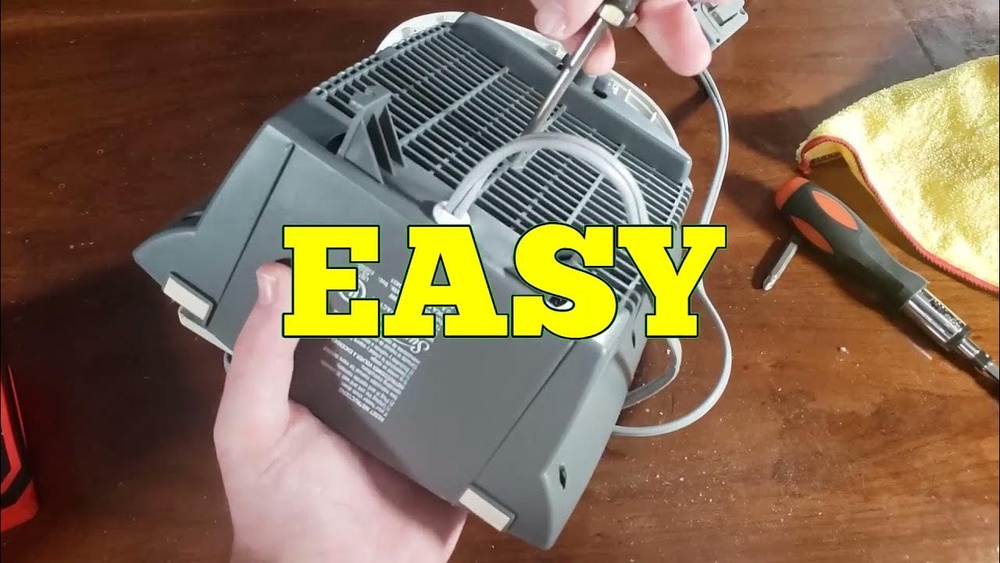
Unplug the heater before opening it. Let it cool down completely. Use a screwdriver to remove screws on the back or bottom. Keep screws in a safe place. Open the heater gently to avoid breaking parts. Avoid touching wires or circuit boards.
Removing Dust From Fans And Heating Elements
Use a soft brush or cloth to clean dust. Blow out dust with a can of compressed air. Clean fan blades carefully to avoid bending them. Wipe heating elements lightly to remove dirt. Do not use water or liquids inside the heater.
Checking For Damage Or Wear
Look for cracks, rust, or broken parts. Check fan blades for chips or bends. Inspect wiring for frayed or exposed wires. Replace any damaged parts before reassembling. Damaged parts can cause safety hazards or poor performance.
Maintaining Heater Filters
Maintaining heater filters is a key step to keep your portable heater working well. Clean filters help the heater warm your space efficiently. Dirty filters block airflow and can cause the heater to overheat or use more energy.
Regular filter care also improves the air quality in your room. Dust and allergens get trapped in the filter, so cleaning or changing it helps keep your air fresh. Knowing how to handle heater filters can save money and extend the heater’s life.
Locating The Filters
Find the filter by checking the heater’s manual first. Most portable heaters have a panel that you can open. The filter usually sits behind this panel. It looks like a small mesh screen or foam pad. Some heaters have filters on the back or sides. Handle the filter gently to avoid damage.
Washing And Drying Filters
Remove dust by tapping the filter lightly outside. Wash the filter with warm water and mild soap. Use your fingers to rub off dirt softly. Rinse the filter well to remove soap. Let the filter dry completely before putting it back. Never use heat to dry the filter as it may shrink.
Replacing Filters When Needed
Check the filter for holes or tears. If it looks damaged or very dirty, replace it. Some filters last a few months, others longer. Follow the heater manual for the right replacement filter type. Installing a new filter keeps the heater running smoothly. Keep spare filters on hand for easy changes.

Preventive Maintenance Tips
Keeping your portable heater clean helps it work well and last longer. Simple maintenance stops dust and dirt from building up. This saves energy and keeps your heater safe to use. Follow these easy tips to take care of your heater regularly.
Regular Cleaning Schedule
Set a cleaning routine for your heater. Dust and dirt can block airflow and make the heater less efficient. Clean the heater at least once a month during use. Turn off and unplug the heater before cleaning. Use a soft cloth or brush to remove dust from vents and surfaces.
Proper Storage During Off-season
Store your heater in a dry, cool place when not in use. Cover it with a cloth or plastic cover to stop dust buildup. Avoid storing near moisture to prevent rust and damage. Check the heater before storing and clean it if needed.
Avoiding Common Cleaning Mistakes
Do not use water or liquid cleaners on electric parts. Avoid harsh chemicals that can damage the heater’s surface. Never use sharp objects to clean vents or grills. Do not ignore the manufacturer’s cleaning instructions. These mistakes can cause damage or reduce heater life.
Frequently Asked Questions
How Often Should I Clean My Portable Heater?
Clean your portable heater every 2-3 months. Regular cleaning prevents dust buildup and improves heating efficiency. Always unplug the heater before cleaning to ensure safety.
What Tools Do I Need To Clean A Portable Heater?
Use a soft brush, microfiber cloth, and vacuum cleaner with a brush attachment. These tools help remove dust and debris safely without damaging the heater.
Can I Use Water To Clean My Portable Heater?
Avoid using water directly on your heater. Use a damp cloth for external surfaces only. Water can damage electrical components and cause safety hazards.
How Do I Clean The Heater’s Air Vents Effectively?
Use a vacuum with a brush attachment to clean air vents. This method removes dust and improves airflow, enhancing heater performance and safety.
Conclusion
Cleaning portable heaters keeps them working well and safe. Dust and dirt can block heat and cause problems. Regular cleaning saves energy and extends heater life. Always unplug the heater before you start cleaning. Use a soft cloth and avoid water inside the unit.
Check the filter and vents for dust build-up. A clean heater warms your space better and feels nicer. Simple care helps you enjoy warmth all winter long. Don’t forget to clean often for best results.