Yes, You Can Use a Buddy Heater Indoors Safely
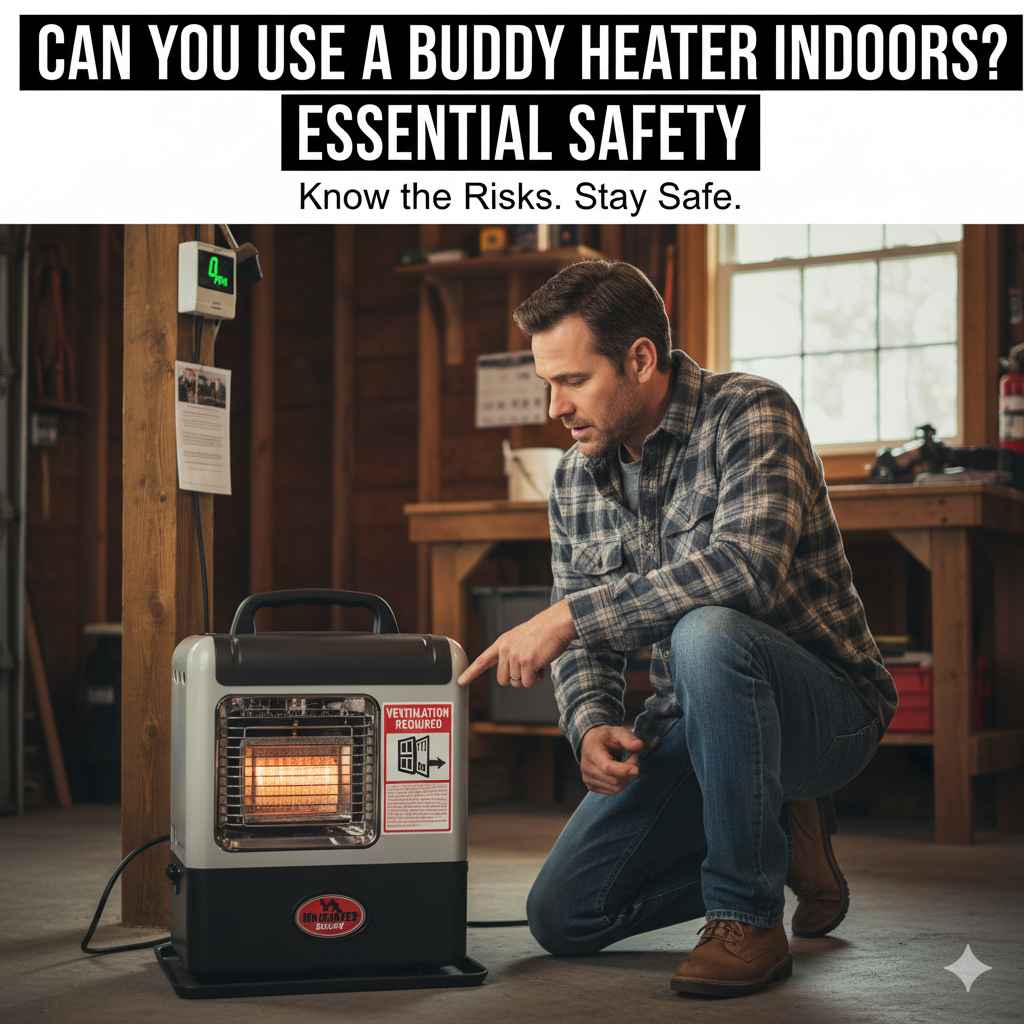
Yes, you can use a Mr. Heater Buddy heater indoors under specific, strictly controlled conditions. Safety is paramount, requiring adequate ventilation and adherence to all manufacturer guidelines to prevent carbon monoxide poisoning. Never use it in a completely sealed space.
Feeling a chill indoors and looking for a quick heat solution? Many of us have seen those popular portable propane heaters, often called “Buddy Heaters,” and wondered if they could be a cozy addition to our living spaces. It’s a common question, especially when the power goes out or a room just won’t stay warm. You want to be comfortable, but more importantly, you want to be safe. Figuring out if and how to use a heater like this indoors can feel a bit daunting. But don’t worry! We’re here to break it down simply, step-by-step, so you can make an informed and safe choice. We’ll cover exactly what you need to know about using a Buddy Heater inside your home and keeping your loved ones safe.
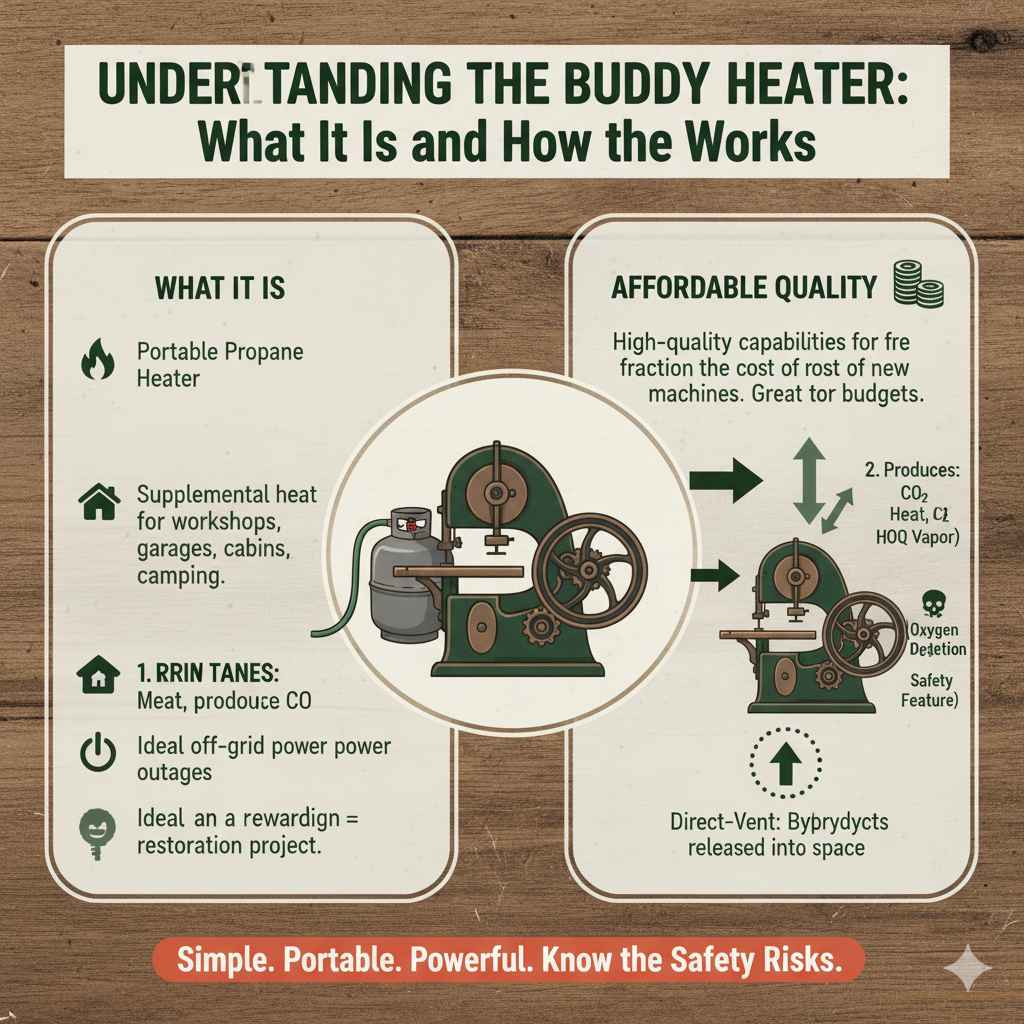
Understanding the Buddy Heater: What It Is and How It Works
A Buddy Heater, most commonly referring to the Mr. Heater Buddy brand, is a compact, portable propane heater designed for temporary, supplemental heat. Its primary design purpose has historically been for use in areas like garages, workshops, hunting blinds, or during outdoor events where little to no electricity is available. They work by burning propane to generate heat, which makes them incredibly useful in off-grid situations or during power outages.
These heaters are known for their ease of use and portability. They typically connect directly to a small, 1lb propane cylinder, or can be adapted to use larger propane tanks with an extension hose. The key components include a burner, a safety grill, and often a tip-over switch and an oxygen depletion sensor (ODS) as built-in safety features. The instant heat they provide is a big draw, making them seem like an ideal solution for a cold basement or a drafty spare room.
How Propane Heaters Generate Heat
At its core, a Buddy Heater is a direct-vent propane appliance. This means that the combustion process happens directly within the heater itself, and the products of that combustion (like carbon monoxide) are released into the space where the heater is operating. When propane burns, it reacts with oxygen to produce carbon dioxide, water vapor, and, crucially, carbon monoxide (CO) if the combustion is incomplete or oxygen levels are low. This is where the main safety concerns arise when using them indoors.
The heat generated is then radiated into the surrounding area. Unlike electric heaters that convert electricity directly into heat, propane heaters undergo a chemical reaction. This process is efficient for producing a lot of heat quickly, but it also means that controlling the byproducts of this reaction is absolutely critical for safety.
The Big Question: Can You Use A Buddy Heater Indoors?
This is the million-dollar question, and the answer comes with significant caveats. Officially, Mr. Heater and many other reputable sources state that their Buddy heaters are designed for indoor use ONLY when used in accordance with the manufacturer’s instructions, which crucially includes proper ventilation. They are NOT designed for use in completely sealed or unventilated spaces. This distinction is vital.
Think of it this way: while they are intended for indoor use, this doesn’t mean they are safe for any indoor environment. They are a supplemental heat source, meaning they are meant to provide extra warmth, not to be the primary heating system for your home. Using them requires an understanding of how they work and the potential risks involved.
Why the Confusion?
The confusion often stems from the fact that these heaters are portable and versatile. People see them as a convenient way to heat a garage, a tent, or a shed, and then naturally wonder if that convenience extends to their living room or bedroom. However, the environments where they are most commonly seen used (like a drafty garage or a small hunting blind) are often different from a typical, relatively well-sealed home. The key difference often lies in the air exchange rate of the space.
Many people might have used them without incident in a slightly drafty space, leading to a false sense of security. The danger arises when they are used in spaces with insufficient fresh air, which is more common in modern, energy-efficient homes or in smaller, enclosed rooms where air doesn’t circulate freely.
Essential Safety Measures for Indoor Buddy Heater Use
Safety MUST be your top priority. Buddy heaters produce byproducts of combustion, most notably carbon monoxide (CO), which is a colorless, odorless, and deadly gas. Proper ventilation is the absolute cornerstone of safe indoor use. When we talk about ventilation, we mean allowing a constant flow of fresh outdoor air into the indoor space while the heater is operating.
1. Ventilation is Non-Negotiable
This is the single most important safety rule. You need to ensure there’s adequate fresh air circulating. For supplemental use in larger, well-ventilated spaces, this might mean opening a window or door slightly. The goal is to ensure that the heater has enough oxygen to burn propane cleanly and to prevent a dangerous buildup of carbon monoxide.
- How Much Ventilation? Manufacturers often recommend a minimum opening, such as cracking a window an inch or two on the opposite side of the room from the heater. However, the exact amount needed can depend on the size of the room, how well-sealed it is, and the size of the heater. For larger heaters or smaller, tighter spaces, more ventilation might be required.
- Never in a Sealed Space: Do not, under any circumstances, use a Buddy Heater in a completely sealed room, a basement without proper ventilation, a small RV, or a tent unless specifically designed for indoor use with approved ventilation.
- Monitor Air Quality: The best way to ensure safety is by using carbon monoxide detectors.
2. Install Carbon Monoxide Detectors
This is not optional; it’s absolutely essential. A working CO detector is your early warning system. Place detectors on each level of your home, and especially near sleeping areas. Test them regularly, and replace batteries as needed. If your CO detector sounds, evacuate the area immediately and call emergency services.
- Placement: Install detectors on every level of your home. Follow manufacturer recommendations for placement relative to fuel-burning appliances.
- Types: Combination smoke and CO detectors are available and offer comprehensive protection.
- Maintenance: Check batteries monthly and replace CO detectors every 5-10 years, depending on the model.
3. Always Use the Heater on a Level Surface
Buddy Heaters are equipped with a tip-over safety device. If the heater is knocked over, it will shut itself off. To ensure this feature works effectively, always place the heater on a stable, level surface. Avoid placing it on uneven ground, loose rugs, or near anything that could cause it to tip.
4. Maintain a Safe Distance from Combustibles
Like any heating device, Buddy Heaters generate heat that can ignite flammable materials. Always keep the heater at least a few feet away from furniture, curtains, bedding, paper, and other combustible items. Check the heater’s manual for specific clearance recommendations, but a common guideline is 2-3 feet in all directions.
5. Never Leave a Buddy Heater Unattended
When the heater is in use, it should never be left unattended, especially while people are asleep. This is especially true if you are using it for extended periods or overnight. The risk of a malfunction, a tip-over, or a blockage in a vent opening increases when the heater is left running without supervision.
6. Monitor Fuel Levels and Connections
Ensure that propane cylinders are properly connected and not leaking. Periodically check connections for leaks using a soapy water solution – look for bubbles. Never use a heater with a damaged hose or connection. When changing cylinders, do so in a well-ventilated area away from any open flames or sparks.
7. Do Not Use for Drying Clothes or Other Objects
Buddy Heaters are designed to produce heat, not to be a drying rack. Placing damp clothes or other materials on or too close to the heater can create a fire hazard and can also interfere with the heater’s operation and efficiency.
Buddy Heater Models and Their Indoor Suitability
Mr. Heater offers several models, and while they often share similar safety features, their intended use and BTU output can vary. Understanding the specific model you have is crucial.
Mr. Heater “Little Buddy” (9,000 BTU)
The “Little Buddy” is one of the smaller models. It’s rated for indoor use but still requires critical ventilation. Its lower BTU output means it’s best suited for small, enclosed spaces like a small tent, a temporary shed, or a very small room. Even with its smaller size, the safety precautions remain the same: ventilation and CO detectors are a must.
Mr. Heater “Big Buddy” (18,000 BTU)
The “Big Buddy” is a more powerful unit. While also rated for indoor use under specific conditions, its higher heat output means it consumes more fuel and produces more combustion byproducts. This makes adequate ventilation even more critical. It’s generally recommended for larger spaces, but again, never in a fully sealed environment. The need for a CO detector is amplified with more powerful heaters.
Other Portable Propane Heaters
There are many other brands and models of portable propane heaters. Always consult the manufacturer’s manual for your specific heater. If the manual states “for indoor use only,” it implies with proper ventilation. Heaters designed specifically for indoor use will have more advanced safety features and clearer instructions. Heaters without ODS and ignition shut-off are generally not recommended for indoor use at all.
When NOT to Use a Buddy Heater Indoors
There are certain situations where using a Buddy Heater indoors is simply too risky, no matter what precautions you take. These include:
- Small, Tightly Sealed Spaces: Think of a very small, modern RV, a well-sealed camping tent, or a tiny room where there’s little to no natural air exchange. These spaces can quickly accumulate dangerous levels of CO.
- Sleeping Areas Unattended: Never run a Buddy Heater unattended in a bedroom or any area where people are sleeping. The risk of CO buildup is highest during extended periods of sleep.
- During High-Pollution Events: If there is any existing concern about indoor air quality (e.g., due to smoke from wildfires), avoid introducing another source of combustion byproducts.
- If you lack a working CO detector: If you don’t have a reliable, tested carbon monoxide detector, do not use the heater indoors.
- If you cannot ensure adequate ventilation: If you live in a very cold climate and cannot safely open a window or door to provide ventilation, it’s better to find an alternative heating solution.
Ventilation vs. Air Circulation
It’s important to distinguish between air circulation and ventilation when it comes to propane heaters.
| Feature | Description | Relevance to Buddy Heaters |
|---|---|---|
| Air Circulation | The movement of air within a space, often facilitated by fans. | Helps distribute heat evenly but does not bring in fresh outdoor air. It can move CO around but doesn’t resolve the underlying issue. |
| Ventilation | The process of exchanging indoor air with outdoor air. This is essential for providing the oxygen needed for clean combustion and for diluting and removing harmful byproducts like CO. | Crucial for safe indoor use of Buddy Heaters. Without it, CO can build up to dangerous levels. Examples include opening a window or door. |
Using a fan to simply move air around doesn’t solve the problem of oxygen depletion or carbon monoxide buildup. You need actual air exchange with the outside.
Alternatives to Buddy Heaters for Indoor Use
If you’re looking for safe and effective ways to heat your home or specific rooms, especially when dealing with a power outage or a cold spot, consider these alternatives:
- Electric Space Heaters: These are generally the safest option for supplemental indoor heating. They don’t produce combustion byproducts. Look for models with automatic shut-off features and thermostat controls to manage energy use.
- Infrared Heaters: These heat objects directly rather than the air. They are energy-efficient and can be a good option for targeted warmth. Ensure they are placed safely away from combustibles.
- Wall Heaters (Electric or Gas with Direct Venting): For more permanent solutions, consider permanently installed electric baseboard heaters or gas wall heaters that are properly vented to the outside. These are designed for safe indoor operation.
- Wood-Burning Stoves/Fireplaces: When properly installed and maintained, these can provide significant heat. Always ensure they are vented correctly and that your chimney is clean and clear.
- Generators with Electric Heaters: If you have a generator, you can safely power electric space heaters. Ensure your generator is operated outdoors and far from any windows or doors to prevent CO intrusion. The National Fire Protection Association (NFPA) provides excellent
guidance on
carbon monoxide safety, emphasizing the importance of detectors and ventilation.
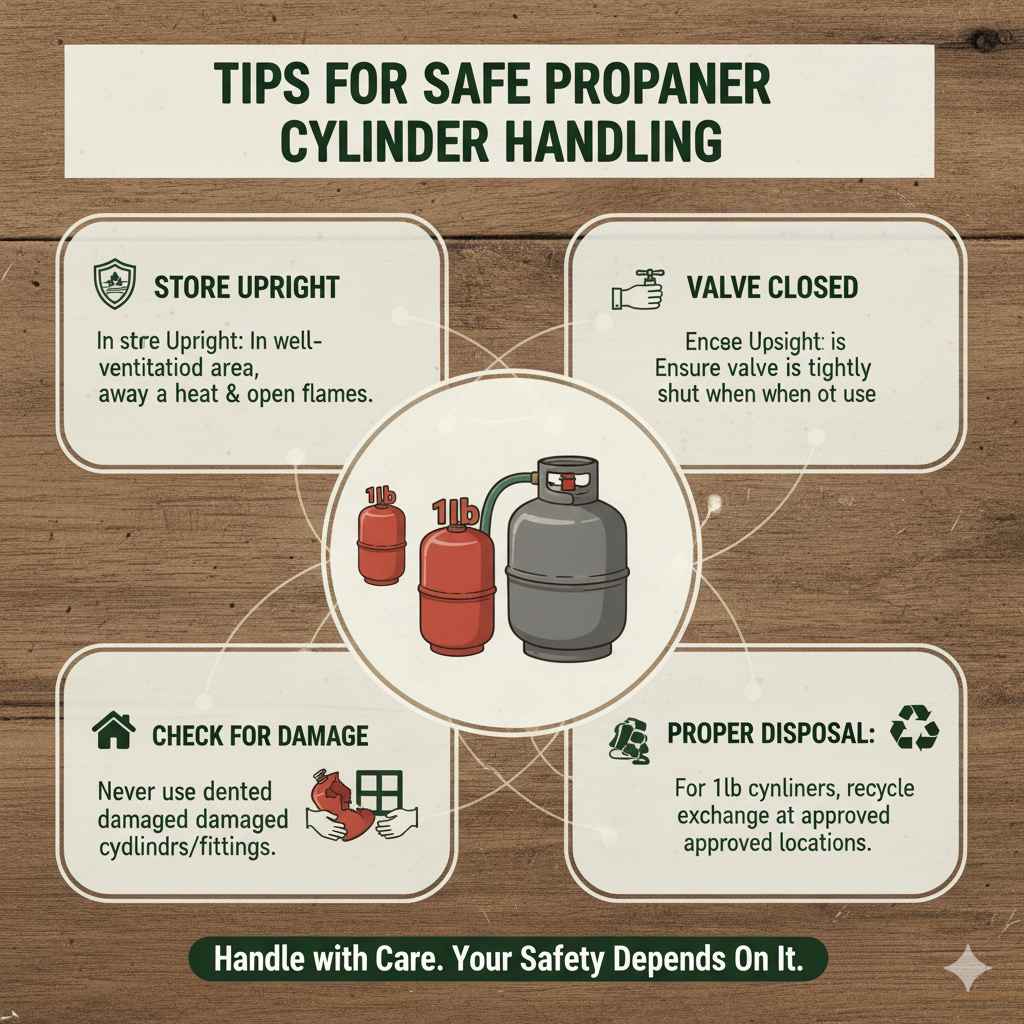
Tips for Safe Propane Cylinder Handling
Propane cylinders, whether the small 1lb disposable ones or larger refillable tanks, require careful handling.
- Always store propane cylinders upright in a well-ventilated area, away from heat sources and open flames.
- Ensure the valve is tightly closed when not in use.
- Dispose of empty 1lb cylinders properly. Many recycling centers accept them, or they can often be exchanged at stores.
- When connecting or disconnecting cylinders, do so in a well-ventilated area.
- Never use a damaged cylinder or a heater with damaged fittings.
Frequently Asked Questions (FAQs)
Q1: Can I use a Mr. Heater Buddy in my basement?
You can, but only if the basement is adequately ventilated. Ensure there is a constant supply of fresh air, perhaps by opening a window or door slightly. Crucially, always have a working carbon monoxide detector installed in the basement.
Q2: How much ventilation is enough for a Buddy Heater?
There’s no single answer as it depends on room size, seal, and heater output. As a general rule, open a window or door on the opposite side of the room from the heater by at least an inch or two. If you feel stuffy or the window is fully closed, it’s likely not enough.
Q3: Can I use a Buddy Heater in my RV or camper?
It is strongly advised against using most portable propane heaters like Mr. Heater Buddy in enclosed RVs or campers unless the appliance is specifically designed and approved by the RV manufacturer for such use. Standard Buddy heaters lack the necessary direct venting for the confined air space of an RV, leading to a high risk of carbon monoxide poisoning.
Q4: Is it safe to run a Buddy Heater all night while sleeping?
It is generally NOT recommended to run a Buddy Heater unattended all night, especially in sleeping areas. While they have safety features, the risk of carbon monoxide buildup or malfunction increases over extended, unsupervised periods. It’s safer to use them for short periods to take the chill off or to use a dedicated, safely vented, or electric heating source for overnight warmth.
Q5: What’s the difference between a Mr. Heater Buddy and a Mr. Heater Buddy FLEX?
The Mr. Heater Buddy FLEX is designed with an internal fan and a digital thermostat, offering more precise temperature control and better heat distribution. While it still requires proper ventilation, the fan can help circulate air more effectively. However, the fundamental safety principles regarding ventilation and CO detection still apply.
Q6: Can I use an extension hose to connect a larger propane tank to my Buddy Heater indoors?
Yes, you can use a Mr. Heater approved extension hose to connect to a larger propane tank (e.g., 20lb tank). However, doing so does not change the ventilation requirements. You still need sufficient fresh air exchange. Ensure the hose is approved for indoor use and is properly connected.
Q7: My Buddy Heater smells like propane. Is that normal?
A faint smell of propane when igniting or shutting down is sometimes normal, but a strong, persistent smell indicates a problem. This could be a leak in the connections, a faulty valve, or incomplete combustion. If you smell propane strongly, shut off the heater immediately, ventilate the area, and check all connections. Do not use the heater again until the issue is resolved.
Conclusion: Warmth and Safety Go Hand-in-Hand
We all want our homes to be warm and comfortable, and a Buddy Heater can seem like an attractive, easy solution. The critical takeaway is that while Buddy Heaters are rated for indoor use, this always comes with the essential requirement of adequate, fresh ventilation. They are supplemental heat sources, not replacements for your primary heating system, and their use demands vigilance and respect for the power of propane and the dangers of carbon monoxide.
By prioritizing safety above all else – ensuring proper ventilation, installing and maintaining carbon monoxide detectors, maintaining safe clearances, and never leaving the heater unattended in a sealed space