Do Indoor Heaters Release Indoor Air Pollutants?
Quick Summary: Yes, some indoor heaters release indoor air pollutants, especially combustion-based models like unvented gas or kerosene heaters, by producing carbon monoxide (CO) and nitrogen dioxide (NO2). Electric heaters are generally the safest regarding pollutants but require proper maintenance.
Feeling that chill but worried about the air inside your cozy space? It’s a smart question many homeowners ask. We all want warmth, but we certainly don’t want hidden fumes making our homes unhealthy. Different heaters use different fuels, and this difference massively impacts the air we breathe.
You might worry about everything from strange smells to invisible dangers like carbon monoxide. Don’t stress! Tanim is here to break down exactly which heaters cause concern and how you can use any heater safely this winter.
This guide will clearly show you what to look for and simple steps to keep your air crisp and clean while staying perfectly warm. Let’s clear the air on indoor heating!
When you turn on a heater, your main goal is comfort. But underneath the warmth, sometimes there’s a trade-off with indoor air quality (IAQ). Understanding this trade-off is the key to a truly cozy and safe home.
For many people, the safest heaters are often electric. However, fuel-burning heaters—the ones that use gas, propane, or kerosene—are the main culprits when it comes to releasing pollutants indoors. Understanding the risks associated with these combustion sources is vital for everyone, especially families and those with sensitivities.
We will explore the five main types of portable heaters and rate how likely they are to affect your indoor air quality, always prioritizing your safety.
Understanding Common Indoor Air Pollutants from Heaters
When we talk about pollutants from heaters, we’re usually focused on gases or fine particles created when fuel burns. These substances can cause immediate or long-term health issues if ventilation is poor.
Carbon Monoxide (CO): The Silent Danger
Carbon monoxide is arguably the most dangerous pollutant associated with fuel-burning heaters. It is colorless, odorless, and highly toxic.
CO is produced whenever fuel (like natural gas, propane, or oil) burns without enough oxygen to complete the combustion process. This is called incomplete combustion.
- How it happens: If a gas furnace or a portable propane heater isn’t vented properly, or if the burner is dirty, CO can easily enter your living space instead of being pushed safely outside.
- Why it matters: CO floods your bloodstream, preventing your blood from carrying oxygen. At high levels, it leads to dizziness, sickness, and death surprisingly quickly.
Nitrogen Dioxide ($text{NO}_2$)
Nitrogen dioxide is a common byproduct, especially from gas stoves and unvented gas or kerosene heaters. Think of it as that slightly pungent smell you sometimes notice near a burning flame.
- Health Impact: Exposure to high levels of $text{NO}_2$ can irritate the lungs, trigger asthma attacks, and reduce lung function, especially in children.
- Prevention: Good ventilation is critical for reducing $text{NO}_2$ produced by appliances using fossil fuels.
Particulate Matter ($text{PM} 2.5$ and $text{PM} 10$)
Particulate matter refers to tiny solid or liquid particles floating in the air. Kerosene and wood-burning heaters are the biggest sources of these fine particles.
While fine electric heaters don’t produce any of these pollutants, unvented combustion units release soot or fine dust that can lodge deep in your lungs. These particles are powerful irritants.

The Heater Showdown: Pollutant Levels by Type
Not all heaters behave the same way. The method they use to create heat directly determines what (if anything) they release into your room air. Let’s look at the major types of heaters commonly brought out for supplemental heat.
1. Electric Heaters (Direct-to-Air)
Electric heaters include radiant panels, ceramic heaters, oil-filled radiators, and fan-forced heaters. They work by converting electricity directly into heat.
Pollutant Release: Zero (During Operation). Electric heat involves no burning or combustion. They produce no $text{CO}$, $text{NO}_2$, or smoke indoors. They are the gold standard for indoor air quality maintenance. The only potential “pollutants” associated with them are dust burning off the heating element, which is minor unless the unit is very dusty.
Pros for Air Quality: Unmatched safety regarding indoor air pollutants.
Consideration: While safe for air quality, if they are dusty, they can cycle dust into the air briefly when turned on.
2. Combustion Heaters (Vented vs. Unvented)
These heaters burn fuel to generate heat, which means they must be managed carefully.
Unvented Combustion Heaters (The Riskiest Group)
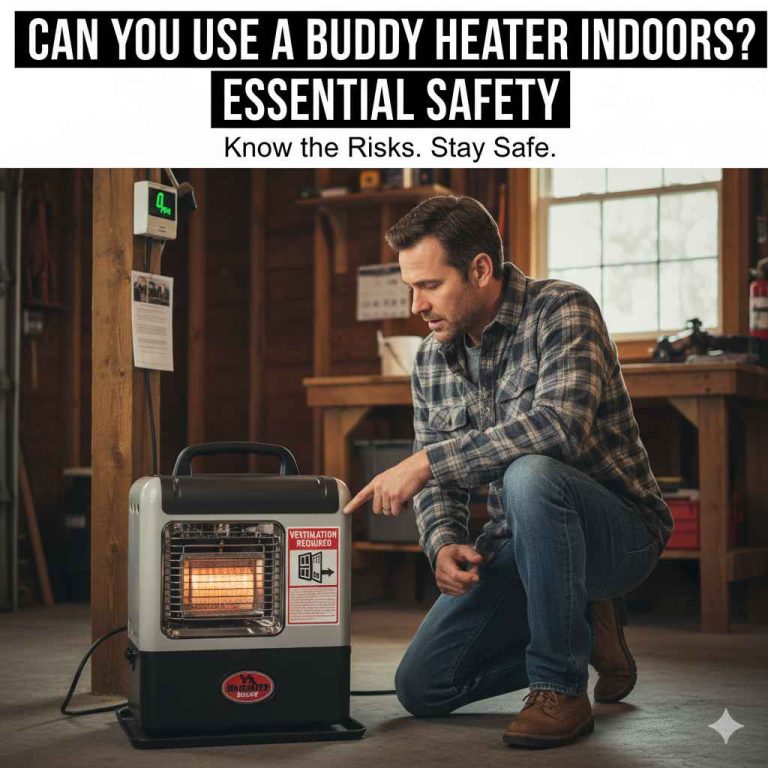
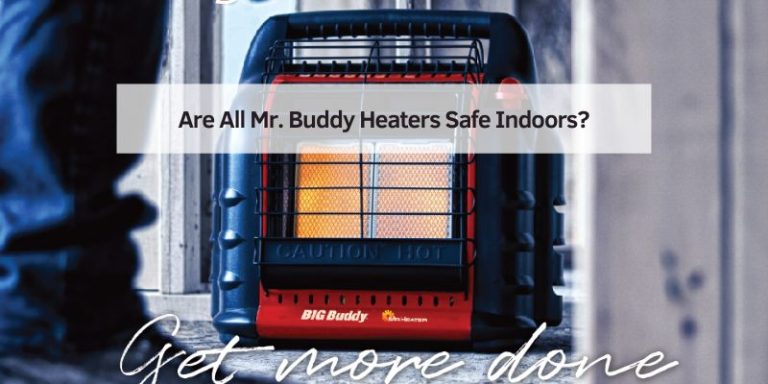
These heaters, which include many portable propane, natural gas, or kerosene tower heaters, push all the combustion byproducts directly into the room.
Pollutant Release: High Risk. They are major sources of $text{CO}$ and $text{NO}_2$ because there is no chimney or vent to carry exhaust gases outside. Many safety standards recommend against using these indoors entirely. Always check local codes, as some models are banned in residential settings.
Key Takeaway: If you use an unvented heater, you MUST have working, battery-backed Carbon Monoxide alarms nearby.
Vented Combustion Heaters (Safer, But Still Require Care)
Vented heaters, like wall-mounted gas fireplaces or furnaces, burn fuel but use a flue or chimney to route exhaust harmlessly outside. This setup is required for permanent fuel-burning installations.
Pollutant Release: Low Risk. When properly installed and maintained, the risk of pollutants entering the home is very low. The main risk comes from maintenance failure or if the flue system becomes blocked or damaged, causing backdrafting.
3. Kerosene Heaters
These portable units are popular for garages or emergency heat but are major air quality concerns when used indoors.
Pollutant Release: Significant. Kerosene heaters produce high amounts of $text{CO}$ and $text{NO}_2$, along with sulfur dioxide ($text{SO}_2$) and an odor. Burning kerosene also releases noticeable particulate matter.
Safety Tip: Never use kerosene heaters in small, unventilated spaces or continuously for long periods. Always follow the manufacturer’s recommendation for the required outdoor air exchange rate.
To visualize the relative risk, here is a quick comparison:
| Heater Type | Fuel Source | Primary Pollutants Released Indoors | Air Quality Risk Level |
|---|---|---|---|
| Electric (Radiant, Convection) | Electricity | None (Only dust from elements) | Very Low |
| Natural Gas / Propane (Vented) | Fossil Fuel | Minimal (If flue fails) | Low |
| Natural Gas / Propane (Unvented) | Fossil Fuel | $text{CO}$, $text{NO}_2$, Water Vapor | High |
| Kerosene Heaters (Unvented) | Kerosene | $text{CO}$, $text{NO}_2$, $text{SO}_2$, Particulates | Very High |
| Wood Stoves / Pellets (Modern) | Biomass | Smoke, Particulates (If draft fails) | Medium to High |
Maintenance Matters: How Poor Heater Care Increases Pollutants
Even a heater type that is usually safe can start producing pollutants if it isn’t maintained. This is surprisingly common!
Dirty Burners Mean Dirty Air
For any heater that relies on burning fuel—gas, oil, or kerosene—the flame needs a clean, controlled environment to burn completely. If the burner head, pilot light assembly, or fuel injectors get clogged with dust, soot, or residue, the fuel won’t burn efficiently.
The result? Incomplete combustion, which maximizes the creation of dangerous Carbon Monoxide instead of just heat and water vapor.
Blocked or Compromised Venting Systems
If you have a furnace, boiler, or vented space heater, the chimney or flue must be completely clear. Debris, bird nests, or corrosion can cause exhaust gases to dump back into the house (backdrafting).
This is a primary cause of emergency $text{CO}$ poisoning from central heating systems. Annual professional inspection is essential for all vented appliances. You can read more detailed safety guidelines on combustion appliance safety straight from organizations like the U.S. Environmental Protection Agency (EPA).
Dust on Electric Heaters
While electric heaters don’t produce chemical pollutants, they can affect air quality by cycling dusty air. When you plug in a space heater that has been stored all summer, the dust accumulated on the heating elements will quickly burn off or get blown around by the fan.
This causes a temporary increase in Particulate Matter and that distinct, dusty smell we all recognize. This isn’t toxic, but it can aggravate allergies or asthma.
Actionable Steps: How to Eliminate Pollutants and Stay Warm Safely
Now that you know the risks, here is the toolkit for ensuring your home heating is safe this season. We’ll go from choosing the right tool to keeping it clean.
Step 1: Choose Heat Sources Wisely
If your main concern is clean air and you are using portable supplemental heating, prioritize electricity over combustion.
- Opt for Electric: For heating individual rooms safely, a clean electric oil-filled radiator or a modern ceramic heater should be your first choice.
- Verify Venting: If you must use gas or propane (like a built-in fireplace), ensure it is a fully direct-vent or power-vented system, meaning all exhausts lead directly outside through approved chimneys or sealed piping.
- Avoid Unvented Kerosene/Propane: Unless you are in a genuine emergency situation with appropriate outside ventilation, skip the unvented models entirely for continuous indoor use.
Step 2: Install Essential Safety Alarms
This is non-negotiable for anyone using any fuel-burning appliance, even if your central furnace is professionally maintained.
- Install $text{CO}$ alarms on every level of your home, especially near sleeping areas.
- Test the batteries monthly. Replace the entire unit every 5 to 7 years, as sensors degrade over time.
- Consider investing in an affordable electrochemical $text{CO}$ monitor that gives you constant digital readings, not just an alarm when levels are critically high.
Step 3: Boost Ventilation When Needed
Even electric heaters can make the air feel stale because they are effectively heating the same air over and over. Combustion heaters require much more ventilation.
When using any fuel-burning heaters:
- Open a window slightly (about one inch) in the room being heated. This provides necessary fresh air to help complete combustion and allows diluted waste gases to escape.
- Use kitchen or bathroom exhaust fans intermittently to cycle air out of the house.
Step 4: Pre-Season Maintenance Checklist
Treat your heaters to a spa day before winter hits! This prevents buildup that causes pollution.
| Heater Type | Maintenance Task | Why This Matters for Air Quality |
|---|---|---|
| Electric Heaters | Vacuum dust from exterior grille and interior fan blades. | Prevents dust/particulates from burning off when turned on. |
| Gas/Propane (Vented or Unvented) | Have a licensed technician inspect burners and pilot lights annually. | Ensures complete combustion, minimizing $text{CO}$ and $text{NO}_2$ production. |
| Kerosene Heaters | Drain old fuel completely before storage; clean the wick assembly. | Old fuel can degrade, leading to sootier, less efficient burns and more smoke. |
| Wood Stoves/Fireplaces | Ensure the chimney sweep cleans the flue system; check damper function. | Prevents flue blockages that push smoke and particulates back into the living space. |
The Hidden Pollutant: Excess Humidity from Combustion
Though not typically listed alongside $text{CO}$, one of the most immediate side effects of burning fuel indoors is increased water vapor, or humidity. When gas or kerosene burns, a byproduct is water vapor. This might sound harmless—it is just water, right?
Incorrect! Dramatically increased humidity can cause secondary air quality problems:
- Condensation: High indoor humidity leads to condensation on cold windows and walls.
- Mold and Mildew: Persistent damp spots are perfect breeding grounds for mold spores, which are significant respiratory irritants.
Electric heaters do not add noticeable humidity; they simply warm the existing air. In fact, if you are concerned about mold, using electric heat is often better than running an unvented combustion unit continuously.
How Air Filtration Can Help Offset Minor Issues
While nothing replaces good ventilation for fuel-burning appliances, high-quality air filtration can certainly help clean up the inevitable minor pollutants or dust stirred up by heating.
If you rely on electric heaters and worry about dust circulating:
- Use a stand-alone HEPA air purifier in the room where you are heating. HEPA filters are excellent at capturing fine particulate matter ($text{PM} 2.5$), which includes stirred-up dust and pet dander.
- Ensure your central HVAC system (if you have one) has a high Minimum Efficiency Reporting Value (MERV) rating, typically MERV 11 or higher, although you must check compatibility with your specific furnace fan motor first.
Remember, filtration cleans the air, but it does not stop the source of the pollution. For gas or kerosene heaters, the only solution is venting the exhaust or ceasing use.
Choosing a Safe Portable Heater as a Beginner
If you are new to portable heating, getting overwhelmed by choices is easy. Here is a simple framework to help you lean toward the cleanest option:
The Clean Choice Hierarchy
- Tier 1 (Best for Air Quality): Oil-Filled Radiators or Radiant Electric Heaters. (No noise, no fan circulation, no pollution.)
- Tier 2 (Great Convenience): Ceramic Fan Heaters. (Effective, but they blow around any dust already present.)
- Tier 3 (Use With Caution): Direct Vent Wall Furnaces. (Requires professional installation and annual checks.)
- Tier 4 (High Risk – Use Sparingly): Unvented Kerosene/Propane Heaters. (Only for short-term emergencies; requires extreme ventilation.)
When buying any new portable unit, look for safety certifications, such as those from Underwriters Laboratories (UL). A UL listing ensures the device meets strict standards for fire safety and electrical integrity, which indirectly also relates to safe operation.
Understanding $text{CO}$—its lack of smell and rapid danger—is the most important takeaway for anyone using combustion sources, even just a simple gas fireplace.
Frequently Asked Questions (FAQ) About Heater Pollutants
Here are quick answers to some of the most common beginner questions about heater safety and air quality.
Q1: My electric space heater smells dusty. Is this releasing a pollutant?
A: Not a toxic pollutant. That smell is usually household dust or debris burning off the hot internal elements when you first turn the heater on after storage. It’s irritating, but not chemically toxic like $text{CO}$. Vacuum the exterior before use to minimize this.
Q2: Are gas fireplaces safe if they are not vented?
A: No, unvented gas fireplaces are highly discouraged indoors. They release significant $text{NO}_2$ and humidity directly into your living space and carry a high risk of low-level $text{CO}$ buildup over time.