Do Outdoor Heaters Work In Winter? Proven Best
Yes, outdoor heaters absolutely work in winter, provided you choose the right type and follow setup best practices. While they cannot defeat extreme sub-zero conditions entirely, high-quality patio heaters—especially natural gas or propane models—can reliably extend your outdoor comfort by making chilly evenings feel cozy and manageable, even when the temperature drops low.
Are you dreaming of enjoying your backyard deck or patio, even when the first chill of winter sets in? It’s a common frustration. You invest in beautiful outdoor furniture, only for the cold weather to force everyone inside the moment the sun dips below the horizon. Many homeowners wonder, “do outdoor heaters work in winter?”
The short answer is a resounding yes, but success depends entirely on understanding the technology and knowing which heater is tough enough for icy air. Don’t worry about dealing with confusing specs or confusing fuel types. I’m Tanim, and I’m here to guide you through selecting and setting up the perfect outdoor heating solution that keeps your space genuinely warm, safely, all season long. Let’s turn that chilly corner into your favorite cozy spot!
Understanding How Outdoor Heaters Fight Winter Chill
When trying to heat an outdoor space in winter, you aren’t fighting regular air; you are battling wind, humidity, and a massive open area. This is fundamentally different from heating a closed room. To use an outdoor heater effectively in cold weather, you need to understand two key concepts: Radiant Heat vs. Convection Heat.
Radiant Heat: Your Secret Weapon Against Winter
The most effective outdoor heaters rely on radiant heat, just like the sun. They don’t warm the entire volume of air (which the cold windy air would immediately steal away); instead, they warm the surfaces they point toward—you, your table, and your chair cushions.
- How it Works: The burner creates infrared rays (heat waves) that travel through the air until they hit a solid object.
- Why it Matters in Winter: This means that even if the air temperature around you is 35°F, you can feel as warm as 65°F sitting directly in the heater’s beam.
- Best for: Patios, decks, and seating areas where occupants remain relatively stationary.
Convection Heat (Why Standard Indoor Units Fail Outside)
Most common indoor space heaters use convection—they heat the air, and that hot air rises and drifts away quickly outside, making them virtually useless when relying only on them outdoors in the cold.

The Best Types of Heaters for True Winter Performance
If you want to know do outdoor heaters work in winter, you need to look at fuel sources and power. Consumer-grade electric patio heaters often struggle to produce enough radiant heat intensity to make a difference when temperatures dip below 50°F. For reliable winter use, you need the powerhouses.
1. Propane Patio Heaters (The Freestanding Standard)
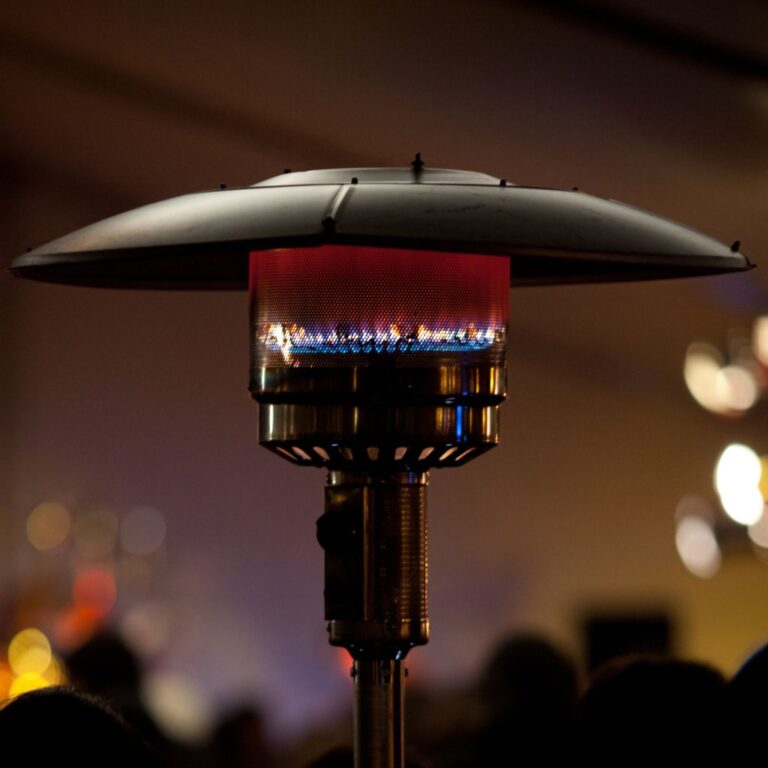
These are the tall, mushroom-shaped heaters you see everywhere. They are incredibly popular because they are portable and don’t require any permanent hookups.
Pros for Winter Use:
- High Heat Output: They produce significant BTUs (British Thermal Units), offering excellent radiant heat coverage for areas up to 100 square feet.
- Portability: You can move them exactly where you need the heat.
- Easy Setup: Just wheel it into place, connect the standard BBQ-style propane tank (usually hidden in the base), and press the igniter.
- Independent Operation: They don’t rely on your home’s electrical system or natural gas line.
Cons for Winter Use:
- Fuel Management: You must constantly monitor and swap out heavy propane tanks when running them on high heat for several hours.
- Limited Efficiency: They consume propane quickly, which adds to the operating cost.
2. Natural Gas (NG) Heaters (The Permanent Solution)
If your patio is near your home’s main gas line and you plan on using the area regularly all winter, natural gas offers the ultimate convenience.
Pros for Winter Use:
- Unlimited Runtime: As long as your gas line is connected, you never run out of fuel. This is perfect for long winter gatherings.
- Consistent Power: They deliver a stable, high level of heat output specific to the model you choose.
Cons for Winter Use:
- Installation Required: Requires professional running of a dedicated gas line, which involves upfront cost and potentially permits.
- Zero Portability: Once they are plumbed in, they stay put.
For more reliable, permanent appliance installation guidelines, always consult local building codes, often found on your municipality’s website (e.g., checking standards published by your local National Fire Protection Association (NFPA) standards for clearance).
3. Electric Infrared Heaters (Good for Sheltered Areas)
High-powered electric infrared heaters are excellent, but their effectiveness in intense winter cold relies heavily on shelter.
Pros for Winter Use:
- Safety and Cleanliness: No open flame, no fumes, and very low maintenance.
- Instant Heat: They heat up almost immediately upon flipping the switch.
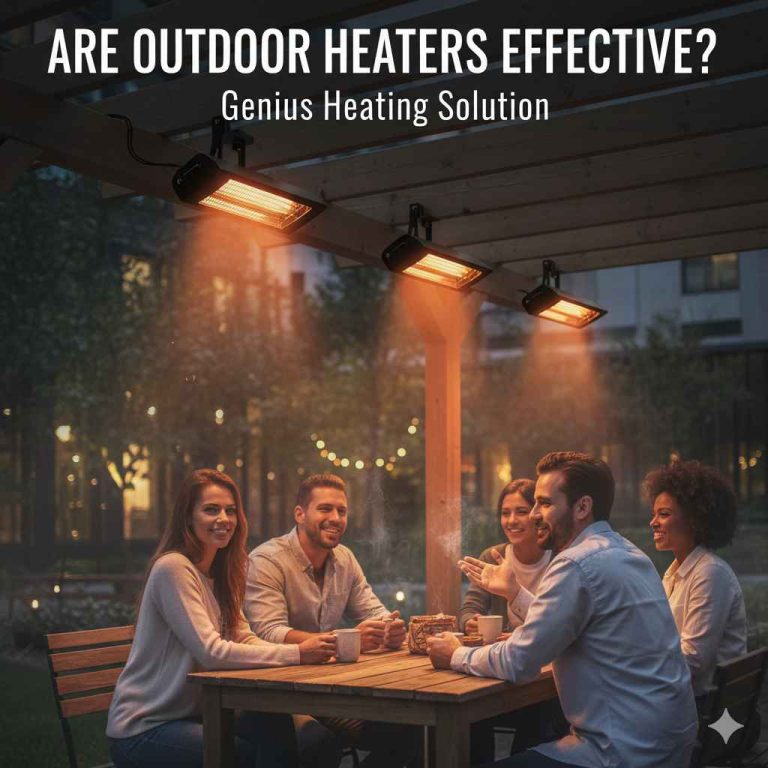
- Ideal Mounting: These are usually mounted on walls or ceilings under a solid outdoor roof or awning.
Cons for Winter Use:
- Wind Interference: Wind dramatically reduces their effectiveness as they rely purely on direct line-of-sight infrared rays.
- Power Draw: They require a dedicated 240V circuit and can run up your electricity bill if used constantly in freezing weather.
4. Diesel/Kerosene Heaters (Use with Extreme Caution)
These are typically used in commercial settings (like construction sites) because they produce massive heat. However, for residential patio use, they are generally not recommended due to strong odors, safety risks, and the risk of soot/residue on furniture.
Comparison of Winter Outdoor Heater Types
To help you decide which heater fits your winter comfort needs, here is a quick comparison based on intense cold performance:
| Heater Type | Best Winter Output | Fuel/Power Needs | Best Application | Cost to Run (Avg.) |
|---|---|---|---|---|
| Propane Patio Heater | High | Propane Tank (Needs Swapping) | Freestanding seating areas, open patios | Medium/High |
| Natural Gas Heater | Very High & Consistent | Direct Gas Line (Professional Install) | Covered kitchens, long-term setups | Low/Medium (Cheaper than propane) |
| Infrared Electric | Medium (Blocked by Wind) | 240V Electrical Outlet | Small, well-sheltered balconies or gazebos | Medium/High |
Key Factors for Maximizing Winter Warmth
Knowing which unit to buy is only half the battle. To truly answer, “Do outdoor heaters work in winter?” effectively, you must manage your environment. Outdoor heating is about containment and direction, not just brute force.
1. Protection from the Wind is Essential
Cold wind is the biggest enemy. Even the most powerful patio heater cannot project useful heat through a strong gale. The effect of wind moving across your skin pulls heat away almost instantly—this is called wind chill.
To combat this, you must create a wind break. This acts like a thermal wall, trapping the radiant heat near you.
Effective Wind Block Strategies:
- Use Solid Walls or Fences: Position your seating area close to a solid structure like the side of your house, a privacy fence, or a thick hedge.
- Install Wind Screens: Many patio heaters come with optional glass or specialized mesh side screens. These block lateral wind movement without blocking the heat radiation upward.
- Use Clear Vinyl Curtains: Hanging thick, clear outdoor vinyl panels (often used for garage doors or three-season rooms) around the perimeter of your seating structure can trap a surprising amount of warmth while still allowing a view.
2. Focus on Overhead Coverage
Heat rises. If your main source of heat is a tall, freestanding propane unit, a significant portion of that radiant energy is lost straight up into the cold sky.
This is why mounted electric infrared heaters often perform better under an existing roof or awning—the roof bounces some of that overhead heat back down toward the gathered group.
3. The Importance of Seating Material
Cold materials steal your body heat faster than cold air. If you are sitting on cold metal or stone benches, the heater has to work much harder just to keep you from being thermally drained by your chair.
Quick Tip for Comfort: Always use thick outdoor cushions, wool blankets, or even simple thermal seat pads on seating surfaces when using heaters in freezing weather. This small step makes a massive difference in perceived warmth.
Step-by-Step Guide: Setting Up Your Heater for Winter Success (Using a Propane Model)
Getting your powerful propane heater set up correctly ensures safety and maximum heat delivery when you need it most.
Step 1: Placement and Safety Clearance
Safety first! Always adhere to the required clearance distances listed on your heater manual. This prevents fire hazards and damage to surrounding materials.
- Stable Surface: Place the heater on a completely flat, non-flammable surface (concrete, brick patio, or durable pavers). Avoid grass, wood decking unless adequately protected, or uneven ground.
- Check Overhead: Ensure there are no low-hanging branches, eaves, or awnings directly above the heater head unless it is specifically designed for under-eave mounting. Standard mushroom heaters require significant vertical clearance (usually 7 feet or more).
- People Traffic: Position the heater so that no one will walk directly next to or behind it where the heat shield is hottest.
Step 2: Inspecting the Components
Before lighting up for the season, make sure everything is sound. This is crucial for safe gas appliance usage.
- Check the Tank: Ensure your propane tank is rated for outdoor use and has no visible rust or damage.
- Inspect the Hose/Regulator: If required, check the hose connecting the tank to the burner head for any cracks or fraying. You can use a solution of soapy water on the connection points (where the hose meets the tank and where it meets the heater valve) and turn the gas on. If you see bubbles forming, you have a slow leak—tighten the connection immediately.
Step 3: Directing the Heat Zone
Don’t just turn the heater on and hope for the best. Direct the radiating heat exactly where people will be sitting.
If you have a large grouping, consider using two smaller, strategically placed heaters rather than one central unit. This helps overlap the radiant zones, eliminating cold spots between the two heat sources.
Step 4: Layering Heat for Deep Winter
When temperatures are near freezing, relying on the heater alone can lead to disappointment. Combine safe radiant heat with personal comfort measures:
- Use thick outdoor blankets draped over laps or shoulders.
- Keep nearby serving surfaces (like coffee tables) close to the seated area so that radiant heat can warm the tabletop slightly.
- If possible, select an area that is naturally shielded from prevailing winter winds.
Understanding BTU Requirements for Biting Cold
BTUs (British Thermal Units) measure heat output. The higher the BTU rating, the more heat the unit produces. When dealing with colder winter air (below 40°F), you need higher BTUs directed toward smaller areas.
A standard 40,000 BTU propane heater is often adequate for a moderately breezy 60°F evening, but in 30°F weather, you will need that 40,000 BTU source pointed directly at only 2–4 people to keep them truly comfortable.
For serious winter functionality, look for models rated between 42,000 BTUs and 60,000 BTUs for propane units. For overhead electric units, the rating might be lower (e.g., 1500–2000 watts), but their performance assumes near-zero wind penetration.
Consulting consumer data aggregated by energy standards organizations can help you gauge expected performance across various heater sizes:
For example, the U.S. Department of Energy offers resources on energy efficiency which indirectly impacts how much supplemental heat you might need based on home insulation effectiveness, which can translate to outdoor barrier effectiveness.
Safety Reminders: Keeping Cozy Without Risk
Outdoor heaters create significant heat and use open flames or high-power electricity. Following simple safety rules is non-negotiable, especially when using them around children or pets during winter festivities.
Propane and Gas Heater Safety Checklist
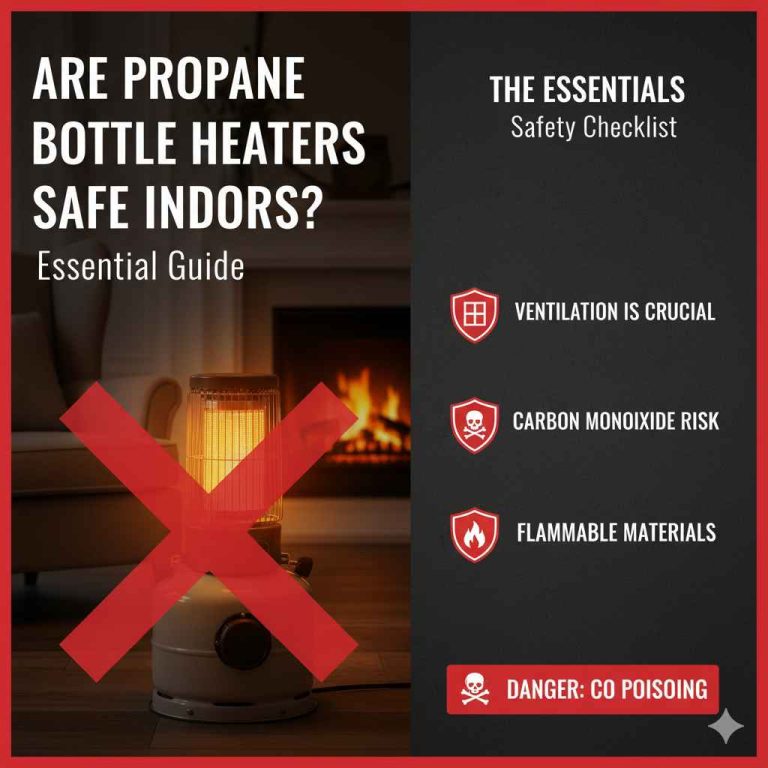
- Never Use Indooors: Do not, under any circumstances, use outdoor propane or gas heaters in enclosed spaces, garages, or tents. They produce Carbon Monoxide (CO), which is odorless and deadly.
- Tip-Over Protection: Ensure your unit has a built-in tip-over switch (most modern units do). If the heater tips over, this switch automatically shuts off the gas supply. Always check that it works before the first winter use.
- Refueling: Always turn the heater completely off, let it cool down fully, and disconnect the tank before attempting to exchange or refill the propane cylinder.
Electric Heater Safety Checklist
- Weather Rating: Confirm your electric heater is rated specifically for outdoor use (look for IP ratings indicating acceptable water intrusion resistance).
- Extension Cords: If you must use an extension cord, it must be outdoor-rated, heavy-duty (low gauge), and capable of handling the high amperage draw of the heater without overheating. The Consumer Product Safety Commission (CPSC) strongly advises against overloading circuits.
Outdoor Heating Beyond the Main Heater
To truly conquer the winter cold and maximize the efficiency of your powerful heater, you need a multi-layered approach. Think of warming yourself inside your personal heat bubble, not just warming the air around the heater.
Layering Personal Warmth
- Layers of Clothing: The best heater in the world can’t overcome inadequate personal dress. Thermal base layers are far superior to just wearing a heavy coat.
- Heated Accessories: Battery-operated heated gloves, vests, and even heated slippers are relatively affordable now and provide targeted warmth right where you need it most, reducing the burden on your main patio heater.
- Hot Drinks: Simple, frequent refills of coffee, tea, or cider provide internal core warmth that radiates outward.
Zone Heating Philosophy
If you are hosting a party, focus your BTU power intentionally. Don’t try to heat the entire 400 square foot yard. Instead, create one highly insulated, very warm zone—maybe under a sturdy gazebo or near the house wall—and encourage guests to gather there. This concentrates the radiant energy where it matters most.

Frequently Asked Questions About Winter Outdoor Heating
Q1: Will a small electric patio heater keep me warm when it’s 32°F outside?
A: Generally, no. Small electric heaters rely heavily on convection or low-intensity radiation, which the cold air and wind dissipate too quickly. For 32°F conditions, you need the high-intensity infrared heat from a powerful propane or natural gas unit, combined with excellent wind protection, to feel truly warm.
Q2: Can I cover my propane patio heater when it’s not in use to protect it from snow?
A: Yes, covering the burner head is wise. Always use a high-quality, water-resistant winter cover specifically designed for patio heaters. Ensure ventilation weep holes in the cover are not blocked, as moisture trapped inside during temperature changes can sometimes cause rust over time.
Q3: How long does a standard 20lb propane tank last on a high-setting patio heater?
A: It varies by model, but a standard 20lb tank typically runs a high-intensity heater (around 40,000 BTUs) for about 8 to 10 hours. If you run it continuously on high all evening long, expect to swap the tank after one or two uses.