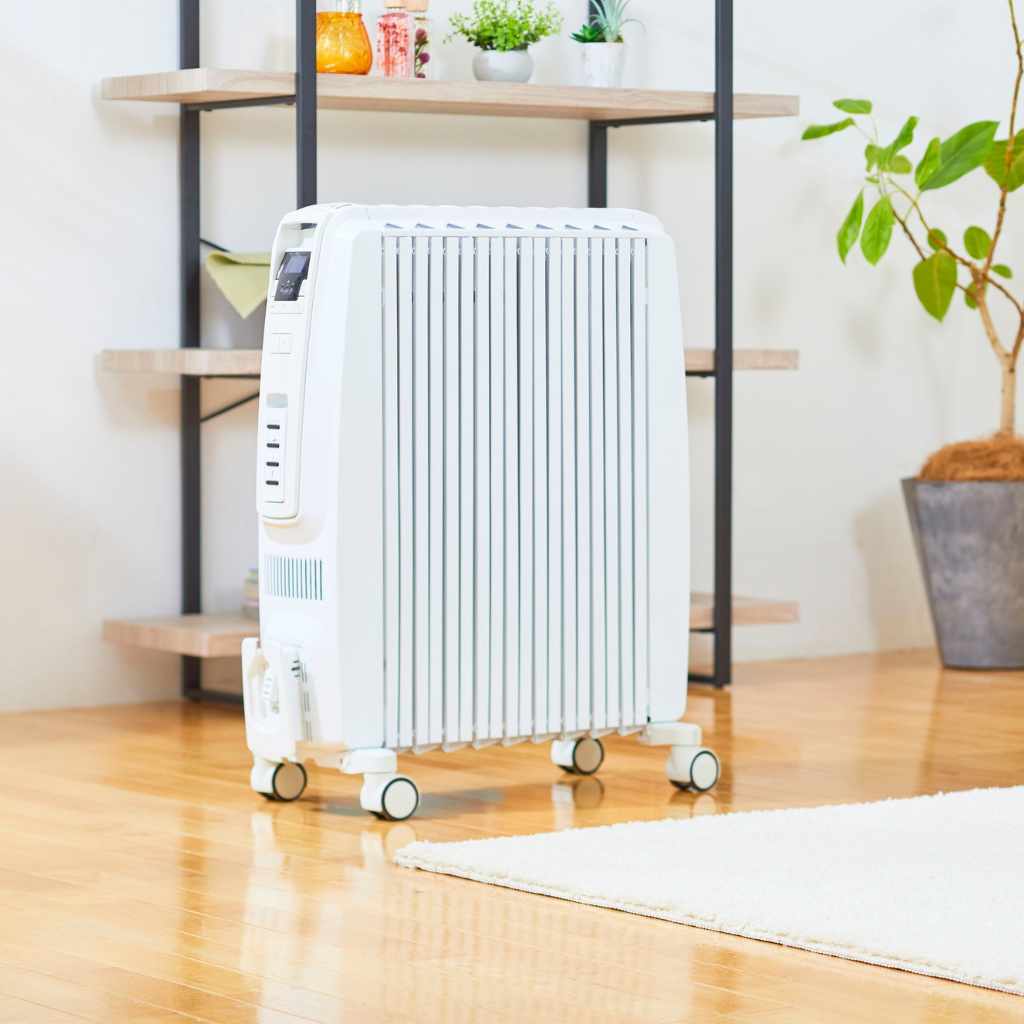
Can You Install a Garage Heater in a Basement Safely?
Thinking about heating your basement and wondering, Can You Install a Garage Heater in a Basement? It’s a question many people ask when they want to make their basements warmer and more comfortable. While it might seem straightforward, there are some things you need to know to do it right. Don’t worry, it’s not super complicated! This article will break down everything you need to know, step by step, so you can make your basement cozy. Let’s get started!
For the safety side of this topic, Garage Heaters: Safety and Selecting the Right One gives readers a practical next check before using a heater.
For the safety side of this topic, Leaving a Garage Heater On Is It Safe? Safety and Prevention gives readers a practical next check before using a heater.
For the safety side of the same topic, Can You Use a Garage Heater in a House Safely? Safety Guide gives readers a useful next check before they use the heater.
Feasibility of Installing a Garage Heater in a Basement
The first thing to think about is whether you can actually do it. Heating a basement can be a great way to add extra living space or improve your home’s comfort. But, using a garage heater might not always be the best solution. Many factors, like the type of heater, the fuel it uses, and local building codes, will affect your decision. It’s important to explore these things before you start any work. Also, safety is your top priority! We’ll explore the advantages, disadvantages, and the things you must check before deciding about basement heating.
Types of Garage Heaters and Their Suitability
Garage heaters come in different types, and each has its own pros and cons. Some run on electricity, others use propane or natural gas. Electric heaters are usually easier to set up because they don’t require venting. However, they might not be powerful enough for a large basement or may increase your electric bill significantly. Gas heaters, which are often more powerful, need proper ventilation to get rid of harmful fumes. This can involve installing special vents and getting your setup checked by a pro. The best choice depends on your needs, your budget, and the safety measures you can put in place.
- Electric Heaters: These are typically the easiest to install. They plug into a standard outlet, and there’s no need for any venting. However, they may not be efficient for larger areas.
- Propane Heaters: These offer significant heating power, but proper ventilation is crucial. They burn propane gas, so they release carbon monoxide, which is dangerous.
- Natural Gas Heaters: Like propane heaters, they provide great heat but require a gas line connection and venting.
- Infrared Heaters: These are energy-efficient and heat objects directly, but may not be ideal for large areas.
Electric heaters work by passing electricity through a heating element, which warms up and then heats the surrounding air. They’re usually very easy to set up; you plug them into a standard outlet, and that’s it! Because they’re simple and don’t involve any fuel or combustion, they don’t produce any fumes, so there’s no need for venting. The most significant thing to think about with electric heaters is their power usage. Larger models can use a lot of electricity, which might raise your electric bill. They’re great for smaller spaces or as a backup, but not ideal for heating a very big basement room.
Propane heaters are known for being very powerful. They’re an excellent option when you need to heat a large basement quickly. Because they burn propane, they release carbon monoxide. This gas is odorless and invisible, which is why proper ventilation is super important. You’ll need to install a vent that takes exhaust outside. Also, propane can be a little less convenient because you need to refill the propane tank regularly. Safety should always be your main concern. Make sure you install carbon monoxide detectors and regularly check your vents.
Natural gas heaters also give off a lot of heat, which is great for larger spaces. The benefit here is the convenience of a direct gas line connection. You don’t have to think about refilling tanks. But, like propane heaters, they also produce harmful gases, so venting is a must. If your home already has natural gas, installing one of these heaters can be a good idea. You’ll need to make sure you have the right gas line and ventilation setup. Always follow the guidelines, and consider having a professional perform the setup and checkups.
Infrared heaters work by sending out infrared rays that heat objects directly, rather than the air. These heaters tend to be very energy efficient, making them attractive for many homeowners. They work great in smaller spaces or when you want targeted heating. One thing to think about is that they don’t heat the air evenly, which may be a problem in a larger space. They might not be the best solution for your basement if you’re trying to heat the whole area at once. Their special way of heating can make them a great alternative if you only want to heat a small area for a short time.
Ventilation and Air Quality Considerations
Proper ventilation is not optional when you’re considering a garage heater, especially gas-powered ones, in a basement. Basements can sometimes be enclosed spaces with poor airflow. If you use a heater that produces exhaust, like a propane or natural gas heater, dangerous gases like carbon monoxide can build up quickly. Ventilation helps get rid of these gases, ensuring safe, breathable air. It’s usually achieved through vents that take exhaust outside or through a system that constantly circulates air, bringing in fresh air from the outside and sending stale air out. Regular maintenance, such as cleaning vents and checking for blockages, is a must. Monitoring air quality with carbon monoxide detectors is another vital step to protect the health of your family.
- Carbon Monoxide Detectors: Essential for safety, they alert you to dangerous gas buildup.
- Exhaust Systems: For gas heaters, these must vent fumes outside to prevent buildup inside the basement.
- Air Circulation: Ensures fresh air flow and prevents stale air from accumulating.
Carbon monoxide detectors are a basic safety measure when you have any fuel-burning appliance. Carbon monoxide is a poisonous gas that has no smell or color, making it hard to detect. The detectors will sound an alarm if the level of this gas gets too high. It’s best to have these detectors close to the heater and in areas where people sleep or spend lots of time. When selecting, check for models with a digital display to show the current carbon monoxide levels. Also, test them regularly and change the batteries according to the manufacturer’s advice.
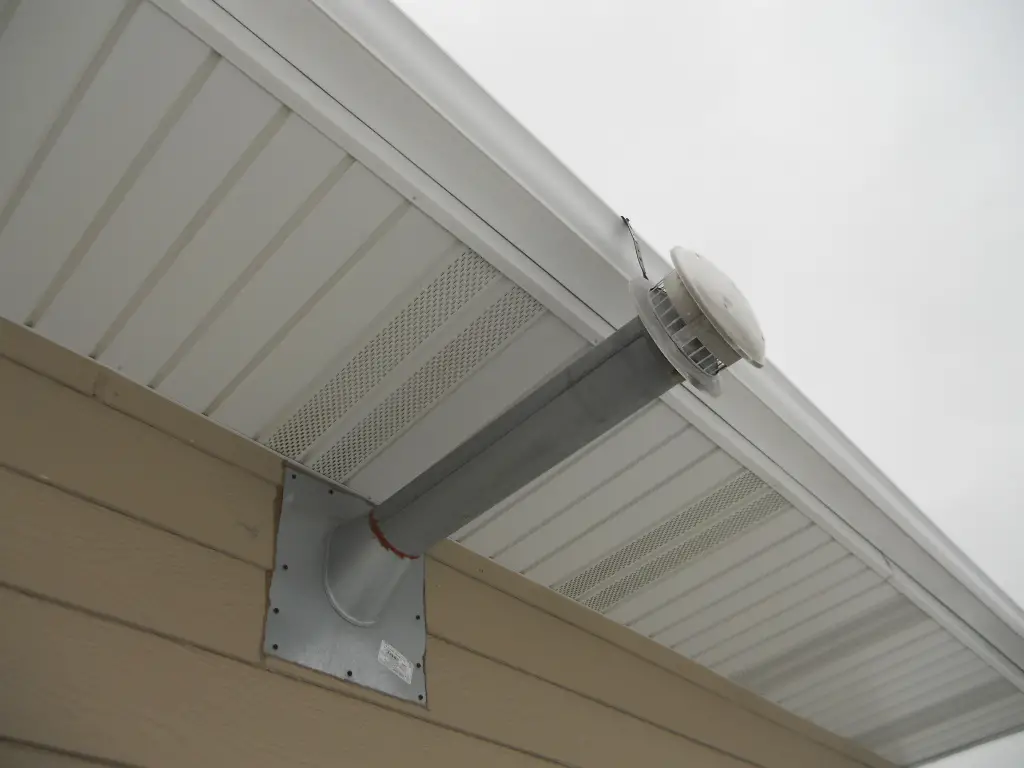
Exhaust systems are an important part of any gas heater setup in a basement. These systems get rid of the dangerous fumes created during the combustion process. They usually consist of a vent pipe that goes from the heater to the outside of your home. It’s crucial that the venting system is installed correctly and is free of leaks or obstructions. Regular inspection and maintenance are vital to ensure the system works as intended. Be sure to hire a qualified professional to inspect and maintain your venting system, as improper ventilation can be extremely dangerous. Remember that a properly functioning exhaust system is important for your safety and the longevity of your heater.
Air circulation is another key point. Even with a good exhaust system, you still need to think about fresh air flow to keep the air in your basement from getting stuffy. You can improve air circulation in several ways. Adding a system for forced air helps move air around. Regular opening of windows (when possible) also allows fresh air in and stale air out. Good air circulation also helps with dampness, which is another common problem in basements. By creating a flow of air, you’ll reduce the chance of mold and mildew forming. Proper air circulation is key to creating a more comfortable and healthy environment.
Understanding Local Regulations and Building Codes
Building codes and local regulations are an important part of any home improvement project, and heating your basement is no exception. These rules are in place to make sure that any changes you make to your home are safe and meet specific standards. Before installing a garage heater, you need to find out what codes apply to your area. This involves contacting your local building department and checking for any specific requirements related to basement heating. This can include rules about the type of heater you can install, venting needs, and safety measures like carbon monoxide detectors. Ignoring these rules can lead to fines, force you to redo your work, or, worse, compromise your safety. Working with licensed professionals who are familiar with local codes can really help.
Permitting Requirements and Inspections
Most home projects need permits, and heating your basement is no different. The permitting process involves submitting plans to your local building department, paying a fee, and getting permission to begin the project. Once the work is done, it’s checked by a building inspector. They will review the setup to make sure it meets the codes and that it’s safe. The inspection can include checking the heater’s installation, the venting system, and the placement of safety devices like carbon monoxide detectors. These inspections are essential; they give you peace of mind that everything is done safely and correctly. Getting the required permits and inspections is not just following the rules; it’s also a way to protect your investment and ensure the safety of your family. If you do not follow these rules, you risk having to tear down your whole project.
- Permit Applications: The process of seeking permission from local authorities.
- Inspection Process: Ensures the installation meets all safety and building standards.
- Consequences of Non-Compliance: Penalties for not following the necessary regulations.
The permit application process usually starts at your local building department. You’ll need to fill out forms with information about the work you’re going to do, including the type of heater, its location, and any changes you’re making to the existing structure. Be prepared to submit your plans to show how you plan to install the heater, including details about venting, gas lines, and electrical connections. A professional contractor or HVAC installer can often help you prepare these plans. Once the application is received, the authorities review it to make sure it complies with local building codes. You will have to pay a fee, and after approval, you can start the project.
After installing your garage heater in your basement, the building inspector will perform an inspection to make sure everything is up to code. This includes checking the heater’s installation, ventilation system, gas or electrical connections, and the placement of safety devices. The inspector will check to make sure that the heater is properly vented, that the gas lines are secure, and that carbon monoxide detectors are placed correctly. They may also check the electrical connections to ensure they meet the code. If the inspector finds any problems, they will tell you what needs to be fixed. Once all issues are solved, the inspector will sign off on the project, and you will be good to go.
It’s important to stick to all local building codes and get the necessary permits. If you skip any of these steps, you might face some penalties. This could mean getting fines, having to remove the heater and redo the project, or, in the worst cases, putting yourself and your family at risk. When you don’t get a permit, your project doesn’t get inspected, and there’s no way to know if everything is safe. It’s best to work with qualified professionals who can guide you through the process and help you comply with all local regulations. They will ensure your project is compliant and your home and family are safe.
Safety Considerations and Professional Advice
When thinking about heating your basement, safety should always be your number one concern. This is especially true when it comes to fuel-burning heaters, such as those that use propane or natural gas. Working with these appliances requires proper care, and that’s why it’s usually best to call a professional. A professional HVAC technician can help you install your heater safely, ensuring the venting system is set up correctly and the heater is working efficiently. This helps to prevent problems like carbon monoxide leaks. Along with professional help, regular maintenance is important. The heater should be checked annually to ensure that all systems, including safety measures like carbon monoxide detectors, are running correctly.
- Carbon Monoxide Safety: Prevention and response measures.
- Electrical Safety: Preventing electrical hazards during heater setup.
- Fire Safety: Steps to prevent and manage fire risks.
Carbon monoxide (CO) is a silent killer, and it’s essential to protect yourself and your family. The first step is to install CO detectors in your basement and near any bedrooms. Place these detectors according to the manufacturer’s advice, and be sure they’re working correctly. Make sure you regularly test them and replace batteries when needed. It’s a good idea to know the warning signs of CO poisoning, such as headaches, dizziness, and nausea. If you suspect a CO leak, get everyone out of the house immediately and call for help. Having a CO safety plan will give you peace of mind and help keep everyone in your home safe.
If you choose an electric garage heater, keep electrical safety at the top of your priority list. Start by ensuring that the electrical circuit you use for the heater can handle the load. Many electric heaters need a dedicated circuit to avoid overloading. Make sure you’re using the right gauge wiring, and that all connections are secure. Always make sure to ground the heater properly. Grounding offers an extra level of protection if there’s an electrical fault. If you aren’t sure how to do any of this, don’t try to DIY! Contact a certified electrician. Finally, have the electrical system checked during the inspection to ensure everything is safe.
Fire safety is very important when installing any heater. One of the best things you can do is make sure the heater is away from flammable materials such as curtains, furniture, or paper. This means at least three feet from any flammable materials. It’s also a good idea to have a fire extinguisher close by. Get to know how to use it before an emergency. Also, make sure that smoke detectors are working correctly and are placed properly. Smoke detectors are also very important in your basement. Check these often, and replace batteries as needed. Have a fire safety plan, including knowing how to exit your house safely, will make sure everyone can leave quickly in case of a fire.
Step-by-Step Guide for Garage Heater Installation
If you’re ready to proceed with installing a garage heater in your basement, this guide can help. Before starting, carefully read all the safety guidelines from the heater’s maker. Also, make sure you know your local building codes and have the necessary permits. This guide offers a basic overview, but it’s always best to ask a professional, especially for electrical and gas hookups. Remember, safety comes first, so if you’re ever unsure about anything, seek help from a qualified technician.
Planning and Preparation
Proper preparation is key to a smooth garage heater installation in your basement. Start by assessing your basement. Measure the area and calculate its square footage. This will help you select a heater with the correct BTU (British Thermal Units) rating, which is the measure of its heating capacity. Then, think about the type of heater you want. Do you want electric, propane, or natural gas? Each has different installation requirements and safety needs. Next, identify the location. Make sure it’s away from flammable materials and close to a power source or gas line, depending on the heater type. Finally, get the permits and gather all needed materials and tools before you begin. The better you plan, the easier and safer your installation will be.
- Assess the Basement Space: Measuring and evaluating the area to be heated.
- Choosing the Right Heater: Selecting the appropriate model for your needs.
- Gathering Necessary Tools and Materials: Assembling all the required items.
To start, measure the length and width of your basement to figure out the total square footage. Use this to determine the BTU rating needed for your heater. Also, think about the layout of your basement. Are there any obstructions, like support beams or walls, that could affect heater placement? Consider where you spend most of your time in the basement. This helps you figure out the best position for the heater to maximize its effectiveness. You’ll also want to look at the ceiling height and the presence of any insulation. Basements with good insulation will heat up more easily, and you might need a lower BTU heater. Remember to keep safety in mind and pick a spot away from anything that burns easily.
Choosing the right garage heater for your basement involves more than just size. First, you’ll need to decide on the fuel type. Do you prefer electric, propane, or natural gas? Electric heaters are the easiest to set up, but they might be more expensive to run. Propane and natural gas heaters can heat larger spaces, but they need venting for safety. Second, consider the BTU rating. This shows the heating capacity of the heater. Use the square footage of your basement to figure out the BTU rating you need. Finally, think about any special features, such as thermostats, timers, and remote controls. Choosing the right heater is a careful balancing act of your heating needs, your budget, and the local safety regulations.
Before beginning the installation, gather all the tools and materials you’ll need. This may include items like a drill, screwdriver, wrench, level, and tape measure. If you are setting up an electric heater, you’ll need the right wiring, outlets, and any electrical fittings. For a gas heater, you’ll need the appropriate gas line connectors and venting materials. Make sure you also have any safety equipment you might need, such as safety glasses, gloves, and a dust mask. Don’t start until you have everything. By gathering the right tools and materials, you can make the installation process easier, safer, and more efficient.
Installation Process for Different Heater Types
The installation steps for a garage heater vary depending on the type you choose: electric, propane, or natural gas. Electric heaters are usually the easiest to install, requiring only plugging them into an outlet. Propane and natural gas heaters need more steps, including connecting to a gas line or propane tank and installing a venting system. For all types, it’s very important to follow the maker’s instructions carefully and comply with all local safety regulations and building codes. Always be sure to turn off the power at the breaker before working with electrical connections, and make sure to test your setup with a professional. If you are not familiar with this type of work, call a pro.
- Electric Heater Installation: A straightforward guide for plug-and-play setups.
- Propane Heater Installation: Steps to connect to a propane source and install venting.
- Natural Gas Heater Installation: Guidelines for connecting to a gas line and venting.
Electric heater installation is often simple. Start by selecting the location for the heater, away from flammable materials and where it will get good airflow. After setting up the heater, make sure your electrical outlet is rated to handle the heater’s power requirements. If you do not have a dedicated circuit, get a certified electrician to do this for you. After all connections are made, turn on the circuit breaker. Make sure the heater turns on and functions as it should. If you have any doubts about the electrical setup, do not hesitate to contact a professional electrician. Always put safety first.
Installing a propane heater involves several steps. First, select the location of the heater, away from flammable materials, and ensure good airflow. Next, connect the heater to a propane tank, making sure to use the correct fittings and connections. Always follow the manufacturer’s advice. The most important step for propane heater installation is installing the venting system. This system will get rid of exhaust gases. Make sure the vent pipe is installed correctly and that it goes to the outside. Once the heater is hooked up, it’s essential to check for any leaks in the gas line. If you are not comfortable with these steps, bring in a certified technician. Finally, always check the installation. This keeps everyone safe.
Installing a natural gas heater starts with selecting the best spot for the heater, paying attention to clearance from flammable objects and ensuring good airflow. The next step is connecting the heater to the natural gas line. This requires precise work and using the correct fittings, so always adhere to the manufacturer’s instructions. If you are not comfortable with this, call an expert. Like propane heaters, you’ll need to set up a venting system for natural gas heaters. Install the vent pipe correctly and ensure it goes to the outside to get rid of exhaust gases safely. After the setup, check the gas line for any leaks with a soap solution. Finally, it’s very important to test the installation. Safety should be your first concern, so if you have any questions, bring in a certified expert.
Testing and Maintenance
After installing your garage heater, it’s important to test it to make sure it’s working properly and safely. This involves a series of checks and balances to identify any problems before you start using it regularly. Regular maintenance is also important. This can extend the life of your heater, make it work better, and ensure your safety. Set up a regular schedule for checks and maintenance and stick to it. By doing these things, you will be able to keep your heater working properly, saving you from headaches in the future.
- Initial Startup and Functionality Checks: Testing the heater’s performance.
- Regular Maintenance Tasks: Keeping the heater in top condition.
- Troubleshooting Common Issues: Solving common problems.
Once your garage heater is installed, the first step is to turn it on and check that it’s functioning as it should. For electric heaters, this means turning it on and making sure the fan is working, that the heating element is producing heat, and that the thermostat is responding correctly. For gas heaters, carefully follow the start-up instructions and watch for any unusual sounds or smells. The gas connections should also be checked for leaks with a soap and water solution. Check for exhaust gases with a carbon monoxide detector. It’s also important to check the heater’s thermostat and other controls to make sure they are working right. Watch the heater over a period of time to make sure it is functioning correctly and performing safely.
To keep your garage heater working properly, schedule regular maintenance. For electric heaters, regularly clean the dust and debris from the fan and heating elements. If you have a gas heater, make sure to clean the burner and heat exchanger. Also, check the venting system for any clogs or damage. Inspect the gas lines for any leaks. Some tasks, like cleaning the burner or checking the venting system, might require help from a professional. The manufacturer’s advice and your local building codes will provide more information about maintenance schedules. Keeping up with regular maintenance not only extends the life of your heater, but also makes sure your home is safe.
Despite your best efforts, your garage heater might have some problems. If your electric heater isn’t producing heat, you can check the circuit breaker to make sure it hasn’t tripped. Also, check the heating element. With gas heaters, if the heater is not starting or is not producing heat, first check the gas supply. Also, check the venting system to make sure there are no clogs. If the heater makes any unusual noises, such as banging or hissing, turn it off and have it checked by a professional. When you’re dealing with electrical or gas systems, safety is crucial. Always contact a certified professional if you have any doubts.
Frequently Asked Questions
Question: Can I install a garage heater in my basement myself?
Answer: It depends. Electric heaters are usually easier for DIY projects. However, gas heaters require knowledge and safety measures. Always check local codes and consider a professional.
Question: Do I need a permit to install a garage heater in my basement?
Answer: Most of the time, yes. Building codes usually require permits to make sure the installation meets safety standards. Check with your local building department.
Question: What’s the best type of garage heater for a basement?
Answer: It depends on your needs. Electric heaters are simple, but may not heat large spaces. Propane and natural gas heaters are powerful but need proper ventilation.
Question: How can I ensure the air quality in my basement after installing a garage heater?
Answer: Install carbon monoxide detectors, ensure proper ventilation, and make sure your heater is maintained. Regular air circulation is also important.
Question: What safety measures should I take when installing a garage heater?
Answer: Always follow the manufacturer’s directions, use the right electrical connections (or gas lines), have professional inspections, and install carbon monoxide detectors.
Final Thoughts
So, Can You Install a Garage Heater in a Basement? The answer is yes, but there’s more to it than just plugging it in. You now have a better idea of what it takes. Before you start, think about which type of heater fits your needs, the regulations in your area, and the crucial importance of safety. Make sure you understand the benefits and potential problems, especially when it comes to ventilation and air quality. Remember that local building codes have guidelines, and permits and inspections are an important part of the process. Properly prepare by assessing your space, selecting the right heater, and gathering all the necessary tools. Follow a detailed, step-by-step installation guide based on your heater’s type, and be sure to check your work. Finally, perform regular testing and maintenance to keep your heater in the best shape. With the right planning and a commitment to safety, you can make your basement a comfortable, warmer space. Don’t be afraid to seek professional help!