Where Should A Garage Heater Be Placed For Best Results?
The best placement for a garage heater is typically near the center of the garage, directing heat towards the main work or sitting area, while maintaining safe clearances from flammable materials and ensuring proper ventilation if required by the heater type. Avoid corners or directly in front of large doors.
Understanding Garage Heater Placement
So, why does location matter so much for a garage heater? It’s all about how heat moves and how your garage is built. Garages are often large, uninsulated spaces.
Heat rises. Cold air sinks. A heater placed poorly might just send all its warmth up to the ceiling.
Or it might blow cold air around without actually warming the space you use.
Think of it like this: you wouldn’t put a lamp in a corner if you wanted to read at your desk. You’d put it right where the light is needed. A heater is similar.
You want the warmth concentrated where you spend your time. This could be your workbench area, a small seating nook, or even just the general open space where you park your car.
We also need to think about safety. Some heaters need air to work. Others create fumes.
Putting them in the wrong spot can be dangerous. This is super important. We’ll cover safety in detail later.
But for now, know that placement affects safety too.
My Garage Heater Story: A Cold Reality
I remember a few years back, I finally decided to insulate my garage. It was a game-changer for comfort. But then came winter.
I had this decent electric space heater. I thought, “I’ll just put it in the corner where my workbench is.” Seemed logical, right? Wrong.
Every time I went out there to work on my bike or just sort through tools, the air near the heater was toasty. But a few feet away, it was still darn cold. The heat just didn’t spread out evenly.
It felt like I was wasting energy, and I still shivered while I worked. One particularly frustrating evening, I was trying to fix a small engine. My fingers were freezing, and the heater felt miles away.
I ended up moving it closer, almost too close, which made me nervous. That’s when I realized I needed a better plan, not just a heater.
I started reading up on how heat works in large spaces. I learned about airflow, insulation, and, most importantly, optimal heater placement. It wasn’t just about buying a powerful heater; it was about using it smart.
This whole experience taught me a lot about making a garage truly comfortable and safe.
Ideal Heater Location: Key Factors
Zone Heating: Focus warmth on where you are.
Airflow: Allow air to move freely around the heater.
Obstructions: Keep clear of stored items.
Doors & Windows: Place away from drafts.
Electrical Outlets: Easy access to power.
Where to Place Your Garage Heater: The Core Concepts
Let’s break down the best spots. For most garages, the ideal location is often near the center of the space. But that’s a bit too simple.
We need to be more precise.
Think about the main area you use. Is it where you park your car? Is it a corner with a workbench?
You want the heater to warm that area. So, placing it somewhat centrally, but closer to your activity zone, is usually best.
Imagine your garage is a big box. Heat rises. Cold air falls.
If you put a heater way in the back corner, the heat might go straight up and out. Or it might just warm that one corner. We want it to spread.
A central spot helps it spread more evenly.
Avoid corners. Corners can trap heat or block airflow. They also tend to be colder spots in a garage. Placing a heater there can make it work harder without much benefit.
Plus, corners often have stored items, which can be a safety risk.
Consider the doors. Your garage doors are usually the weakest link for insulation. When they open, a lot of warm air escapes. Placing a heater too close to a main garage door means you’ll be warming the outdoors whenever you use it.
Try to place it away from these big openings.
Think about the ceiling. Heat rises. If you have a very tall garage, you might have a lot of warm air pooling at the top. Some heaters have fans that can help push that warm air down.
But generally, placing the heater lower to the ground helps the warm air reach you first.
Electric vs. Propane/Gas: Placement Differences
The type of heater you have matters a lot for placement. Electric heaters are usually the simplest. They just need a power outlet.
Propane or natural gas heaters are different. They need ventilation and can produce carbon monoxide.
Electric Heaters:
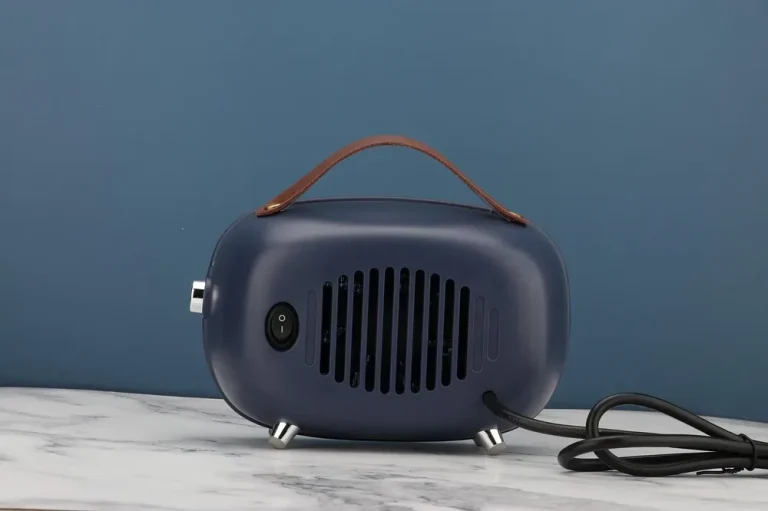
These are often portable. They are great for temporary heat or heating specific zones. Because they don’t produce fumes, you have more flexibility.
However, they still need space. You don’t want to place them too close to things that can catch fire. A few feet of clearance is usually a good rule.
The best spot for an electric heater is often on the floor, a few feet away from your primary activity area. If it has a thermostat, placing it where it can sense the room temperature accurately is also key. You don’t want it blasting heat when it’s already warm just because it’s near another heat source.
Propane or Natural Gas Heaters:
These heaters are powerful. They are often used for larger spaces or when you need rapid heating. But they come with a big caveat: ventilation.
Many require a vent to the outside to safely remove combustion gases. Others are “vent-free” but still need fresh air intake. Placing these incorrectly can lead to dangerous levels of carbon monoxide.
If your gas heater needs venting, you must place it near an exterior wall or a suitable vent path. Follow the manufacturer’s instructions to the letter for venting. If it’s a vent-free model, you need to ensure there’s adequate fresh air entering the garage.
This might mean leaving a small gap under a door or having specific air intake vents. Never use a vent-free gas heater in a small, sealed space.
For gas heaters, placement also involves thinking about where the fuel source is. A propane tank needs to be stable and away from ignition sources. A natural gas line needs to be safely routed.
Heater Type & Placement Guide
- Electric (Portable): Central, near activity zone, floor level, clear space.
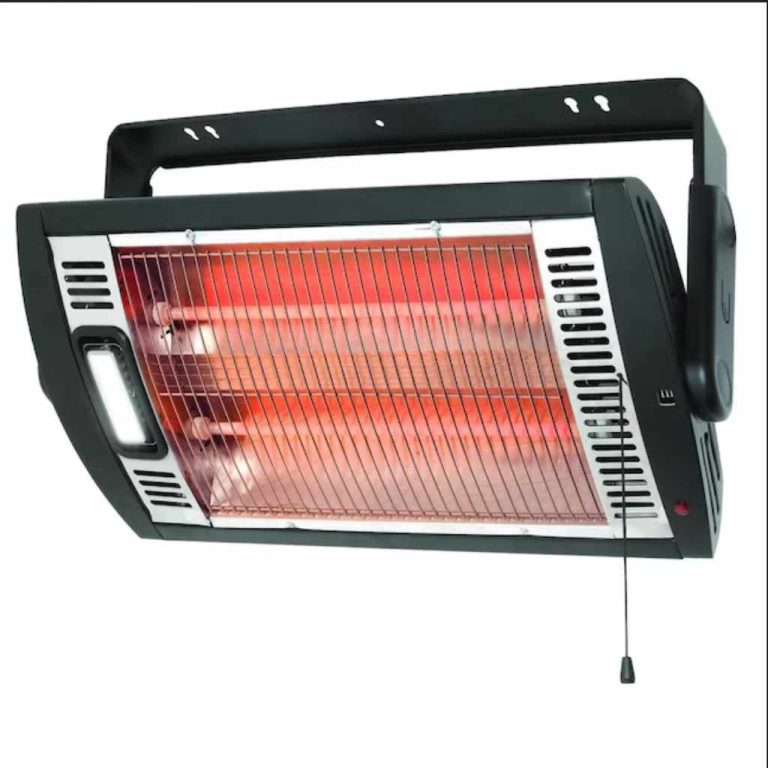
- Electric (Wall-Mounted): Aim heat at activity zone, correct height per instructions.
- Propane/Gas (Vented): Near exterior wall for venting, follow manual precisely.
- Propane/Gas (Vent-Free): Near activity zone, ensure adequate fresh air intake.
The Ceiling Fan Trick: A Space Saver?
Sometimes, you might have a large garage with high ceilings. This is a classic scenario where heat rises and stays trapped up high. You might have a heater on the floor, but the warmth never quite reaches you.
This is where a ceiling fan can be your best friend.
Running a ceiling fan in reverse (clockwise) can push the warm air that’s pooled at the ceiling downwards. This helps to mix the air and distribute the heat more evenly throughout the space. It doesn’t create heat, but it makes the heat you are creating much more effective.
If you have a ceiling fan, try running it on a low setting in reverse when your heater is on. You might be surprised at how much more comfortable the garage becomes. This can allow you to place your heater a bit further away or use a slightly lower setting, saving energy.
This trick is especially useful if you’re considering a wall-mounted heater. The fan helps ensure the warmed air doesn’t just go straight up and away from where you need it.
Mounting Options: Wall vs. Floor
Deciding whether to place your heater on the floor or mount it on the wall is another big choice. Both have pros and cons, and the best option depends on your garage layout and how you use it.
Floor-Mounted Heaters:
These are the most common. They are easy to set up – just plug them in or connect the fuel line. They can be moved around if you need to heat different parts of the garage at different times.
The main downside is they take up floor space. If your garage is already crowded with cars, bikes, and storage, a floor heater can be in the way.
When placing a floor heater, think about where it can sit safely without being bumped. Also, consider the cord length for electric models. You don’t want it stretched too taut or running across a walkway where it could be a trip hazard.
Wall-Mounted Heaters:
These heaters are installed permanently on a wall. They are a great space-saving solution. They also often provide a more consistent and directed heat flow.
Many wall-mounted units are gas-powered and require professional installation, especially if venting is needed. Electric wall-mounted heaters are also available and are simpler to install.
The key with wall-mounted units is placing them at the right height. You don’t want them too high, or the heat will go over your head. You also don’t want them too low, where they could be a hazard or easily damaged.
Always follow the manufacturer’s recommended mounting height, which is usually at a level that directs heat towards where people are standing or working.
If you have kids or pets, wall mounting is often safer as it keeps the hot elements out of reach.
Floor vs. Wall: Which is Right?
Floor Heater Pros: Easy setup, portable, versatile.
Floor Heater Cons: Takes up space, can be a tripping hazard.
Wall Heater Pros: Saves space, consistent heat, safer for kids/pets.
Wall Heater Cons: Less portable, often requires professional install, fixed location.
Safety First: Critical Placement Rules
We’ve touched on safety, but it deserves its own big section. Heater placement is directly tied to safety. Ignoring this can have serious consequences.
Always refer to your heater’s manual for specific safety guidelines.
Clearance Distances:
This is non-negotiable. Most heaters, especially portable electric or propane ones, have minimum clearance requirements from combustible materials. This includes wood framing, stored items like paint cans, oily rags, cardboard boxes, and even flammable liquids.
These clearances are usually listed in feet (e.g., 3 feet, 6 feet). Never place a heater closer than recommended. Fires can start quickly from radiant heat.
Ventilation:
For propane, natural gas, and kerosene heaters, proper ventilation is critical to prevent carbon monoxide (CO) poisoning. CO is an odorless, colorless gas that can be deadly. Vented heaters: Must be properly connected to a vent that goes outside.
Ensure the vent pipe is clear and undamaged. Placement must allow for this connection. Vent-free heaters: These are designed to use oxygen from the room and release small amounts of CO and water vapor.
However, they still require adequate fresh air. Garages can become too sealed. If you have a very airtight garage, a vent-free heater might not be suitable.
Always ensure your garage is not completely sealed. An open window or door slightly cracked can help. * Electric heaters: Do not produce combustion gases, so they don’t have CO risks.
However, they can still overheat if placed too close to combustibles or if their vents are blocked.
Placement Away from High Traffic Areas:
Keep heaters out of the main paths where people walk or vehicles drive. A bumped heater can fall, causing damage or starting a fire. If it’s a portable unit, make sure it’s on a stable, level surface where it won’t easily tip over.
Electrical Safety:
For electric heaters, ensure the outlet can handle the heater’s wattage. Use a heavy-duty extension cord only if absolutely necessary and ensure it’s rated for the heater’s amperage. Ideally, plug the heater directly into a wall outlet.
Avoid running cords under rugs or where they can be damaged.
Flammable Materials:
This bears repeating. Garages often store paint, solvents, gasoline cans, and oily rags. These are highly flammable.
Keep heaters a significant distance away from them. Oily rags can spontaneously combust even without a direct heat source nearby, but heat significantly speeds up the process.
Safety Checklist for Heater Placement
- Clearance: Check manual for minimum distances to walls and objects.
- Ventilation: Essential for gas/propane heaters. Ensure fresh air supply.
- Stability: Place on a level, firm surface to prevent tipping.
- Traffic Flow: Keep away from car paths and walkways.
- Electrical: Use correct outlets and avoid damaged cords.
- Combustibles: Maintain maximum distance from stored flammable items.
What if My Garage is Uninsulated?
Most garages are not built with the same insulation as living spaces. This means they lose heat very quickly. If your garage is uninsulated, placement becomes even more critical.
You need to concentrate the heat where you are, and try to minimize loss.
Focus on Zonal Heating:
If your garage is large and uninsulated, trying to heat the whole thing might be impossible or incredibly expensive. Instead, focus on heating the specific zone you’re using. If you have a workbench area, place the heater there.
If you’re just parking your car, you might not need it on much at all.
Consider a Radiant Heater:
Radiant heaters warm objects and people directly, rather than heating the air. This can be more effective in drafty or uninsulated spaces because the heat doesn’t dissipate as quickly into the cold air. The placement for radiant heaters is similar – aim them at where you will be.
Seal Drafts:
Before you even worry too much about heater placement, address obvious drafts. Check the seals around your garage door and any windows. Weatherstripping can make a huge difference.
Reducing air leaks will help your heater work much more efficiently, no matter where you place it.
Use Curtains or Dividers:
If you have a very large uninsulated garage, you can sometimes use heavy-duty curtains or temporary dividers to create a smaller, more insulated zone. Place your heater within this smaller zone to make it more effective.
Tips for Uninsulated Garages
Targeted Heat: Warm only the area you use.
Radiant Power: Consider heaters that warm people directly.
Draft Patrol: Seal up leaks around doors and windows.
Zone Creation: Use dividers to make a smaller warm space.
Real-World Scenarios and Placement Examples
Let’s look at a few typical garage setups and where you might put a heater.
Scenario 1: The DIYer’s Workbench Area
Garage Type: Standard two-car garage, mostly used for car parking and a dedicated workbench area along one wall.
Goal: Warmth while working at the bench.
Placement:
Electric Floor Heater: Place it on the floor a few feet in front of the workbench. This way, the heat is directed towards your legs and lower body as you stand or sit. Ensure it’s not directly under the bench where it could overheat stored items.
Wall-Mounted Electric Heater: Mount it on the wall adjacent to the workbench, at a height that aims the heat directly at your working area. Ensure it’s a safe distance from any flammable materials stored on the bench or shelves.
Scenario 2: The Car Enthusiast’s Bay
Garage Type: Two-car garage, with cars parked inside. Minimal other storage.
Goal: General warmth for the cars and when you’re in and out of them.
Placement:
Central Floor Heater: Place it somewhat centrally, but perhaps slightly closer to the side where you most often work on your car or access storage. This allows heat to radiate outwards. Ensure it’s far enough from car engines and fuel systems as per safety guidelines.
Gas Heater (Vented): If you have a side wall with access to vent outside, this might be a good option. Place it along that wall, aiming the heat towards the center of the garage. The fan in the heater will help circulate warmth.
Scenario 3: The Hobbyist’s Corner
Garage Type: Single-car garage with a defined corner used for hobbies (e.g., crafting, electronics). The rest is for a car.
Goal: Consistent warmth in the hobby corner.
Placement:
Small Electric Heater: Place it on a shelf or a small table in the hobby corner, ensuring it’s stable and has proper clearances. Aiming it slightly towards your seating or working position is best. Radiant Heater: If the corner is drafty, a small radiant heater placed on the floor or a stand, aimed at your spot, can be very effective.
It warms you directly.
Placement Examples
Workbench: Floor heater a few feet in front, or wall heater aimed at the bench.
Car Bay: Central floor heater, or wall-mounted gas heater along an exterior wall.
Hobby Corner: Small electric or radiant heater on a shelf or stand, aimed at your workspace.
What Happens If I Place It Wrong?
Placing your garage heater in the wrong spot can lead to several frustrating and potentially dangerous issues. Understanding these problems can help you avoid them.
Inefficient Heating:
The most common outcome of poor placement is wasted energy. If the heat rises directly to the ceiling and never reaches you, your heater runs constantly without making you comfortable. This means higher electricity or fuel bills for no real benefit.
Cold Spots:
You’ll end up with areas of the garage that are still very cold, even with the heater on. This defeats the purpose of heating the space. You might find yourself constantly moving the heater around, which is a hassle.
Safety Hazards:
This is the most serious consequence. Placing a heater too close to stored items, flammable liquids, or even the car itself can lead to a fire. For gas heaters, improper placement and lack of ventilation can lead to dangerous carbon monoxide buildup, risking health or even life.
Uneven Wear on the Heater:
If a heater is constantly struggling to heat a large, drafty space due to poor placement, it might experience more wear and tear. It could overheat or work harder than it’s designed to, potentially shortening its lifespan.
Blocked Airflow:
Placing a heater in a tight corner or behind stored items can block its air intake or output. This makes it less efficient and can also cause the unit to overheat and shut down, or worse, become a fire risk.
What This Means for You: Checking Your Heater’s Spot
So, what’s the takeaway for your garage? It’s about being deliberate. Don’t just plug it in and forget about it.
Take a moment to assess your space and how you use it.
When is your current placement okay?
If your garage is small, well-insulated, and you’re only heating a very specific, small zone, your current placement might be fine. If you feel comfortable and warm where you need to be, and you’ve checked all safety clearances, you’re probably good. Make sure the heater isn’t blocking anything important or in a high-traffic area.
When should you worry and consider moving it?
If you feel cold spots even when the heater is on. If your energy bills are higher than expected for the warmth you’re getting. If the heater seems to run constantly without making the space comfortable.
If stored items are very close to the heater. If you have a gas heater and are unsure about ventilation. If the heater is in a place where it could be easily bumped or tipped.
Simple checks:
1. Read your heater’s manual for clearance and safety tips. 2.
Walk around your heater. Is there at least 3 feet of clear space in most directions? 3.
Are flammable items (paint, rags, boxes) stored further away? 4. For gas heaters, do you have good airflow or proper venting?
5. Is the heater on a stable surface and out of the way of cars or footsteps?
Your Heater’s Spot: Quick Check
Is it efficient?
Are you warm where you need to be?
Is it safe?
Are clearances met? Is ventilation adequate?
Is it practical?
Is it out of the way but still effective?
Quick Tips for Better Heater Performance
Beyond just placement, a few other simple things can help your garage heater do its job better.
- Insulate Your Garage: This is the biggest factor. Even adding basic insulation to the walls and ceiling makes a huge difference.
- Seal Air Leaks: Weatherstrip doors and windows. Seal any gaps where cold air can get in.
- Use a Timer: For electric heaters, a timer can help you heat the garage only when you need it, saving energy.
- Get a Heater with a Thermostat: This prevents the heater from running non-stop. It will cycle on and off to maintain a set temperature.
- Clean Your Heater: Dust and debris can block vents and make the heater less efficient and potentially unsafe.
- Consider a Garage Door Insulator Kit: These kits can significantly reduce heat loss through your main garage door.
Frequent Questions About Garage Heater Placement
Can I place a heater directly under my car?
No, this is generally a bad idea for safety reasons. Cars have fuel systems and can leak fluids. Also, many heaters require clearance from the ceiling, and parking a car underneath might not provide that.
Always follow the manufacturer’s minimum clearance requirements, which usually involve space above, below, and to the sides.
How far should a propane heater be from stored items?
This depends on the specific heater, but most manufacturers recommend a minimum clearance of 3 feet (about 1 meter) from combustible materials. Always check the heater’s manual for exact distances. Some items, like oily rags or solvents, are extremely flammable and require even greater caution.
Is it safe to use a portable electric heater in an uninsulated garage?
Yes, it can be safe, but efficiency will be lower. Uninsulated garages lose heat quickly. Placement is key: aim the heat directly at your workspace.
You might need a more powerful heater or one with a fan to circulate air effectively. Always ensure proper clearances and that the electrical circuit can handle the load.
What if my garage has very low ceilings?
If you have low ceilings, heat will rise quickly. A floor-mounted heater is often best, placed centrally or near your activity area. If you use a wall-mounted heater, ensure it’s not mounted too high, or the heat will escape immediately.
Consider using a fan to push warm air down.
Should I place the heater near the main garage door or an interior door?
It’s generally better to place the heater away from the main garage door, as this is a major source of drafts and heat loss. An interior door leading into your home is usually better sealed and insulated, so placing the heater closer to that might be more efficient if you often go in and out that way.
Do I need a vent-free heater if my garage has no windows?
Vent-free heaters are designed for rooms with minimal ventilation. However, even they require some fresh air exchange. If your garage is completely sealed, a vent-free gas heater can still be risky.
If possible, cracking a door or window slightly is recommended. For fully sealed spaces, an electric heater might be a safer choice.
Conclusion: Warmth Where You Need It
Finding the right spot for your garage heater is about more than just convenience. It’s about making your space comfortable, using energy wisely, and staying safe. By thinking about the type of heater you have, how you use your garage, and the simple principles of heat flow, you can achieve a much warmer and more enjoyable space.
Don’t guess; consider your garage’s unique layout and your needs. A little planning goes a long way toward beating the chill.