Electric Garage Heater Pros And Cons You Need To Know
Electric garage heaters offer a convenient way to add warmth to a garage. They are relatively easy to install and use, providing targeted heat. However, their running costs can be high due to electricity prices, and they may not be suitable for very large or poorly insulated spaces.
Safety features are crucial, and understanding your garage’s specific needs is key before purchasing.
What Is an Electric Garage Heater?
An electric garage heater is a device that uses electricity to create heat. It’s designed to warm up enclosed spaces like garages. These heaters come in many shapes and sizes.
Some are small and portable. Others are larger and meant for permanent mounting on a wall or ceiling. They work by converting electrical energy into thermal energy.
This heat then warms the air around it. It’s a straightforward process that many homeowners find useful.
Think of it like a giant hairdryer for your garage. Electricity flows through a heating element, often a coil. This element gets very hot.
A fan then pushes air over the hot element. The warmed air blows out into the garage. This helps to raise the overall temperature.
It’s a common and effective way to get some heat when you need it most. Many people use them to make their garage a more usable space year-round.
My Own Garage Cold Snap
I remember one particularly brutal winter. The snow was coming down hard, and my garage felt like a meat locker. I had plans to work on my vintage motorcycle that weekend, but the thought of stepping into that arctic space made me shiver.
I stood at the garage door, bundled up, and just felt defeated. The tools were too cold to touch, and the metal parts of the bike were freezing.
I’d been thinking about a heater for a while, but I was unsure. Was it safe? Would it cost a fortune to run?
I pictured myself wrestling with a bulky unit, only for it to do little more than stir up cold air. That feeling of frustration and doubt is what many people face. They want a warm garage but are held back by questions and concerns.
I finally decided I needed to find a real solution.
Pros of Electric Garage Heaters
Electric garage heaters have some really great advantages. For starters, they are often very easy to set up. Many are plug-and-play.
You find a spot, plug it into an outlet, and turn it on. This simplicity is a huge win for many people. It means you don’t need to hire an electrician for a complex installation.
You can often get heat in your garage very quickly.
Another big pro is safety. When you get an electric heater from a reputable brand, they usually come with built-in safety features. Things like tip-over switches are common.
If the heater falls over, it shuts off automatically. Many also have overheat protection. This stops the unit from getting too hot and causing problems.
These features give you peace of mind, especially if you have pets or kids who might be around the garage.
They are also good for targeted heating. If you only need to warm up a small section of your garage, a portable electric heater is perfect. You can move it closer to where you’re working.
This means you’re not wasting energy trying to heat the whole huge space. It’s efficient for specific tasks or areas. You get warmth right where you need it.
Another plus is that they don’t require fuel like propane or kerosene heaters. This means no dealing with fuel tanks, refills, or fumes. Many people worry about the smell or potential dangers of burning fuels indoors.
Electric heaters avoid all of that. They produce clean heat without any combustion byproducts. This makes them a much cleaner option for many homes.
Finally, electric heaters are generally quite durable. They are built to withstand the tougher environment of a garage. Many have sturdy metal casings.
They are designed to handle dust and potential bumps. This means they can last a long time, providing reliable heat season after season. This durability adds to their overall value for homeowners.
Key Advantages at a Glance
Easy Setup: Most models just need a power outlet.
Safety Features: Automatic shut-off and overheat protection are common.
Targeted Heat: Great for warming specific zones.
No Fumes: Clean heat with no combustion byproducts.
Durability: Built to last in garage conditions.
Cons of Electric Garage Heaters
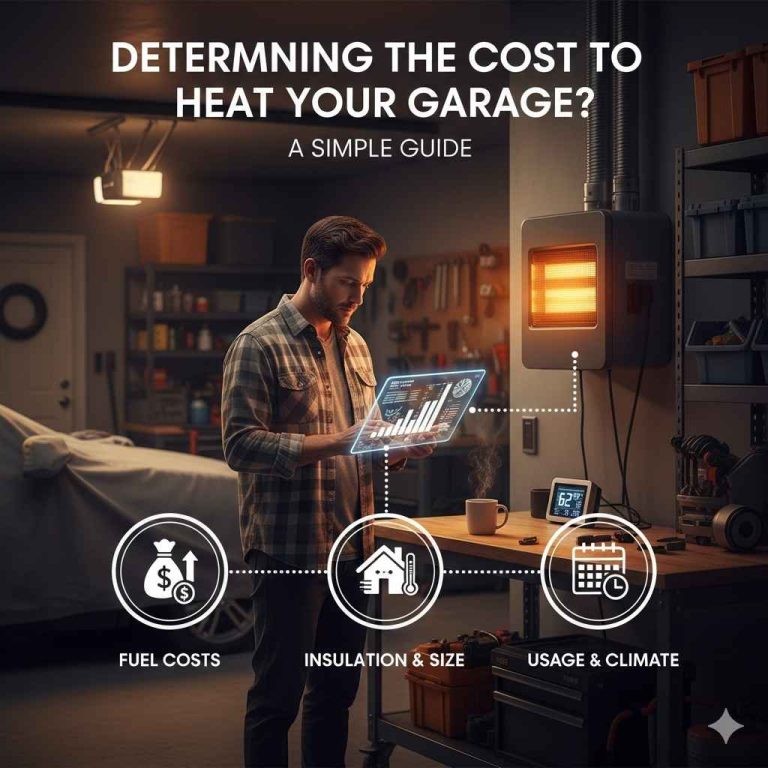
Now, let’s talk about the downsides. The biggest con for most people is the cost to run them. Electricity can be expensive, especially in some parts of the country.
Electric heaters use a lot of power to generate heat. If you have a large garage, or if you need to run the heater for many hours, your electricity bill can go up significantly. It’s something you really need to think about before you buy.
Another issue is efficiency in large or poorly insulated spaces. If your garage has big gaps around the doors or windows, or if the walls aren’t insulated, the heat will escape quickly. The heater will have to work much harder to maintain a comfortable temperature.
In very cold climates or for very large garages, an electric heater might struggle to make a big difference. It might be better suited for smaller or better-sealed garages.
They also take time to heat up a space. Unlike some other types of heaters, electric models might not instantly blast you with warmth. It can take a while for the heat to build up and circulate.
If you only need a quick burst of heat, it might not be the fastest option. You often need to turn it on in advance to get the garage to a cozy temperature.
Power requirements can also be a con. Some powerful electric garage heaters need a dedicated circuit or a higher amperage outlet. This might mean you need an electrician to upgrade your garage’s wiring.
If your garage only has standard outlets, a very powerful heater might not work or could trip your breaker. This adds an unexpected cost and hassle.
Finally, while they are safe when used correctly, there’s always a risk with any electrical appliance. Leaving a heater on unattended for long periods, or placing flammable materials too close to it, can create hazards. Proper placement and mindful use are always important.
You can’t just “set it and forget it” without considering the risks involved.
Potential Downsides to Consider
Running Costs: Electricity bills can become high.
Limited Effectiveness: May struggle in large or uninsulated spaces.
Slow Heat-Up: Takes time to reach desired temperature.
Power Needs: Some models require special wiring.
Safety Vigilance: Requires careful placement and supervision.
How Electric Garage Heaters Work: A Closer Look
Electric garage heaters use a simple yet effective principle. They are essentially resistive heaters. This means they use the resistance of a material to convert electrical energy into heat.
Most have a heating element made from a metal alloy. When electricity passes through this alloy, it encounters resistance. This resistance causes the element to heat up.
It’s similar to how a toaster or an electric stove burner works.
There are a few common types of heating elements. Some use ceramic plates. Others use metal coils.
Some advanced models might use quartz tubes or infrared elements. Ceramic heaters are popular because they heat up quickly and tend to be durable. Infrared heaters work differently.
They emit radiant heat that warms objects directly, rather than just the air. This can be more efficient for heating a specific spot.
Most electric garage heaters also have a fan. This fan is crucial for circulating the warm air. Without a fan, the heat would just stay near the element.
The fan blows room-temperature air over the hot element. As the air passes by, it absorbs heat. Then, the fan pushes this heated air out into the garage space.
This helps to distribute the warmth evenly.
The thermostat is another important part. It allows you to set a desired temperature. The heater will turn on when the garage gets cooler than your set point.
It will then turn off when the temperature reaches that point. This helps to maintain a consistent temperature without running constantly. It also saves energy by not overheating the space.
The power source is key. Most portable heaters plug into a standard 120-volt outlet. However, more powerful models, especially those that heat larger areas, might require a 240-volt outlet.
This is similar to what an electric dryer or oven uses. These higher voltage units deliver more power, meaning they can produce more heat but also consume more electricity.
Heating Technology Explained
Resistive Heating: Electricity flows through a material, creating heat.
Heating Elements: Common types include ceramic, coils, and quartz.
Fans: Circulate warm air for even distribution.
Thermostat: Controls temperature and manages energy use.
Power Supply: Standard 120V for smaller units, 240V for larger ones.
My Experience with a Portable Heater
I finally decided to try a portable electric garage heater. It was a ceramic model with a fan and a thermostat. I brought it into my garage, which was still stubbornly cold, probably around 40 degrees Fahrenheit.
I plugged it into a regular outlet. I set the thermostat to what I thought was a comfortable 65 degrees. I had my doubts.
I stood there, arms crossed, waiting for a miracle.
At first, nothing much seemed to happen. The fan whirred, and a gentle stream of air came out. It wasn’t scorching hot, but it was noticeably warmer than the surrounding air.
I went back inside for about an hour. When I returned, the difference was striking. The chill was gone.
The air felt comfortable, and I could see my breath much less. It wasn’t tropical, but it was definitely usable.
What stood out was how it affected my tools. The metal wrench felt cool, not bone-chillingly cold. I could hold it without wincing.
The project I wanted to work on felt much more approachable. The heater had done its job. It made a noticeable difference in a relatively small, though not perfectly sealed, garage space.
It was a simple solution that worked for my immediate needs. It showed me that even a small electric heater could change the game.
I learned that pre-heating was key. Turning it on an hour before I planned to work was a good habit. This allowed the heat to build up.
I also found that keeping the garage door closed as much as possible was vital. Every time I opened it, I could feel the warm air rush out. It was a constant battle against the cold.
The portable heater was a great start, but it highlighted the importance of garage insulation and sealing air leaks.
Portable Heater Insights
Pre-heating is essential: Turn it on early.
Keep the door shut: Minimize heat loss.
Noticeable difference: Can make a space comfortable.
Comfortable tools: Less extreme temperature on items.
Requires mindful use: Best when combined with other good practices.
Real-World Context and Scenarios
The effectiveness of an electric garage heater really depends on the garage itself. Is it attached to your house or a detached structure? If it’s attached, some of the heat might transfer into your home, which can be a slight benefit.
Detached garages usually lose heat much faster. They are often built with less insulation than your house.
Consider the size of your garage. A small one-car garage is much easier to heat than a large two-car or three-car garage. For larger spaces, you might need a much more powerful, and therefore more expensive to run, electric heater.
Or, you might need multiple heaters. You could also consider a different type of heating system altogether for very large areas.
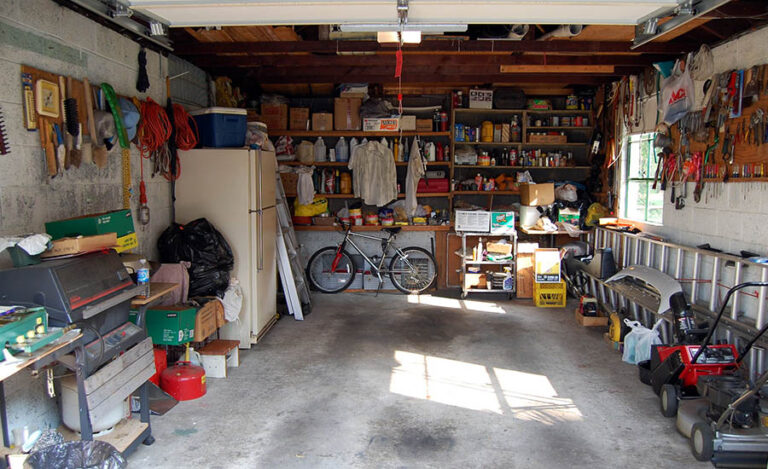
Insulation plays a massive role. Garages without insulation in the walls, ceiling, or doors will struggle to retain heat. The cold outside air will constantly fight against the heat produced by the electric heater.
This means the heater will run more often, consuming more electricity. Sealing up drafts around windows and doors is also important. Look for air leaks and fix them.
What do you use your garage for? If it’s just for parking cars, you might not need much heat. If you use it as a workshop, a gym, or a hobby space, you’ll want a more consistent and comfortable temperature.
The intended use will dictate how much heat you need and for how long. This will directly impact your decision about the type and size of heater.
The climate where you live is also a major factor. In milder climates, a small electric heater might be all you need to take the edge off the cold. In very cold climates, an electric heater might only be practical for short periods or for very well-insulated and small garages.
The amount of cold you’re fighting against matters a lot.
Factors Affecting Performance
Garage Type: Attached vs. detached.
Garage Size: Small one-car vs. large two/three-car.
Insulation Levels: Walls, ceiling, and door insulation.
Intended Use: Storage, workshop, or living space.
Local Climate: Mild vs. severe winters.
What This Means for You
So, when is an electric garage heater a good option? It’s usually best for smaller to medium-sized garages. Especially if they are attached to your home and have at least some level of insulation.
If you only need to warm up the space occasionally for a few hours at a time, it can be a cost-effective solution. For example, if you like to tinker in your garage on weekend mornings.
You should worry if your garage is very large, poorly insulated, or detached and uninsulated. In these cases, an electric heater might cost too much to run. It might not be able to heat the space adequately.
You might find yourself frustrated with high bills and still feeling cold. This is when you might need to explore other heating options, like natural gas, propane, or even better insulation.
A simple check you can do is to feel for drafts around your garage door, windows, and any entry points. If you feel a lot of air coming in, you have leaks. Sealing these up with weather stripping and caulk can make a big difference for any heating method.
You can also check your garage’s insulation. Many older garages have very little. Adding insulation can be a significant investment, but it pays off in the long run.
Consider the electrical capacity of your garage. Do you have enough outlets? Are they on circuits that can handle a high-wattage appliance?
If not, you might need an electrician. This cost needs to be factored into your decision. A powerful heater that constantly trips your breaker isn’t going to be very helpful.
Ultimately, an electric garage heater is a tool. It works best when used in the right situation. For many people, it’s a great way to make their garage more comfortable.
For others, it might be a costly experiment. Understanding your specific garage and your needs is the first step to making a smart choice. It’s about finding the right fit for your situation.
When to Consider an Electric Heater
Small to Medium Garages: Easy to warm up.
Attached Garages: Benefits from home’s heat.
Occasional Use: For short periods of warmth.
Adequate Insulation: Helps retain heat.
Sufficient Electrical Power: Can handle the heater’s load.
Quick Tips for Using Your Electric Garage Heater
If you decide an electric garage heater is right for you, here are some quick tips to get the most out of it. First, always read the manufacturer’s instructions. They provide specific guidance for your model.
This includes safety warnings and operating procedures.
Placement is key. Position the heater on a stable, flat surface. Keep it away from anything flammable, like piles of wood, cardboard boxes, or rags. The U.S.
Fire Administration recommends keeping heaters at least three feet away from anything that can burn. This is a critical safety step.
Use the thermostat. Don’t just crank the heat all the way up. Set the thermostat to the temperature you need. This helps prevent overheating and saves energy.
It also keeps the garage at a more consistent, comfortable level.
Keep it clean. Dust and debris can build up on the heating elements and fans. This can reduce efficiency and even become a fire hazard. Periodically clean the heater according to the manufacturer’s instructions.
This usually involves vacuuming or wiping down the vents and exterior.
Check your electrical outlet. Make sure the outlet is in good condition and can handle the heater’s power draw. If the plug or outlet feels hot, or if the breaker trips frequently, stop using the heater and have it inspected by a qualified electrician.
Consider a timer. If you only need heat at certain times, a plug-in timer can help you automate the process. You can set it to turn the heater on before you need it and off afterward. This adds convenience and can save energy.
Ventilation matters. While you want to keep the garage warm, it’s also important to allow for some air exchange. If your garage is extremely well-sealed, consider opening a window or door briefly each day for fresh air. This helps prevent moisture buildup and maintains air quality.
This is especially important if you’re using any paints or solvents in the garage.
Smart Usage Tips
Read Instructions: Always follow manufacturer guidelines.
Safe Placement: Keep 3 feet from flammables.
Use Thermostat: Set and forget for efficiency.
Regular Cleaning: Maintain performance and safety.
Check Electrical: Ensure safe power connection.
Consider a Timer: Automate heating schedules.
Brief Ventilation: Allow for fresh air exchange.
Frequent Questions About Electric Garage Heaters
How much does it cost to run an electric garage heater?
The cost depends on the heater’s wattage, how long you run it, and your local electricity rates. A 1500-watt heater running for 10 hours a day could cost anywhere from $3 to $15 per day, depending on your utility prices. It’s best to check your local kilowatt-hour rate and multiply it by the heater’s wattage (in kilowatts) and the hours of use.
Can I use a portable electric heater in a detached garage?
Yes, you can. However, a portable heater will be most effective in a detached garage if the garage is small, well-insulated, and the door and windows are sealed tightly. In a large or uninsulated detached garage, it may struggle to keep up with the heat loss, leading to high running costs and potentially not enough warmth.
Are electric garage heaters safe to leave on overnight?
Many modern electric garage heaters have safety features that make them safe for overnight use. However, it’s crucial to ensure the heater is placed away from any flammable materials and is on a stable surface. Always follow the manufacturer’s guidelines.
If you have any doubts, it’s safer to use a timer or only run it when you are present.
How many watts do I need for my garage heater?
For a small, well-insulated garage (around 100-200 sq ft), 1000-1500 watts might be enough for occasional use. For larger or less insulated spaces, you might need 2000-3000 watts or even more, potentially requiring a 240-volt outlet. It’s often recommended to have about 10 watts per square foot for basic heating.
Always check the heater’s coverage area specifications.
Will an electric garage heater dry out my garage?
Electric heaters can sometimes reduce humidity by warming the air, which can hold more moisture. However, they don’t actively remove moisture. In very humid environments, you might still experience moisture issues.
If your primary concern is dampness, a dehumidifier might be a more direct solution, or you might need to address the source of the moisture.
What is the difference between radiant and convection electric heaters for garages?
Convection heaters warm the air, which then circulates to heat the space. Radiant heaters emit infrared heat that warms objects and people directly. For spot heating or if you want to feel warmth immediately, radiant can be good.
For overall room heating, convection is common. Many electric garage heaters use a combination of both or focus on convection.
Conclusion
Choosing an electric garage heater involves weighing convenience against running costs. They offer simple installation and safety features that many appreciate. However, high electricity bills can be a real concern, especially in larger or poorly insulated spaces.
Carefully assess your garage’s size, insulation, and your heating needs before deciding. For many, they provide welcome warmth. For others, exploring alternatives might be more practical.
It’s all about finding the right fit for your home and your budget.