Can You Install A Garage Heater Yourself? (Step-By-Step Guide)
Yes, you can often install a garage heater yourself, especially simpler electric models. However, safety is key. Gas heaters or units requiring complex venting may need a professional. Always check local codes and manufacturer instructions before starting any DIY installation.
Understanding Garage Heaters: What They Are and How They Work
A garage heater is basically a unit designed to warm up your garage space. They come in different types. Some use electricity. Others run on natural gas or propane. They work by creating heat and then spreading it around the room. Think of it like a big space heater, but often more powerful.
The goal is simple: make your garage comfortable. This means you can work on your car, do hobbies, or just store things without them freezing. It’s about extending the usability of that space. Many people see their garage as more than just a place for cars. It’s a workshop or extra room. A heater makes that possible year-round.
Understanding the type of heater is the first step. Electric heaters are usually the simplest to install. They plug into an outlet or hardwire directly. Gas heaters need a fuel line and proper ventilation. This adds complexity and safety concerns. Propane heaters work similarly to natural gas ones but use tanks.
My Own Garage Heater Adventure: A Tale of Frostbite and Frustration
I remember one particularly bitter January. My garage was like an icebox. I’d tried everything – thick rugs, space heaters that barely made a dent. I finally decided to tackle installing an electric garage heater myself. I’d read online that it was “easy.” I found a model that looked straightforward enough.
I’d bought all the bits and pieces. The instructions seemed clear. I started pulling wires, feeling pretty good about myself. Then, I hit a snag. The wiring diagram looked different from my garage’s panel. My hands were already numb. It was dark, and I was using a flashlight. Suddenly, I heard a faint fizzing sound. My heart jumped into my throat. I immediately shut off the main breaker. That was a moment of pure panic. I realized DIY wasn’t always as simple as it seemed. I ended up calling an electrician the next day. He fixed it quickly and safely. It taught me a valuable lesson about knowing your limits.
DIY Heater Installation: What You Need to Know
Installing a garage heater involves several steps. Safety first is the golden rule. Always turn off power at the breaker. For gas heaters, proper ventilation is crucial. This means venting fumes outside. Carbon monoxide is a serious risk. Read the manual completely. It has specific instructions for your model.
Choosing the Right Garage Heater for Your Space
Picking the right heater is crucial for success. There are a few main types to consider for your garage. Each has its own pros and cons. And importantly, its own installation needs. Knowing these will help you decide if DIY is feasible.
Electric Garage Heaters
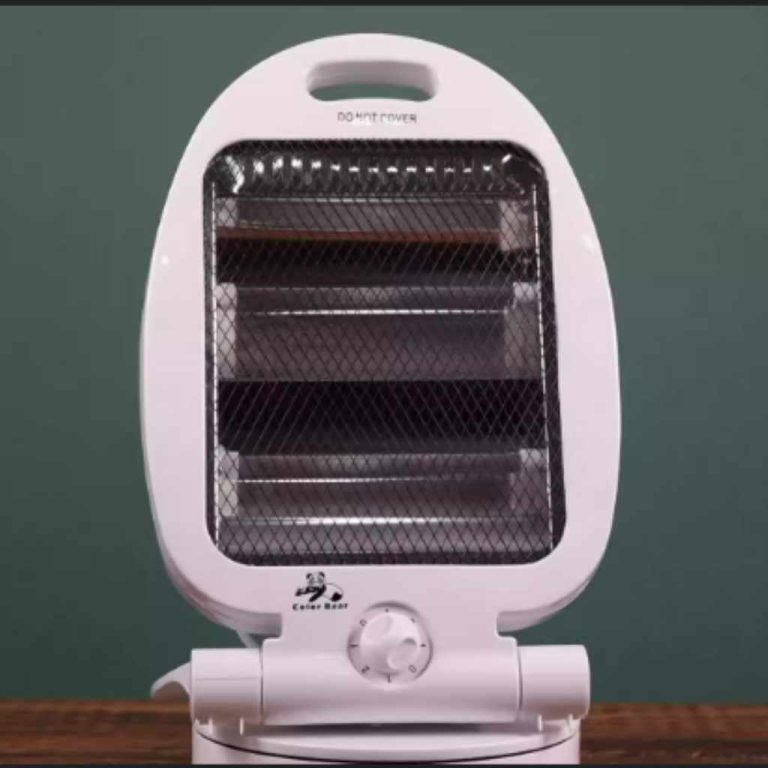
These are often the simplest for DIYers. They come in various forms. Wall-mounted units are popular. They save floor space. Portable electric heaters are also an option. They are easy to move around. You just need a suitable electrical outlet.
For hardwired models, you’ll need basic electrical knowledge. You connect them directly to your home’s wiring. This is where safety is paramount. Ensure the circuit can handle the heater’s wattage. Overloading a circuit is dangerous. It can cause fires.
Pros: Easy to install, no vents needed, usually safer for DIY, quick to start heating.
Cons: Can be more expensive to run, might not heat very large or poorly insulated garages effectively.
Gas Garage Heaters (Natural Gas or Propane)
These heaters are powerful. They can heat large spaces quickly. They use natural gas or propane fuel. This means they need a gas line connection. They also require a proper venting system. This is a major safety consideration.
Installing a gas line can be complex. It often requires specific tools and knowledge. Improper connections can lead to gas leaks. Leaks are dangerous. They can cause explosions or carbon monoxide poisoning. Venting must be done correctly. It needs to direct exhaust fumes safely outside. This usually involves drilling through a wall or roof.
Pros: Very effective for large spaces, cheaper to run than electric in many areas.
Cons: Complex installation, requires gas line and venting, significant safety risks for DIY, potential for carbon monoxide issues.
Propane Garage Heaters
These are similar to natural gas heaters. They use portable propane tanks. This makes them a bit more flexible. You don’t need a permanent gas line. However, you still need a way to vent the exhaust. You also need to manage the propane tanks.
Safety is still a big concern with propane. Tank handling and connections must be secure. The venting requirement remains. For DIY, this type might seem easier than natural gas. But the venting and gas safety aspects are still present.
Pros: Good for large spaces, no permanent gas line needed, portable tanks offer some flexibility.
Cons: Requires propane tanks, needs venting, safety risks are similar to natural gas, ongoing cost of propane refills.
Heater Types vs. DIY Difficulty
- Electric (Plug-in): Easiest DIY.
- Electric (Hardwired): Moderate DIY. Requires electrical knowledge.
- Gas/Propane (Vented): Hardest DIY. Needs plumbing, venting, and gas safety.
DIY Installation Steps: The Electric Heater Path
Let’s focus on the most common DIY scenario: installing an electric garage heater. This is often more manageable for homeowners. Remember, even this requires care and attention.
1. Planning and Preparation
First, choose your heater. Make sure it’s rated for garage use. Garages can be damp. Look for safety features like overheat protection. Check the heater’s wattage. Ensure your garage’s electrical panel can handle it. You might need a dedicated circuit. This is very important.
Decide where the heater will go. It should be mounted securely. Keep it away from flammable materials. The manufacturer’s manual will have specific clearance requirements. Measure the space. Plan the wiring route if it’s a hardwired unit.
2. Gathering Your Tools and Materials
You’ll need basic tools. These include a screwdriver set, wire strippers, pliers, and a voltage tester. For hardwired units, you might need a drill and appropriate bits. You’ll also need mounting hardware specific to your heater and garage walls.
If you need a new circuit, you’ll need a breaker, wire (correct gauge for the wattage and distance), and possibly a junction box. Always use the correct gauge wire. Using wire that’s too thin is a fire hazard.
3. Turning Off the Power (Crucial Step!)
This step cannot be stressed enough. Go to your main electrical panel. Find the breaker that controls the circuit for the area where you’ll be working. Flip it to the OFF position. Double-check with a voltage tester. Touch the wires you plan to work with. If it sparks or shows power, you have the wrong breaker. Turn off the main breaker if you are unsure.
Never assume the power is off. Always test.
4. Mounting the Heater
Follow the manufacturer’s instructions precisely. Most wall-mounted heaters come with a mounting bracket. Secure this bracket firmly to the wall studs. Make sure it’s level. Then, attach the heater to the bracket.
Ensure all required clearances are maintained. This prevents overheating and potential fire risks. Check that the heater is stable and won’t wobble or fall.
5. Wiring the Heater
This is the part that requires the most care for hardwired models. If your heater plugs into an outlet, you just need to make sure the outlet is on the correct circuit and grounded. If it’s hardwired, you’ll connect wires from the heater to the wires in your garage’s electrical box or a junction box.
Use wire nuts to connect like-colored wires. Typically, black to black (hot), white to white (neutral), and green or bare copper to ground. Ensure all connections are tight and secure. Improper connections can cause arcing, sparks, and fire.
If you are adding a new circuit, you’ll need to run the wire from the panel to the heater location. This might involve going through walls or ceilings. This can be complex and may require professional help.
6. Testing the Installation
Once everything is connected and secured, it’s time to test. Go back to your electrical panel. Turn the breaker ON. Listen for any unusual sounds from the heater. Then, turn the heater on using its controls. Watch for any sparks or strange smells. The heater should start to produce warm air.
Let it run for a few minutes. Monitor it closely. Check that it heats as expected. If anything seems wrong – strange noises, smells, or no heat – turn it off immediately. Go back to the breaker and investigate or call a professional.
Quick Electric Heater Install Checklist
Before You Start:
- Choose the right heater (wattage, type).
- Check your electrical panel’s capacity.
- Read the manual cover to cover.
- Gather all tools and materials.
During Installation:
- TURN OFF POWER. Always test.
- Mount securely, observing clearances.
- Make secure, correct wire connections.
After Installation:
- Test carefully.
- Monitor for any issues.
When to Call in the Professionals
There are times when DIY just isn’t the best route. For garage heaters, this often comes down to safety and complexity. If any of these apply to you, it’s wise to hire an expert.
Gas and Propane Heaters
As mentioned, gas heaters (natural gas or propane) bring significant risks. Connecting gas lines incorrectly can lead to leaks. These leaks are extremely dangerous. They can cause fires or explosions. They also pose a serious risk of carbon monoxide poisoning.
Ventilation is another major factor. Improperly vented gas appliances can fill your garage with deadly fumes. Professionals know the building codes for venting. They understand how to ensure proper airflow and exhaust. They have the right tools and certifications for this work.
Electrical Panel Upgrades
If your current electrical panel doesn’t have enough capacity for a new heater, you’ll need an upgrade. This is not a DIY job for most people. It involves working directly with the main power supply to your home. An electrician needs to assess your needs and make the necessary modifications safely.
This might involve adding new breakers or even upgrading the entire panel. It’s complex work that requires specialized knowledge of electrical systems.
Uncertainty About Wiring
If you look at your garage’s wiring and feel confused, that’s a clear sign to stop. Electrical work can be dangerous if you’re not sure what you’re doing. Don’t guess when it comes to electricity. A mistake could lead to electrocution or a house fire.
Even if you can plug in a small space heater, hardwiring a larger unit is different. It requires understanding circuits, load calculations, and proper connection techniques. An electrician can do this safely and efficiently.
When Not to DIY a Garage Heater
Definitely hire a pro if:
- You are installing a gas or propane heater.
- You need to upgrade your electrical panel.
- You are unsure about any part of the wiring.
- Local codes require a licensed installer.
Real-World Garage Heating Scenarios
How you use your garage greatly impacts the best heater choice and installation method. Think about what happens in your garage regularly.
The Hobbyist’s Workshop
If your garage is your workshop, you probably spend hours there. Consistent, reliable heat is key. You might be working with fine tools, paints, or wood. Temperature stability is important for both your comfort and your materials. An electric heater, possibly hardwired for consistent power, is often a good fit. You might need something with a thermostat to maintain a steady temperature.
The Car Enthusiast’s Haven
For car lovers, keeping the garage warm enough to work on vehicles is essential, especially in colder climates. You might be doing oil changes, engine work, or restoration. These tasks can take a long time. A powerful heater is often needed. Gas or propane heaters might be considered for their heating power. However, the installation complexity and safety for gas heaters are significant challenges for DIY.
The Seasonal Storage Space
If your garage is mostly for storage, but you want to protect items from freezing, a less powerful heater might suffice. You might only need to keep the temperature above a certain point, not make it toasty warm. A simple, portable electric heater could work. Or, a basic wall-mounted electric unit. Installation would be minimal for a plug-in model.
The Garage Gym or Extra Living Space
Some people convert their garages into gyms or extra living areas. These spaces need consistent, comfortable heat. Insulation becomes very important here. Electric heaters are often the go-to. They are easier to control for comfort. A hardwired unit with a thermostat is a good choice for these applications. Proper installation ensures it runs efficiently without causing electrical issues.
Garage Heater Use Cases
Scenario: Hobbyist Workshop
Best Heater Type: Electric (Hardwired)
Why: Consistent power, temperature control, easier DIY install.
Scenario: Large, Cold Climate Garage
Best Heater Type: Gas/Propane (Professional Install)
Why: High heating power, but safety requires expert installation.
Scenario: Basic Storage Protection
Best Heater Type: Portable Electric
Why: Simple, no installation needed, cost-effective.
What This Means for Your DIY Garage Heater Project
So, can you install a garage heater yourself? For many electric models, the answer is a resounding yes, with caution. It’s about matching the heater type to your comfort level with DIY tasks.
When DIY is Likely Safe
If you are comfortable with basic electrical work, like wiring a simple outlet or switch, a plug-in electric heater is very doable. Even hardwiring a wall-mounted electric heater can be managed if you are diligent. You must understand how to turn off power and make secure connections.
It means you can save money on installation labor. You also get the satisfaction of doing it yourself. It’s about empowering yourself with knowledge and skill. But always remember your limits. If something feels beyond your skill, it’s okay to get help.
When to Be Very Cautious or Hire Out
If the heater is gas-powered, the risks are too high for most DIYers. The need for proper gas lines and ventilation makes it a job for licensed professionals. This ensures safety for your home and family. Don’t take chances with gas leaks or carbon monoxide.
Also, if your electrical panel needs upgrading, that’s a job for an electrician. It’s complex, crucial work that impacts your whole home’s power. Don’t hesitate to call in the experts when the job feels too big or too risky.
Checking Local Regulations
One often-overlooked aspect is local building codes. Some areas require permits for heater installations. They might also mandate that gas appliance installations be done by licensed professionals. Always check with your local building department before starting. This can save you a lot of trouble and potential fines later.
Following these rules is part of responsible homeownership. It also ensures your installation is safe and compliant.
Quick Tips for a Smoother DIY Installation
Here are some practical tips to make your DIY heater installation go as smoothly as possible.
Read the Manual, Then Read It Again
This sounds simple, but it’s vital. Every heater is different. The manual has specific instructions for mounting, wiring, and operation. It also details safety precautions. Don’t skim this part. Make sure you understand every step before you begin.
Test Your Electrical Outlets/Circuits
Before you even buy a heater, know what your garage electrical setup can handle. Use a simple outlet tester to check if your outlets are grounded and wired correctly. If you plan to hardwire, use a non-contact voltage tester to confirm power is off at the intended connection point.
Don’t Rush the Process
DIY projects often go wrong when people rush. Take your time. Double-check your work. Make sure every screw is tight and every wire is secure. It’s better to take an extra hour than to have to fix a mistake that could be dangerous or costly.
Have a Helper If Possible
Even for simpler electric heaters, having a second pair of hands can be incredibly helpful. Someone can hold the heater in place while you mount it. They can also help by handing you tools or spotting you if you’re working at height. It makes the job safer and easier.
DIY Heater Installation Dos and Don’ts
| DO | DON’T |
|---|---|
| Read the manual thoroughly. | Guess about wiring. |
| Turn off power at the breaker. | Work on live wires. |
| Use the correct wire gauge. | Use undersized wire. |
| Mount securely, observe clearances. | Leave flammable items too close. |
| Call a pro if unsure. | Risk safety for a few dollars saved. |
Frequently Asked Questions About DIY Garage Heaters
Can I install a gas garage heater myself?
While some very basic gas heaters might have simpler setups, generally, gas garage heaters are complex and potentially dangerous to install DIY. They require gas line connections and proper venting, which must meet strict safety codes. It is highly recommended to hire a licensed professional for gas heater installation to ensure safety and compliance.
What is the easiest type of garage heater to install yourself?
Plug-in electric garage heaters are usually the easiest to install yourself. They simply require a standard electrical outlet that can support the heater’s wattage. For hardwired electric heaters, basic electrical knowledge is needed, but they are still generally more straightforward than gas options.
Do I need a permit to install a garage heater?
This depends entirely on your local building codes and municipality. Some areas require permits for any new electrical or gas appliance installation, while others do not. It’s always best to check with your local building department or code enforcement office before starting any installation to ensure you are compliant.
How do I ensure my garage heater is safe to use?
Safety comes from proper installation and usage. Always follow the manufacturer’s instructions. Ensure proper clearances from combustible materials.
For electric heaters, make sure the circuit is adequate. For gas heaters, professional installation and correct venting are critical to prevent carbon monoxide issues. Regularly inspect the heater and its connections.
What are the risks of installing a garage heater incorrectly?
Incorrect installation can lead to several dangers. These include electrical fires from faulty wiring, gas leaks and explosions from improper gas line connections, and carbon monoxide poisoning from inadequate venting of gas heaters. It can also result in the heater not functioning correctly or not heating your space effectively.
How much does it typically cost to hire a professional to install a garage heater?
The cost of professional installation varies widely. It depends on the type of heater, the complexity of the job, and your location. For a simple electric heater installation, you might expect a few hundred dollars.
For a gas heater requiring new gas lines and venting, costs can easily run into $1,000 or more.
Final Thoughts on Your DIY Garage Heater Project
Adding a heater to your garage can truly transform the space. It makes it usable and comfortable year-round. For many electric models, a DIY installation is certainly achievable. But it demands careful planning, attention to safety, and a good understanding of the steps involved. If you’re unsure, don’t hesitate to get expert help.