Can A Garage Heater Be Used Indoors? Here’S The Truth
The short answer is that most garage heaters are NOT designed for indoor use due to safety and air quality concerns. Their design often relies on outdoor venting or specific airflow patterns that can be dangerous inside a living space. It’s crucial to understand the risks involved before considering such a move.
Understanding Garage Heaters vs. Indoor Heaters
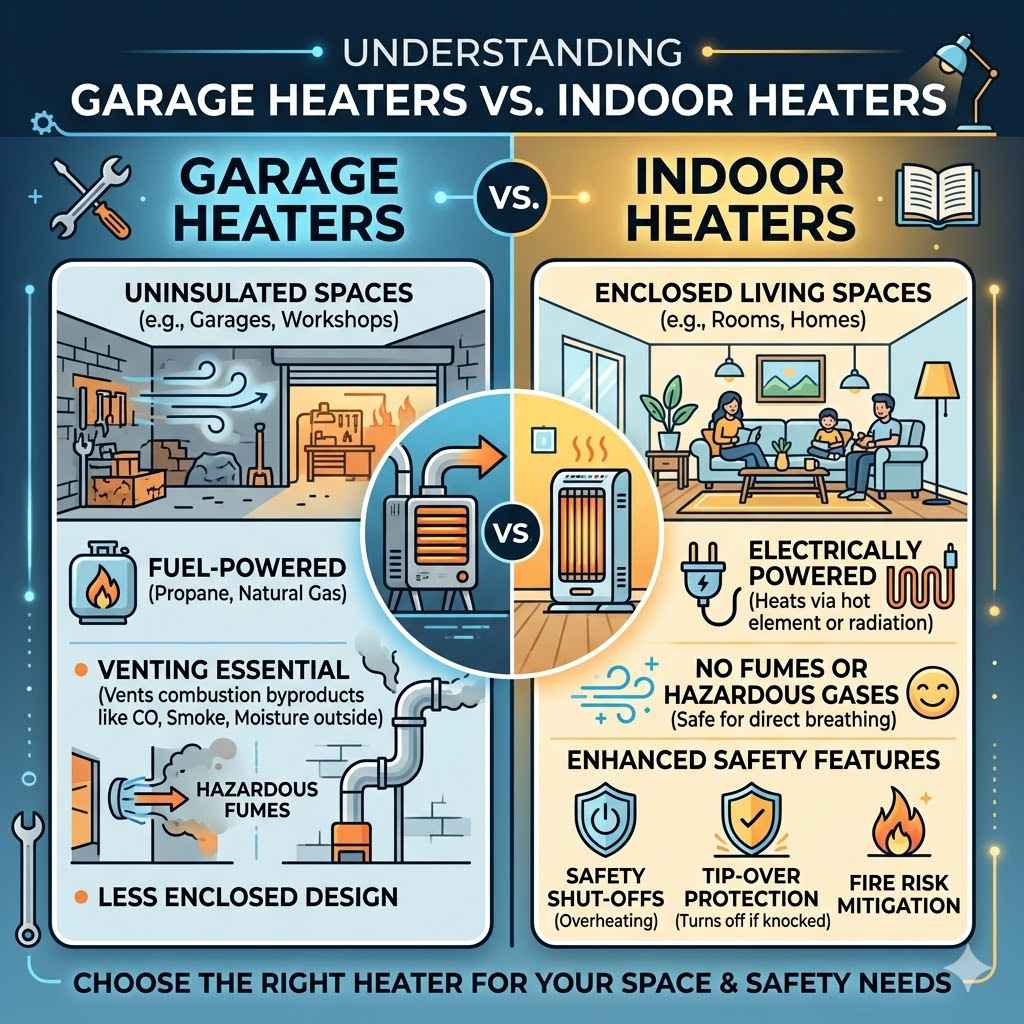
Garage heaters are built for a specific job. They are meant to warm up the often-uninsulated spaces like garages or workshops. These areas usually have more airflow and less concern about perfect air sealing.
They often use fuel like propane or natural gas. This means they create combustion byproducts. Think smoke, carbon monoxide, and moisture.
Because of this, they typically need to vent these byproducts outside. This is a key difference from indoor heaters. Most heaters made for inside your home are electric.
They don’t produce these harmful gases. Or, if they do use fuel, they have very strict safety features and venting systems for enclosed spaces.
Indoor heaters are designed with your safety in mind. This is their main goal. They consider things like fire risk.
They also think about the air you breathe. Electric heaters are very popular for indoor use. They heat by passing air over a hot element or using radiant heat.
These are generally safe. They don’t produce fumes. They also often have safety shut-offs.
These turn the heater off if it gets too hot. They can also shut down if they tip over. This is a big contrast to a powerful propane heater meant for a garage.
The Combustion Process and Its Dangers Indoors
Let’s talk about what happens when a fuel-burning heater works. It’s called combustion. This process needs fuel and air.
It makes heat. But it also makes other things. The most dangerous is carbon monoxide (CO).
This is a colorless, odorless gas. It is deadly. If a garage heater is used indoors without proper venting, CO can build up.
It can fill your home. Symptoms can include headaches, dizziness, and nausea. High levels can cause loss of consciousness and death.
This is why ventilation is so important for these types of heaters.
Besides CO, combustion creates other gases. It can also produce nitrogen oxides and sulfur dioxide. These can irritate your lungs.
They can make breathing difficult. For people with asthma or other breathing problems, this is very serious. Also, the burning process uses up oxygen in the air.
In a tightly sealed indoor space, this can be a problem. It can make the air feel stale. It can even make it hard to breathe normally.
This is why indoor heaters often have features to monitor air quality or use fan circulation to bring in fresh air.
Another issue is moisture. Burning fuel creates water vapor. In a garage, this moisture can just escape.
In an indoor room, it can build up. This can lead to mold and mildew growth. It can damage walls and furniture.
It can also make the air feel damp and uncomfortable. This is not something you want in your living areas. The design of a garage heater does not account for this indoor humidity.
It’s made for an environment where moisture can dissipate.
Garage Heater Safety Features to Know
Ventilation Requirements: Most garage heaters need a direct vent. This means a pipe goes outside. This pipe carries exhaust gases away.
Without it, dangerous fumes build up.
Air Intake: Some heaters need a lot of fresh air to run safely. This air is drawn from the space where the heater is. An indoor room might not have enough airflow.
This can lead to incomplete burning.
Combustion Byproducts: Even if a heater seems to run okay, it might still be putting out small amounts of CO or other gases. These can add up over time.
Tipping and Fire Risk: While some heaters have tip-over switches, their design might be heavier or less stable. They could be more of a fire hazard if placed near curtains or furniture indoors.
Why Direct Venting is Non-Negotiable
Direct venting is a crucial safety feature for many heaters. It means the heater is connected to a system that pushes exhaust gases out of the building. Think of a chimney for your furnace, but often more streamlined for smaller units.
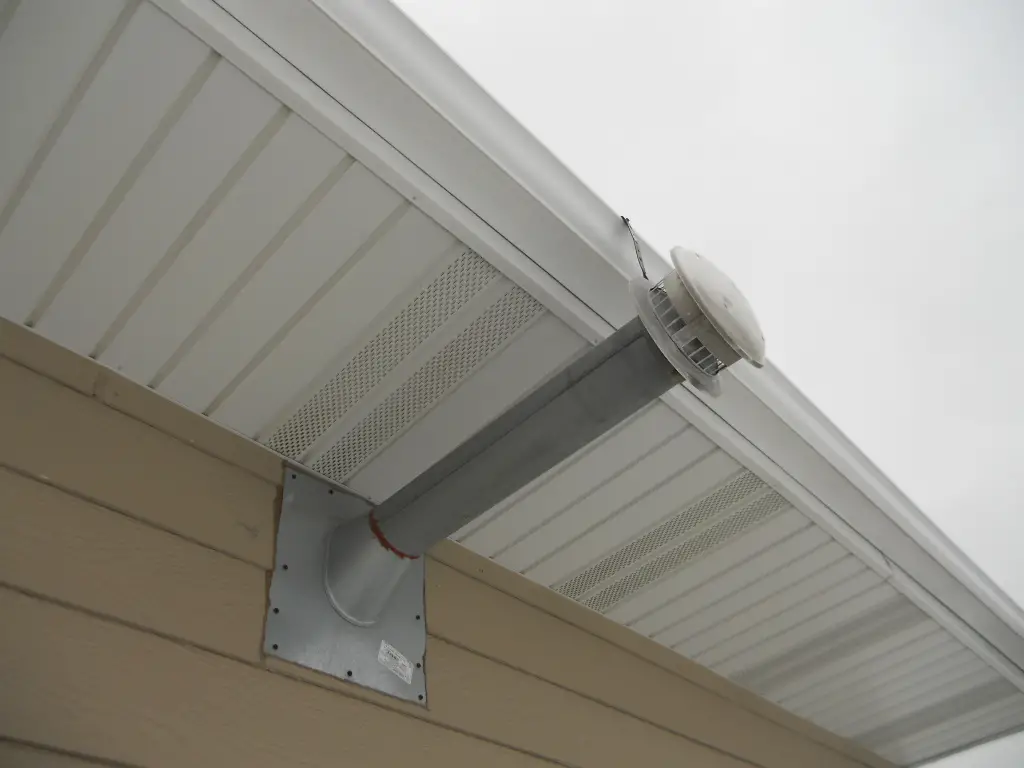
For a garage heater, this vent pipe is essential. It prevents the dangerous byproducts of combustion from entering the air you breathe. The pipe is usually made of metal.
It has to be installed correctly. It needs to go all the way to the outside.
If you take a garage heater and use it inside a room without that vent, you’re creating a very dangerous situation. The heater will still burn fuel. It will still produce CO.
But instead of going outside, that CO will stay in the room. It will spread through your house. This is how accidental CO poisonings happen.
People often don’t realize their heater is the cause. They might think they have the flu or are just tired. But it’s the invisible gas from the heater.
Many people think they can just open a window. This might help a little. But it’s not enough.
A garage heater needs a constant, dedicated vent system. Opening a window is not the same. The amount of air exchanged isn’t controlled.
It might not be enough to clear the fumes. Also, in winter, opening a window makes the room very cold. It defeats the purpose of heating the space.
So, relying on a window for venting is a risky gamble.
What Kind of Heaters ARE Safe for Indoor Use?
So, if garage heaters aren’t usually safe for indoors, what should you use? The good news is there are many excellent options. Electric heaters are the most common and safest choice for indoor rooms.
They work in different ways. Some use a fan to blow air over a hot coil. These are called convection heaters.
They warm up a room fairly quickly. They don’t produce fumes. They are easy to use.
You just plug them in.
Other electric heaters use radiant heat. These have glowing elements. They heat objects and people directly.
Think of the red glow from some space heaters. These are great for targeted warmth. They don’t heat the air itself as much.
They are good for sitting in front of. Infrared heaters are a type of radiant heater. They use infrared waves to provide heat.
They can feel very cozy and effective. They also don’t produce fumes.
There are also ceramic heaters. These use a ceramic element that heats up. A fan blows air through the ceramic.
This is a very popular type. They are generally safe. They can also be very efficient.
Many come with safety features like tip-over protection. They also have overheat protection. This makes them a good choice for living areas, bedrooms, or offices.
You might also see oil-filled radiators. These electric heaters have oil sealed inside. The element heats the oil.
The oil then radiates heat. They provide a steady, gentle warmth. They are very quiet.
They are also quite safe. Since there’s no fan, they don’t blow dust around. This can be good for people with allergies.
They are slower to heat a room than fan heaters, but they keep it warm for longer.
Quick Scan: Indoor Heating Options
| Heater Type | Pros | Cons | Best For |
|---|---|---|---|
| Electric Convection | Heats room fast, no fumes, portable | Can be noisy (fan), may dry air | Quickly warming up a room |
| Electric Radiant/Infrared | Direct warmth, quiet, efficient | Heats objects, not air, limited coverage | Targeted personal warmth |
| Ceramic Fan | Safe, efficient, portable, some safety features | Fan noise, can dry air | General room heating |
| Oil-Filled Radiator | Steady heat, quiet, safe, doesn’t dry air | Slow to heat, bulky | Long-term, gentle warmth |
The Role of BTU Output and Room Size
When you look at heaters, you’ll see something called BTU. This stands for British Thermal Unit. It’s a measure of heat energy.
A higher BTU means more heat. Garage heaters often have very high BTU ratings. This is because they need to heat a large, often uninsulated space.
A typical garage might be 12×24 feet or larger. Heating this requires a lot of power.
Using a high-BTU garage heater in a small indoor room can be problematic. First, it might overheat the space very quickly. This can be uncomfortable.
It can also be a fire hazard if the thermostat isn’t working perfectly. Second, these powerful heaters are often designed to run for long periods. They might not have the precise controls needed for a smaller, well-insulated room.
They could cycle on and off too much. This isn’t efficient. It can also wear out the components faster.
For indoor rooms, you need to match the heater’s output to the room size. A general rule of thumb for electric heaters is about 10 watts per square foot. So, a 150 sq ft room might need around 1500 watts.
Most standard electric heaters are in the 1500-watt range. This is a safe and effective amount for most rooms. You can also look at BTU ratings for gas heaters meant for indoor use.
A small indoor gas heater might be in the 5,000-10,000 BTU range. This is far less than a typical garage heater, which could be 30,000-60,000 BTU or more.
Can a Garage Heater Be Modified for Indoor Use?
This is a question some people ask. They have an old garage heater. They think they can just change it.
For example, they might consider adding a vent kit or removing a certain part. Here’s the honest truth: it’s generally not advisable. The original design of a garage heater is for a specific environment.
Tampering with it can create new dangers. You might bypass safety features. You could make the combustion process even more unstable indoors.
Think about the warranty. If you modify a heater, you’ll void the warranty. If something goes wrong, the manufacturer won’t help.
More importantly, you’re putting yourself and your family at risk. Safety certifications, like those from UL (Underwriters Laboratories), are important. They mean the product has been tested.
It meets safety standards for its intended use. A garage heater is certified for garage use. It is NOT certified for indoor living space use.
The cost of trying to modify a heater might also be more than buying a new, safe indoor heater. Good electric heaters are readily available. They are often inexpensive.
They are designed from the ground up to be safe for your home. Trying to make a garage heater work indoors is a gamble. The stakes are very high: your health and safety.
It’s just not worth the risk.
Myth vs. Reality: Garage Heaters Indoors
Myth: If I open a window, I can use my garage heater indoors.
Reality: Opening a window might help a little with ventilation, but it’s not a safe substitute for proper venting. The risk of carbon monoxide buildup remains high.
Myth: All heaters that produce heat are the same, so it doesn’t matter where I use them.
Reality: Heaters are designed for specific environments. Combustion heaters produce dangerous byproducts that require venting. Electric heaters are generally safe for indoor use because they don’t produce fumes.
Myth: My garage heater has a thermostat, so it’s safe to use anywhere.
Reality: A thermostat controls temperature, not the safety of the exhaust gases. Even if it regulates heat, it doesn’t remove the risk of carbon monoxide or other combustion byproducts.
Real-World Scenarios and What to Look For
Imagine Sarah. She lives in a drafty old house in Maine. Her living room feels cold, even with the main heating system.
She has a powerful propane garage heater in her garage. She thinks, “Why not move it into the living room just for the evenings?” She brings it in. She places it far from any furniture.
She even cracks a window. At first, it feels great. The room warms up fast.
But then, Sarah starts to feel tired. She gets a dull headache. Her partner notices they feel a bit dizzy.
They think they’re just catching a cold. They don’t connect it to the heater. They’ve had it running for a few hours.
The window is only open a tiny bit. The propane is burning. Carbon monoxide is slowly filling the room.
They don’t have a CO detector. This is a common mistake. They are in danger.
Luckily, a neighbor stops by. The neighbor notices the smell of propane and the slightly stuffy air. They suggest Sarah get a CO detector.
They also strongly advise against using the garage heater indoors.
Sarah quickly researches. She learns about the dangers. She realizes how close she came to a serious problem.
She unplugs the garage heater. She goes out and buys a small electric ceramic heater. It has safety features.
She plugs it in. It warms the room gently. She feels safe.
She also buys a CO detector and places it near the heater. This story highlights the importance of using the right tool for the job. It also shows the value of safety devices like CO detectors.
Another scenario: Mark has a large basement that’s unfinished. He wants to make it a workout room. He has an electric garage heater.
It’s a radiant tube style. These often look like long metal tubes. They get very hot.
They are designed to throw heat across a large space. Could he use this in his basement? Even though it’s electric, it still might not be ideal.
Some electric heaters designed for garages have specific airflow requirements. They might have open heating elements. These can be a fire risk if something falls on them.
They also use a lot of power. A dedicated electric heater for a basement space would be safer. It would be designed for that environment.
When is a Heater “Safe” for Indoor Use?
The key word is designed. A heater is safe for indoor use if it was designed and certified for that purpose. This usually means:
1. Electric Power Source: Most safe indoor heaters use electricity. They don’t burn fuel.
This means no carbon monoxide or other combustion fumes.
2. Safety Certifications: Look for labels from recognized testing labs. In the U.S., this includes UL (Underwriters Laboratories), ETL (Intertek), or CSA (Canadian Standards Association).
These certifications mean the heater has passed safety tests.
3. Indoor-Specific Features: Safe indoor heaters often have features like:
- Tip-over switch: Shuts off the heater if it’s knocked over.
- Overheat protection: Shuts off the heater if it gets too hot.
- Cool-touch housing: The outside of the heater stays relatively cool.
- Thermostats: Allow for precise temperature control.
- Enclosed elements: Heating elements are protected within the unit.
4. No Open Flames or Fumes: If a heater produces an open flame or smells like it’s burning something other than clean heat, it’s likely not for indoor use. This includes propane, natural gas, kerosene, or wood-burning heaters, unless they are specifically designed and vented for indoor use (like a fireplace insert or a direct-vent gas heater made for basements).
A heater that meets these criteria is what you should look for. Always read the manufacturer’s instructions. They will tell you where the heater is meant to be used.
What This Means for Your Home
The main takeaway is simple: don’t use your garage heater inside your living spaces. It’s a recipe for disaster. The risk of carbon monoxide poisoning is too high.
Moisture problems and fire hazards are also serious concerns. Your garage heater is a powerful tool. It’s designed to work in a specific, usually well-ventilated, and less sensitive environment.
Your home’s living areas require a different approach to heating.
Think of it like using a car jack to lift your house. It might have the power, but it’s not designed for that job. It’s not safe.
You could damage the car, the jack, or yourself. The same applies to heaters. Using the wrong type of heater in the wrong place can lead to serious harm.
If you need to heat an extra space like a sunroom, a basement, or even just a particularly cold room, choose a heater made for that job. Electric heaters are your best bet for most indoor supplemental heating needs. They are readily available, relatively inexpensive, and much safer when used as directed.
Always prioritize safety. Read labels. Follow instructions.
And if you’re ever unsure, it’s always better to err on the side of caution.
Having a working Carbon Monoxide detector is non-negotiable. Install them on every level of your home. Test them regularly.
This simple device can save your life. It’s a small investment for immense peace of mind. It’s especially important if you have any fuel-burning appliances, including generators or gas water heaters.
Quick Fixes & Tips
If you’re looking to add warmth to a specific indoor area, here are some simple tips:
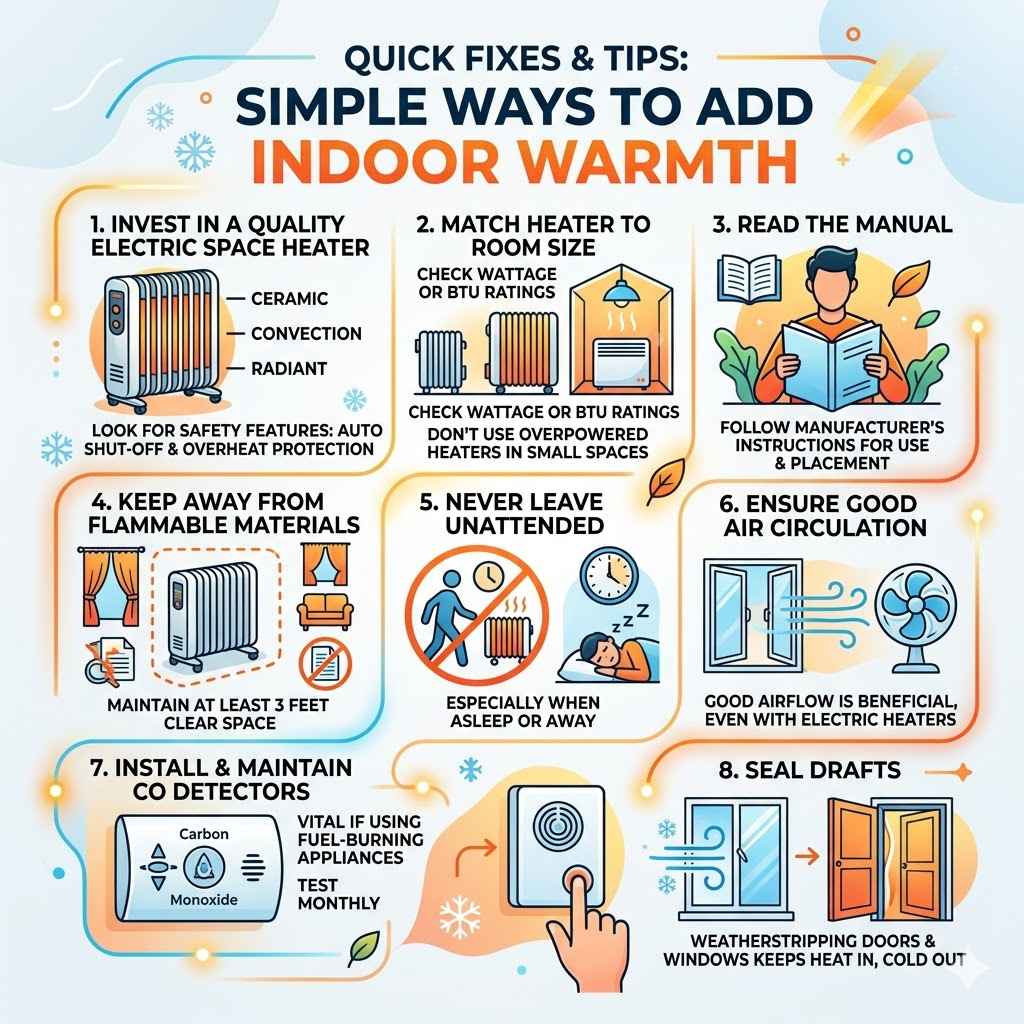
- Invest in a quality electric space heater. Look for ceramic, convection, or radiant types. Make sure they have safety features like auto shut-off and overheat protection.
- Match the heater to the room size. Don’t use a heater that’s too powerful for a small space. Check wattage or BTU ratings.
- Read the manual. Always follow the manufacturer’s instructions for use and placement.
- Keep heaters away from flammable materials. Maintain at least 3 feet of clear space around any heater.
- Never leave a portable heater unattended. Especially if it’s running while you sleep or leave the room.
- Ensure good air circulation. Even with electric heaters, it’s good to have some airflow.
- Install and maintain CO detectors. This is vital if you use any fuel-burning appliances. Test them monthly.
- Seal drafts. Weatherstripping doors and windows can make a big difference. This helps keep the heat in and the cold out.
Frequently Asked Questions
Can I use a propane heater designed for a garage inside my house?
No, it is not safe to use a propane heater designed for a garage inside your house. These heaters produce dangerous fumes like carbon monoxide and require outdoor venting. Using them indoors without proper ventilation can lead to serious health risks and even death.
Are electric garage heaters safe to use indoors?
Some electric garage heaters might be safe for indoor use if they are specifically designed and certified for indoor living spaces. However, many garage heaters, even electric ones, are built for different conditions and may lack the safety features required for homes. Always check the product manual and certifications.
What are the main dangers of using a garage heater indoors?
The primary danger is carbon monoxide (CO) poisoning from incomplete combustion. Other dangers include moisture buildup leading to mold, reduced oxygen levels, and increased fire risk due to the heater’s design or placement.
How can I tell if a heater is safe for indoor use?
Look for safety certifications like UL, ETL, or CSA. The heater should be electric or specifically designed and vented for indoor fuel use. It should also have safety features like tip-over protection and overheat shut-off.
Always consult the owner’s manual.
What is the best alternative to a garage heater for indoor use?
The best alternatives are electric heaters designed for indoor spaces. This includes ceramic heaters, convection heaters, radiant heaters, and oil-filled radiators. They provide heat without producing dangerous fumes.
Do I need a carbon monoxide detector if I only use electric heaters indoors?
While electric heaters themselves do not produce carbon monoxide, it is still highly recommended to have carbon monoxide detectors in your home. Other appliances, like gas furnaces, water heaters, or stoves, can produce CO. Having detectors on all levels provides overall safety.
Conclusion
Deciding where to use a heater is about more than just warmth. It’s about safety. Garage heaters are built for garages.
They are not built for your living room. The risks of carbon monoxide, fire, and moisture are too great. Always choose a heater designed for the space you want to heat.
For indoor comfort, reliable electric options are your best, safest choice. Stay warm and stay safe.