How to Read Block Heater Specifications Before Buying
Read a block heater spec sheet in this order: fit the engine first, then match voltage and wattage, then check cord and safety details, then confirm installation clearances and access. Pick the exact engine or part-number fit before you compare power ratings. Miss one of those checks and you can buy a heater that draws the wrong current, does not fit, or is hard to install; this guide shows you how to read each line of the spec sheet before you buy.
What you’ll need
- Vehicle year, make, model, and engine code
- The product label, listing, or box text
- A note of where you park and where the outlet is
- A tape measure for outlet-to-plug distance
- Photo access to the engine bay, drain plug, or freeze-plug area
How do I read block heater specs before buying?
Start with fit, then power, then safety, then installation reality. A heater can match the wattage you want and still miss the engine, exceed your circuit setup, or need a cord path that you cannot use.
Read the listing line by line. Check the heater type, exact engine fit, voltage, wattage, thermostat or thermal protection note, cord length, and any outdoor-use or waterproof wording. If a seller leaves one of those out, treat it as unknown, not assumed.
What the first pass should answer
- Confirm the exact engine fit or part number.
- Check the heater type and where it mounts.
- Match voltage to your available outlet or wiring.
- Compare wattage against your warm-up goal and parking setup.
- Check cord reach, safety controls, and access for installation.

What heater type fits your engine?
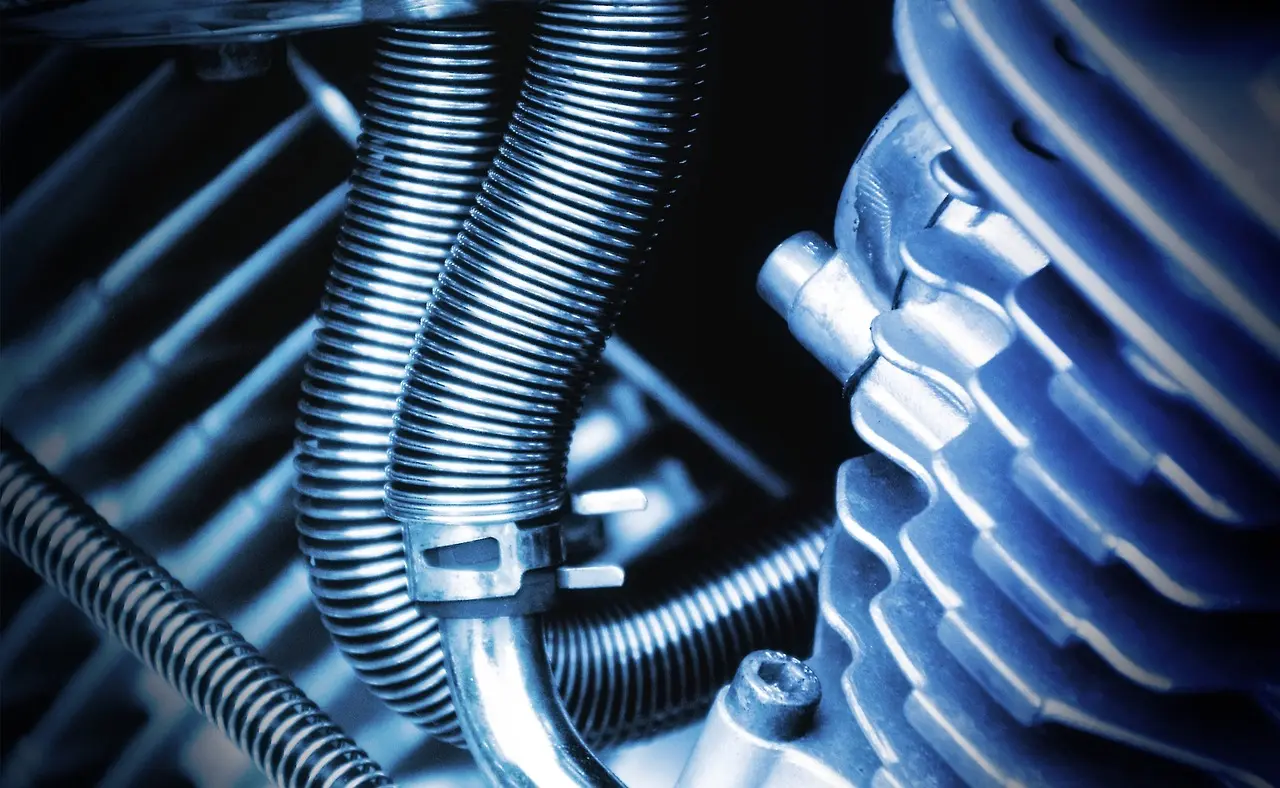
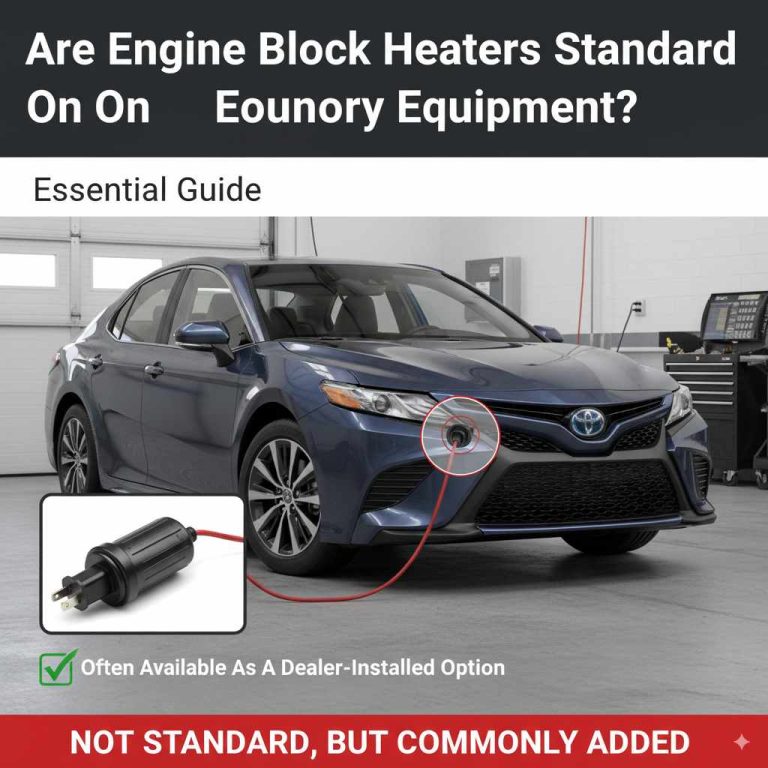
The right heater type depends on where the engine gives you access and how much installation room you have. Frost plug heaters, oil pan heaters, and inline circulating heaters all work differently, and each one suits a different engine layout. Gas, diesel, aluminum, and cast iron engines can all matter here.
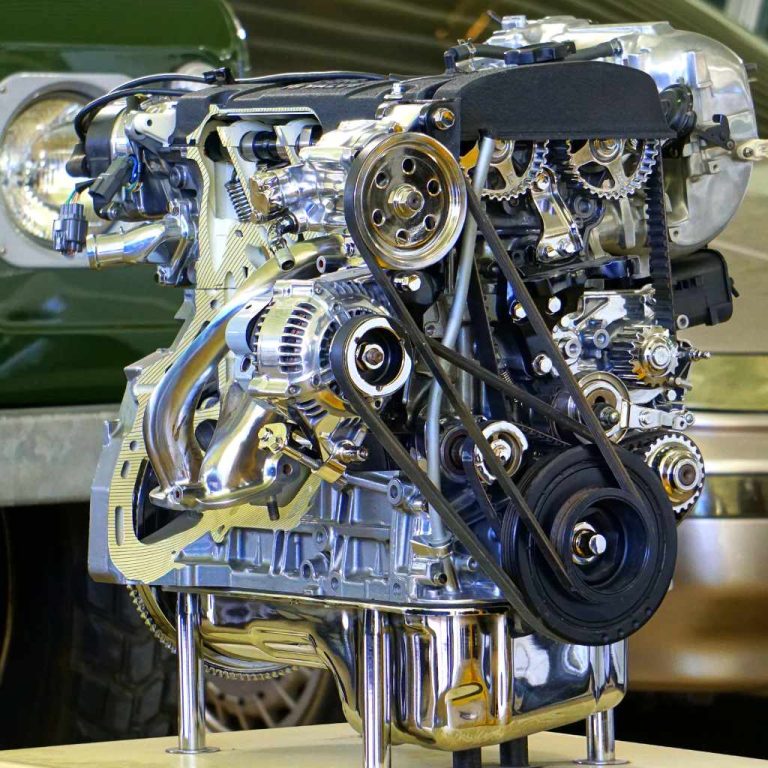
Compatibility is not only about engine size. It also depends on engine material, coolant-system design, and whether the heater can reach the contact point it needs.
Common heater types
- Frost plug heater: Replaces a core plug in the engine block. Best when the block has accessible plug openings and the application list matches your engine.
- Oil pan heater: Mounts to the pan surface. Oil pan heaters can be magnetic or pad type.
- Inline circulating heater: Installed into the coolant hose. These are often used in fleet vehicles where a coolant-loop installation is practical.
Say your diesel truck has a plug-in point listed by engine code but little room around the block face. A frost plug design may fit on paper, while an oil pan or inline option may be easier to install if the manufacturer lists that engine.
Gas, diesel, aluminum, and cast iron fit notes
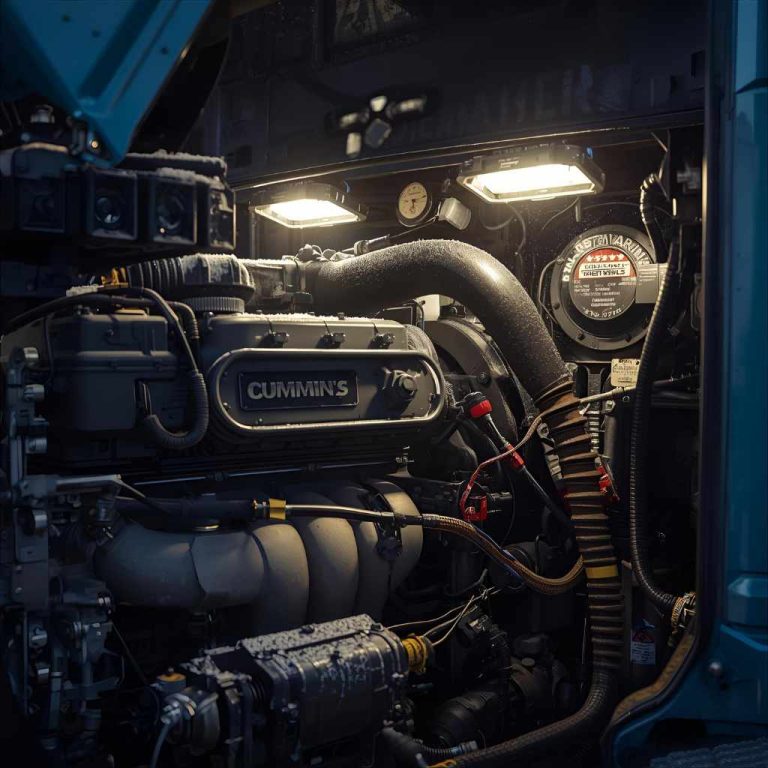
Diesel engines often benefit more in deep cold because they are harder to start when temperatures drop. Older engines also tend to show a bigger payoff. Aluminum versus cast iron matters too, because heat flow and mounting details can differ even when the engine family looks similar on paper.
Picture a commuter car with an aluminum block and a tight accessory layout. A listing that only says “fits 2.0L engine” is not enough. You want the exact engine code, the mounting style, and any note about whether the heater is meant for aluminum or cast iron construction.
How do you read wattage and voltage?
Wattage shows how much electrical power the heater draws, and in similar designs it gives you a rough clue to heating output. Many block heaters fall between 750W and 1500W, and most passenger vehicles use about 1000W as a typical block heater wattage baseline. Higher wattage usually means more draw and, when the design is comparable, quicker warm-up.
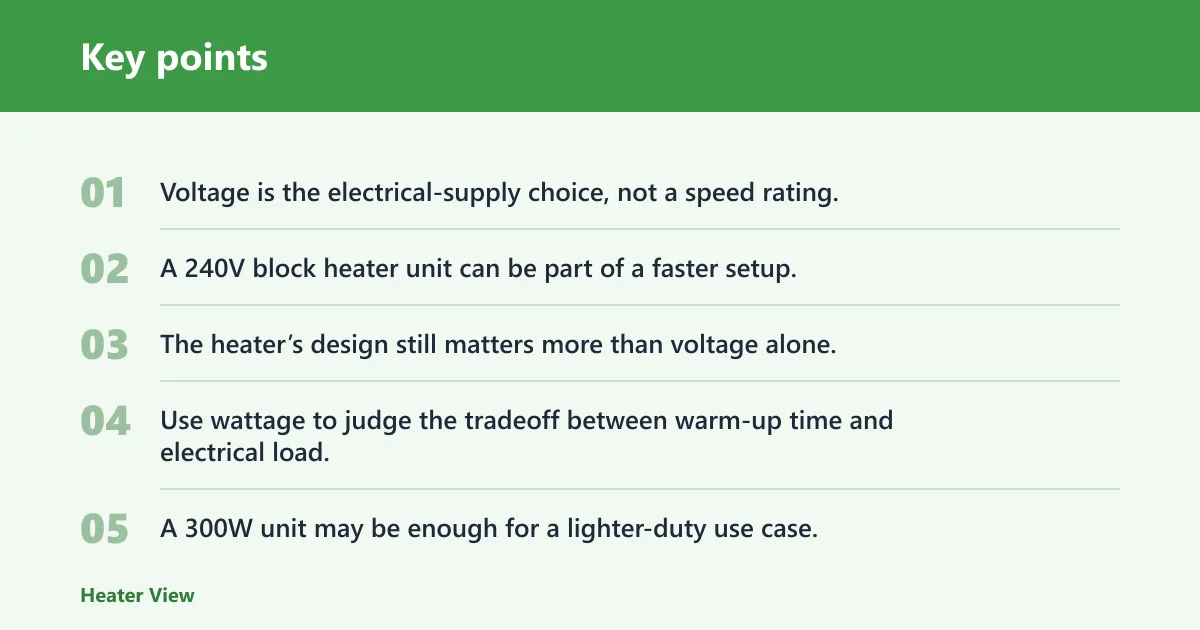
Voltage is the electrical-supply choice, not a speed rating. Standard household outlet voltage is 120V. A 240V block heater unit can be part of a faster setup, but only when the vehicle and installation call for special wiring. The heater’s design still matters more than voltage alone.
What wattage means in plain terms
Use wattage to judge the tradeoff between warm-up time and electrical load. A 300W unit may be enough for a lighter-duty use case, while a 1500W unit typically asks more of the circuit and tends to warm more aggressively if the design is otherwise similar. Do not confuse heater wattage with circuit capacity.
Most OEM listings are often lower than many aftermarket units, commonly in roughly the 300W to 600W range. That is why the part number and intended vehicle matter more than a single “best” wattage number.
120V vs 240V
Choose 120V for a standard household outlet when the product is designed for it. Choose 240V only if the vehicle, cord set, and installation call for special wiring. A 240V label does not automatically mean faster heating; wattage and heater design still set the pace.
Hotstart TPS151GT10-000 is described as a 1,500-watt external heater. Zerostart 3500043 is described as a 1000 watt block heater. Kat’s 1160 is described as a 300-watt magnetic heater. Those numbers show how different heater styles can target very different use cases.
Parking setup changes the meaning of the number
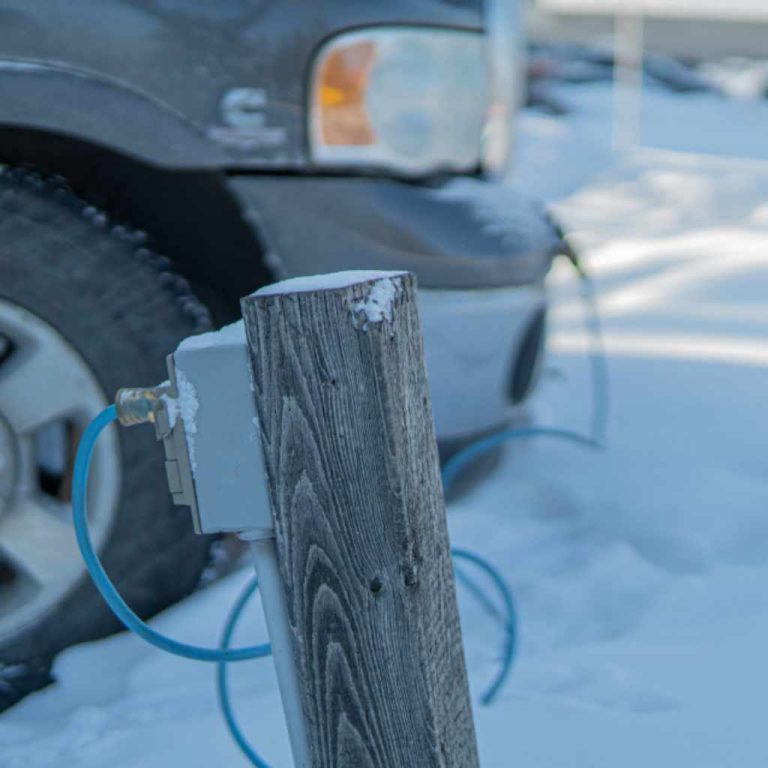
If you park close to a power outlet, a higher-wattage heater may be practical. If you park far from the outlet, the real question is whether the heater cord and your outdoor-rated extension cord can reach safely. Power only helps when you can connect it without crossing a walk or drive lane.
Which safety specs should you check?
Check thermostat control, thermal protection, and any waterproofing or outdoor-use wording before you buy. Thermostat control turns the heater off at the target temperature and keeps it from running harder than needed. Thermal protection adds a separate safety layer. Waterproofing claims matter for moisture and road grime, but many legitimate heaters do not publish a formal IP rating.
Look for a clear mention of outdoor use on the cord, plug, or listing if the heater will live in winter weather. If a product lists IP67 or similar, treat it as a plus, not a requirement.
Thermostat control and thermal protection
Do you need a thermostat? In milder cold snaps, yes, it can be useful because the heater does not need to run at full output the entire time. Thermal protection matters too, especially for durability and safety, because it helps prevent overheating if the unit runs under the wrong conditions or reaches an unsafe temperature.
That is different from saying every heater will fail without it. Many heaters are designed for continuous operation or are self-limiting. The safer buying rule is simpler: if the spec sheet clearly states thermal protection, treat that as a strong buy signal.
What to verify on the box or listing
- Thermostat or automatic temperature control wording
- Thermal cutoff, overheat protection, or similar phrase
- Outdoor-use note for the cord and plug
- Any IP rating, if the maker publishes one
- Whether the wiring is meant for wet or sheltered locations
How long should the cord be?
Measure from the outlet to the plug location with the hood closed and the vehicle parked where it normally sits. A cord only works if it reaches without strain, and the plug should remain easy to access. Use an outdoor-rated extension cord if the built-in cord is too short.
There is no universal minimum that fits every vehicle. The useful length is the one that reaches cleanly from the outlet to the heater plug without crossing a hazard zone or forcing you to pull the connector tight.
When a short cord becomes a deal breaker
- Measure the route, not the straight line.
- Add the distance from the outlet to the front of the vehicle.
- Include routing around the hood, bumper, or grille opening.
- Confirm you can unplug it without opening the engine bay.
Suppose a tractor parks about 20 feet from the nearest outlet and the heater lead is short enough that the plug ends up behind the front tire. That is not a minor inconvenience; it is a poor fit for the parking setup. A longer outdoor-rated cord or a different heater style may be the better buy.
Block heater spec decoder table
| Label field | What it means | Normal numbers or wording | Red flags to avoid | Vehicles that care most |
|---|---|---|---|---|
| Wattage | Power draw and a rough clue to heating output | 750W to 1500W; many passenger vehicles use about 1000W | Choosing by wattage alone or assuming higher always fits better | Commuter cars, diesel trucks, generators |
| Voltage | Supply requirement | 120V for standard household outlets; 240V for special wiring | Buying 240V without the right wiring | Homes, shops, fleet installs |
| Thermostat control | Turns output off at the target temperature | Automatic cut-off or temperature control wording | No control noted for long plug-in times in mild cold | Commuter cars, mild winter use |
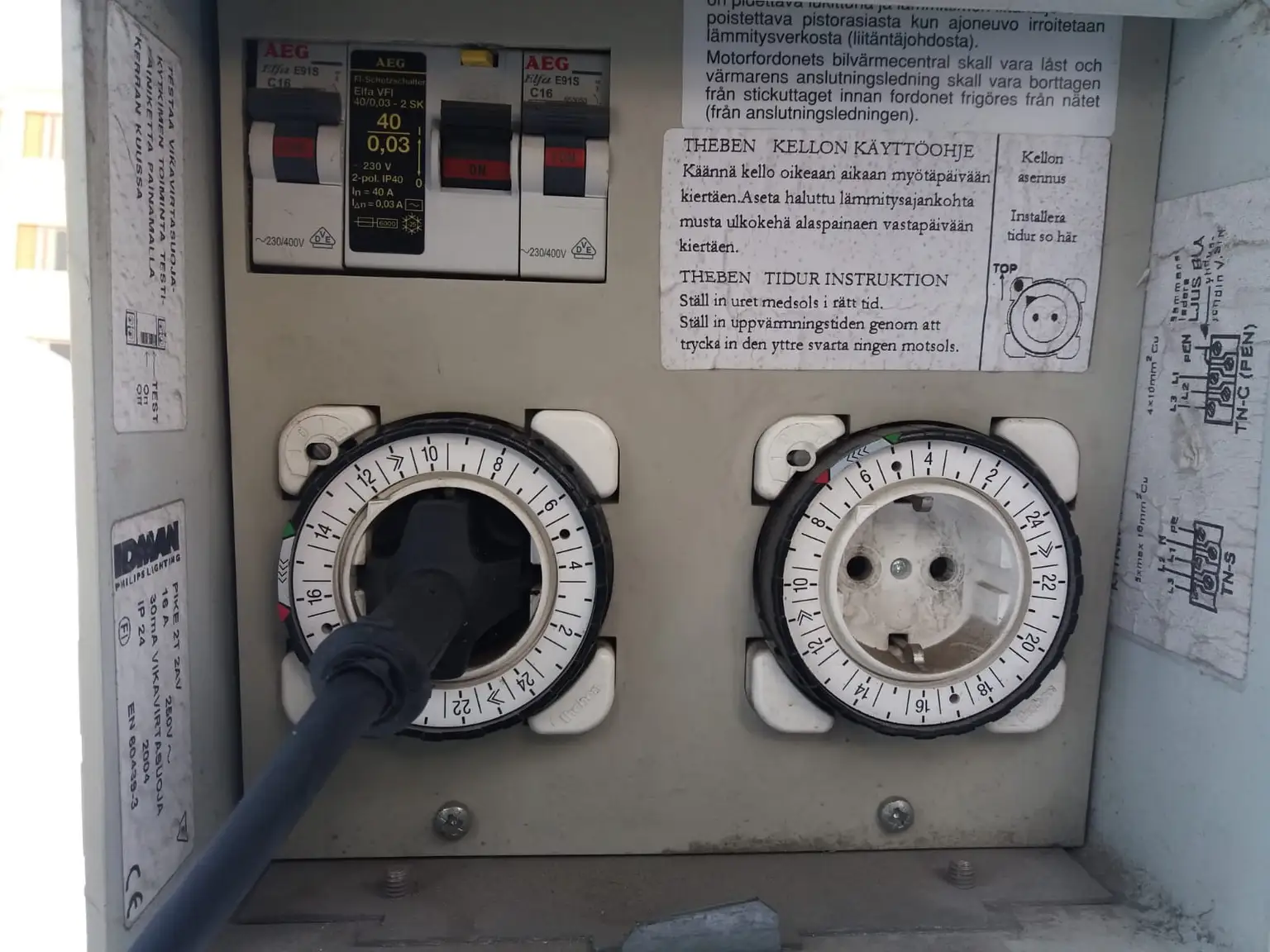
| Cord length | How far the plug can reach | Enough to reach the parking spot; outdoor-rated extension cord if needed | Plug ends up stretched tight or buried behind the wheel | Driveway parking, tractors, yard equipment |
| Compatibility | Engine type, material, and coolant-system fit | Exact engine code; aluminum or cast iron listed; gas or diesel noted | Generic size claims with no engine code | All vehicles, especially older engines |
| Heater type | Where and how the heater mounts | Frost plug heater, oil pan heater, inline coolant heater | Buying a type that has no mounting point on your engine | Trucks, fleet vehicles, tractors |
| Waterproofing | Resistance to moisture and grime | Any IP rating if published, or a clear outdoor-use note | Expecting a formal rating when the listing gives none | Outdoor parking, road salt, wet climates |
| Thermal protection | Limits unsafe temperature rise | Overheat protection, thermal cutoff, or similar wording | No protection stated for long plug-in periods | Long-duration winter parking |
Common mistakes to avoid
Do not read wattage as if it were circuit capacity. A heater’s wattage tells you power draw, not whether your outlet, cord, or wiring can safely support it. Do not assume voltage alone predicts warm-up speed either.
Do not buy before checking fit and access. A correct heater type can still fail in practice if the cord cannot reach, the plug location is blocked, or the engine material and coolant layout do not match the listing.
Do not treat waterproofing as a universal published spec. Many good heaters only mention outdoor use, not a formal IP rating. And do not skip thermal protection just because the heater is marketed for winter use.
If that didn’t work, try this next
- Search the exact engine code plus the heater part number.
- Check whether the listing names aluminum or cast iron compatibility.
- Compare the plug location to your parking spot with a tape measure.
- Confirm the cord will reach without relying on an indoor extension cord.
What specs matter most for diesel block heaters?
Diesel buyers should start with fit, then wattage, then cord reach, then safety controls. Deep-cold starting is harder on diesel engines, so exact compatibility and a practical way to power the heater matter more than a single number on the box. Inline circulating heaters are common in fleet use, but they are not the only option.
For diesel trucks and tractors, look closely at the mounting location and whether the heater works with the engine’s material and coolant layout. A higher-wattage unit can help, but only if the wiring and parking setup support it.
Vehicle-specific buying priorities
- Diesel truck: Exact engine fit, adequate wattage, and a cord long enough for driveway parking.
- Commuter car: Correct engine code, 120V compatibility, and thermostat control for lighter winter use.
- Tractor: Mounting access, outdoor-use cord setup, and a heater type that fits the engine layout.
- Generator: Compatibility with the engine material and enough cord reach for storage or service areas.
Frequently asked questions
What wattage block heater do I need?
Use the vehicle’s engine code and the intended parking setup first, then compare wattage. Higher wattage usually means more draw and, in comparable designs, quicker warm-up.
What voltage block heater should I buy, 120V or 240V?
Choose 120V for a standard household outlet. Choose 240V only when the vehicle and installation call for special wiring. Voltage is a supply choice, not a direct speed rating; wattage and heater design matter more for heating performance.
How do I know if a block heater will fit my engine?
Match the exact engine code, then verify the heater type and mounting point. Check whether the listing names aluminum or cast iron compatibility, and confirm whether the design is a frost plug heater, oil pan heater, or inline circulating heater. Generic size claims are not enough.
Do I need a thermostat in a block heater?
It is a strong feature to look for, especially for long plug-in times and milder cold snaps. A thermostat helps save energy by switching off at the right temperature and reduces the chance of unnecessary heat buildup. Thermal protection is another feature worth checking.
How long should a block heater cord be?
Long enough to reach from the outlet to the plug location without strain. Measure the real path around the vehicle, not just the straight-line distance. If the cord falls short, use an outdoor-rated extension cord rather than stretching the connection across a walkway or tire path.
What is the difference between frost plug, oil pan, and inline block heaters?
Frost plug heaters mount in the block, oil pan heaters attach to the pan surface, and inline circulating heaters go into the coolant hose. The best choice depends on access, engine layout, and how much installation work you want to do. Inline types are often used in fleet vehicles.
Will a block heater work with aluminum or cast iron engines?
It can, but only if the listing says so or the fit guide covers your engine material. Compatibility must account for aluminum versus cast iron, because the mounting point and heat flow can differ. Do not assume a heater that fits one material will suit the other.