Do All Cars Have Block Heaters? Essential Facts Revealed
Have you ever wondered if every car comes with a block heater? If you live somewhere cold or have faced freezing mornings, this question might have crossed your mind.
Knowing whether your car has a block heater can save you time, protect your engine, and make starting your vehicle much easier on chilly days. You’ll discover what block heaters are, why they matter, and if your car likely has one.
Keep reading to find out how this simple device could change your winter driving experience.
What Is A Block Heater?
A block heater is a small device that helps warm a car’s engine. It is very useful in cold climates. The heater keeps the engine warm before starting. This makes it easier to start the car on cold mornings. It also helps the engine run better and reduces wear.
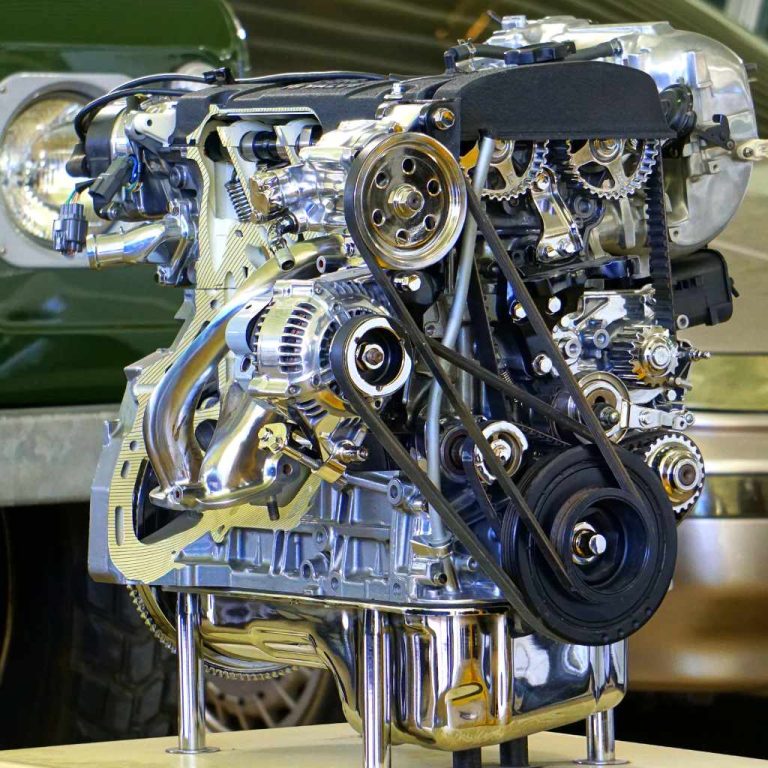
The block heater plugs into an electrical outlet. It warms the engine block and the oil inside. This helps the engine reach the right temperature faster. A warm engine uses less fuel and produces fewer emissions. Many drivers use block heaters in winter to protect their cars.
What Does A Block Heater Do?
The block heater warms the engine’s metal parts. It stops the oil from getting too thick. Thick oil can make the engine hard to start. A warm engine starts faster and works smoothly. It also lowers the chance of engine damage in cold weather.
Where Is A Block Heater Installed?
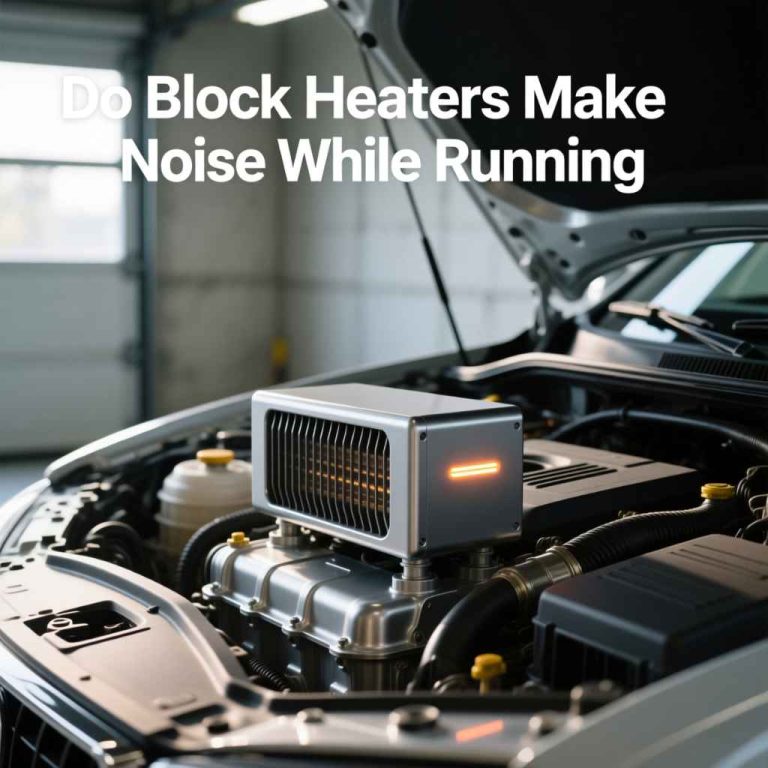
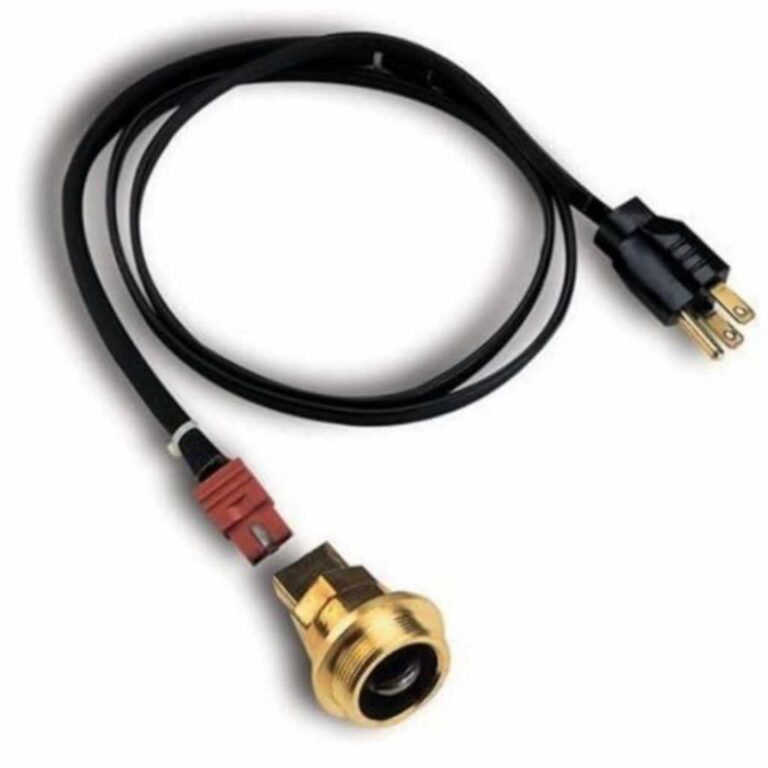
A block heater is usually installed in the engine block. It fits into a small hole or replaces a freeze plug. Some cars have block heaters built into the engine. Others need them added by a mechanic. The heater connects to a power cord outside the car.
How To Use A Block Heater
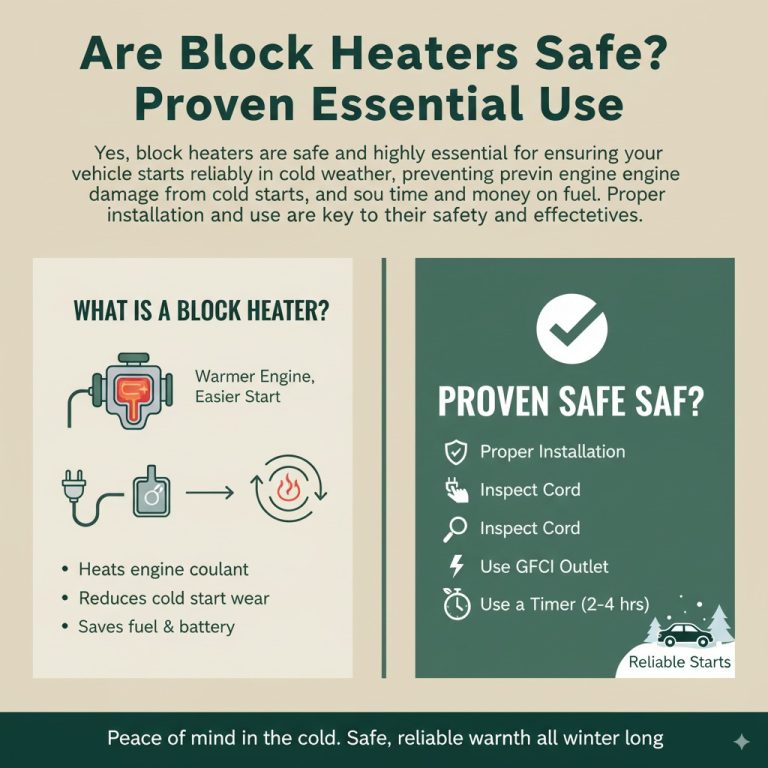
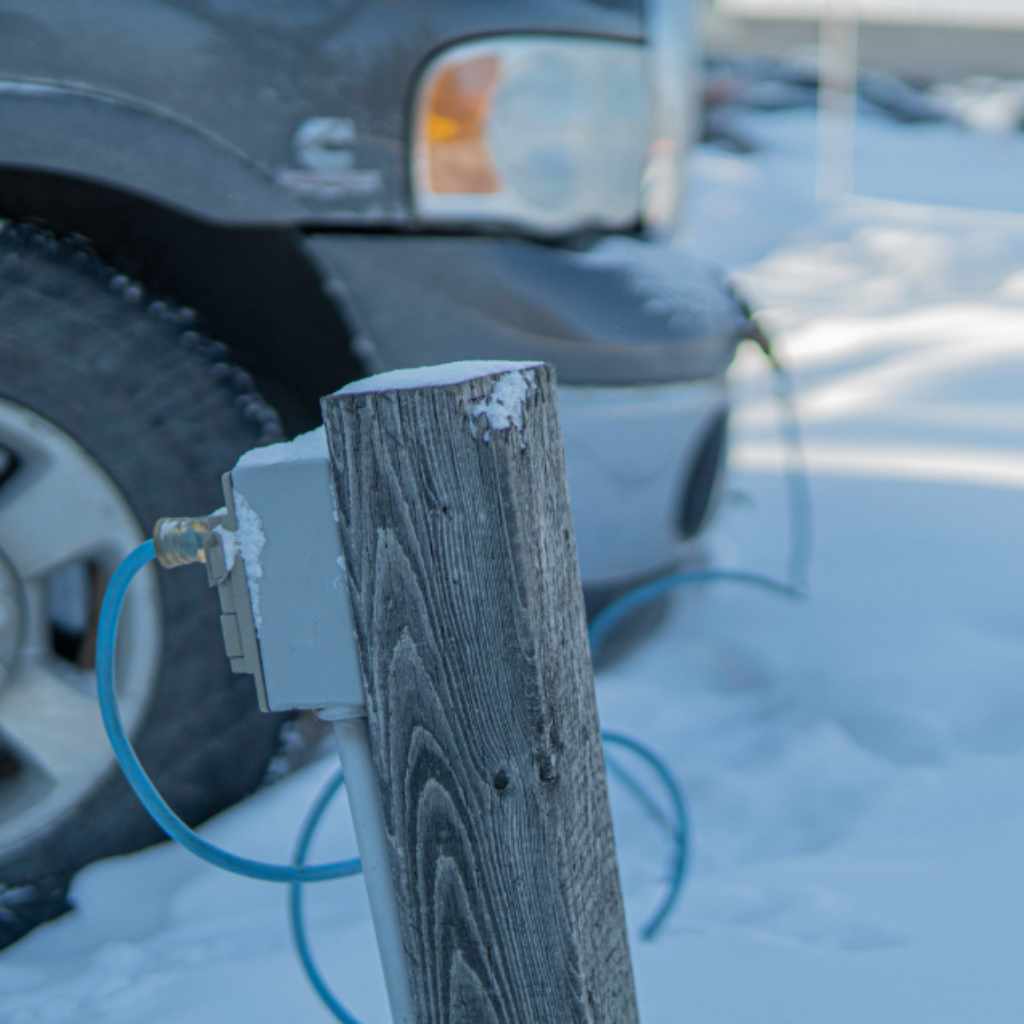
Plug the block heater into an electric outlet. Use it about two to four hours before driving. Some people use a timer to save electricity. Avoid running it all night unless very cold. The heater uses little power but helps the engine a lot.
Why Block Heaters Matter
Block heaters keep a car’s engine warm in cold weather. They help the engine start easily. Cold engines take more time and fuel to start. A warm engine reduces wear and tear.
Using a block heater can save money on fuel. It lowers harmful emissions from the engine. This helps protect the environment. Also, it keeps the car ready to go quickly.
Protecting Your Engine From Cold Damage
Engines can get damaged in very cold weather. Oil thickens and does not flow well. This causes more friction inside the engine. A block heater keeps the engine warm. It helps oil flow freely and protects parts.
Improving Fuel Efficiency
Cold engines use more fuel to start. A block heater reduces the fuel needed. The engine warms up faster and runs better. This saves money and reduces fuel waste.
Reducing Harmful Emissions
Cold engines produce more pollution. A block heater lowers harmful gases. It helps the engine run cleaner. This is good for the air we breathe.
Making Winter Starts Easier
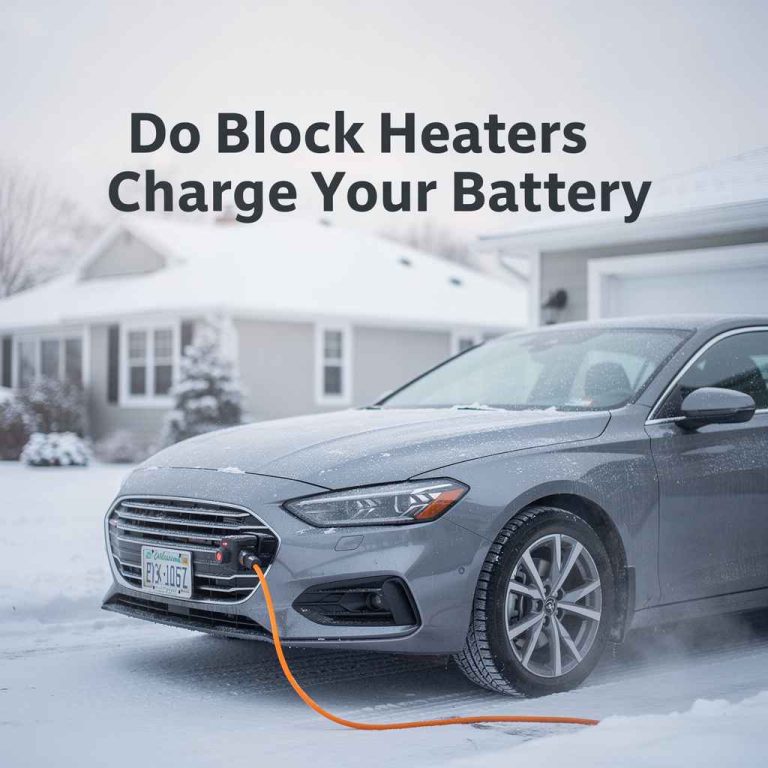
Starting a cold car can be hard. Batteries work less in the cold. A block heater makes starting simple. It helps the battery and engine work well.
Which Cars Usually Have Block Heaters?
Block heaters help cars start easily in cold weather. Not all cars have them. Certain types of vehicles usually come with block heaters. Knowing which cars often have block heaters helps you prepare for winter.
Cars Sold In Cold Regions
Cars made for cold places often have block heaters. These areas have long, harsh winters. Automakers add block heaters to help engines start fast. This prevents damage from freezing temperatures.
Diesel Engine Vehicles
Diesel engines need block heaters more than gasoline ones. Diesel fuel thickens in cold weather. Block heaters keep the engine warm to avoid hard starts. Many diesel trucks and SUVs include block heaters.
Trucks And Heavy-duty Vehicles
Big trucks and heavy vehicles often come with block heaters. They have larger engines that take longer to warm up. Block heaters reduce engine wear during cold mornings. This is common in work trucks and commercial vehicles.
Older Model Cars
Older cars may have block heaters installed by owners. These vehicles can struggle to start in winter. Adding a block heater helps protect the engine. Many drivers add them as a winter upgrade.
Cars Without Block Heaters
Not all cars come with block heaters. Many vehicles, especially in mild climates, do not need them. Block heaters keep engines warm in very cold weather. Cars without block heaters rely on other ways to start in winter.
Understanding why some cars lack block heaters helps you know your vehicle better. It also shows when you might need extra tools for cold starts.
Types Of Cars Without Block Heaters
Many newer cars with fuel injection and advanced engine technology do not have block heaters. They use better engine designs that start easily in cold weather. Small cars and hybrids often skip block heaters to save weight and cost.
Regions Where Block Heaters Are Uncommon
In warm places, block heaters are rare. Mild winters mean engines do not freeze. Drivers in these areas do not face problems starting cars in cold mornings.
Some cars use oil pan heaters or battery warmers instead. These devices help the engine start without a full block heater. Portable heaters or heated garages also protect cars from cold starts.
How Block Heaters Work
Block heaters help cars start better in cold weather. They warm the engine before you turn the key. This makes starting easier and protects the engine from damage. Understanding how block heaters work shows why some cars have them and others do not.
A block heater is a small electric device. It sits inside or on the engine block. Its job is to warm the engine coolant or oil. This keeps the engine warm when the car is off.
How Does It Heat The Engine?
The block heater plugs into an electric outlet. It uses electricity to heat a small coil or plate. This heat transfers to the engine coolant or oil. The warm fluid then spreads heat to the engine parts.
When Should You Use A Block Heater?
Use a block heater before very cold weather. Plug it in a few hours before you plan to start the car. This warming makes the engine easier to start. It also reduces wear and tear on the engine.
Benefits Of Using A Block Heater
Block heaters reduce engine wear during cold starts. They lower emissions by helping the engine warm faster. Fuel efficiency improves because the engine runs better at warm temperatures. Cold weather starts become quicker and smoother.
Benefits Of Using Block Heaters
Using a block heater offers several benefits, especially in cold weather. It warms the engine before starting the car. This helps the engine start faster and run smoothly. Drivers notice less wear and tear on the engine parts. The car also uses less fuel during startup.
Block heaters make winter mornings easier. They reduce the time needed to warm up the car. This saves time and effort. The engine oil stays thinner, which helps with better lubrication. Overall, using a block heater extends the life of the engine.
Improved Engine Start In Cold Weather
Block heaters warm the engine block and oil. Cold engines are hard to start and can stall. A warmer engine starts quicker and works better. This reduces the chance of engine damage from cold starts.
Reduced Engine Wear And Tear
Cold starts cause more engine wear. Thick oil does not lubricate well in cold. Block heaters keep oil warmer and thinner. This lowers friction and damage inside the engine.
Lower Fuel Consumption
Engines use more fuel when cold. Warm engines burn fuel more efficiently. Using a block heater helps save fuel. This means less money spent on gas or diesel.
Faster Cabin Warm-up
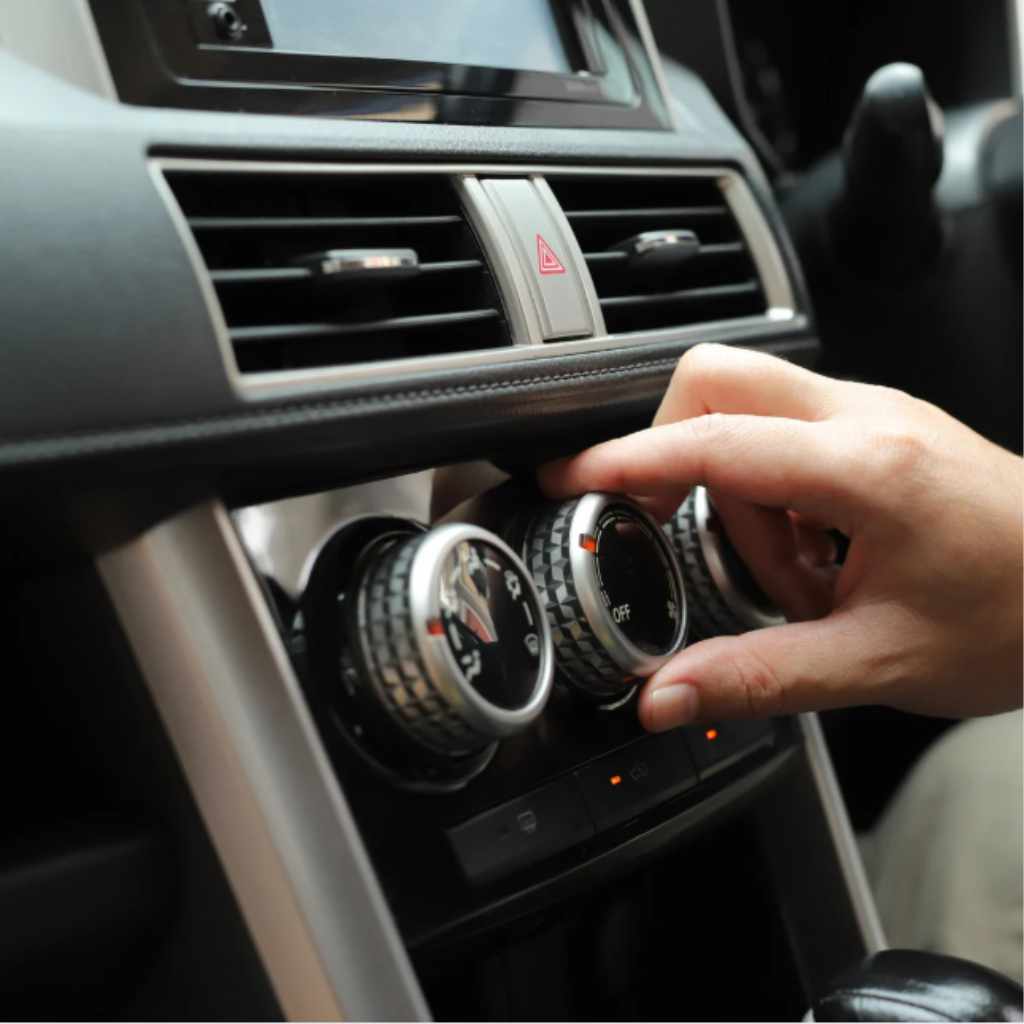
Block heaters warm the engine quickly. A warm engine heats the car cabin faster. This makes driving in cold weather more comfortable. It also improves visibility by defrosting windows sooner.
When To Use A Block Heater
Block heaters help warm up an engine before starting it in cold weather. They make starting easier and reduce engine wear. Knowing when to use a block heater saves time and protects your car.
Temperature Thresholds For Using A Block Heater
Use a block heater when temperatures drop below 20°F (-6°C). At this temperature, engine oil thickens and makes starting harder. A warmer engine helps oil flow better and protects engine parts.
Cold Climate And Winter Conditions
Block heaters are useful in cold climates with long winters. Snow and ice can chill engines overnight. Using a block heater keeps your engine warm and ready to start quickly.
Frequency Of Short Trips
Short trips do not warm up the engine fully. Using a block heater before short drives reduces wear on the engine. It helps your car run smoother on cold mornings.
Older Vehicles And Diesel Engines
Older cars and diesel engines benefit more from block heaters. They take longer to warm up in cold weather. Block heaters make starting easier and prevent damage in these vehicles.
Installing A Block Heater
Installing a block heater helps your car start easier in cold weather. It warms the engine before you turn the key. This saves battery power and reduces engine wear. You can choose to install it yourself or hire a professional. Both options have important points to consider.
Professional Installation
Experts know the right way to install block heaters. They find the best spot on the engine block. They use special tools to avoid damage. This ensures the heater works well and lasts long. Professionals also check for leaks or loose parts. Hiring a technician saves time and stress. It is a safe choice for those who lack experience.
DIY Installation Tips
Installing a block heater at home can save money. Read the instructions carefully before starting. Make sure the engine is cool and the car is off. Wear gloves and use the right tools. Find a clear space on the engine block to attach the heater. Avoid areas with moving parts or wires. Tighten the heater securely but do not overtighten. Check all connections and test the heater before closing the hood. Take your time and follow safety steps. This helps avoid mistakes and keeps you safe.
Alternatives To Block Heaters
Block heaters help warm engines in cold weather. Not all cars have them. Some vehicles use other ways to stay warm. These alternatives keep engines ready to start without a block heater.
Engine Oil Warmers
Engine oil warmers heat the oil before starting. Warm oil moves easier, protecting engine parts. These devices plug into a power source. They help reduce engine wear in cold weather.
Battery Warmers
Battery warmers keep the battery warm and strong. Cold drains battery power fast. Warm batteries deliver better starting power. These warmers wrap around the battery. They plug into a nearby outlet to keep heat.
Electric Intake Air Heaters
Electric intake air heaters warm the air entering the engine. Warm air helps fuel burn better. This improves starting and reduces smoke. The heater runs on the car’s electrical system. It activates before the engine starts.
Portable Engine Heaters
Portable engine heaters warm the engine block or oil pan. They are easy to move and use. Just place it under the car or near the engine. Plug it in to keep engine parts warm. A good option for renters or travelers.

Common Myths About Block Heaters
Block heaters help cars start easily in cold weather. Many people have wrong ideas about them. These myths can confuse car owners. Clearing up these myths helps understand block heaters better. This section explains common myths and the truth behind them.
Do All Cars Need Block Heaters?
Not all cars need block heaters. Cars in warm areas usually do not require them. Block heaters are useful in very cold climates. They keep the engine warm for easy starts.
Block Heaters Waste Electricity
Some think block heaters use too much power. Actually, they use a small amount of electricity. Running a block heater for a few hours is enough. It saves fuel and reduces engine wear.
Block Heaters Damage The Engine
People believe block heaters harm engines. The truth is opposite. They protect the engine from cold damage. A warm engine starts faster and runs better.
Only Old Cars Need Block Heaters
Block heaters are not just for old cars. New cars can also benefit in cold weather. Modern engines also face cold start problems. Block heaters help maintain engine health.
Energy And Cost Considerations
Energy and cost play a key role in deciding about block heaters. Using a block heater can save fuel and reduce engine wear in cold weather. But it also means extra electricity use and some cost. Understanding these factors helps you make a smart choice.
Energy Consumption Of Block Heaters
Block heaters use electricity to warm the engine. Most use about 400 to 600 watts. They usually run for a few hours before starting the car. This helps the engine start easier in cold weather. Using a timer can reduce energy use by limiting run time.
Cost Of Running A Block Heater
The cost depends on local electricity prices and heater use time. Running a block heater for 2 to 4 hours daily costs just a few cents. Over a winter, this adds up but is often less than extra fuel needed for cold starts. Saving fuel may balance the electricity cost.
Energy Savings And Environmental Impact
Using a block heater lowers engine fuel consumption during cold starts. This reduces greenhouse gas emissions from the car. Less engine wear means fewer repairs and longer car life. Using energy wisely helps both your wallet and the environment.
Maintaining Your Block Heater
Maintaining your block heater is key to keeping it working well. A well-kept block heater helps your car start easier in cold weather. It also saves energy and prevents damage to your engine. Simple care steps can make a big difference.
Checking The Power Cord
Look at the power cord for cracks or breaks. A damaged cord can cause electrical problems. Replace the cord if you see any damage. Use the cord carefully to avoid wear and tear.
Testing The Block Heater
Test the block heater before cold weather starts. Plug it in and feel if the engine block gets warm. Use a voltmeter to check if power flows correctly. Early testing prevents surprises on cold mornings.
Cleaning The Heater Area
Clean the area around the block heater regularly. Dirt and debris can block heat from reaching the engine. Use a soft brush or cloth to remove dirt gently. Keep the heater area dry to avoid rust.
Proper Storage During Warm Months
Unplug the block heater in warm seasons. Store the cord safely to avoid damage. Cover the heater plug to protect it from dust. Proper storage extends the heater’s life.
Frequently Asked Questions
Do All Cars Come With Block Heaters Installed?
No, not all cars come with block heaters installed. They are common in cold climates but optional elsewhere. Some vehicles require aftermarket installation for block heaters.
Why Do Some Cars Need Block Heaters?
Cars in cold regions need block heaters to warm the engine. This helps ensure easier starts and reduces engine wear during freezing temperatures.
Can Block Heaters Damage My Car’s Engine?
Block heaters are safe when used correctly. They prevent cold starts, reducing engine stress and wear. Incorrect use or faulty wiring can cause issues.
How Do I Know If My Car Has A Block Heater?
Check your owner’s manual or look for a power cord near the engine. You can also ask your dealer or mechanic to confirm its presence.
Conclusion
Not all cars come with block heaters installed. They are common in cold places to help engines start. Some cars need extra parts to add a block heater. Using one can save fuel and reduce engine wear. Check your car’s manual or ask a mechanic.
Knowing if your car has a block heater helps in winter care. Stay warm and keep your engine healthy during cold months.