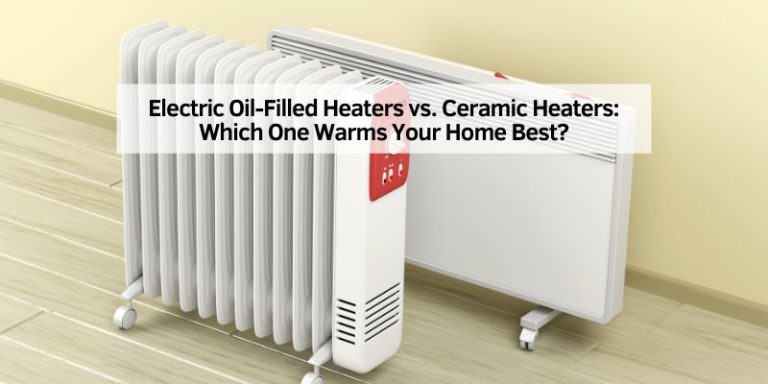
Ceramic Heater vs Oil Filled Radiator: Which One Warms Your Home Best?
When winter rolls in, staying warm becomes a top priority. I’ve been there, shivering in my living room, wondering which heater would make my space feel like a cozy retreat. After testing both ceramic heaters and oil filled radiators, I’ve learned what makes each one tick. Let’s dive into the details to help you pick the perfect heater for your home.
For a related heater topic, It’s cold, and I need a heater! gives readers a useful next step.
For vehicle heating questions, 12 Volt Heater for Camper gives readers a related follow-up to check.
For vehicle heating questions, Where to Buy a Portable Car Heater Near You gives readers a related follow-up to check.
What Is a Ceramic Heater?
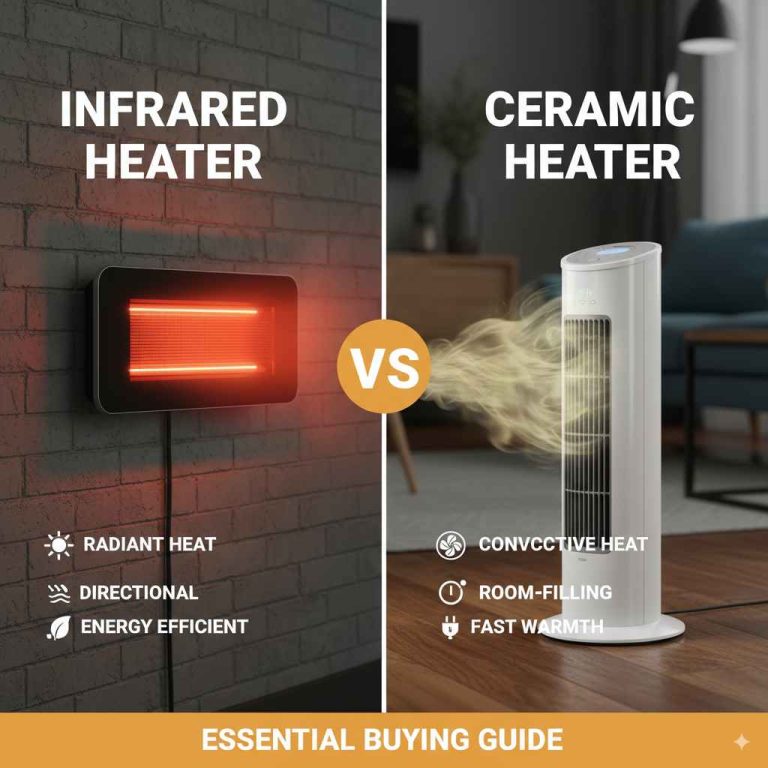
A ceramic heater uses ceramic plates or coils to generate heat. When electricity passes through these elements, they warm up quickly and a fan blows the heat into the room. I love how fast these heaters work—it’s like flipping a switch and feeling the warmth almost instantly. They’re lightweight, portable, and great for small spaces like a bedroom or office.
Ceramic heaters are also known for their energy efficiency. The ceramic elements retain heat well, so the heater doesn’t need to run constantly. Plus, many models come with safety features like overheat protection and tip-over switches, which give me peace of mind when I’m using them around kids or pets.
What Is an Oil Filled Radiator?
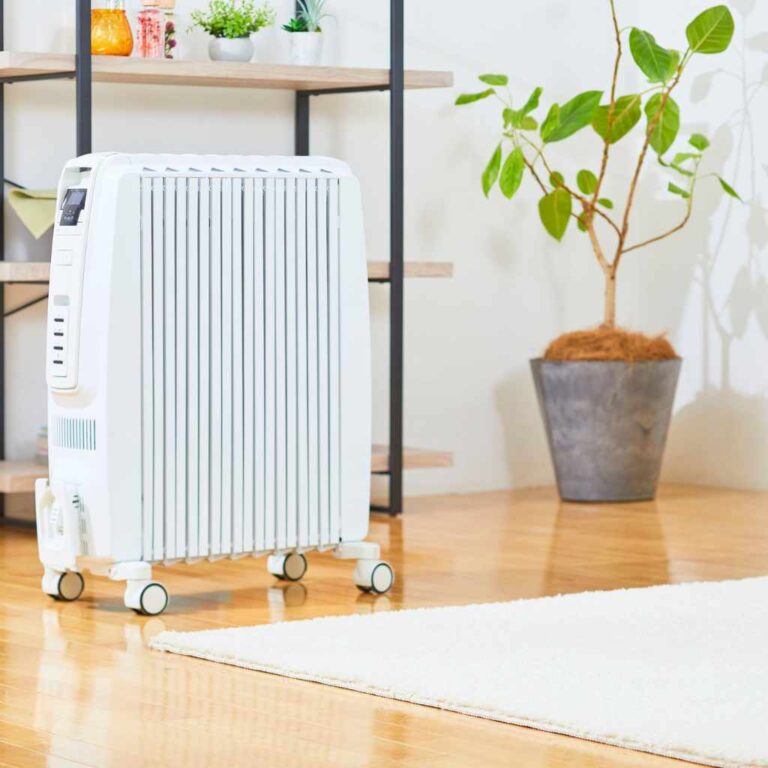
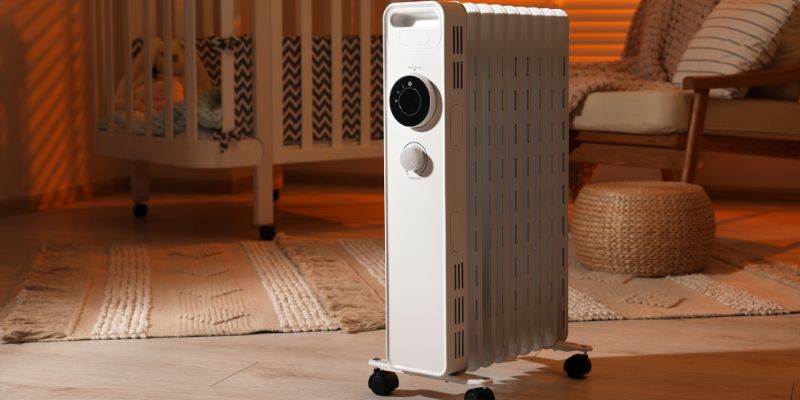
An oil filled radiator, on the other hand, works differently. It’s filled with a special type of oil that heats up when the heater is turned on. The oil retains heat and radiates it into the room, even after the heater stops running. I’ve found these heaters to be super quiet, which is a big plus if you’re sensitive to noise like I am.
These radiators are heavier and take longer to warm up, but they provide steady, long-lasting heat. They’re ideal for larger spaces or when you need consistent warmth over several hours, like during a cold night.
How Do They Compare in Heating Performance?
When it comes to heating performance, both heaters have their moments to shine. Ceramic heaters are champs at delivering quick heat. I’ve used one in my home office, and within minutes, the room feels toasty. They’re perfect for spot heating—warming up a specific area where you’re sitting or working.
Oil filled radiators, however, are better for long-term heating. Once the oil inside heats up, it keeps radiating warmth for hours. I’ve noticed that my oil filled radiator keeps my living room comfortable all evening without needing to crank it up constantly. If you want to heat a larger space or keep a room warm for a long time, this is the way to go.
Here’s a quick comparison table to break it down:
| Feature | Ceramic Heater | Oil Filled Radiator |
|---|---|---|
| Heating Speed | Fast, instant heat | Slower, takes 15-20 minutes |
| Heat Duration | Short-term, spot heating | Long-lasting, steady heat |
| Best For | Small rooms, quick warmth | Larger rooms, prolonged heating |
| Noise Level | Fan can be noisy | Silent operation |
Energy Efficiency: Which Saves More on Bills?
As someone who keeps an eye on utility bills, energy efficiency is a big deal for me. Ceramic heaters are generally more energy-efficient for short bursts of heat. They use less electricity because they heat up quickly and can cycle on and off with a thermostat. I’ve noticed my electric bill stays manageable when I use a ceramic heater for a couple of hours in my bedroom.
Oil filled radiators, while slower to start, are efficient for continuous heating. The oil retains heat, so the heater doesn’t need to run as often once it’s warmed up. I’ve found this to be a lifesaver during freezing nights when I want my whole house to stay warm without skyrocketing costs. However, they do use more power initially to heat the oil.
If you’re focused on saving energy, a ceramic heater is better for quick tasks, while an oil filled radiator is more cost-effective for all-day heating.
Portability and Design
I move my heaters around a lot, so portability matters. Ceramic heaters are usually compact and lightweight, making them easy to carry from room to room. I can tuck one under my desk or place it on a table without breaking a sweat. Their sleek, modern designs also blend well with my home decor.
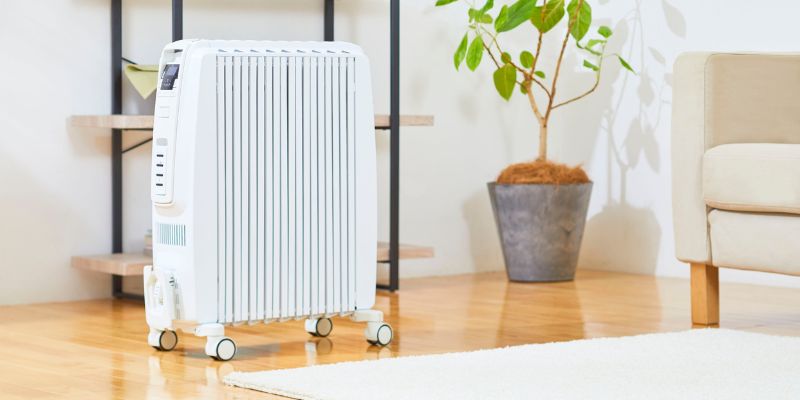
Oil filled radiators are bulkier and heavier because of the oil inside. Moving one upstairs or across the house can feel like a workout. But many models come with wheels, which helps a bit. They tend to have a more industrial look, which might not suit everyone’s taste, but I find them functional and reliable.
Safety Features to Consider
Safety is non-negotiable, especially if you have kids or pets like I do. Ceramic heaters often come with cool-touch exteriors, so you don’t burn your hand if you accidentally touch them. The tip-over protection is a game-changer—my cat once knocked over my heater, and it shut off instantly, preventing any accidents.
Oil filled radiators are also safe but in a different way. Their surfaces don’t get as hot as other heaters, which is great for homes with little ones. However, they can still be warm to the touch, so I always keep mine out of reach. They don’t typically have fans, so there’s no risk of dust or debris getting blown around, which is a plus for allergy sufferers like me.
Noise Levels: Which Is Quieter?
If you’re sensitive to noise, this section’s for you. Ceramic heaters often have fans, which can create a low hum or whirring sound. It doesn’t bother me much, but if you’re trying to sleep or focus, it might be noticeable. I’ve found that higher-end models have quieter fans, so it’s worth investing in a good one.
Oil filled radiators are practically silent. There’s no fan—just the soft click of the thermostat turning on and off. I love using mine in my bedroom because it doesn’t disturb my sleep at all. If quiet operation is a priority, the oil filled radiator wins hands-down.
Maintenance and Durability
Maintaining a heater is something I don’t want to spend a lot of time on. Ceramic heaters are low-maintenance—no oil to refill or complicated parts to clean. I just wipe down the exterior and make sure the fan is free of dust. They’re durable, but the fan can wear out over time if you use it heavily.
Oil filled radiators are built to last. The oil inside never needs replacing, and the units are sturdy. I’ve had mine for years, and it’s still going strong. The only downside is that if it leaks (which is rare), it can be a hassle to fix. Regular dusting and keeping it upright are all it needs to stay in top shape.
Cost: Upfront and Long-Term
Let’s talk money. Ceramic heaters are usually more affordable upfront, with prices ranging from $30 to $100 for a decent model. I picked up a reliable one for my office for about $50, and it’s been worth every penny for quick heating jobs.
Oil filled radiators tend to cost more, starting at around $60 and going up to $150 or more for larger models. I splurged on a higher-end one for my living room, and while it was pricier, the long-term savings on energy for extended use have balanced it out. Your budget and heating needs will dictate which one makes more sense.
Best Use Cases for Each Heater
After using both, I’ve realized they serve different purposes. A ceramic heater is my go-to for:
- Small spaces like a bedroom, office, or bathroom.
- Quick bursts of heat when I’m working or relaxing in one spot.
- Situations where I need a portable, lightweight option.
An oil filled radiator works best for:
- Larger rooms like a living room or basement.
- All-day or overnight heating to keep a space consistently warm.
- Quiet environments where fan noise would be disruptive.
Environmental Impact
I try to be mindful of my environmental footprint, and heaters play a role here. Ceramic heaters use less energy for short-term heating, which can reduce your carbon footprint if you’re only warming a small area. Many models also have eco modes that optimize energy use.
Oil filled radiators, while efficient for long-term heating, do require oil, which isn’t renewable. However, since the oil is sealed and never needs replacing, the environmental impact is minimal over the heater’s lifespan. Both options are better than older, less efficient heaters, but ceramic heaters edge out slightly for eco-conscious folks like me.
My Personal Experience and Recommendations
After testing both heaters in my home, I’ve found that it really comes down to your lifestyle. When I’m working from home, my ceramic heater is my best friend—it warms my office quickly and doesn’t distract me with noise. But when I’m hosting family in my living room or need overnight heat, my oil filled radiator is the star. It keeps the space comfortable for hours without needing constant adjustments.
If you’re torn, think about your space and habits. Live in a small apartment and need quick warmth? Go for a ceramic heater. Have a bigger home or want steady heat all day? An oil filled radiator is your best bet. Either way, check for safety features and energy-saving modes to get the most bang for your buck.
Conclusion
Choosing between a ceramic heater and an oil filled radiator doesn’t have to be overwhelming. Both are fantastic options, but they cater to different needs. I’ve loved using both in my home, and they’ve made winters so much more bearable. Ceramic heaters are perfect for fast, targeted heat in smaller spaces, while oil filled radiators shine for long-lasting warmth in larger rooms. Consider your budget, room size, and how long you need heat, and you’ll find the right fit. Stay warm and cozy this winter with the heater that suits you best!
FAQs
Are Ceramic Heaters Safe to Use Overnight?
Yes, many ceramic heaters are safe for overnight use, especially models with overheat protection and tip-over switches. I always double-check these features before leaving mine on while I sleep. Just keep it away from flammable materials like curtains.
Can Oil Filled Radiators Be Used in Small Spaces?
Absolutely, but they’re better for larger rooms. In a small space, they might feel bulky, and the slower heating time could be a drawback. I prefer a ceramic heater for my tiny office, but an oil filled radiator works if you want steady heat.
Which Heater Is More Cost-Effective?
It depends on how you use it. For quick heating, a ceramic heater saves more because it uses less power. For all-day warmth, an oil filled radiator is more cost-effective since it retains heat longer. I’ve saved on bills by matching the heater to the task.
Do Ceramic Heaters Dry Out the Air?
They can, especially since they use a fan to circulate heat. I’ve noticed my skin feels drier when I use one for hours. A humidifier helps balance it out. Oil filled radiators don’t dry the air as much, which I appreciate in winter.
How Long Do These Heaters Last?
With proper care, both can last years. My ceramic heater has been going strong for three years, and my oil filled radiator is pushing five. Regular cleaning and following the manufacturer’s guidelines keep them in great shape.