Infrared Quartz Heater vs Ceramic Heater: Essential Guide
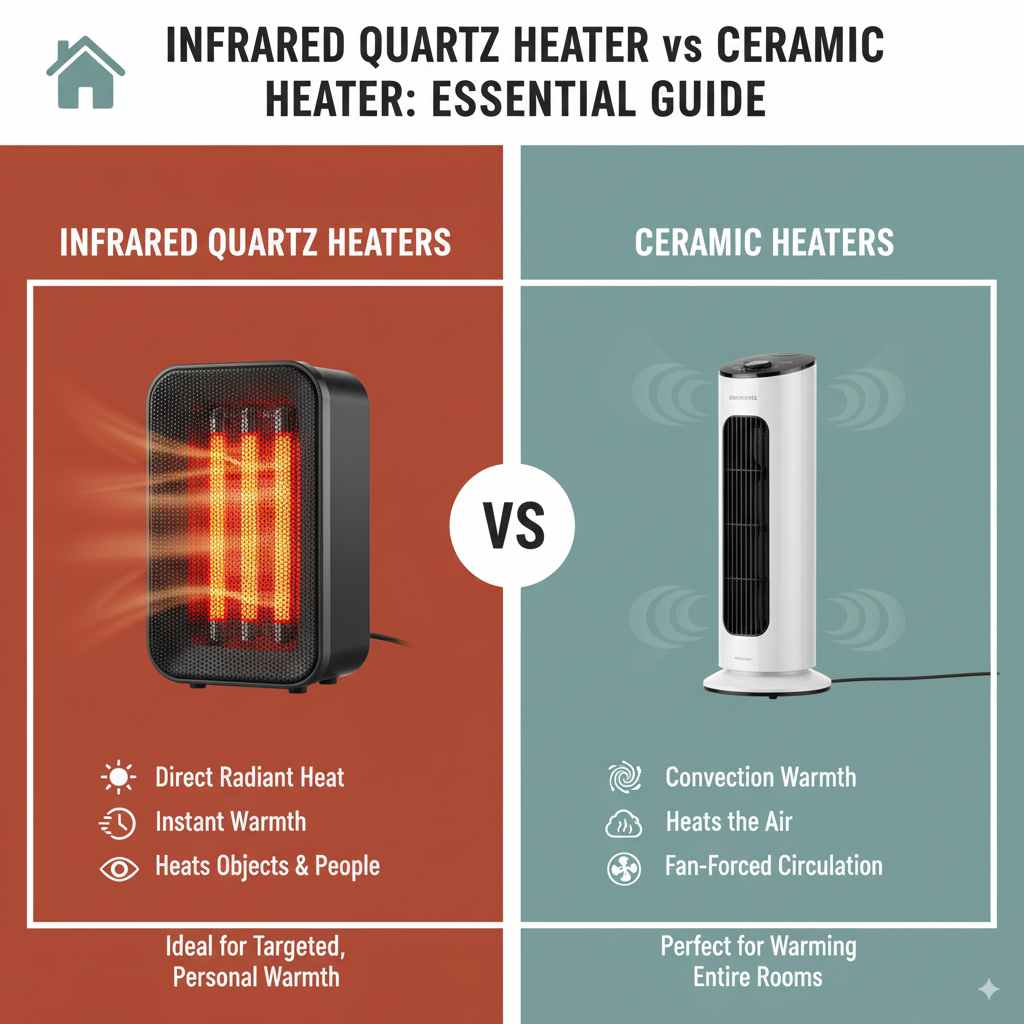
Infrared quartz heaters offer radiant warmth that heats objects directly, great for quick, focused heating. Ceramic heaters use enclosed elements to heat air, ideal for evenly warming entire rooms. The best choice depends on your heating needs.
Feeling that chill and wondering which heater is your cozy companion? You’re not alone! Choosing the right heater can feel like a puzzle. Will it keep you warm without breaking the bank? Is it safe for your home? We’ll break down infrared quartz heaters and ceramic heaters, making it super simple for you to pick the perfect one. Get ready to say goodbye to the cold and hello to comfort!
Infrared Quartz Heater vs Ceramic Heater: Your Cozy Home Guide
When it comes to portable heaters, two popular types stand out: infrared quartz heaters and ceramic heaters. Both can warm up a space, but they do it in very different ways, offering unique benefits. Understanding these differences will help you make the best choice for your home and your comfort.
Understanding How They Work: The Warmth Difference
The core of choosing between these heaters lies in understanding their heating method. Think of it like the difference between the sun’s warmth and a warm breeze.
Infrared Quartz Heaters: Radiant Heat That Warms You Directly
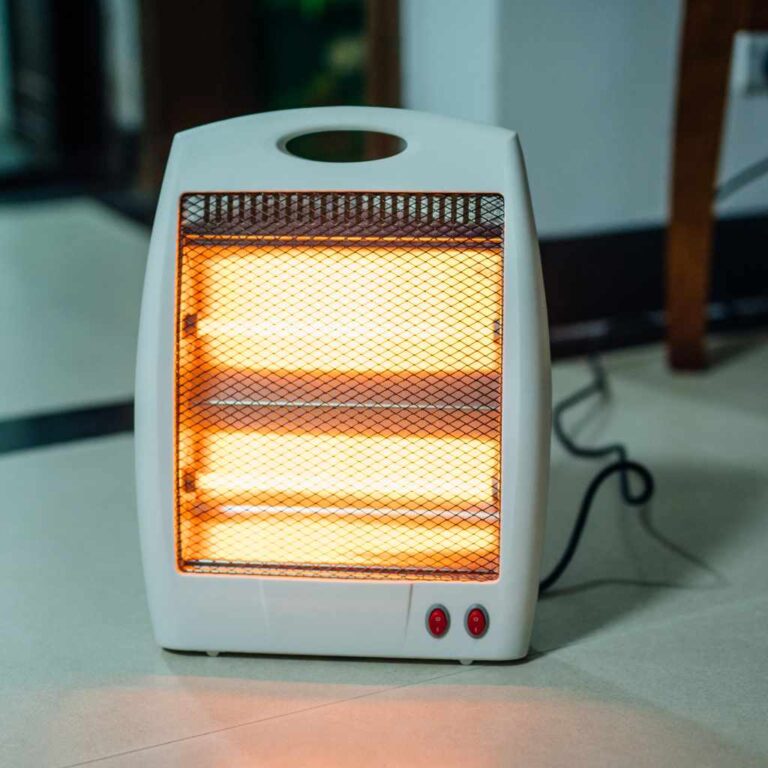
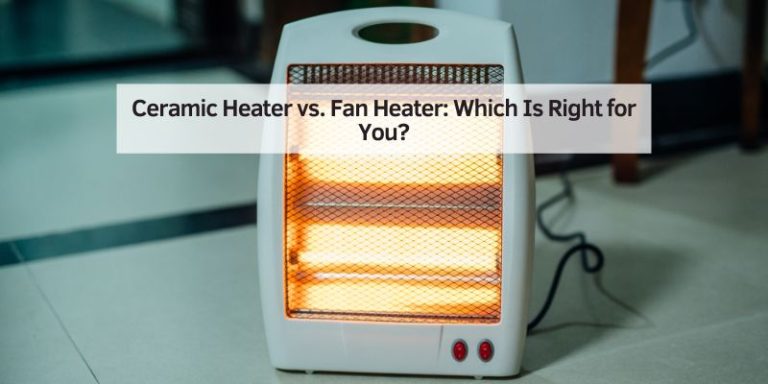
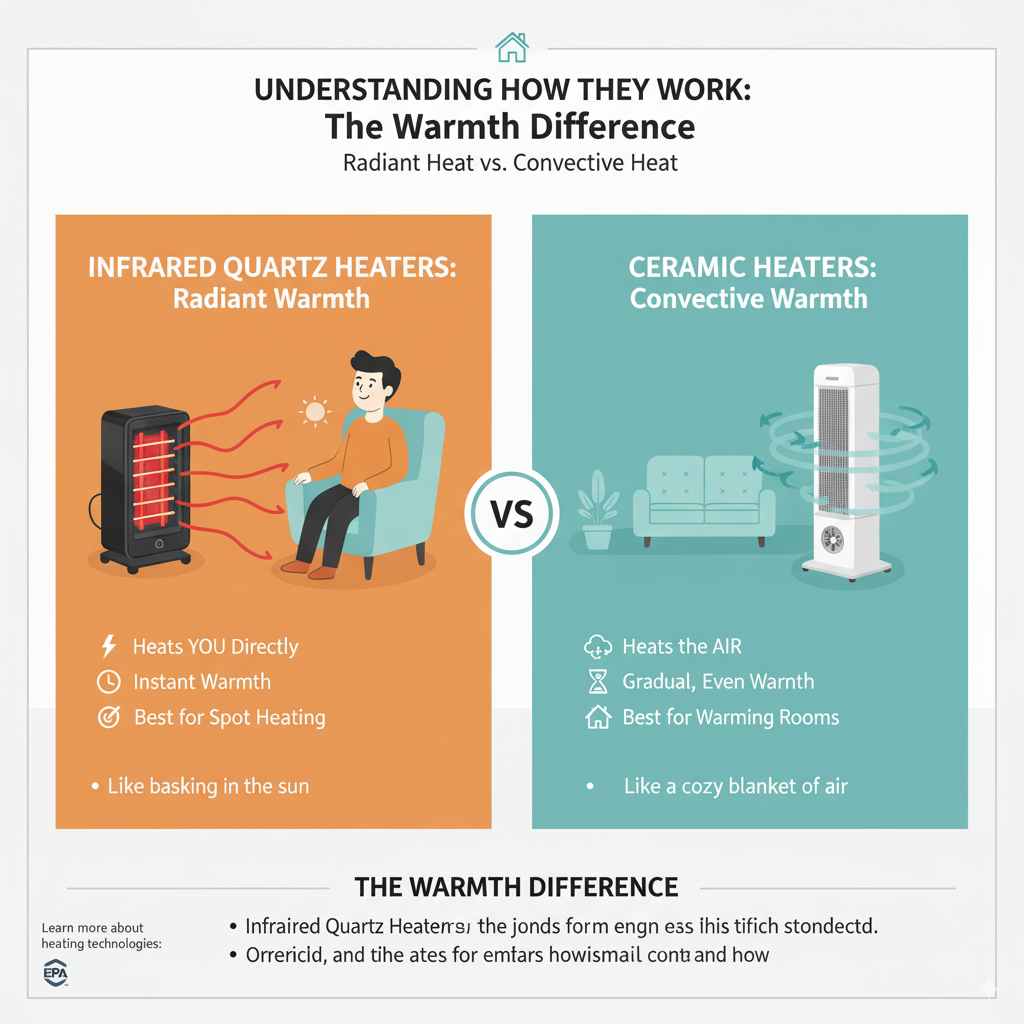
Infrared quartz heaters work by emitting infrared radiation. This is similar to how the sun warms you or how a campfire heats your skin. Instead of heating the air first, these heaters directly warm objects and people in their path. It’s a quick and efficient way to feel warm almost instantly.
- How it works: Quartz tubes, heated by an electrical element, produce infrared rays.
- The feeling: You feel warm when you’re in the direct line of the heater, much like basking in sunlight.
- Speed: Heats you up very quickly, often within seconds.
- Effectiveness: Best for targeting specific areas or people directly.
One of the great things about infrared heating is that it doesn’t dry out the air as much as some other heating methods, which can be a big plus for comfort. You might also notice that it’s less affected by drafts, as the warmth is directed.
For more information on infrared radiation and its uses, you can explore resources from the U.S. Environmental Protection Agency regarding safe energy sources and related technologies.
Ceramic Heaters: Convective Heat That Warms the Air
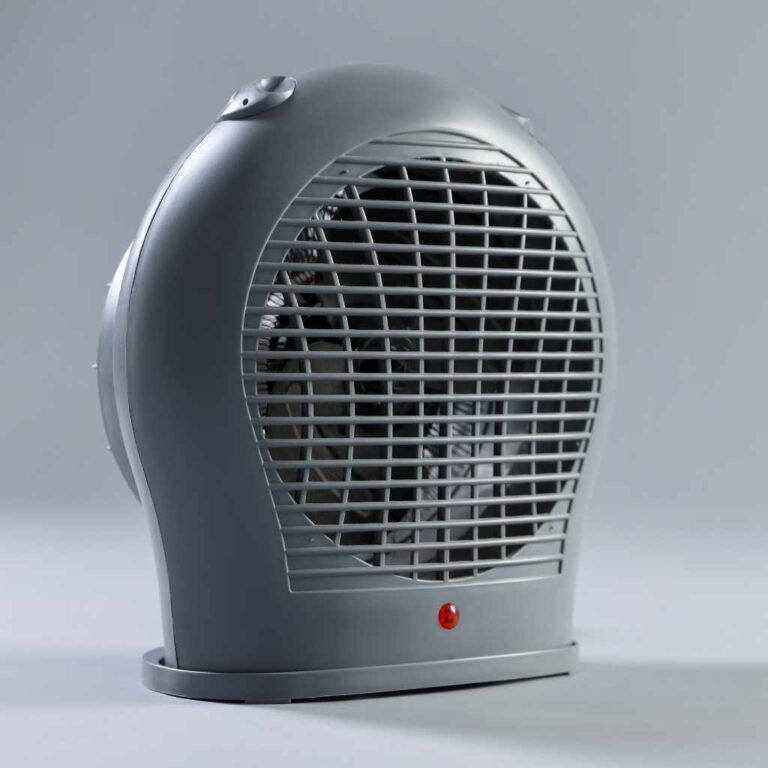
Ceramic heaters, on the other hand, use a different approach. They have a ceramic heating element that gets hot. A fan then blows air over this hot element, warming the air and circulating it around the room. This is known as convective heating.
- How it works: A ceramic plate or block heats up, and a fan pushes air over it.
- The feeling: The air in the room gradually becomes warmer and more evenly heated.
- Speed: Takes a bit longer to warm up a whole room compared to the instant warmth of infrared.
- Effectiveness: Excellent for raising the overall temperature of a room.
Ceramic heaters are often preferred for maintaining a consistent temperature throughout a space. Because they heat the air, they can effectively warm enclosed rooms, making them feel cozy from wall to wall. However, the fan can sometimes create a gentle hum and may circulate dust.
Key Differences at a Glance: Infrared Quartz vs. Ceramic Heater
To make the decision even easier, let’s compare them side-by-side:
| Feature | Infrared Quartz Heater | Ceramic Heater |
|---|---|---|
| Heating Method | Radiant heat (heats objects/people directly) | Convective heat (heats the air) |
| Warmth Delivery | Instant, direct, targeted | Gradual, ambient, room-filling |
| Best For | Quick spot heating, open spaces, immediate comfort | Warming entire rooms, maintaining consistent temperature |
| Air Quality Impact | Less drying, can preserve humidity slightly | Can be drying if fan runs continuously, potential for dust circulation |
| Noise Level | Generally very quiet (no fan) | Fan can produce a low humming noise |
| Energy Efficiency | Highly efficient for direct heating; can be less efficient for large spaces if not targeted | Efficient for warming rooms; fan uses a small amount of energy |
| Safety Features | Tip-over protection, cool-touch housing common | Tip-over protection, overheat protection, cool-touch housing common |
| Portability | Often lightweight and compact | Can be compact or larger depending on BTU output |
Pros and Cons: Helping You Decide
Every heater has its strengths and weaknesses. Let’s break down what makes each of these heater types shine, and where they might fall short.
Infrared Quartz Heater: The Good and The Not-So-Good
Pros:
- Instant Warmth: You feel the heat immediately upon turning it on. Perfect for when you enter a cold room or want quick relief.
- Energy Efficient for Spot Heating: Because it heats you directly, you don’t waste energy trying to warm up an entire empty room if you’re just sitting in one spot.
- Quiet Operation: Most infrared heaters don’t have fans, meaning they operate silently.
- Doesn’t Dry the Air as Much: Compared to some other heaters, infrared can be gentler on indoor humidity levels.
- Good for Drafty Areas: The radiant heat isn’t as easily dispersed by drafts as heated air can be.
- Portable and Compact: Many models are lightweight and easy to move around.
Cons:
- Limited Room Heating: Not ideal for warming up a large, cold room evenly. The heat is directional.
- Holes in Heat: If you move out of the direct line of the infrared rays, you won’t feel as warm.
- Objects Get Hot: The heating element and quartz tubes can get very hot, posing a burn risk if touched directly.
Ceramic Heater: The Good and The Not-So-Good
Pros:
- Even Room Heating: Excellent at raising the ambient temperature of an entire room.
- Consistent Temperature: Once the room reaches the desired temperature, ceramic heaters can maintain it effectively.
- Safety Features: Often come with advanced safety features like overheat protection and cool-touch housing.
- Quick to Warm Up Room: While not instant like infrared, they warm up a room faster than some other types of heaters like oil-filled radiators.
- Quiet Fan: While there’s a fan, many modern ceramic heaters operate with a low hum.
Cons:
- Can Dry Out Air: The process of heating and circulating air can reduce indoor humidity.
- Fan Noise: Some users find the fan noise noticeable.
- Dust Circulation: Fans can sometimes blow dust around, which might be an issue for allergy sufferers.
- Slightly Slower Than Infrared for Direct Warmth: You won’t feel the immediate radiant heat of an infrared heater.
When to Choose Which Heater: Practical Tips
The “best” heater isn’t a one-size-fits-all answer. It truly depends on your specific needs and how you plan to use it. Consider these common scenarios:
Choose an Infrared Quartz Heater If:
- You need instant warmth: For example, if you often feel cold sitting at your desk or on the sofa and want immediate relief without heating the whole room.
- You’re heating a specific spot: Like warming up your feet under a desk or a particular seating area.
- You have an open-plan living space: Infrared can provide targeted warmth in one zone without affecting the entire large area.
- You prefer quiet operation: If fan noise bothers you, an infrared heater is a great choice.
- You want to feel warm quickly in a chilly room: Step into its path, and you’re warm!
Choose a Ceramic Heater If:
- You want to warm up an entire room: Such as a bedroom, office, or small living room, to a consistent temperature.
- You need to maintain a steady temperature: Ceramic heaters are good for keeping a room consistently comfortable.
- You have a drafty room: The circulating warm air can help mitigate drafts more effectively than direct radiant heat.
- You’re concerned about air drying: While they can dry air, newer models often have features to mitigate this, and you can easily use a separate humidifier.
- Consistent, all-over warmth is your priority: They excel at creating a cozy atmosphere throughout the space.
For optimal home heating efficiency and safety, it’s also worth exploring guidelines from sources like The U.S. Consumer Product Safety Commission (CPSC) on safe heating practices.
Safety First! Essential Features to Look For
Whether you choose infrared or ceramic, safety is paramount. Here are some features to look for in any portable heater:
- Automatic Shut-Off / Tip-Over Protection: This is a crucial safety feature. If the heater is accidentally knocked over, it will automatically turn off, preventing fires.
- Overheat Protection: This feature ensures the heater turns itself off if it gets too hot, preventing damage to the unit and reducing fire hazards.
- Cool-Touch Housing: Especially important for families with children or pets. This means the outer parts of the heater stay cool enough to touch safely, reducing the risk of burns.
- Durable Construction: Look for heaters made with sturdy materials that feel substantial, not flimsy.
- Certifications: Look for safety certifications like UL or ETL, which indicate the product has been tested and meets safety standards.
- Ample Cord Length: Ensure the power cord is long enough to reach an outlet without strain, but also avoid using extension cords if possible, as they can be a fire hazard with high-wattage appliances.
Always place heaters on a flat, stable surface away from flammable materials like curtains, bedding, or paper. Never leave a portable heater unattended.
Installation and Usage: Simple Steps to Warmth
Setting up and using your new heater is usually straightforward. Here’s a general guide:
Setting Up Your Heater:
- Unpacking: Carefully remove the heater from its packaging. Check for any loose parts or damage.
- Placement: Choose a safe, stable location on a level surface. Ensure it’s at least 3 feet away from any curtains, furniture, bedding, or other flammable items. Keep it away from water sources.
- Power Connection: Plug the heater directly into a grounded wall outlet. Avoid using extension cords or power strips if possible, as they may not be rated for the heater’s wattage and can overheat.
Using Your Heater Effectively:
- Read the Manual: Always read the manufacturer’s instructions before first use.
- Determine Your Needs: Decide if you need targeted spot heating (infrared) or room heating (ceramic).
- Set the Thermostat: Use the thermostat to set your desired temperature. Most heaters have adjustable settings. For ceramic heaters, starting at a medium setting and adjusting is often effective. For infrared, you’ll feel the heat directly and can move closer or farther away.
- Use Safety Features: Familiarize yourself with the tip-over and overheat protection switches. Test them if you can, following instructions.
- Do Not Cover: Never cover the heater or block its vents, as this can cause overheating and fire.
- Cool Down Period: Before storing your heater, allow it to cool down completely.
Energy Efficiency: Keeping Costs Down
Both infrared quartz and ceramic heaters can be energy-efficient when used correctly. The key is to match the heater type to your heating needs.
Infrared heaters are very efficient when used for spot heating. If you only need to warm yourself and not an entire room, they can be more cost-effective because they directly deliver heat where it’s needed. You’re not wasting energy heating empty space.
Ceramic heaters are efficient for warming a room. They deliver heat quickly and maintain temperatures effectively. To maximize efficiency:
- Use the thermostat to avoid overheating.
- Turn the heater off when you leave the room or when the desired temperature is reached.
- Ensure the room is well-insulated to retain warmth.
- Consider using them in smaller, well-sealed rooms.
It’s also wise to consider the Environmental Protection Agency’s (EPA) guidelines on energy efficiency for home appliances, which often includes tips for heating and cooling that can save you money year-round.
Maintaining Your Heater for Longevity
A little care goes a long way in ensuring your heater lasts and performs well.
Cleaning Your Heater:
- Unplug and Cool Down: Always unplug the heater and let it cool down completely before cleaning.
- Exterior: Wipe down the exterior with a soft, damp cloth. For stubborn marks, you can use a mild soap solution. Ensure the cloth is not too wet.
- Vents and Grilles: Use a vacuum cleaner with a brush attachment to gently remove dust from the vents and grilles. For ceramic heaters, this is especially important to ensure airflow isn’t obstructed.
- Quartz Tubes (Infrared): Be very careful with quartz tubes. If they appear dusty, you might be able to carefully wipe them with a dry, lint-free cloth. Avoid touching them with bare hands, as oils can leave marks that heat unevenly.
- Do Not Submerge: Never immerse the heater in water or any other liquid.
Regular Checks:
- Periodically inspect the power cord for any signs of fraying or damage.
- Ensure the safety grilles are intact and free from major obstructions.
- Listen for any unusual noises during operation, which might indicate a problem.
Proper maintenance ensures safe operation and prolongs the life of your heater.
Frequently Asked Questions (FAQ)
Q1: Can I use an infrared heater to warm up a whole room?
While an infrared heater will eventually warm a room by heating objects and air within range, it’s not its primary strength. It excels at direct, personal warmth in a specific area. For even, whole-room heating, a ceramic heater is generally a better choice.
Q2: Is a ceramic heater noisy?
Most ceramic heaters have a fan that circulates warm air. This fan typically produces a low, gentle humming sound. While some users might find it noticeable, many modern ceramic heaters are designed to be very quiet. Infrared heaters, which often lack fans, are usually silent.
Q3: Which type of heater is safer for homes with children or pets?
Both types can be safe if used correctly and equipped with safety features. Look for models with “cool-touch housing” to minimize burn risks. Tip-over protection and overheat shut-off are essential for all portable heaters, especially in busy households.
Q4: Do infrared heaters dry out the air?
Infrared heaters generally dry out the air less than forced-air heaters. They provide radiant heat, which can feel more comfortable and less drying. However, any form of heating can slightly reduce indoor humidity over time.
Q5: Which heater is more energy-efficient: infrared quartz or ceramic?
It depends on how you use them. Infrared heaters are very energy-efficient for spot heating because they deliver warmth directly to you. Ceramic heaters are efficient for warming an entire room. Using either type appropriately for its intended purpose will lead to energy savings.
Q6: Can I use a portable heater as my primary heat source?
Portable heaters are best used as supplemental heat sources to warm specific areas or to quickly boost the temperature in a room. They are generally not designed to be the sole heating system for an entire home, especially in very cold climates. Relying solely on portable heaters for an entire house can be expensive and might not provide adequate warmth.