Electric Oil vs Ceramic Heaters: Proven Essential
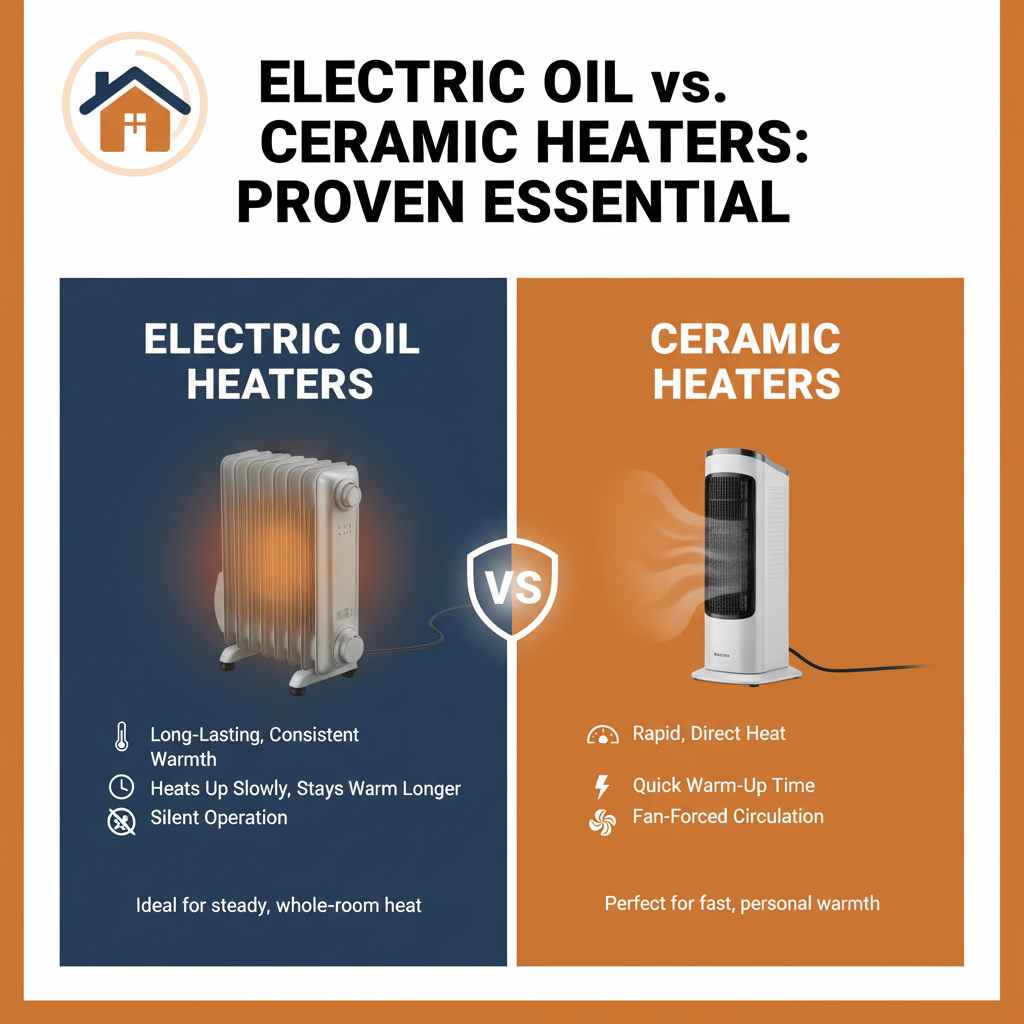
Choosing between electric oil-filled radiators and ceramic heaters offers different comfort and efficiency levels for your home. Oil-filled models provide steady, quiet, radiant heat ideal for long-term warmth and lower energy bills in larger spaces, while ceramic heaters offer rapid spot heating and quick warmth for smaller rooms, making them excellent portable options when you need heat fast.
Worrying about keeping your home toasty warm without breaking the bank or dealing with complicated systems? You’re not alone! Choosing the right heater can feel like a big decision, especially when you see all the options available. But don’t sweat it! We’re here to make it super simple.
Today, we’re diving into two popular choices: electric oil-filled radiators and ceramic heaters. We’ll break down exactly what each one does, how they keep you warm, and which might be the perfect fit for your needs. Get ready to say goodbye to chilly rooms and hello to cozy comfort, the easy way!
Electric Oil vs Ceramic Heaters: Finding Your Perfect Warmth
When winter chills creep in, the desire for a warm, inviting home becomes a top priority. But with so many heating options, how do you pick the one that’s right for you? Two common and effective choices for supplemental home heating are electric oil-filled radiators and ceramic heaters. Both use electricity but work in different ways, offering distinct benefits. Understanding these differences is key to making an informed decision for your comfort and your energy bills.
What Are Electric Oil-Filled Radiators?
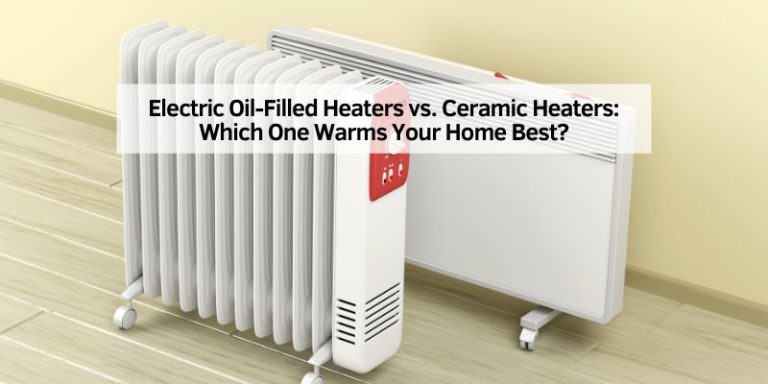
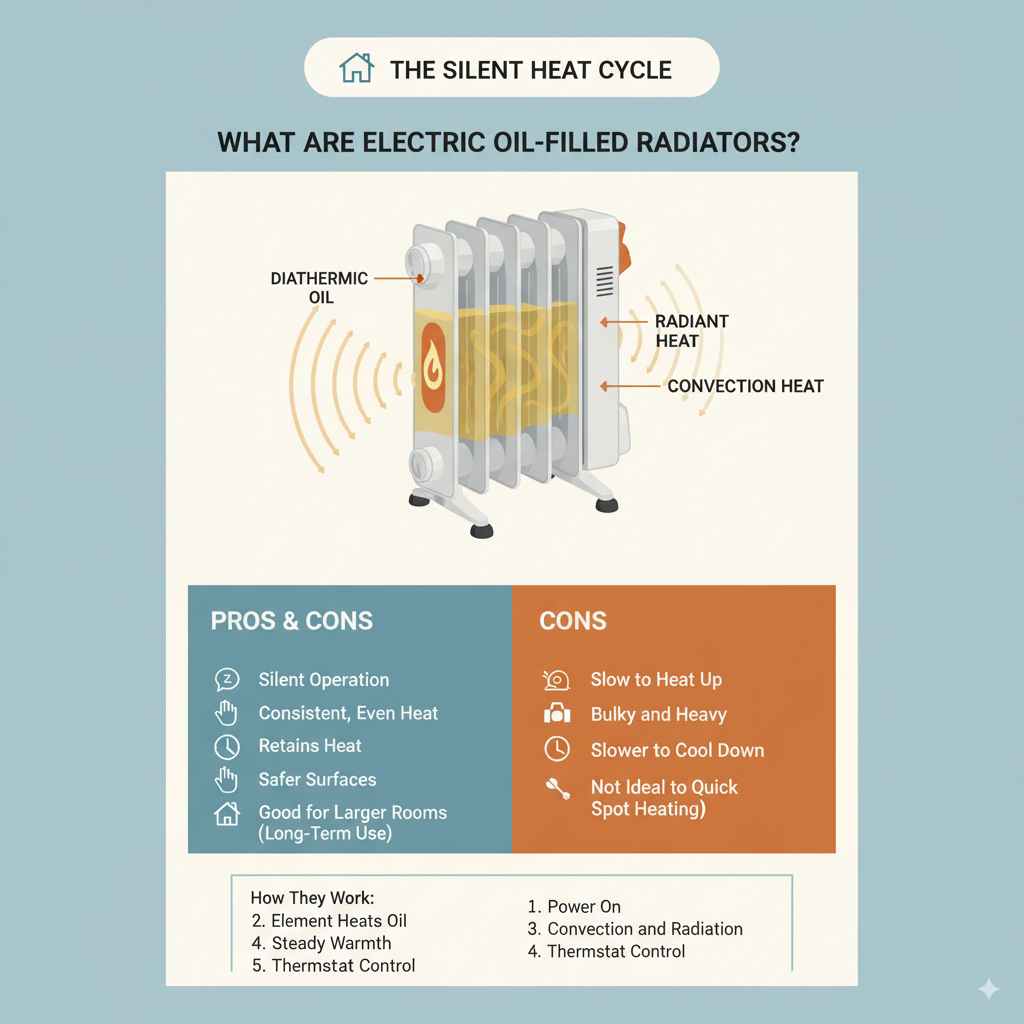
Imagine a radiator from the old days, but powered by electricity and using oil. That’s essentially an electric oil-filled radiator, often called an oil-filled heater or oil-filled radiator. These heaters are sealed units containing a special diathermic oil. When you plug it in, an electric element heats this oil, and the warmed oil then circulates within the radiator’s fins. This process generates a gentle, steady heat that radiates outwards, warming the room.
These radiators are known for their quiet operation and consistent heat. Because the oil retains heat, they can continue to radiate warmth even after being turned off, providing a soothing, ambient temperature. They don’t rely on fans to distribute heat, making them ideal for bedrooms or living areas where noise can be disruptive.
How They Work: The Silent Heat Cycle
- Power On: You plug the heater into an electrical outlet and turn it on.
- Element Heats Oil: An internal electric heating element warms the diathermic oil sealed inside the radiator’s columns.
- Convection and Radiation: The heated oil rises, warming the metal fins of the radiator. This creates two types of heat:
- Radiant Heat: The warm surfaces of the radiator emit infrared radiation, directly warming objects and people in the room.
- Convection Heat: The air around the radiator heats up, rises, and circulates throughout the room.
- Steady Warmth: The oil holds its heat, allowing the radiator to continue emitting warmth even when the element isn’t actively heating, providing a more consistent temperature.
- Thermostat Control: Most models have a thermostat to set and maintain your desired room temperature.
Pros of Electric Oil-Filled Radiators
- Silent Operation: No noisy fans, perfect for quiet spaces like bedrooms or offices.
- Consistent, Even Heat: Provides a gentle, enveloping warmth that’s less drying than forced-air heat.
- Retains Heat: The oil keeps radiating warmth for a while after it’s turned off, meaning less frequent cycling of the heating element.
- Safer Surfaces: Exterior surfaces tend to be cooler than some other heater types, reducing burn risks.
- Good for Larger Rooms (Long-Term Use): Efficient at maintaining a comfortable ambient temperature over extended periods.
Cons of Electric Oil-Filled Radiators
- Slow to Heat Up: Takes time for the oil and the unit to reach optimal temperature.
- Bulky and Heavy: Can be less portable than other heater types due to their design and oil content.
- Slower to Cool Down: Takes time to cool down after being turned off, which can be a minor inconvenience if you need to move it quickly.
- Not Ideal for Quick Spot Heating: If you need instant warmth in a specific spot, this might not be the fastest solution.
What Are Ceramic Heaters?
Ceramic heaters are a very popular choice for portable heating. They use a ceramic heating element, which is a piece of ceramic material that heats up quickly when electricity passes through it. A fan then blows air across this hot ceramic element, pushing warm air out into the room. This forced-air system means they can heat a space much faster than oil-filled radiators.
Because they use a fan, they can be a bit noisier. However, their ability to deliver quick, targeted warmth makes them incredibly versatile. They are often compact and lightweight, making them easy to move from room to room, whether you need to warm up a chilly bathroom, a home office, or a small living area.
How They Work: The Fan-Assisted Warmth
- Power On: Plug the heater into an electrical outlet and switch it on.
- Ceramic Element Heats: Electricity flows through a ceramic plate or coil, causing it to rapidly heat up.
- Fan Distributes Heat: An internal fan draws cool room air in, blows it across the hot ceramic element, and then pushes the heated air back out into the room.
- Quick Warmth: This process delivers warm air almost immediately, rapidly raising the temperature of a smaller space or specific zone.
- Thermostat or Manual Control: Many have adjustable thermostats or power settings to control the heat output.
Pros of Ceramic Heaters
- Fast Heating: Excellent at quickly warming up a room or a specific area.
- Portable and Lightweight: Easy to carry and move between rooms.
- Compact Size: Takes up less space due to their smaller footprint.
- Adjustable Settings: Often come with multiple heat settings and fan speeds.
- Good for Spot Heating: Ideal for quickly warming a small bathroom, office, or area where you are sitting.
Cons of Ceramic Heaters
- Can Be Noisy: The fan operation can create noticeable noise.
- Drier Heat: The forced air can sometimes dry out the air in a room more than radiant heat.
- Surface Can Get Hot: The heating element and grille can become quite hot, posing a potential safety concern for curious children or pets.
- Less Effective for Large Spaces: Not the best choice for maintaining a consistent temperature in larger rooms over long periods.
- Dust and Allergens: Fans can circulate dust and allergens present in the air.
Electric Oil vs Ceramic Heaters: Key Differences at a Glance
To help you visualize the strengths of each heater type, here’s a comparison table:
| Feature | Electric Oil-Filled Radiator | Ceramic Heater |
|---|---|---|
| Heating Method | Radiant and Convection (Oil circulation) | Forced Air (Fan blows over heated ceramic) |
| Speed of Heating | Slow to heat up; steady warmth | Very fast heating; instant warm air |
| Heat Distribution | Gentle, even, ambient | Direct, targeted, can be buzzy |
| Noise Level | Silent | Can be noisy due to fan |
| Portability | Bulky, heavy, less portable | Lightweight, compact, very portable |
| Best For | Long-term warmth in bedrooms, living rooms; consistent ambient temperature | Quickly warming small spaces (bathrooms, offices); spot heating |
| Air Quality Impact | Less drying, minimal air circulation | Can dry air; circulates dust/allergens |
| Surface Temperature | Moderately warm | Can get very hot |
Which Heater is Right for You?
The choice between an electric oil-filled radiator and a ceramic heater really depends on what you need them to do. Think about where you’ll use the heater and what kind of warmth you prefer.
When to Choose an Electric Oil-Filled Radiator:
- For Consistent, Quiet Comfort: If you want to maintain a steady, comfortable temperature in your bedroom overnight, your home office while you’re working, or your living room during a long evening, an oil-filled radiator is a great choice. Its silent operation won’t disturb sleep or concentration, and the gentle radiant heat feels very natural.
- For Lower Energy Bills (Long-Term Use): Because they retain heat and cycle less frequently, oil-filled radiators can be more energy-efficient for maintaining ambient temperature over many hours. They don’t need to constantly blast heat to keep the room comfortable.
- For Sensitive Lungs or Dry Air Concerns: If you find forced-air heaters dry out your air or worsen allergies, the moist, gentle heat from an oil-filled radiator is a kinder alternative.
- For Safety in High-Traffic Areas: Their cooler exterior surfaces make them a safer option if children or pets are around and might accidentally touch the heater.
When to Choose a Ceramic Heater:
- For Instant Warmth: If you need to quickly take the chill off a small bathroom before a shower, warm up your feet under your desk, or bring a small reading nook up to temperature fast, a ceramic heater is your go-to. It delivers heat you can feel in minutes.
- For Portable, Versatile Heating: If you want a heater you can easily move from your home office during the day to the living room in the evening, or take to a garage or workshop, the portability of ceramic heaters is unbeatable.
- For Targeted Spot Heating: When you just need to warm a very specific area or yourself directly, a ceramic heater’s focused airflow can be very effective.
- For Budget-Conscious, Short-Term Use: For occasional use in smaller spaces where you only need heat for a short burst, a ceramic heater often has a lower upfront cost and can be very effective.
Safety First: Essential Heater Usage Tips
No matter which type of heater you choose, safety should always be your top priority. Here are some important tips:
General Safety Guidelines:
- NEVER Cover the Heater: Always keep heaters uncovered. Blocking airflow or heat can cause them to overheat and pose a fire risk. This is crucial for both oil-filled and ceramic models to ensure proper circulation and prevent damage.
- Keep a Safe Distance: Maintain at least 3 feet (about 1 meter) of clear space around your heater. Keep it away from curtains, furniture, bedding, paper, and anything else that can catch fire. For more detailed guidance on appliance safety, the U.S. Consumer Product Safety Commission (CPSC) offers valuable resources. (CPSC Home Heating Equipment Safety)
- Place on a Hard, Flat Surface: Always set your portable heater on a level, stable surface. Never place it on top of upholstered furniture, carpets that might melt or ignite, or tables where it could easily be knocked over.
- Don’t Use in Wet Areas (Unless Designed For It): Most portable electric heaters are not designed for use in bathrooms or other damp locations. Check the manufacturer’s instructions carefully before using in such areas.
- Inspect Cords Regularly: Before each use, check the power cord for any signs of damage, fraying, or exposed wires. If the cord is damaged, do not use the heater and get it repaired or replaced.
- Unplug When Not in Use: Always turn off and unplug your heater when you leave the room, go to sleep, or when it’s not in use for an extended period.
- Supervise Children and Pets: Never leave children or pets unattended with a portable heater. Even if a heater has safety features, it’s best to keep them at a safe distance.
Specific Safety for Ceramic Heaters:
- Beware of Hot Surfaces: Remember that the grille and front of a ceramic heater can get very hot. Be mindful of contact, especially with children and pets.
- Check Fan Function: Ensure the fan is working correctly. If the heater is on but no air is being distributed, it could be a sign of a malfunction and a potential overheat risk.
Specific Safety for Oil-Filled Radiators:
- Position Upright: Always operate oil-filled heaters in an upright position as designed. They are not meant to be operated on their side or upside down.
- Integrity of the Seal: These heaters are sealed units. If you notice any oil leaking from the unit, discontinue use immediately and contact the manufacturer.
Energy Efficiency: Making Your Heater Work Smarter
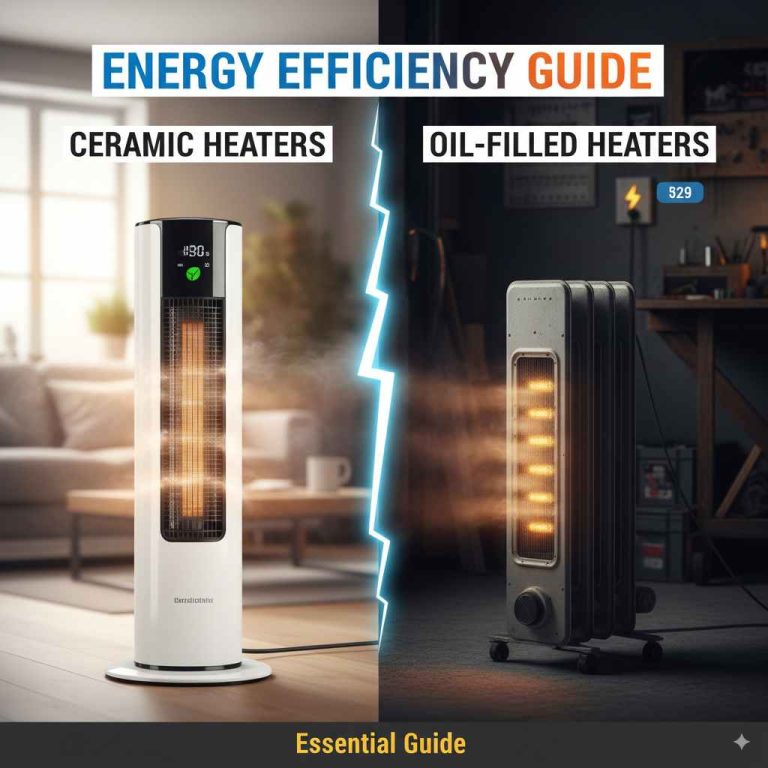
Both electric oil-filled radiators and ceramic heaters use electricity, and it’s natural to wonder about their energy consumption. While they are generally considered efficient supplemental heating options, some factors can help you use them even more wisely.
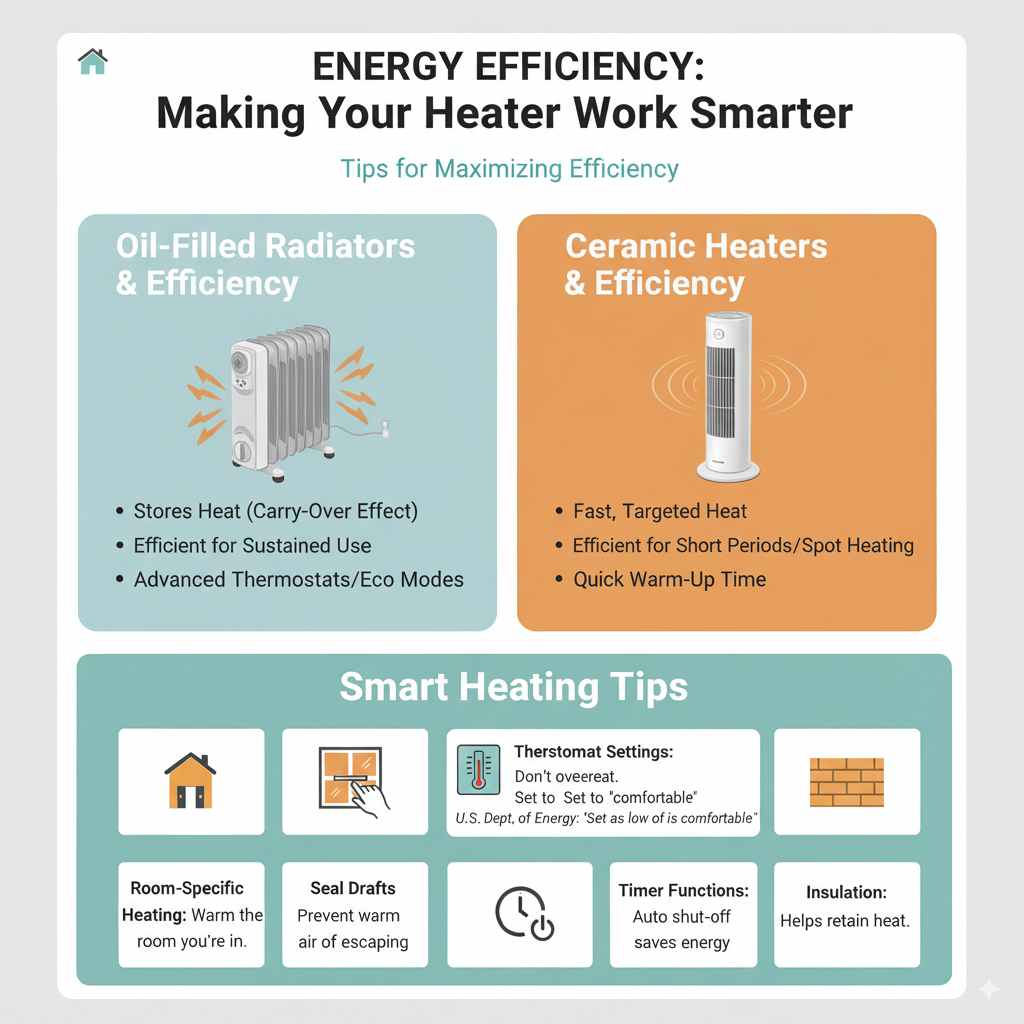
Oil-Filled Radiators and Energy Efficiency: Their strength lies in their ability to store heat. This means they can reach their target temperature and then cycle off, but the residual heat from the oil continues to warm the room. This ‘carry-over’ effect can reduce the frequency with which the heating element needs to turn back on, potentially saving energy when used for sustained heating. For this reason, they are often praised for their efficiency in maintaining a consistent temperature over many hours. Many modern units also come with advanced thermostats and eco modes.
Ceramic Heaters and Energy Efficiency: Ceramic heaters excel at providing fast, targeted heat. Their energy efficiency is best measured when used for short periods or to heat a specific area. Because they heat up and distribute air so quickly, they can be more efficient than trying to heat a whole room with a less powerful or slower-to-start heater. The key is to use them for their intended purpose: quick bursts of heat in smaller zones.
Tips for Maximizing Efficiency:
- Use Room-Specific Heating: Instead of heating your entire house, use a portable heater in the room you are currently using. This is often more energy-efficient than running your central heating system to warm unoccupied spaces.
- Thermostat Settings: Don’t set your heater to the highest possible temperature if you only need mild warmth. Experiment to find a comfortable setting that doesn’t waste energy. The U.S. Department of Energy suggests setting your thermostat as low as is comfortable and adjusting if needed for additional warmth. (Energy Saver: Portable Heaters)
- Seal Drafts: Ensure windows and doors are properly sealed to prevent warm air from escaping and cold air from entering.
- Insulation: Good home insulation plays a huge role in retaining heat, meaning your portable heater won’t have to work as hard.
- Timer Functions: If your heater has a timer, use it to automatically turn off the unit when you no longer need it, preventing unnecessary energy use.
Frequently Asked Questions About Heaters
Q1: Are electric oil-filled heaters safe to leave on overnight?
Yes, electric oil-filled radiators are generally considered safe to leave on overnight, provided they are functioning correctly and you follow all safety guidelines. Their design means they don’t have exposed heating elements and operate silently, making them popular for bedrooms. Always ensure they are on a stable surface, kept clear of obstructions, and not damaged.
Q2: Can ceramic heaters dry out the air?
Yes, ceramic heaters can sometimes dry out the air because they use a fan to push heated air, which can reduce humidity. If this is a concern, you might consider a humidifier to run alongside the heater, or opt for a non-fan heater like an oil-filled radiator.
Q3: Which type of heater is more energy-efficient: oil-filled or ceramic?
It depends on usage. Oil-filled heaters are generally more energy-efficient for maintaining a consistent, ambient temperature over long periods in a room due to their heat retention. Ceramic heaters are more efficient for quick, short bursts of targeted heating in smaller areas because they deliver heat rapidly.
Q4: How long does it take for an electric oil-filled heater to warm up a room?
Electric oil-filled heaters take longer to warm up because the oil inside needs time to heat up and circulate. This process can take anywhere from 20 minutes to over an hour, depending on the heater’s size, the room’s size, and the starting room temperature.