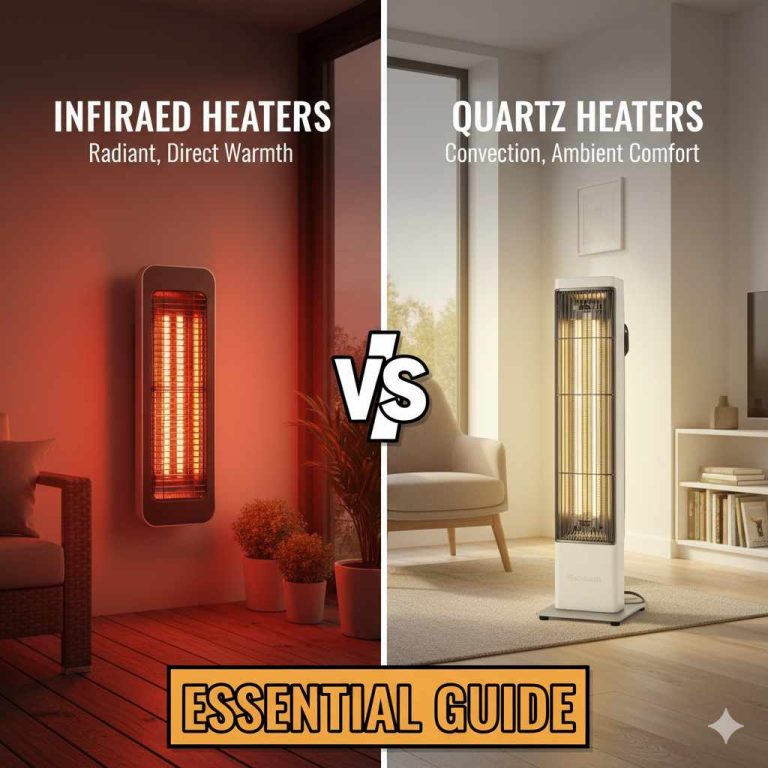
Class C RVs With Heater: Essential!
To ensure your Class C RV is cozy in any weather, a reliable heater is absolutely essential! This guide breaks down the types of heaters commonly found in Class C RVs, helping you choose, understand, and maintain the perfect heating system for warm adventures all year round.
Embarking on RV adventures in a Class C motorhome is a fantastic way to explore! But nothing dampens the spirit of travel quite like a chilly interior. When the temperature drops, a dependable heater isn’t just a luxury; it’s a necessity for comfort and safety. Many new RV owners find themselves puzzled by the different heating options and how they work. It’s easy to feel overwhelmed, but don’t worry! We’re here to demystify Class C RV heaters, guiding you through everything you need to know to keep your travels warm and enjoyable, no matter the season.
The Heart of Your Cozy RV: Understanding Class C Heaters
When you think about keeping your home warm, you probably picture a furnace or a space heater. RVs have similar needs, but the systems are a bit more specialized to work within the unique environment of a recreational vehicle. A Class C RV, with its integrated chassis and living space, typically comes equipped with a built-in heating system designed to be both efficient and safe for on-the-go living. These systems are crucial for extending your camping season and ensuring comfort during colder months.
The most common heating system you’ll find in a Class C RV is a propane-fired furnace. This is the workhorse that keeps the majority of RVs toasty. Propane is a readily available fuel source for RVers, and these furnaces are designed to be quite effective, drawing power from your RV’s propane tanks and often a small amount of electricity from your RV battery to run the blower fan. Understanding its basics will help you operate it confidently.
Propane Furnaces: The Standard Choice
Propane furnaces are the go-to heating solution for most Class C motorhomes for several good reasons. They are powerful, efficient, and designed to handle the demands of providing heat in a compact living space. These units typically use a direct-fired combustion process, meaning they draw outside air for combustion and vent exhaust gases outside, which is a critical safety feature for an enclosed vehicle.
Here’s a quick look at how they work:
- Fuel Source: Propane from your RV’s tanks is the primary fuel.
- Ignition: An electronic igniter lights the propane.
- Heat Creation: The burning propane heats a heat exchanger.
- Air Circulation: A blower fan pushes cool air from inside your RV over the hot heat exchanger, warming it up.
- Distribution: This warm air is then circulated back into your RV living space through ducts.
- Venting: Exhaust fumes are safely expelled outside the RV.
Think of it like a mini-central heating system for your RV. The thermostat on your wall controls when the furnace kicks on and off, maintaining your desired temperature. It’s important to ensure your propane levels are adequate before heading out into cooler weather.
Pros of Propane Furnaces:
- Powerful: Can quickly heat a Class C RV, even in very cold temperatures.
- Efficient: Propane is an energy-dense fuel, offering good heating output.
- Widely Available Fuel: Propane is common at campgrounds and service stations.
- Standard Equipment: Most Class C RVs come with them, making maintenance and parts familiar.
Cons of Propane Furnaces:
- Uses Propane: Constantly running the furnace consumes propane, which needs replenishing.
- Battery Draw: The blower fan requires 12-volt power from your RV’s batteries, which needs to be managed, especially when not connected to shore power.
- Noise: Some furnace models can be noisy when the fan and burner are operating.
- Potential for Carbon Monoxide: Although designed to be safe, proper maintenance and CO detectors are always essential.
Understanding Your RV Thermostat
The thermostat is your main control panel for the RV’s heating system. It typically looks and functions much like a home thermostat, allowing you to set your desired temperature and fan mode. Most RV thermostats will have an “ON/OFF” switch, a mode selector (often labeled “HEAT”), and temperature up/down buttons.
When you set your desired temperature and switch to “HEAT” mode, the thermostat signals the furnace to start. It will turn the furnace on when the interior temperature drops below your set point and turn it off once the temperature reaches it. Some thermostats may have a “FAN ONLY” option, which can be used for air circulation without heat.
It’s a good idea to familiarize yourself with your specific RV’s thermostat. Check your owner’s manual for details on how to adjust settings, troubleshoot common issues, or access different modes. For example, some newer RVs might have digital or even smart thermostats that allow for programming or remote control.
Essential Features and Considerations for Class C RV Heaters
Beyond the basic propane furnace, there are features and factors that enhance your RV heating experience. When considering a Class C RV, or looking to upgrade its heating, thinking about these elements can make a big difference in comfort, efficiency, and safety.
Propane Tank Management
Your propane tanks are the lifeblood of your furnace. Most Class C RVs have two standard 20-pound (5-gallon) propane tanks. Keeping them full is key to uninterrupted heat. When one tank runs empty, you’ll need to switch to the other or get them refilled. Many RVers opt for larger tanks or carry spare tanks for longer trips or colder weather where heating is used more frequently.
Storing and handling propane tanks requires care:
- Always ensure tanks are upright and secured.
- Never use a propane appliance if you suspect a leak.
- Refill tanks at designated stations or have them professionally filled.
You can learn more about propane tank safety from the Propane Education & Research Council (PERC), which offers excellent resources on safe propane use.
Shore Power and Battery Usage
While the furnace itself runs on propane, its crucial blower fan and ignition system rely on your RV’s 12-volt DC power system, which is typically supplied by deep-cycle batteries. If you’re plugged into shore power (electricity from a campground or your house), your RV’s converter will charge the batteries, ensuring the fan runs smoothly. However, when you’re dry camping (boondocking) without shore power, your batteries will be the sole source of power for the fan.
Here’s what to consider:
- Battery Health: Ensure your RV’s house batteries are in good condition and fully charged.
- Propane-Electric Refrigerators: Many RV refrigerators can run on either propane or electric. If you use the electric setting for your fridge while dry camping, it will also draw power from your batteries, impacting how long your furnace fan can run before needing a recharge.
- Energy Management: Be mindful of your battery levels when running the furnace, especially if you’re not connected to shore power. Running too many 12-volt items at once can drain your batteries quickly.
Alternative & Supplemental Heating Options
While the propane furnace is standard, many RVers use supplemental heat sources for various reasons. These can include economy, convenience, or heating a specific area.
Electric Space Heaters
If you have access to shore power, electric space heaters can be a fantastic way to supplement your RV’s furnace, or even replace it entirely in milder conditions. They are often quieter than propane furnaces and don’t consume propane. When choosing an electric heater for your RV, look for compact, tip-over protected, and ceramic models for safety and efficiency.
An important consideration for electric heaters is their wattage. A common small electric heater might draw 750-1500 watts. Ensure your RV’s electrical system (especially if you’re on a 30-amp or 20-amp circuit) can handle the load without tripping breakers. It’s often best to run one electric heater at a time, or when your RV’s primary systems aren’t drawing a lot of power.
Buddy Heaters (Portable Propane Heaters)
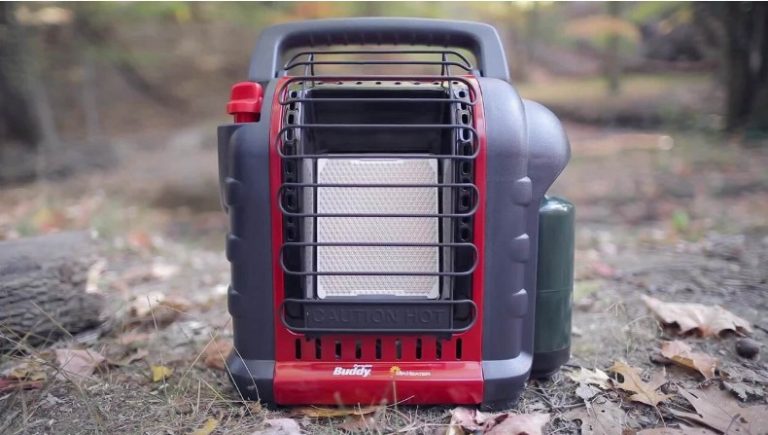
Popular for their convenience and warmth, portable propane heaters like the Mr. Heater Buddy are often used in RVs. These heaters are designed with safety features such as an automatic shut-off if the pilot light goes out or if the unit is tipped over, and they also have an oxygen depletion sensor (ODS). However, it’s crucial to use them with extreme caution and proper ventilation, as they do produce carbon monoxide. They are best used for supplemental heat for short periods or in well-ventilated areas. Always have a working carbon monoxide detector when using any propane appliance.
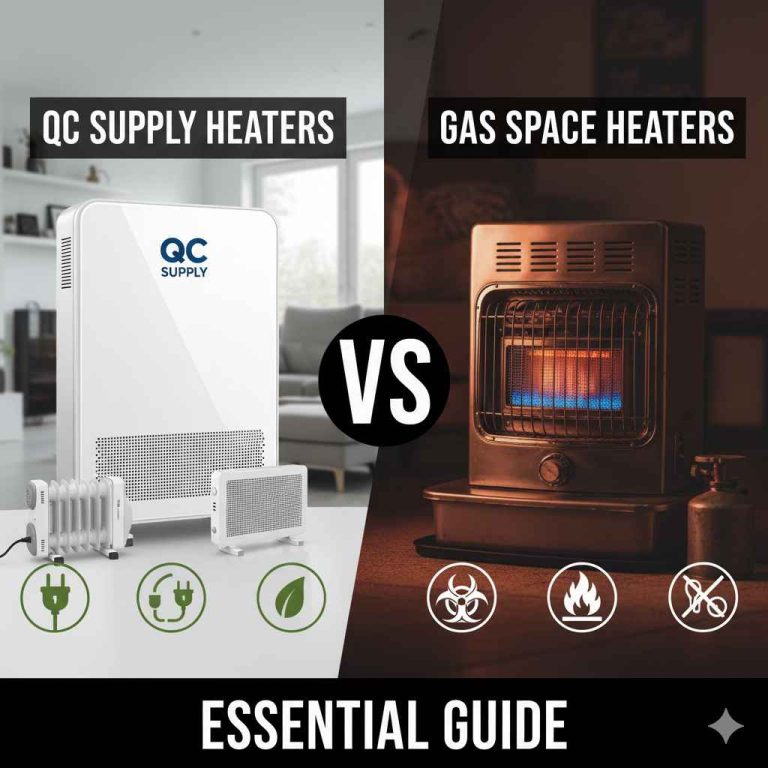
Here’s a quick comparison of supplemental options:
| Heating Type | Fuel/Power | Pros | Cons |
|---|---|---|---|
| Electric Space Heater | Shore Power Electricity | Quiet, no propane use, safe if designed for RVs | Requires shore power or generator, can draw significant amps, may not heat efficiently in very cold temps. |
| Portable Propane Heater (e.g., Buddy Heater) | Propane | Very warm, don’t need electricity for heat output (only safety features), portable | Produces CO and moisture, uses propane, requires ventilation, potential safety risks if misused or not properly maintained. |
You can find additional safety guidelines for using portable heaters in recreational vehicles from resources like the RV Industry Association.
Ventilation and Air Quality
Proper ventilation is paramount when using any heating system, especially propane furnaces, as they consume oxygen and produce exhaust gases. Your Class C RV will have ventilation sources like roof vents, range hood vents, and windows that can be opened. Ensuring these are functional and using them appropriately is key to maintaining safe air quality.
Always make sure your furnace exhaust vent is clear of obstructions (leaves, snow, dirt). Likewise, if you use a portable propane heater, opening a window or roof vent slightly can help ensure a fresh air supply and reduce the buildup of moisture or potentially harmful gases. A good quality carbon monoxide detector is an unmissable safety device for any RV owner.

Maintaining Your Class C RV Heater for Optimal Performance
Like any appliance, your RV’s heater needs regular checks and maintenance to keep it running reliably and safely. Simple, preventative care can prevent breakdowns and ensure you have heat when you need it most.
Regular Cleaning and Inspections
A visual inspection and a bit of cleaning go a long way:
- Vents: Check your furnace’s exterior exhaust vent and interior return air vents. Ensure they are clear of dust, debris, cobwebs, or anything that might impede airflow. A soft brush or vacuum cleaner with a hose attachment works well.
- Filters: Many RV furnaces have an air filter to protect the blower and fan components from dust, similar to what you’d find in a home HVAC system. Check your owner’s manual for the filter’s location and recommended cleaning or replacement schedule. A clean filter improves airflow and efficiency.
- Burner Area: While you shouldn’t attempt to disassemble the burner yourself unless you’re experienced, a visual check for obvious obstructions visible from the vent might be useful.
Annual Professional Check-up
For peace of mind and to catch potential issues before they become major problems, consider having your RV furnace professionally serviced annually, especially before the start of the colder season. A qualified RV technician can perform a thorough inspection, clean the burner, check propane pressure, test the ignition system, and ensure all safety features are working correctly. This is especially important for preventing carbon monoxide leaks.
Troubleshooting Common Issues
Even with regular maintenance, you might encounter minor issues. Here are a few common ones and simple things to check:
- No Heat:
- Check propane tank levels and ensure the valve is open.
- Verify the thermostat is set to “HEAT” and the temperature is set higher than the current room temperature.
- Ensure your RV batteries are charged; the fan needs 12V power to operate.
- Check circuit breakers and fuses for the furnace and thermostat.
- Furnace Runs, But No Warm Air:
- Check or clean the air filter for the furnace. A clogged filter severely restricts airflow.
- Ensure the return air vents are not blocked by furniture or stored items.
- Rattling or Loud Noises:
- This could indicate a loose component or something obstructing the blower fan. A professional inspection is recommended.
- Pilot Light Issues:
- Older furnaces might have pilot lights. Ensure they are lit and staying lit. Modern furnaces use direct electronic ignition.
For any issues that involve ignition, gas flow, or complex electrical problems, it’s always best to consult your RV’s owner’s manual or a certified RV technician. Safety is paramount when dealing with propane systems.
Frequently Asked Questions About Class C RV Heaters
What is the most common type of heater in a Class C RV?
The most common type of heather in a Class C RV is a propane-fired furnace, which uses propane from your RV’s tanks to generate heat and a 12-volt electrical system for its blower fan and ignition.
How much propane does an RV furnace use?
The amount of propane an RV furnace uses can vary significantly based on the furnace’s size, the outdoor temperature, how well-insulated your RV is, and your thermostat settings. On average, a furnace might consume 1 to 1.5 gallons of propane per 24 hours of continuous use, but typical usage is intermittent.
Can I use an electric space heater in my Class C RV?
Yes, you can use an electric space heater in your Class C RV, but only when you are connected to shore power or running a generator that can supply enough electricity. Be mindful of the amperage draw, especially on 30-amp RVs, to avoid tripping breakers.
Is it safe to use a portable propane heater like a Mr. Heater Buddy in my RV?
While popular, portable propane heaters should be used with extreme caution and a working carbon monoxide detector always present. They are designed for supplemental use in well-ventilated areas, and continuous, unattended use is not recommended due to the risk of carbon monoxide buildup and moisture production.
How do I know if my RV furnace is working correctly?
A properly working furnace will ignite, the blower fan will come on, and it will blow warm air. You should also hear the normal sounds of the burner. If it clicks but doesn’t ignite, or makes unusual noises, it may need servicing.
What is the role of the RV’s batteries in the heating system?
The RV’s batteries provide the 12-volt DC power needed to run the furnace’s blower fan and the electronic ignition system. Without sufficient battery power, the furnace won’t operate, even if it has propane and the thermostat is set correctly.
Should I get my RV furnace professionally serviced?
Yes, it is highly recommended to have your RV furnace professionally serviced at least once a year, ideally before the start of the cold season. This ensures it’s operating efficiently and safely, checking for potential issues like gas leaks or carbon monoxide concerns.
Conclusion: Warm Adventures Await!
Staying warm and comfortable in your Class C RV is essential for enjoying every aspect of the RV lifestyle. With a solid understanding of how your propane furnace works, the importance of managing your propane and batteries, and the benefits of supplemental heating options, you’re well-equipped to keep your motorhome a cozy haven.
Regular maintenance will not only extend the life of your heating system but also provide the peace of mind that comes with knowing it will reliably keep you warm on your travels. So, whether you’re chasing fall colors or planning a winter getaway, embrace the journey with confidence, knowing your Class C RV heater is ready to keep the chill at bay. Happy adventuring, and stay warm!