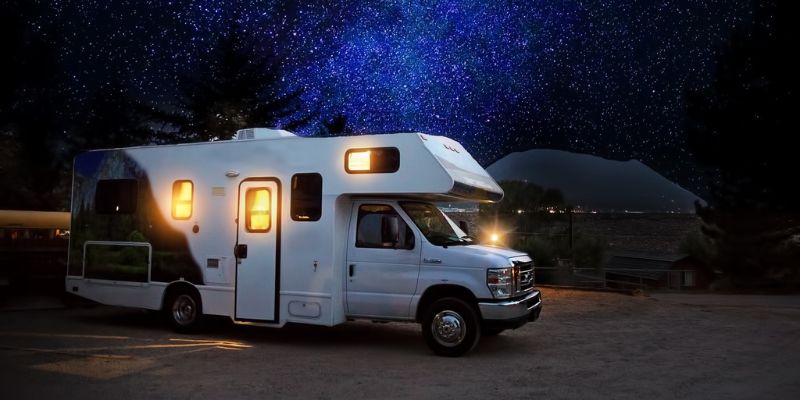
Are Class C RVs with Heaters Warm Enough?
Class C RVs with heaters provide essential comfort, ensuring you enjoy your travels year-round by keeping your living space warm and cozy, regardless of the outside temperature.
Are you dreaming of hitting the open road in a Class C RV, but your biggest worry is staying warm when the temperatures drop? You’re not alone! Many RV adventurers, especially those new to the lifestyle, find themselves scratching their heads about RV heating. It’s easy to feel a little overwhelmed, but don’t worry! Figuring out the best way to keep your Class C cozy is simpler than you might think. We’ll guide you through everything you need to know about heaters in Class C RVs, making sure your adventures are always comfortable, safe, and warm.
Understanding Class C RV Heating: Your Comfort Companion
Your Class C RV’s heating system is a crucial part of its overall comfort and usability. It’s what transforms a chilly vehicle into a warm, inviting home on wheels. Unlike your sticks-and-bricks house, an RV’s heating needs a slightly different approach, considering its size, insulation, and power sources. The good news is that modern Class C RVs come equipped with capable heating systems designed to keep you toasty, even in more challenging weather.
Think of your RV heater as your travel buddy. Its main job is to work efficiently and safely so you can focus on the fun parts of RVing – exploring new places and making memories. We’ll break down how these systems work, what to look for, and how to keep them running smoothly.

Types of Heaters Common in Class C RVs
Class C RVs typically feature a few main types of heaters. Each has its own way of generating warmth, and understanding them will help you appreciate how your RV stays comfortable.
1. Propane Furnace (The Workhorse)
This is the most common and powerful heating system found in Class C RVs. It runs on propane, which is a readily available fuel source for RVs.
- How it Works: A thermostat signals the furnace when the temperature drops. Propane flows to the furnace, ignites, and heats the air. A fan then blows this heated air through ducts to various rooms in your RV, keeping it warm and cozy.
- Pros: Very effective at heating the entire RV, works well in very cold weather, uses readily available RV fuel (propane).
- Cons: Consumes propane, which needs refilling; can sometimes be a bit noisy; requires proper ventilation to prevent carbon monoxide buildup.
2. Electric Heaters (The Convenient Buddy)
These are often portable or integrated into the RV. They run on electricity, either from shore power (when plugged into an electrical outlet at a campsite) or from your RV’s generator or battery power (though heavy use can drain batteries quickly).
- Pros: Quiet operation, no fuel consumption for the unit itself (draws from power source), generally safe when used as directed, good for maintaining a comfortable temperature.
- Cons: Can consume a significant amount of electricity, making them less ideal when relying solely on battery power; may not be sufficient for heating the entire RV in very cold temperatures on their own.
3. Diesel/Gasoline Heaters (Less Common in C-Classes, but Emerging)
Some newer or custom Class C RVs might utilize heaters that run off the RV’s main fuel tank (diesel or gasoline). These are often very efficient.
- Pros: Utilize existing fuel tanks, can be very fuel-efficient, provide good heat output.
- Cons: Less common, may require specialized installation or maintenance.
4. Heat Pumps (Often part of the Air Conditioner)
Many RV air conditioning systems are also “heat pumps.” In moderate weather, they can reverse their cycle to provide heat.
- Pros: Dual function (cools and heats), energy-efficient in mild temperatures.
- Cons: Less effective in freezing temperatures; their heating capacity diminishes as the outside temperature drops below a certain point (often around 35-40°F or 1-4°C). At these temperatures, the propane furnace usually takes over or is needed.
It’s important to know which type of heater(s) your Class C RV is equipped with. This helps you understand how to use them effectively and what to do if you encounter any issues. Most Class C RVs will have a propane furnace as their primary heat source, often supplemented by electric options or the heat pump feature of the AC.
Key Features to Look For in a Class C RV Heater
When considering the heating system in a Class C RV, here are a few essential features that contribute to both comfort and safety:
- Thermostat Control: A reliable and easy-to-use thermostat lets you set your desired temperature, allowing the heater to cycle on and off automatically. Look for digital thermostats for better accuracy.
- Ducting System: Well-designed ductwork ensures that warm air is distributed evenly throughout the living space, reaching all areas effectively.
- Safety Features: Crucially, your heater should have built-in safety mechanisms. This includes a carbon monoxide detector (often integrated into the propane detector) and an automatic shut-off if it detects issues like flame failure or overheating.
- Fuel Efficiency: Consider how efficiently the heater uses propane or electricity, especially if you plan on dry camping (boondocking) where power sources might be limited.
- Noise Level: Some furnaces can be a bit noisy. If quiet operation is important to you, look for RVs with modern, well-insulated furnaces or consider supplementary electric heaters for quieter moments.
Using Your Class C RV Heater: A Beginner’s Guide
Operating your Class C RV heater is straightforward, but following these steps ensures you’re using it safely and efficiently.
- Locate Your Thermostat: This is usually mounted on a wall in the main living area of your RV.
- Turn On the Propane: Ensure your RV’s propane tanks are turned on and that there’s sufficient propane. You may need to “light off” the furnace system the first time each season, which usually involves pressing a button or following instructions on the furnace itself to get the pilot light (or electronic ignition) working. Consult your RV’s owner’s manual for specific instructions.
- Set the Temperature: Adjust the thermostat to your desired temperature.
- Select Heat Mode: Make sure the thermostat is set to “Heat” mode.
- Allow Time to Warm Up: It might take a few minutes for the furnace to ignite and for warm air to start circulating.
- Monitor and Adjust: Listen to the furnace. You should hear it ignite and the fan come on. If it doesn’t, check the propane supply and consult your RV’s manual or a professional.
Important Safety Tip: Always ensure your RV has working carbon monoxide (CO) detectors and smoke detectors. Propane appliances, including furnaces, produce carbon monoxide, which is odorless and deadly. Test your detectors regularly and replace batteries as needed. Federal regulations mandate CO detectors in RVs.
Maintaining Your Class C RV Heater for Longevity
Just like your home furnace, your RV heater needs a little TLC to keep working reliably. Regular maintenance is key to preventing breakdowns and ensuring it runs safely.
Routine Checks (Do These Regularly)
- Check Propane Levels: Keep an eye on your propane tank gauge.
- Verify CO and Smoke Detectors: Test them monthly and replace batteries annually.
- Listen for Unusual Noises: Clanking, rattling, or whistling sounds can indicate a problem.
- Inspect Vents: Ensure the exterior exhaust vent for the furnace is clear of debris, especially after being parked for a while or in snowy conditions. Blocked vents are a major safety concern.
Annual Maintenance (Consider Professional Help)
- Furnace Cleaning: Dust and debris can accumulate inside the furnace. A professional can clean the burner, heat exchanger, and blower motor.
- Ignition System Check: Ensure the igniter is clean and functioning correctly.
- Ductwork Inspection: Look for any leaks or damage in the ducting that could let warm air escape or draw in cold air.
- Electrical Connections: Check that all electrical connections to the furnace and thermostat are secure.
For any complex maintenance or if you’re unsure, it’s always best to consult a certified RV technician. Many RV dealerships and service centers offer seasonal maintenance packages.
Class C RV Heater Performance in Different Conditions
Understanding how your Class C RV heater performs in various weather scenarios will help you prepare and stay comfortable.
Cold Weather RVing
When temperatures approach or drop below freezing, your propane furnace will likely be your primary and most effective heat source. While heat pumps can start to lose efficiency below about 35-40°F (1-4°C), propane furnaces are designed to operate in much colder environments. However, even propane furnaces have limits. In extremely cold weather, or for extended stays in frigid conditions, consider these tips:
- Supplement with Electric Heaters: If you have reliable shore power, using a small, safe electric heater can help take the load off the propane furnace and maintain a consistent temperature, often more quietly.
- Insulate Well: Ensure RV windows and doors are sealed properly. You can use RV window covers or even heavy curtains for added insulation.
- Use an RV Skirt: For longer parked stays in cold climates, an RV skirt can significantly help by preventing cold air from getting under your RV.
- Monitor Propane Levels: Cold weather means your furnace will run more, consuming propane faster. Keep a close eye on your tank levels and have a backup plan for refills or a spare tank.
Check out resources like the National Highway Traffic Safety Administration (NHTSA) for general RV safety guidelines, which indirectly relate to proper appliance functioning.
Mild Weather RVing
In milder spring or fall temperatures, your heat pump (if your RV has one) might be sufficient. If you have AC that doubles as a heat pump, turning it on the heat setting can provide a comfortable level of warmth without using propane. Electric heaters are also excellent choices during these times for their quiet operation and clean heat.
Understanding Heat Capacity
The “BTU” (British Thermal Unit) rating of your RV’s furnace indicates its heating power. Most Class C RV furnaces range from 16,000 to 40,000 BTUs, depending on the size of the RV. A higher BTU rating means more heating power. For example, a 35,000 BTU furnace is generally more robust than a 20,000 BTU unit.
Troubleshooting Common RV Heater Issues
Even with good maintenance, you might occasionally encounter a hiccup with your RV heater. Reacting calmly and knowing where to start can save the day.
Heater Won’t Turn On
- Check Thermostat: Ensure it’s set to “Heat” and the desired temperature is above the current cabin temperature. Try changing the batteries if it’s a digital thermostat.
- Verify Power: For electric heaters, ensure they are plugged in or the generator is running. For propane furnaces, check that the main propane tank valve is open and you have propane.
- Propane System: Sometimes, air in the propane lines can prevent ignition after refilling tanks. Turn on a propane appliance like a stovetop burner for a minute to purge the air.
- Reset the Furnace: Many RV furnaces have a reset button or sequence. Consult your owner’s manual.
Heater Not Producing Enough Heat
- Low Propane: The propane level might be low, or the tank could be freezing in very cold weather (propane pressure drops significantly below -40°F/-40°C).
- Blocked Vents: Check both interior and exterior vents for obstructions.
- Dirty Filter: Some furnaces have an air filter that, when clogged, reduces airflow and heat output.
- Heat Pump Limitations: If using a heat pump in cool weather, it may no longer be effective if temperatures drop too low. The furnace is likely needed.
Heater is Making Strange Noises
- Blower Fan Issues: Rattling or grinding could indicate a problem with the blower motor or fan blades hitting something.
- Ignition Problems: Clicking sounds without ignition might mean the igniter needs cleaning or is faulty.
- Ductwork Leaks: Hissing or whistling could be from air leaks in the ducting.
If you can’t resolve an issue, don’t hesitate to contact a professional RV technician. They have specialized tools and knowledge to get your heating system back in top shape. You can find resources on RV repair and maintenance through organizations like the Recreational Vehicle Industry Association (RVIA), which often provides consumer information.

Frequently Asked Questions About Class C RV Heaters
Q1: My Class C RV heater won’t turn on. What should I check first?
A: Start by checking your thermostat for correct settings and power. Then, ensure your propane tanks are on and you have sufficient propane. After that, check if the furnace has a reset button.
Q2: Is it safe to run my RV heater all the time?
A: Yes, it is generally safe to run your RV heater continuously when you have adequate propane and good ventilation, especially the propane furnace. Always ensure carbon monoxide detectors are functioning correctly, and never run a generator indoors or in an enclosed space.
Q3: How much propane does an RV furnace use?
A: Propane usage from a furnace varies greatly depending on the furnace’s BTU output, the outside temperature, how well your RV is insulated, and your thermostat setting. On average, a furnace might use between 1 to 2 pounds of propane per hour in cold weather.
Q4: Can I use a portable electric space heater in my Class C RV?
A: Yes, portable electric heaters can be a great supplement, especially if you have access to shore power. They are often more quiet. However, ensure the heater is rated for RV use, has safety features like tip-over protection, and doesn’t overload your RV’s electrical system. Be cautious when running them on battery power, as they draw a lot of amps.
Q5: How important is a carbon monoxide detector in an RV?
A: Carbon monoxide (CO) detectors are critically important. Propane furnaces and other appliances can produce CO, which is a colorless, odorless, and deadly gas. You should have functioning CO detectors installed and test them regularly.
Q6: My RV furnace is making a loud noise. What could be the problem?
A: Loud noises could stem from the blower fan (like a bearing issue or something obstructing it), the ignitor or burner assembly when igniting, or air leaks in the ductwork. It’s best to have a qualified RV technician inspect it.
Q7: Can I heat my Class C RV with its regular engine heat?
A: Some RVs are equipped with systems that allow you to draw heat from the engine while driving, often via a dash heating system. However, this is separate from the primary living space heating system when parked. The RV’s main heater is designed for stationary comfort.
Conclusion: Embrace the Warmth of Your Class C Adventure
Having a reliable heating system in your Class C RV isn’t a luxury; it’s essential for extending your camping season and ensuring you’re always comfortable, no matter where your travels take you. From understanding the different types of heaters like the dependable propane furnace and versatile heat pumps, to performing routine maintenance and knowing how to troubleshoot common issues, you’re now well-equipped to manage your RV’s warmth.
Remember to prioritize safety by ensuring your carbon monoxide detectors are always in good working order. By taking a little time to learn about your heating system and giving it the care it deserves, you can confidently embark on adventures in any season, turning your Class C into a cozy haven. So, go ahead, plan that fall foliage trip or that crisp winter getaway – your warm and comfortable RV awaits!