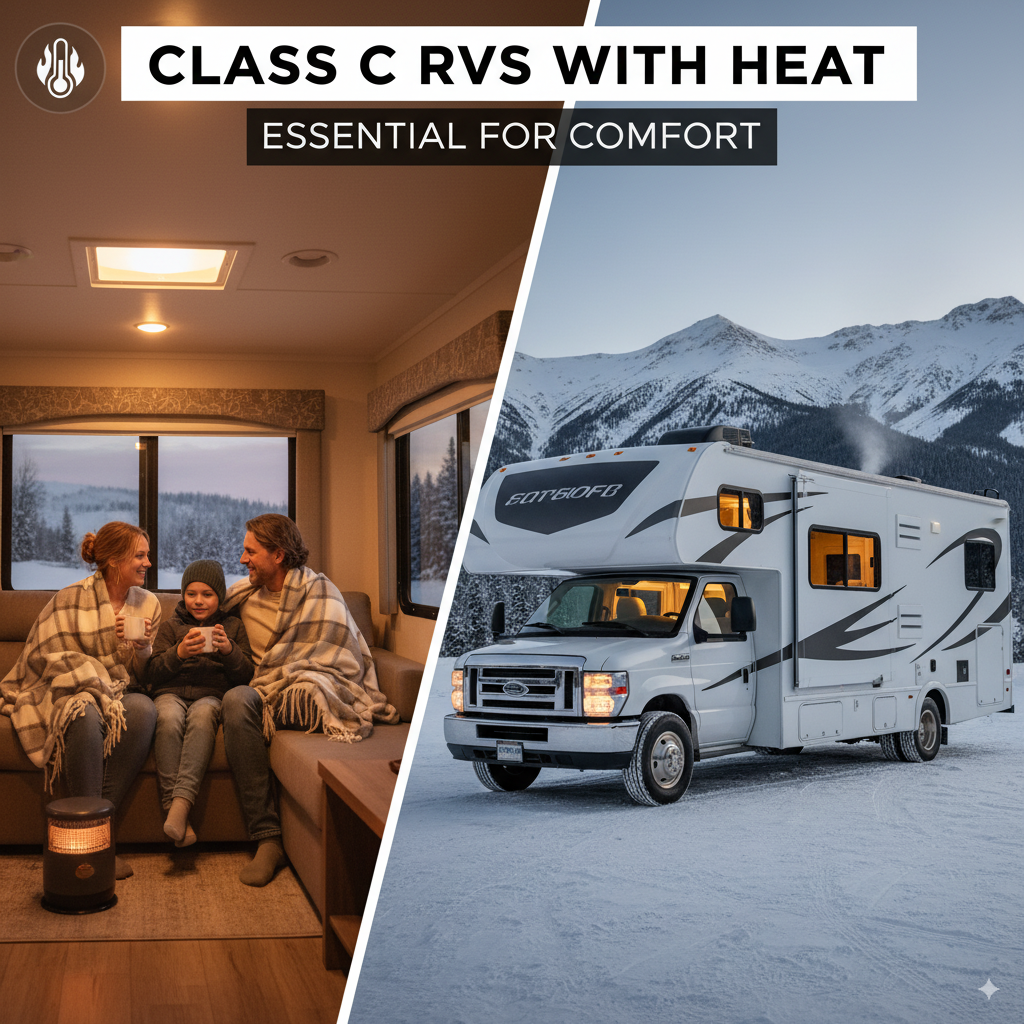
Class C RVs With Heaters: What to Know Before Buying
When choosing a Class C RV, a reliable onboard heater is non-negotiable for comfort in any season. Essential for warmth during colder trips, these RVs offer different heating systems—typically propane furnaces or electric options. Understanding these systems ensures you can enjoy your adventures without feeling the chill.
Ah, the open road! There’s nothing quite like the freedom of exploring in a Class C RV. But what happens when the temperature drops? Feeling a chilly breeze inside your cozy camper can quickly turn an dream trip into a frosty ordeal. Many folks wonder, “Do Class C RVs actually have heaters?” You bet they do! These versatile homes on wheels are designed with your comfort in mind, and that includes keeping you toasty warm. If you’re new to the RV scene or thinking about your first Class C, understanding the heating options is super important. Let’s break it down together so you can enjoy your travels, no matter the weather.
Why a Heater is a Must-Have for Your Class C RV
Imagine waking up on a crisp autumn morning, ready to explore but greeted by a shiver instead of warmth. That’s where a good RV heater shines! For Class C RVs, especially those you plan to use outside of peak summer months, a built-in heating system isn’t just a nice-to-have; it’s essential. It transforms your RV from a seasonal vehicle into a year-round adventure machine. No more rushing back to shore power or limiting your travel dates due to the cold. A proper heater means comfort, safety, and the freedom to embrace every season the outdoors has to offer.
Understanding Class C RV Heating Systems
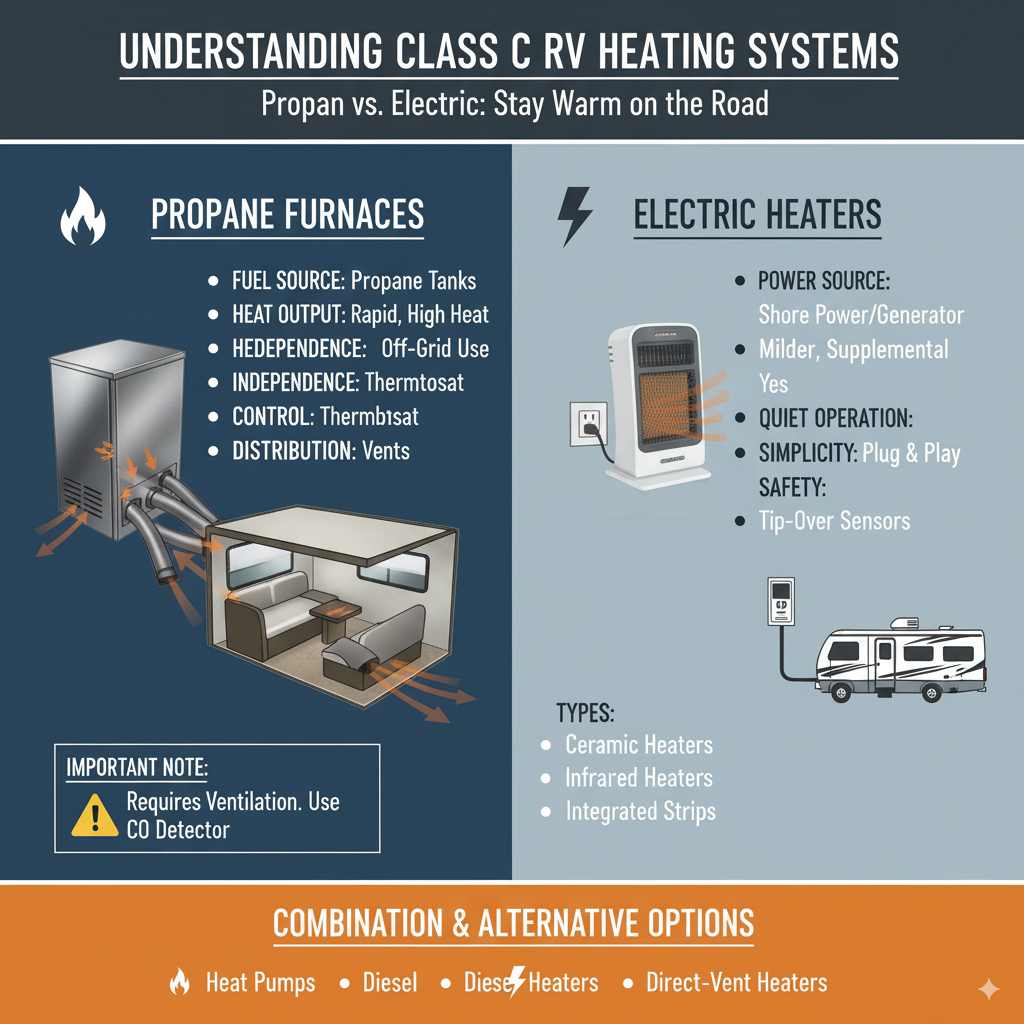
Class C RVs typically come equipped with one of two primary types of heating systems: propane furnaces or electric heaters. Sometimes, you might even find a combination or alternative options. Each has its own way of keeping you warm and its own set of considerations for RV owners.
Propane Furnaces: The Roaring Heart of Your RV
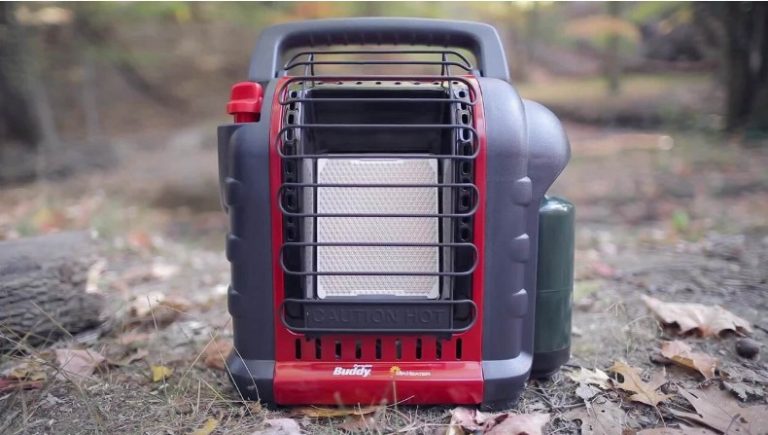
Propane furnaces are the workhorses of RV heating. They are incredibly efficient at generating a lot of heat quickly, making them ideal for colder climates or when you need to warm up the RV fast. They run off the RV’s onboard propane tanks, which also fuel your stove and other appliances. This means you have a readily available fuel source as long as you keep your propane tanks filled.
Here’s a look at how they work and what makes them a popular choice:
- Fuel Source: Utilizes propane, a readily available fuel found at most RV parks and service stations.
- Heat Output: Excellent for quickly heating the entire RV.
- Independence: Operates independently of shore power, making them perfect for off-grid camping.
- Thermostat Control: Most RV furnaces have a thermostat, allowing you to set your desired temperature.
- Air Distribution: Heat is typically distributed through vents located throughout the RV.
Important Note: Propane furnaces require proper ventilation to safely exhaust combustion byproducts. Modern RVs are designed with this in mind, but it’s crucial to ensure your RV’s vents are never blocked. You should also have a carbon monoxide detector installed and tested regularly. For more on RV safety, the RV Industry Association (RVIA) offers excellent resources on RV safety features and best practices.
Electric Heaters: The Supplemental Friend
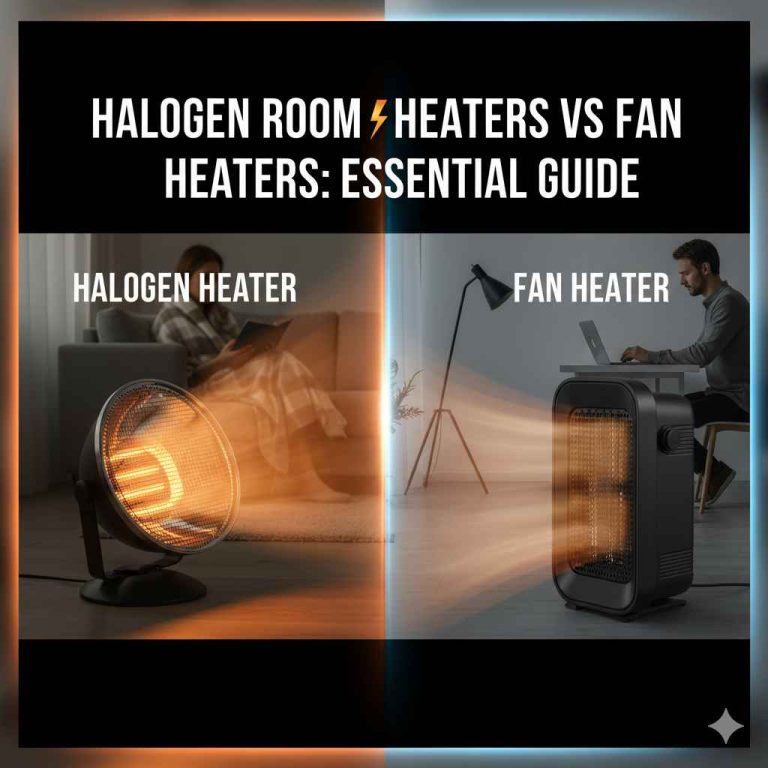
Electric heaters are often used as a supplemental heat source or for milder climates. They can run off shore power (when plugged into a campground’s electrical hookup) or, in some cases, a powerful generator. Electric heaters are known for being quiet and easy to use, but their heating capacity is generally less than a propane furnace, and they can draw a significant amount of electrical current.
Key features of electric heaters:
- Power Source: Primarily uses electricity, either from shore power, a generator, or the RV battery (though battery-powered ones are less common for primary heating).
- Efficiency: Can be very energy-efficient for their heat output, but high-wattage units can strain electrical systems.
- Quiet Operation: Generally much quieter than propane furnaces.
- Simplicity: Usually plug-and-play or simple to turn on.
- Safety: Modern electric heaters often have safety features like tip-over protection and overheating shut-off.
Types of Electric Heaters Found in RVs:
- Ceramic Heaters: Popular for their quick heating and portability.
- Infrared Heaters: These heat objects directly rather than the air, providing a more localized warmth. Some RVs might have built-in infrared heating elements.
- Direct Electric Heating Strips (sometimes integrated): Some RV air conditioning units have an electric heating element that can provide basic warmth.
Combination and Alternative Heating Options
Some Class C RVs come with systems designed to leverage both propane and electric heat. For instance, a heat pump within the RV’s air conditioning system can provide gentle heat when temperatures are moderate (typically above 40°F or 5°C). When it gets colder, the propane furnace takes over. This approach can save propane by using electricity when it’s most efficient.
Other advanced systems might include:
- Diesel Heaters: These run off the RV’s diesel fuel tank and are becoming more popular due to their efficiency and ability to provide consistent heat. They are often quieter than propane furnaces and don’t consume as much power as electric heaters.
- Propane Direct-Vent Heaters: These are often more energy-efficient than traditional furnaces and vent directly outside through a small hole in the RV wall, reducing the need for a large exhaust vent.
Factors to Consider When Choosing a Class C RV With a Heater
When you’re looking at different Class C models, your heating needs should be a top priority. Think about where and when you plan to travel most. This will help you decide which type of heater best suits your lifestyle.
Your Travel Habits and Climate
Cold Weather Camping: If you envision yourself camping in snow or during chilly shoulder seasons (spring and fall), a powerful propane furnace is likely your best bet. These systems are built for robust heating. Consider RVs that have furnaces with higher BTU (British Thermal Unit) ratings, as this indicates more heating power. For example, a propane furnace is indispensable if you plan to camp in states like Colorado or during winter months, where temperatures can plummet well below freezing.
Mild Climate or Seasonal Use: If you primarily travel in warmer weather and only occasionally encounter cooler evenings, an RV with a good electric heating option (like a heat pump or a reliable portable electric heater) might suffice. This can offer a more energy-efficient and quieter experience when you don’t need intense heat.
Four-Season Camping: For true four-season enthusiasts, look for RVs specifically advertised as “four-season” or “extended season” models. These usually come with enhanced insulation, heated underbellies (protecting your tanks from freezing), and robust heating systems, often a combination of propane furnaces and electric assist options.
Fuel Availability at Your Destinations
Propane is widely available at most RV parks and campgrounds. However, if you plan on extensive boondocking (dry camping without hookups) in remote areas, keeping your propane tanks full will be essential for consistent heat. Electric heat relies solely on having access to electricity, whether through shore power or a generator, which might limit your options in very remote locations.
Energy Efficiency and Cost
Propane is generally very cost-effective for providing high heat output. Electric heat, while potentially efficient on a per-watt basis, can become expensive if you run high-draw heaters continuously, especially if you’re paying for electricity at a campground that charges by usage or if you’re running a noisy generator. Heat pumps are often the most energy-efficient for moderate temperatures as they move heat rather than generate it, using less power than electric resistance heaters.
Noise Levels
Propane furnaces can sometimes be a bit noisy due to the fan that blows the heated air through the RV. While modern units are much quieter than older ones, it’s something to notice if you are particularly sensitive to noise. Electric heaters, especially ceramic or infrared types, are generally very quiet, providing a more peaceful ambiance.
Safety Features
When looking at any RV heater, always prioritize safety. Look for features like:
- Automatic Shut-off: For tip-overs or overheating.
- Carbon Monoxide Sensors: Essential for all RVs, but especially those with propane appliances. A properly functioning exhaust system for propane furnaces is vital.
- Sealed Combustion: Many modern propane furnaces use sealed combustion, drawing air from outside and venting exhaust directly outside, which is safer.
Essential Features of a Comfortable Class C RV Heater
Beyond the type of heater, a few key features can make a big difference in your comfort and the overall experience.
Thermostat Control and Zoning
A reliable thermostat is your best friend. It allows you to set your desired temperature and lets the heater cycle on and off automatically to maintain it. This prevents overheating and saves fuel. Some larger Class C RVs might even offer dual-zone heating, allowing you to control the temperature in different areas of the RV independently—a fantastic luxury for varied comfort preferences!
Ventilation and Air Quality
As mentioned, proper ventilation is critical for propane furnaces. They need a constant supply of fresh air for combustion and a way to expel exhaust gases. This is why you’ll see small exhaust ports on the outside of RVs from propane furnaces. Never block these vents! For electric heaters, good circulation is still important to distribute heat evenly. Consider adding a small, low-power ceiling fan to help move warm air throughout the RV in cooler months.
Heated Underbelly and Tanks
For true winter warriors, a heated underbelly is a game-changer. This feature typically involves a layer of insulation and small heating elements or ducts that run through the storage compartments beneath the RV floor. This protects your fresh water tanks, grey and black water tanks, and plumbing lines from freezing, allowing you to use your RV comfortably in much colder temperatures without worrying about frozen pipes.
Insulation and Draft Management
The effectiveness of any heater is directly tied to how well the RV is insulated and sealed. Even the most powerful heater will struggle in a poorly insulated RV. When inspecting Class C RVs, pay attention to the quality of insulation. Also, look for opportunities to seal up small drafts around windows and doors. You can often add extra insulation around critical water lines or tanks if you plan on venturing into very cold conditions.
Maintaining Your Class C RV Heater for Longevity and Safety
Just like the heater in your home, your RV’s heater needs regular attention to work reliably and safely. A little preventive care goes a long way!
Annual Inspections for Propane Furnaces
It’s highly recommended to have your RV’s propane furnace inspected annually by a qualified RV technician. They will check:
- The burner assembly for cleanliness and proper operation.
- The heat exchanger for cracks or damage, which could allow exhaust fumes into the living space.
- The gas lines and connections for leaks.
- The fan and motor for proper function.
- The thermostat and safety cut-offs.
This proactive approach ensures the furnace is operating safely and efficiently, preventing potential breakdowns during a trip.
Keeping Vents Clear
Regularly check all exterior vents, especially those related to your furnace and water heater. Ensure they aren’t blocked by debris, snow, ice, or insects. Clear any obstructions immediately. A blocked vent can lead to poor performance or, more critically, a safety hazard with propane appliances.
Filter Maintenance
Your RV furnace likely has an air filter to keep dust and debris out of the system. Check your RV’s manual for the filter type and location. Depending on the material (some are washable, some disposable), clean or replace the filter as recommended, typically every few months or at least once a year. A clean filter improves airflow, heating efficiency, and indoor air quality. You can find RV furnace filters at most RV supply stores or online retailers.
Testing Electric Heaters Before Use
Before relying on an electric heater, especially a portable one, give it a quick once-over for any visible damage. Plug it into an outlet (preferably a grounded one) and test it. Listen for any unusual noises and ensure it’s heating properly. Never use a damaged electric heater.
Propane Tank Safety
Ensure your propane tanks are in good condition, not expired, and properly secured. When filling them, use reputable stations. If you ever smell rotten eggs (the odorant added to propane), turn off the propane supply, ventilate the area, and have the system inspected by a professional immediately. For more on propane safety, the National Fire Protection Association (NFPA) provides crucial guidelines for handling propane safely within your home and RV.
Common Issues and How to Deal With Them
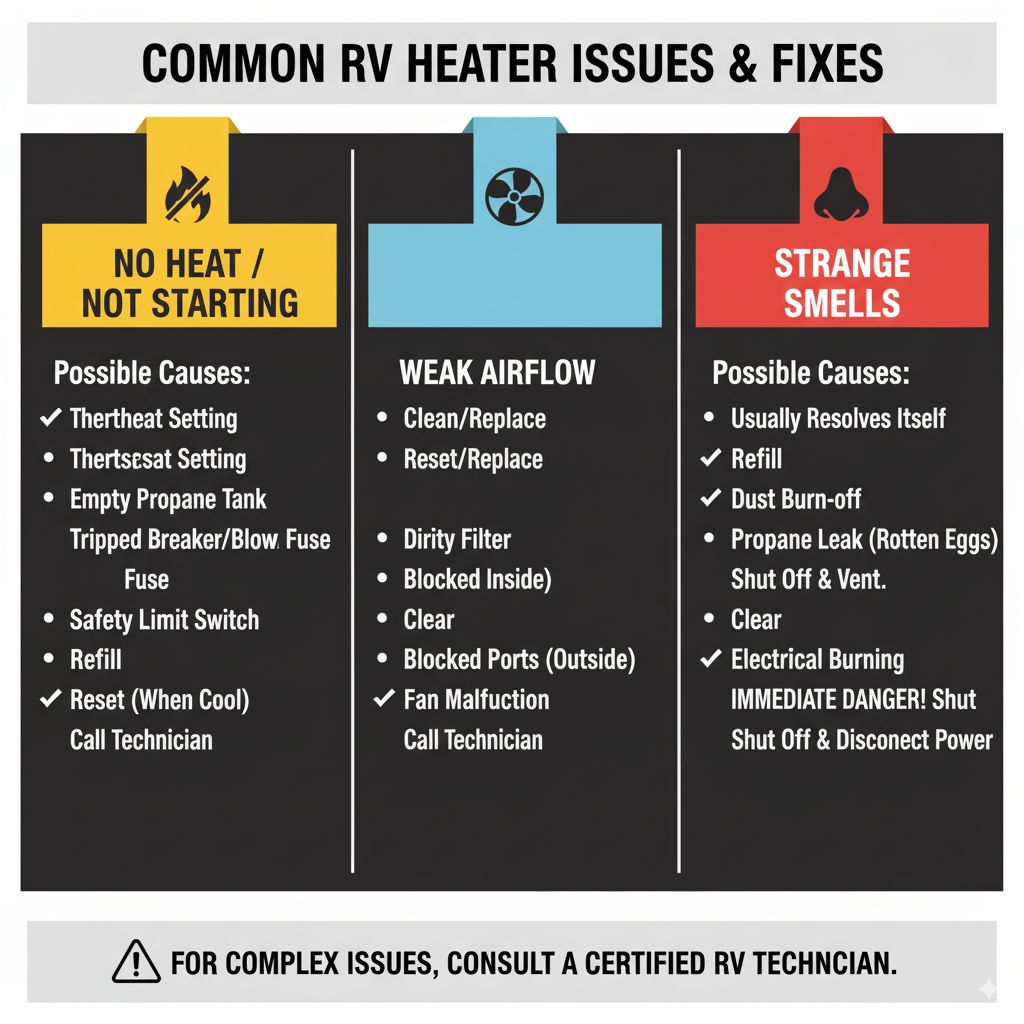
Even with good maintenance, you might encounter a hiccup. Here are a few common problems and simple fixes:
Issue: No Heat / Furnace Not Turning On
Possible Causes & Fixes:
- Check Thermostat: Ensure it’s set to ‘Heat’ and the temperature is above the current room temperature. Test different settings.
- Check Propane: Are your propane tanks full? Is the valve open? Sometimes propane tanks can freeze up in very cold weather; try swapping to a tank that hasn’t been in use or gently warming it with water (never a flame!).
- Check RV Breaker/Fuse: The furnace needs electricity to run its fan and ignition. Check your RV’s electrical panel for a tripped breaker or blown fuse.
- Limit Switch: Many furnaces have a safety limit switch that may trip if the unit overheats. Sometimes, this can be reset after the unit cools. Consult your RV manual.
- Ignition Problems (Propane): If you hear the furnace trying to start the ignition but it fails, it could be a dirty igniter or a propane flow issue. This might require a technician.
Issue: Weak Airflow or Drafty Heat
Possible Causes & Fixes:
- Dirty Filter: This is the most common culprit. Clean or replace your furnace filter.
- Blocked Vents: Make sure registers inside the RV aren’t blocked by furniture or curtains.
- Obstructions Outside: Check the furnace’s exterior intake and exhaust ports for blockages.
- Fan Issue: The furnace fan might be obstructed or failing. This often requires professional attention.
Issue: Strange Smells
Possible Causes & Fixes:
- Dust Burn-off: When you first turn on the furnace after it’s been off for a while, a burning smell is often just dust burning off the heating elements or heat exchanger. This usually dissipates quickly.
- Propane Leak: If you smell rotten eggs at any point, this is a critical safety issue. Turn off all propane appliances, open windows and doors, and call a qualified RV service center immediately. Never ignore a potential propane smell.
- Electrical Burning Smell: If you smell burning plastic or wiring, immediately turn off the appliance and the breaker for that circuit. This could indicate an electrical short and is a fire hazard.
For complex issues, always err on the side of caution and contact a certified RV technician. They have the tools and expertise to diagnose and repair heating systems safely.
Choosing Your Ideal Class C RV for All Seasons
A Class C RV with a reliable heating system offers a fantastic way to enjoy adventures year-round. Whether you prefer the powerful warmth of propane, the quiet convenience of electric, or a smart combination system, there’s an option out there to keep you comfortable.
When you’re shopping for your next Class C, remember to:
- Ask about the heating system: What type is it? What’s the BTU output?
- Inquire about insulation and underbelly heating, especially if winter camping is in your plans.
- Consider your typical travel destinations and climate.
- Don’t forget to budget for propane costs and potentially generator fuel.
By prioritizing heating and understanding the options available, you’re investing in comfort, extending your RVing season, and opening up a world of new travel possibilities. Happy trails and stay warm!
Frequently Asked Questions About Class C RV Heaters
Q1: What is the most common type of heater in a Class C RV?
The most common type of heater found in Class C RVs is a dedicated propane furnace. These are robust, efficient at producing a lot of heat, and run off the RV’s onboard propane tanks, making them ideal for off-grid use.