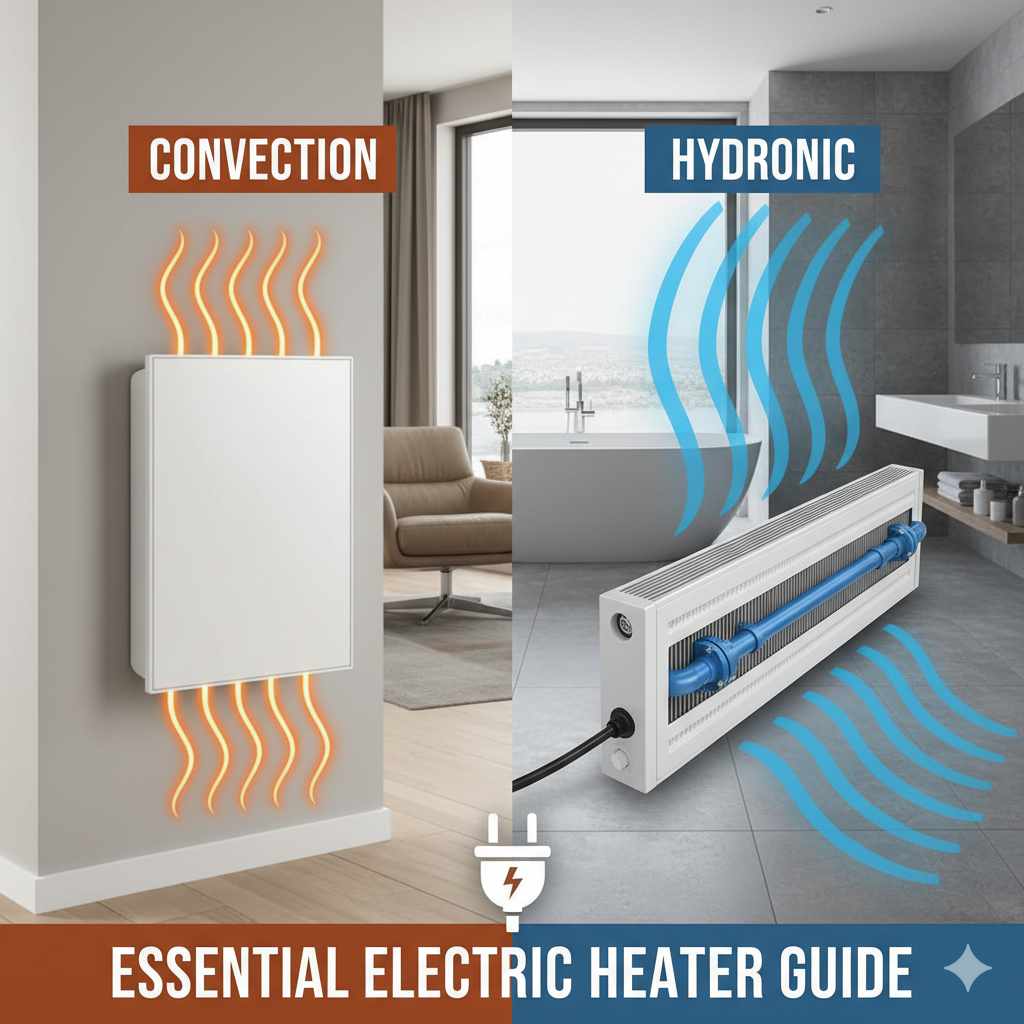
Convection vs. Hydronic Electric Heaters: Choose the Comfiest Heat for Your Home!
Choosing the right electric heater can feel like a puzzle, but don’t let it worry you! This guide will break down convection and hydronic heaters simply. You’ll learn how they work, their pros and cons, and which one is best for your cozy space. Get ready to make an informed choice and enjoy a warmer home!
Hello from Tanim! Your Heating Helper
Hi there! I’m Tanim, and I love making home heating simple and stress-free for everyone. Whether you’re a seasoned homeowner or new to managing your space’s warmth, I’m here to guide you. We’ll explore the different ways electric heaters keep you toasty, focusing on two popular types: convection and hydronic. My goal is to give you clear, easy-to-follow advice so you can make the best heating decisions for your comfort, safety, and budget. Let’s dive in and find the perfect heater for your home!
Understanding Electric Heater Basics
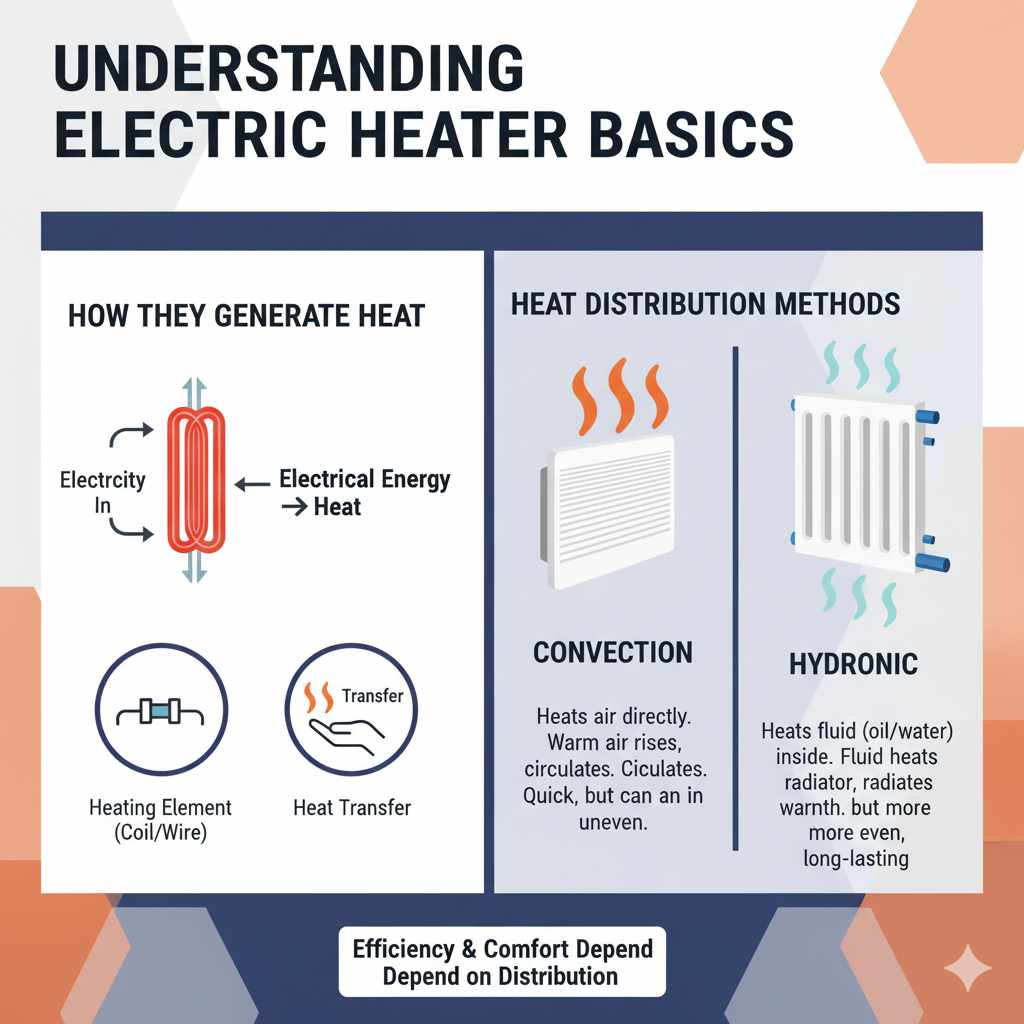
Electric heaters are a popular choice for supplemental or primary heating in many homes. They work by converting electrical energy into heat. This process is generally straightforward, but the way they distribute that heat within a room differs significantly. These differences impact how quickly a room heats up, how evenly the heat is spread, and how energy efficient they are. Knowing these distinctions is key to picking the best option for your specific needs.
How Electric Heaters Generate Heat
At their core, electric heaters use a heating element, often a coil or wire, that heats up when electricity passes through it. This warmed element then transfers heat to the surrounding air or through a fluid. Different heater types use different methods to move this warmed air or fluid around your room, leading to varied heating experiences. The efficiency and sensation of warmth depend heavily on these heat distribution methods.
Convection Heaters: The Air Movers
Convection heaters are like silent air circulators. They work by heating the air directly and then using natural air movement to spread that warmth throughout a room. If you’ve ever felt a draft of warm air rising, for instance, that’s convection in action. They are a common and straightforward heating solution for many homes.
How Convection Heaters Work
The process is quite simple. A heating element inside the convection heater warms up. As the air around the element gets hot, it becomes less dense and rises. Cooler, denser air from elsewhere in the room is drawn into the heater to be warmed, creating a continuous cycle. This natural up-and-down movement of air distributes heat throughout the space.
- Heating Element: An electric coil gets hot.
- Air Intake: Cooler air is drawn into the heater.
- Heating and Rising: Air is heated by the element and rises.
- Circulation: This rising warm air displaces cooler air, pushing it down and towards the heater, continuing the cycle.
Types of Convection Heaters
Convection heating comes in various forms, each with its own features and benefits:
- Portable Convection Heaters: These are often lightweight units with fans to speed up air circulation. They are great for heating specific rooms quickly and can be moved around as needed.
- Baseboard Convection Heaters: Installed permanently along the base of walls, these units use natural convection. Air enters through vents, is heated, and rises along the wall to warm the room. They provide steady warmth but can take longer to heat a space compared to fan-assisted models.
- Panel Heaters: Similar to baseboard heaters, these flat panels are often mounted on walls and rely on natural convection. Some come with timers or thermostats for better control.
Pros and Cons of Convection Heaters
Like any heating system, convection heaters have their advantages and disadvantages. Understanding these will help you decide if they are the right fit:
Pros:
- Quick Heating: Especially fan-assisted portable models can heat a room relatively quickly.
- Even Heat Distribution: Over time, they tend to distribute heat fairly evenly throughout a room.
- Portability: Many models are lightweight and easy to move, offering flexible heating.
- Affordable Initial Cost: Portable convection heaters are often among the most budget-friendly options upfront.
- Safe to Touch: Many modern designs have cool-touch exteriors, reducing burn risks.
Cons:
- Can be Noisy: Fan-assisted models can produce fan noise, which might be disruptive.
- Dries Out Air: The rapid heating and circulation can sometimes lead to drier indoor air.
- Dust Circulation: Fans can stir up dust, which might be an issue for those with allergies.
- Hot Spots and Cool Spots: Without good circulation, certain areas might feel warmer or cooler than others, especially in larger rooms.
Hydronic Heaters: The Gentle Heat Providers
Hydronic heaters, particularly electric hydronic baseboard heaters, offer a different approach to warmth. Instead of directly heating air, they heat a fluid (usually a special oil or water) that then circulates within the unit to provide heat. This method results in a gentler, more consistent warmth that many people find very comfortable.
How Hydronic Heaters Work
Hydronic heaters contain sealed internal chambers filled with a heat-conductive fluid. When electricity powers the unit, a heating element warms this fluid. The heated fluid then rises and circulates within the heater’s fins or elements. As the fluid moves, it releases its stored heat to the surrounding air through radiation and silent convection, warming the room gradually and steadily.
- Heating Element: Warms the internal liquid.
- Fluid Circulation: The heated liquid moves through the heater’s system within the sealed unit.
- Heat Release: The fluid transfers its heat to the heater’s fins, which then warm the air through radiation and natural convection.
- Steady Warmth: The process releases heat slowly and evenly, maintaining a consistent temperature.
Common Types of Hydronic Heaters
When people talk about hydronic electric heaters, electric baseboard models are the most common:
- Electric Hydronic Baseboard Heaters: These are designed to be installed along the base of walls, similar to their non-hydronic counterparts. They provide a pervasive, gentle heat that radiates through the room.
- Some Portable Oil-Filled Radiators: While not always strictly called “hydronic,” many portable oil-filled radiators function on a similar principle, heating a fluid (oil) to achieve a radiant and convective heat output.
Pros and Cons of Hydronic Heaters
Hydronic heaters are appreciated for their comforting warmth. Here’s a look at their strengths and weaknesses:
Pros:
- Gentle, Consistent Heat: They provide a very consistent, even warmth that is often described as more natural and less drying.
- Silent Operation: Unlike fan-assisted convection heaters, hydronic units operate silently, making them ideal for bedrooms and quiet living spaces.
- Less Air Circulation: Because they don’t rely on fans, they stir up less dust, which can be beneficial for allergy sufferers.
- Radiant Heat Component: They offer a degree of radiant heat, which can make you feel warmer even if the air temperature is slightly lower.
- Safety: Many models have thermally protected elements to prevent overheating.
Cons:
- Slower to Heat Up: It takes longer for the fluid to heat and begin distributing substantial warmth, so they aren’t ideal for quick, on-demand heating.
- Higher Initial Cost: Hydronic baseboard heaters can be more expensive to purchase and install than many portable convection heaters.
- Fixed Installation: Baseboard models are permanently installed, offering no flexibility in placement.
- Potential for Leaks (Rare): While rare in modern units, any system involving fluids carries a minimal risk of leaks over many years of use.
- Less Effective in Very Large or Drafty Spaces: Their gentle output can be overwhelmed by inefficiently insulated or very large rooms without sufficient units.
Convection Vs. Hydronic: A Side-by-Side Comparison
Choosing between convection and hydronic heaters comes down to what you prioritize: speed of heating, type of warmth, noise levels, and installation flexibility. Here’s a table to help you visualize the differences:
| Feature | Convection Heater | Hydronic Heater |
|---|---|---|
| Primary Heating Method | Heats air directly and circulates it (improves temperature faster). | Heats a fluid, which then releases gentle, steady heat. |
| Speed of Heating | Faster, especially fan-assisted models. | Slower; takes time for fluid to heat up. |
| Type of Warmth | Warmer air circulation. Can sometimes feel drier. | Gentle, consistent, more radiant warmth. Feels “softer.” |
| Noise Level | Can be noisy if it has a fan. | Silent operation. |
| Air Quality Impact | Can circulate dust and allergens with fans. Can dry out air. | Circulates less dust; less drying effect on air. |
| Installation | Many portable options; some permanent baseboard/wall models. | Primarily permanent baseboard models; some portable radiators. |
| Best For | Quickly heating rooms, supplemental heat, flexible placement. | Consistent, quiet, comfortable warmth; bedrooms, living areas. |
| Typical Initial Cost | Generally lower, especially for portable units. | Generally higher, especially for installed baseboard units. |
Factors to Consider When Choosing
When you’re ready to pick your perfect heater, think about these key points. They’ll guide you towards the best choice for your home and lifestyle:
Room Size and Heating Needs
Is it a small bathroom that needs quick bursts of heat, or a large living room that you want to keep consistently warm? For quick, targeted heat in smaller spaces, a convection heater might be faster. For larger rooms where sustained comfort is key, a hydronic heater might provide a more pleasant experience.
Desired Comfort Level
Do you prefer the feeling of warm air circulating, or a more subtle, consistent warmth that feels like it’s radiating? If you find dry air or drafts uncomfortable, hydronic might be your winner. If you just need to take the chill off quickly, convection does the job efficiently.
Noise Tolerance
Are you sensitive to noise? If the hum of a fan would bother you, especially in a bedroom or home office, a silent hydronic heater is the clear choice. Convection heaters with fans can range from quiet to noticeably loud.
Installation and Flexibility
Do you need to move the heater from room to room, or are you looking for a permanent, unobtrusive heating solution? Portable convection heaters offer great flexibility. For a ‘set it and forget it’ approach, permanent hydronic or convection baseboard heaters are excellent.
Budget
Consider both the upfront purchase price and the ongoing energy costs. Portable convection heaters are usually cheaper to buy. Permanent hydronic baseboard heaters can be a larger initial investment but may offer long-term comfort advantages.
Allergies and Air Quality
If dust or dry air is a concern, hydronic heaters are often preferred because they don’t involve fans that circulate dust and tend to be less drying. Always keep your existing heating system clean and consider an air purifier if air quality is a major concern. For more information on maintaining clean indoor air, the U.S. Environmental Protection Agency (EPA) offers excellent resources.
Installation and Safety Tips
No matter which type of heater you choose, proper installation and safe usage are crucial. I can’t stress this enough for your peace of mind and your home’s safety!
General Safety Guidelines for Electric Heaters
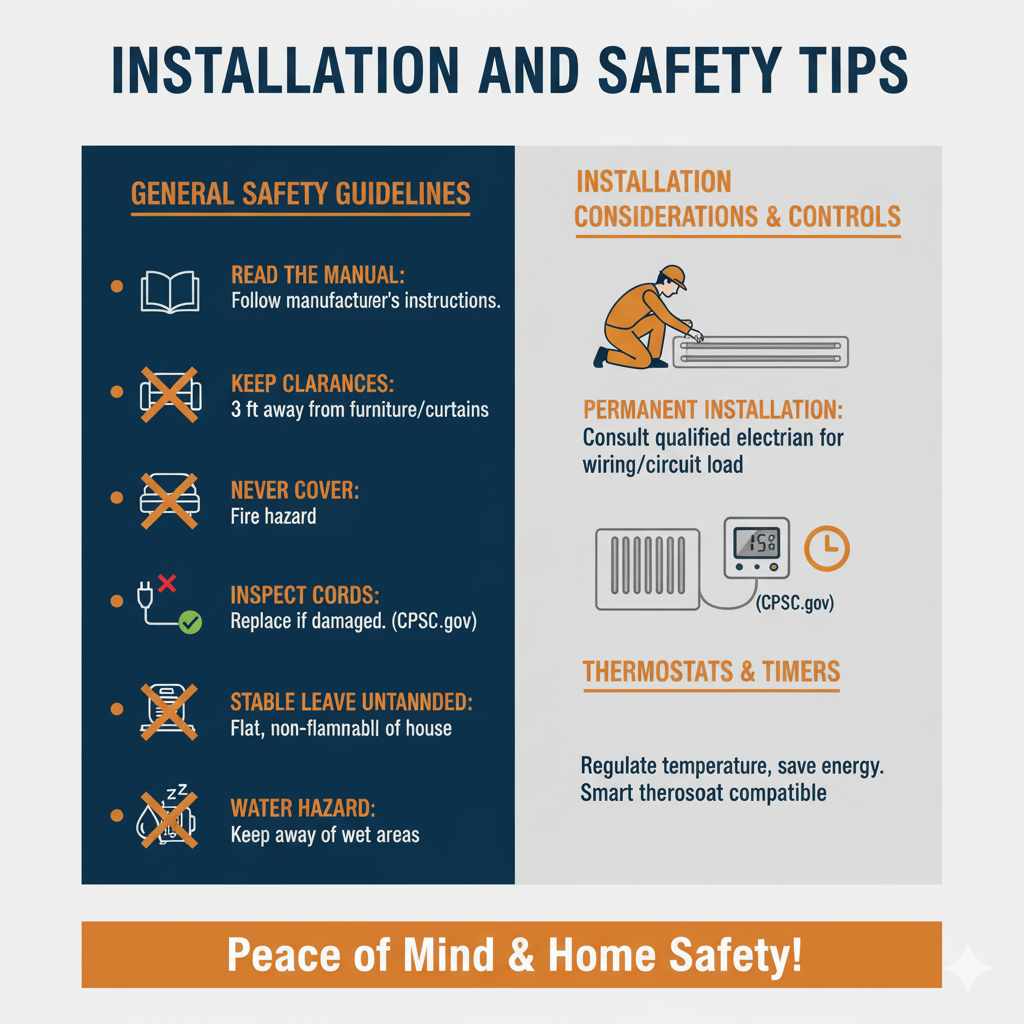
- Read the Manual: Always follow the manufacturer’s specific instructions for your model.
- Keep Clearances: Ensure heaters have adequate space around them. Place them away from furniture, curtains, and any flammable materials. A good rule of thumb is to keep at least 3 feet clear.
- Never Cover: Do not place clothes, blankets, or other items on or over a heater, as this is a major fire hazard.
- Inspect Cords: Check power cords for any damage before use. Frayed or damaged cords should be replaced immediately by a qualified technician. Visit the Consumer Product Safety Commission (CPSC) for more tips on electric heater safety.
- Use on a Stable Surface: Ensure portable heaters are placed on a flat, stable, and non-flammable surface.
- Never Leave Unattended: While many modern heaters have safety features, it remains good practice not to leave any portable heater running when you are asleep or out of the house.
- Water Hazard: Keep all electric heaters away from bathrooms and other wet areas unless they are specifically designed for such use.
Installation Considerations
For permanent installations like baseboard heaters (both convection and hydronic), it’s often best to consult a qualified electrician. They can ensure the unit is wired correctly and safely into your home’s electrical system, and that the circuit can handle the load. Incorrect installation can lead to electrical issues or safety hazards.
Thermostats and Timers
Most modern electric heaters come with built-in thermostats to regulate room temperature and prevent overheating. Some also offer timers for added convenience and energy savings. These features are excellent for maintaining comfort while ensuring efficient energy use. For advanced home climate control, you might also want to explore smart thermostats, which can be paired with some electric heating systems.
Energy Efficiency and Cost
When it comes to electric heating, energy efficiency is a big topic. Understanding how these heaters use electricity can help you manage your bills.
Electric Heating and Energy Use
All electric resistance heaters work at nearly 100% efficiency in converting electricity into heat. This means that every watt of electricity consumed is turned into a watt of heat. However, this doesn’t mean they are the most cost-effective way to heat a whole house, as electricity can be more expensive per unit of heat compared to natural gas in many regions.
Making the Most of Your Heater
- Use Thermostats Wisely: Set your thermostat to a comfortable but not excessively high temperature. Lowering it by just a few degrees when you’re away or asleep can save significant energy.
- Targeted Heating: Use heaters only in the rooms you are actively using. Instead of heating the entire house, focus on warming your immediate living space.
- Insulation is Key: The better insulated your home is, the less heat will escape, meaning your heater won’t have to work as hard. Consider adding insulation to your attic or walls if you haven’t already. Check out resources on home insulation from the U.S. Department of Energy.
- Seal Drafts: Prevent warm air from escaping and cold air from entering by sealing cracks and gaps around windows and doors.
- Choose the Right Size: Ensure the heater you choose is appropriately sized for the space. An undersized heater will run constantly without adequately heating the room, while an oversized one might cycle on and off too frequently or overheat the space.
Frequently Asked Questions (FAQ)
Here are some common questions beginners have about convection and hydronic heaters:
Q1: Which type of electric heater is more energy-efficient?
Both electric resistance convection and hydronic heaters convert electricity to heat at nearly 100% efficiency. The difference in cost comes from how effectively they heat the space and maintain temperature. Hydronic heaters can feel more comfortable at lower temperatures and maintain heat for longer after shutting off, potentially leading to savings. Convection heaters, especially those with fans, can heat a space faster, which might be more efficient if you only need heat for short periods.
Q2: Can I use a hydronic heater in a bathroom?
Generally, you should avoid using any electric heater in a bathroom unless it is specifically designed for damp environments (e.g., has a high IP rating or wet-area certification) and installed by a qualified professional. Standard hydronic baseboard heaters are not designed to be exposed to moisture.