Dimplex vs Cadet Baseboard Heaters: Essential Comparison
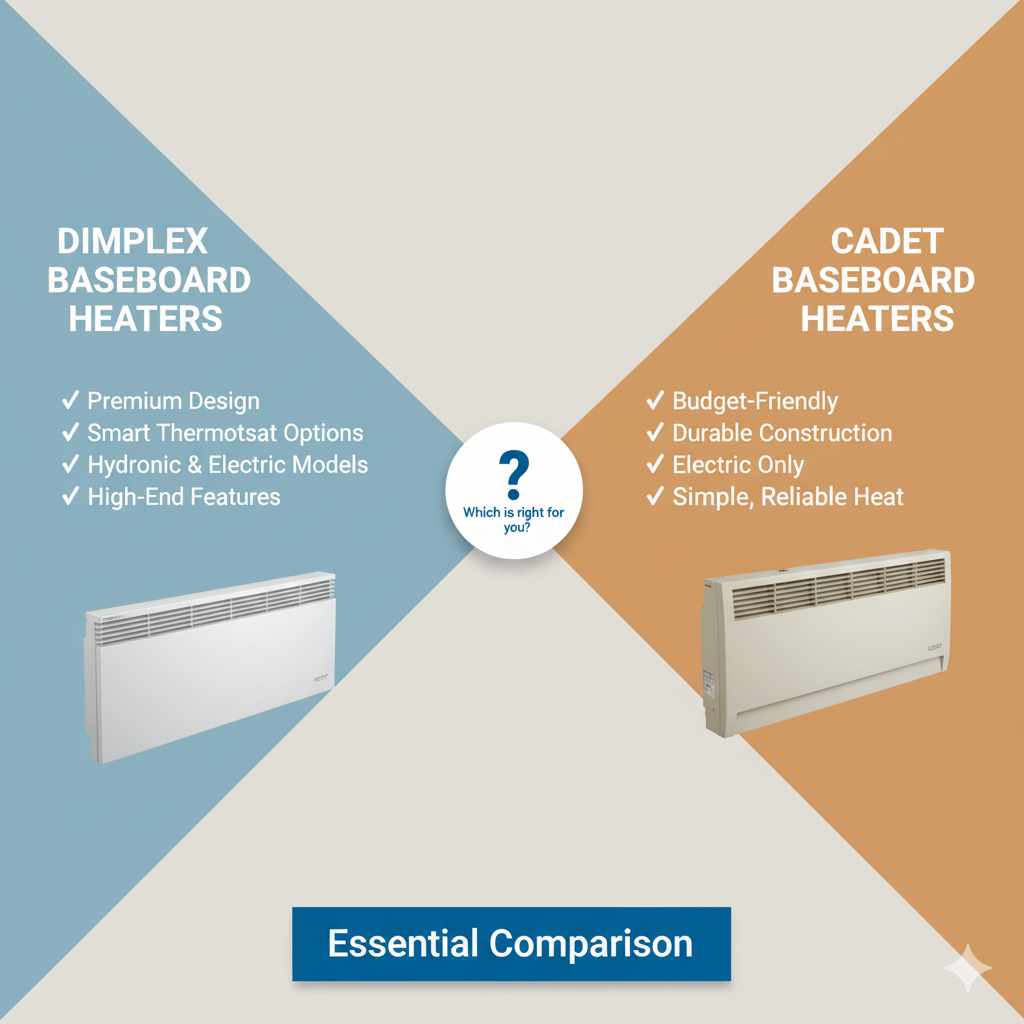
Choosing between Dimplex and Cadet baseboard heaters depends on your priorities. Dimplex often leads in advanced features and quiet operation, while Cadet is known for its robust build, affordability, and straightforward design. Both offer reliable zone heating, but understanding their nuances will ensure you select the best fit for your home’s comfort and budget.
Keeping your home warm and cozy doesn’t have to be complicated. If you’re looking at baseboard heaters, you’ve probably seen two popular names: Dimplex and Cadet. It’s natural to wonder which one is the better choice for your needs. They both do a great job of heating your rooms, but they have a few differences that might make one perfect for you and not the other. Don’t worry, I’m here to help you sort it all out. We’ll go through everything you need to know, simply and clearly, so you can pick the right heater and feel confident about your choice.
Let’s dive in and explore what makes Dimplex and Cadet baseboard heaters unique!
Understanding Baseboard Heaters: Your Warm Welcome
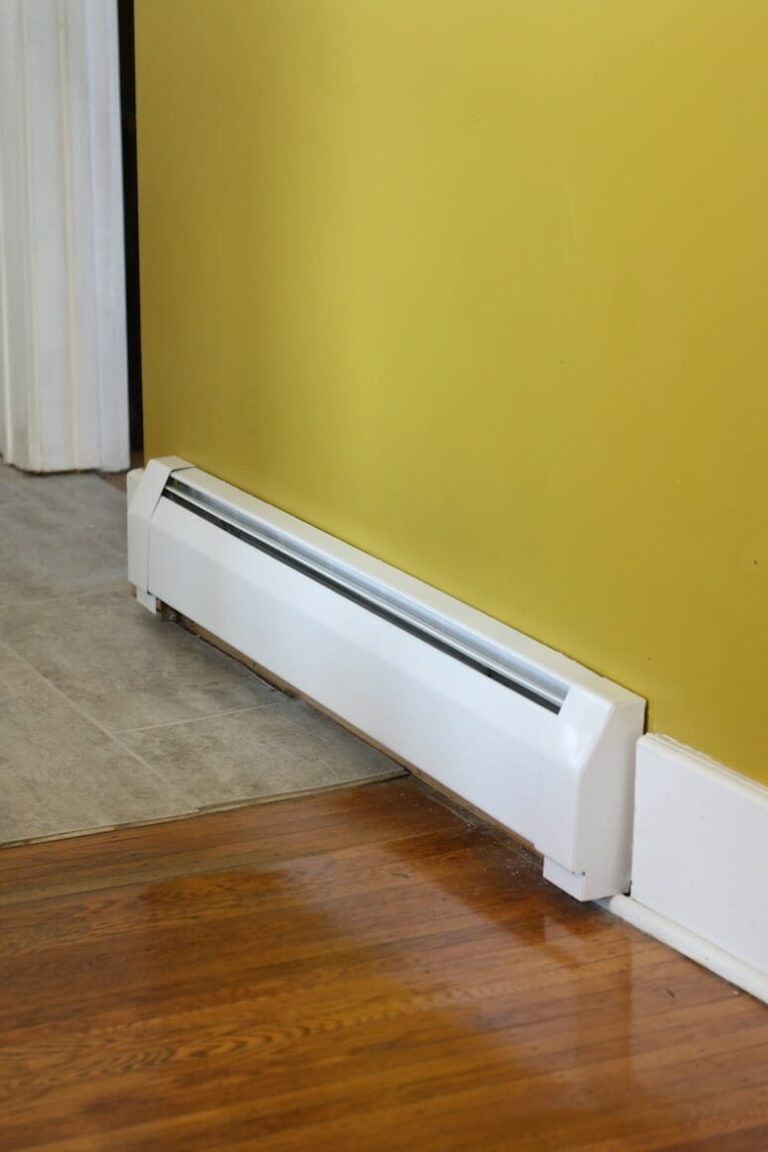
Baseboard heaters are popular for a reason! They’re electric heaters that sit along your walls, usually beneath windows. They work by heating the air that rises around them, creating a gentle convection current that warms the whole room. This makes them fantastic for providing consistent, comfortable heat without the noise or drafts you might get from other heating systems. They’re also brilliant for zone heating, meaning you can heat just the rooms you’re using, which can save you money on energy bills. Plus, they’re generally easy to install and very safe to use, especially for families with children or pets.
Dimplex Baseboard Heaters: Innovation and Comfort
Dimplex is a brand that’s often associated with thoughtful design and advanced features. They focus on creating heaters that not only perform well but also blend seamlessly into your home decor. When you look at Dimplex, you’re often looking at models designed for quiet operation and precise temperature control. They offer a range of styles, from traditional to more modern, sleek designs.
Key Features of Dimplex Baseboard Heaters
- Quiet Operation: Many Dimplex models are engineered for whisper-quiet performance, ensuring your comfort isn’t disturbed by noisy heating elements.
- Precise Temperature Control: They often come with advanced thermostats that allow for very accurate temperature settings, helping to maintain a constant, comfortable environment.
- Energy Efficiency Options: Dimplex offers models with features designed to optimize energy use, potentially lowering your electricity bills. Look for options with built-in electronic thermostats or those compatible with smart home systems.
- Sleek Designs: Dimplex heaters are designed to be aesthetically pleasing, with clean lines and finishes that can complement various interior styles.
- Safety Features: Like all reputable heaters, Dimplex models include safety mechanisms such as automatic shut-off if they overheat.
Pros and Cons of Dimplex
Let’s break down the good and the not-so-good:
Pros:
- Excellent for quiet living spaces.
- Precise temperature control leads to consistent comfort.
- Often feature more modern and attractive designs.
- Potential for higher energy efficiency with advanced models.
- Good range of sizes and wattages for different room needs.
Cons:
- Tend to be more expensive upfront compared to some other brands.
- Some advanced features might require professional installation or a slightly steeper learning curve.

Cadet Baseboard Heaters: Reliability and Value
Cadet is a well-established name in home heating, known for producing durable, dependable, and cost-effective heaters. If you’re looking for a no-nonsense, robust heating solution that gets the job done reliably, Cadet is a strong contender. They offer a classic, straightforward design that has stood the test of time. Cadet heaters are often praised for their sturdy construction and straightforward installation and operation, making them a favorite for many homeowners and contractors.
Key Features of Cadet Baseboard Heaters
- Durability and Longevity: Cadet heaters are built to last, with a reputation for robust construction that can withstand years of use.
- Cost-Effective: They generally offer a more budget-friendly price point, making them an accessible option for many households.
- Simple Operation: Installation and operation are typically very straightforward, with easy-to-understand built-in thermostats or simple wall thermostats.
- Variety of Models: Cadet offers a wide range of lengths and wattages to fit various room sizes and heating requirements.
- Safety Standards: They meet all standard safety regulations, including overheat protection. You can learn more about electrical safety standards from the Consumer Product Safety Commission (CPSC).
Pros and Cons of Cadet
Here’s a look at the advantages and disadvantages:
Pros:
- Excellent value for money, often more affordable initially.
- Known for their long-lasting durability and robust build.
- Simple to install and operate, making them beginner-friendly.
- Wide availability and a broad selection of models.
- Reliable and consistent heating performance.
Cons:
- Designs can be more basic and less aesthetically modern compared to some competitors.
- Some models might be noisier than high-end alternatives, especially when cycling on and off.
- Advanced energy-saving features might be less common in their standard offerings.
Dimplex vs Cadet: Head-to-Head Comparison
When you’re trying to decide between Dimplex and Cadet, it helps to see them side-by-side. Both brands offer effective electric baseboard heating, but they cater to slightly different priorities. Think about what’s most important to you: cutting-edge features, quiet operation, or a solid, budget-friendly workhorse?
Here’s a comparison table to help you visualize the differences:
| FeatureDimplex Baseboard HeatersCadet Baseboard Heaters | ||
|---|---|---|
| Price Range | Mid to High | Budget to Mid |
| Design Aesthetics | Modern, Sleek, Various Finishes | Classic, Utilitarian, Standard Finishes |
| Noise Level | Generally Quieter, Engineered for low noise | Can be noticeable, especially during heating cycles |
| Features | Advanced thermostats, energy-saving options, smart home compatibility (on select models) | Reliable, straightforward controls, durable components |
| Installation Difficulty | Usually straightforward, advanced models may benefit from professional help | Very beginner-friendly, simple wiring |
| Durability Reputation | Good | Excellent, known for longevity |
| Ideal For | Those prioritizing quiet, aesthetics, and advanced control; modern homes. | Those prioritizing value, reliability, and ease of use; rental properties, budget-conscious homeowners. |
Choosing the Right Size and Wattage
No matter which brand you choose, selecting the correct size and wattage for your space is crucial for effective and efficient heating. Too small, and it won’t warm the room sufficiently. Too large, and it might overheat the space and waste energy. A general rule of thumb is to use about 10 watts of power per square foot of living space. However, several factors can influence this:
- Climate: Colder regions may need slightly more wattage.
- Insulation: Rooms with poor insulation require more power.
- Ceiling Height: Higher ceilings mean more air to heat.
- Window Size: Large or poorly insulated windows can cause heat loss.
- Room Usage: Rooms that are used more frequently might need to be heated more robustly.
For example, a 10×12 foot room (120 sq ft) would typically require around 1200 watts (120 sq ft * 10 watts/sq ft). You can find helpful online calculators or consult a qualified electrician to determine the exact wattage needed for your specific rooms. For more detailed guidance on calculating heating needs, resources like those from Energy.gov can provide valuable insights.
Installation: A DIY-Friendly Overview
Installing baseboard heaters is often considered a manageable DIY project for homeowners with some basic electrical knowledge. However, if you’re not comfortable working with electrical wiring, it’s always best to hire a qualified electrician to ensure safety and compliance with local codes. Electricity can be dangerous if not handled properly.
Basic Steps for Installation (Always consult your unit’s manual and local codes!)
- Safety First: Turn off the power to the circuit you’ll be working on at your home’s main electrical panel. Double-check that the power is off using a voltage tester.
- Mount the Heater: Position the baseboard heater along the wall, typically beneath a window, and secure it in place according to the manufacturer’s instructions.
- Run Wiring: Connect the heater to the power source. This usually involves running electrical cable from the power source to the heater, feeding it through a junction box.
- Connect Wires: Inside the heater or its junction box, connect the wires from the power source to the heater’s wiring, typically using wire nuts. Match black to black (hot), white to white (neutral), and green or bare copper to the ground screw.
- Install Thermostat (if separate): If you’re using a wall thermostat, wire it according to its instructions, connecting it to the power source and the heater.
- Test the Heater: Once all connections are secure, restore power at the breaker box and test the heater to ensure it’s working correctly.
Always refer to the specific installation manual that comes with your Dimplex or Cadet heater, as well as any local electrical codes. For peace of mind and ensured safety, hiring an electrician is a wise choice.
Usage and Maintenance: Keeping Things Cozy
Once your baseboard heater is installed, using and maintaining it is generally straightforward. Proper usage can maximize comfort and efficiency, while basic maintenance ensures safety and longevity.
Tips for Efficient Usage
- Set it and Forget It: Use the thermostat to set your desired temperature and let the heater do its work. Avoid constantly adjusting it, which can reduce efficiency.
- Zone Heating: Only heat the rooms you are actively using. Turn down or off the thermostats in unoccupied rooms.
- Seal Drafts: Ensure windows and doors are properly sealed to prevent heat from escaping and cold air from entering. This makes your heater work less.
- Use a Programmable Thermostat: For even more efficiency, consider a programmable or smart thermostat. You can schedule temperatures to be lower when you’re asleep or away, automatically raising them before you need the warmth.
Simple Maintenance for Safety and Performance
- Regular Cleaning: Dust and debris can build up inside the heater, reducing its efficiency and potentially creating a fire hazard. About once a year, or more often if you have pets that shed, turn off the power to the heater. Once the power is off and the unit is cool, use a vacuum cleaner with a brush attachment to gently clean the fins and interior. You can also use a damp cloth for the exterior.
- Check Wiring: Periodically (and always with the power off), visually inspect the wiring and connections for any signs of damage or loose connections.
- Test Thermostat: Ensure your thermostat is functioning correctly by testing it through its temperature range.
- Clear Obstructions: Always keep the area around the baseboard heater clear of furniture, curtains, rugs, and other flammable materials. Never block the airflow into or out of the heater. The National Fire Protection Association (NFPA) recommends keeping a clear space of at least three feet around all heating equipment.

Frequently Asked Questions (FAQ)
Q1: Which is better for a bedroom, Dimplex or Cadet?
For a bedroom, especially if you value a quiet environment for sleeping, a Dimplex heater might be preferable due to its often quieter operation. However, if budget is a primary concern and you can tolerate a bit more noise, a Cadet heater is a reliable and effective choice.
Q2: Are baseboard heaters expensive to run?
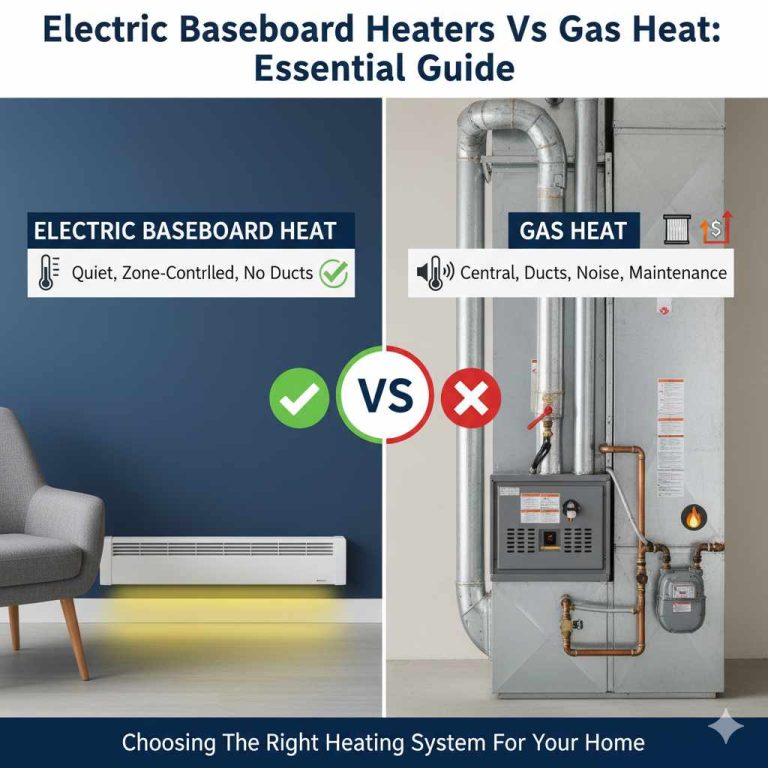
Electric baseboard heaters can be more expensive to run than some other heating systems, like natural gas, because electricity is often a more costly energy source. However, their efficiency in zone heating—only heating the rooms you need—can make them cost-effective for smaller homes, supplemental heating, or for people who are often away from home during the day.
Q3: Can I paint my baseboard heater?
Generally, it’s not recommended to paint standard electric baseboard heaters. The paint can trap heat, leading to inefficient operation, and may even flake off or release fumes when heated. If you’re set on changing the look, check the manufacturer’s guidelines for specific paintable models or consider a decorative cover designed for baseboard heaters.
Q4: How do I know if I need a new baseboard heater?
Signs you might need a new heater include if it’s not heating effectively, if it makes unusual noises, if the thermostat is unreliable, or if there are visible signs of damage or rust. Older models might also be less energy-efficient than newer ones.
Q5: What’s the difference between a built-in thermostat and a wall thermostat?
A built-in thermostat is part of the heater itself, controlling just that unit. A wall thermostat is installed separately on the wall and can control one or multiple baseboard heaters in a zone. Wall thermostats often offer more precise control and can be more convenient for managing multiple heaters, especially programmable or smart versions.
Q6: Is it safe to leave baseboard heaters on all the time?
Yes, it is generally safe to leave modern electric baseboard heaters on all the time as long as they are functioning correctly, properly installed, and not being blocked. They are designed with safety features like overheat protection. However, for energy efficiency and safety, it’s best practice to lower the temperature when rooms are unoccupied or during the night, especially if you have young children or pets that might get too close.
Conclusion: Your Path to Cozy
So, there you have it! Both Dimplex and Cadet offer excellent baseboard heating solutions, each with its own strengths. If you’re looking for quiet, modern designs and perhaps a few more advanced features, Dimplex might be your top choice. For those who prioritize robust build quality, straightforward operation, and excellent value, Cadet consistently delivers reliability.
Remember to consider your room size, insulation, and personal preferences when making your decision. With the right baseboard heater, you can enjoy consistent, comfortable warmth throughout your home all season long. Whichever brand you choose, proper installation, safe usage, and simple maintenance are key to ensuring a cozy, safe, and efficient heating experience. Happy heating!