Convection vs. Hydronic Electric Baseboard Heaters: Essential Guide
Convection vs. Hydronic Electric Baseboard Heaters: Choose the Right One for Your Cozy Home
For a related heater topic, Convection vs. Hydronic Baseboard: Essential Guide gives readers a useful next step.
Choosing between convection and hydronic electric baseboard heaters can seem tricky. Both offer efficient electric heating, but they work differently. This guide breaks down each type, helping you pick the best fit for comfort and savings. Let’s make your home warm and welcoming!
Feeling chilly? Trying to decide on the best way to heat your home can be a puzzle. You’ve seen electric baseboard heaters, those long, slim units along your walls. But did you know there are a couple of main types? Convection and hydronic electric baseboard heaters both use electricity to warm your space, but they do it in distinct ways. It’s easy to feel a bit lost in the choices, but don’t worry! I’m here to help you understand exactly how each one works, their pros and cons, and how to choose the perfect heater for your needs. We’ll cover everything in simple terms, so you can feel confident about making your home a warm sanctuary.
First, let’s get a clear picture of these two popular electric heating options. Understanding their core differences is the first step to making a smart choice for your comfort and your wallet.
Understanding How Electric Baseboard Heaters Work
Electric baseboard heaters are a common choice for supplemental or whole-home heating. They are installed along the base of your walls and plug into your home’s electrical system. When electricity flows through them, they generate heat. The main difference between convection and hydronic models lies in how they distribute that heat into your room.
Convection Electric Baseboard Heaters
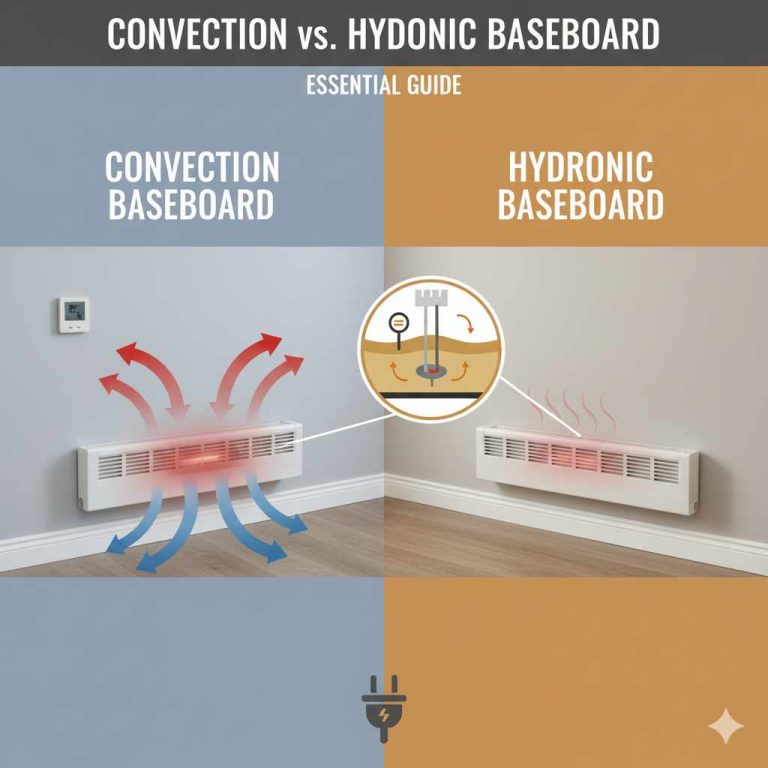
Convection heaters are the more traditional and often simpler type of electric baseboard heater. They rely on a straightforward process to warm a room.
Here’s how they work:
- Heating Element: Inside the unit is an electric resistance element, usually a metal rod or coil.
- Air Intake: Cooler room air is drawn into the bottom of the heater.
- Heating the Air: As the air passes over the hot element, it warms up.
- Air Output: The warmed air rises and exits from the top of the heater.
- Circulation: This rising warm air creates a natural circulation pattern in the room, pushing cooler air down, which then gets drawn back into the heater. This is known as convection.
Think of it like a kettle: electricity heats the element, which then heats the air around it, causing it to move. It’s a direct and active way to heat your space.
Pros of Convection Heaters:
- Quick Heating: They tend to heat up a room relatively quickly because they are directly heating the air.
- Lower Initial Cost: Generally, convection heaters are less expensive to purchase than hydronic models.
- Simple Design: Their straightforward construction means fewer parts, potentially leading to simpler maintenance.
- Easy Installation: Often, they are plug-and-play or require basic hardwiring, making installation easier for DIYers or electricians.
Cons of Convection Heaters:
- Can be Noisy: The expansion and contraction of metal parts as they heat and cool can sometimes create clicking or pinging noises.
- Uneven Heating: While they circulate air, you might notice hot and cold spots in the room, especially larger ones.
- Dries Out Air: Intense direct heating can sometimes make the air feel drier.
- Higher Energy Consumption: Because they heat air directly and can sometimes run longer to maintain temperature, they may use more energy than hydronic models in certain situations.
Hydronic Electric Baseboard Heaters
Hydronic heaters, also known as oil-filled or liquid-filled heaters, take a slightly different, gentler approach to heating your home.
Here’s a breakdown of their operation:
- Heating Element: Similar to convection heaters, they have an electric resistance element.
- Heating the Fluid: This element is submerged in a non-toxic, non-freezing heat transfer fluid (often an oil or glycol mixture). The element heats this fluid.
- Fluid Circulation: The heated fluid then circulates through the fins of the heater.
- Heat Transfer: The heat from the fluid is transferred to the metal fins, which then gently radiate and convect heat into the room.
- Quiet Operation: Because the heating element is immersed in liquid, the expansion and contraction noises are significantly dampened.
Imagine a radiator in an old house, but powered by electricity. The heat is stored and distributed more gradually through the liquid.
Pros of Hydronic Heaters:
- Quieter Operation: The fluid acts as a buffer, significantly reducing the clicking and pinging sounds often associated with convection heaters.
- More Consistent Heat: They tend to provide a more even and comfortable heat distribution across the room, reducing hot and cold spots.
- Softer, More Humid Heat: The gentler heating process is less likely to dry out the air, contributing to a more comfortable environment.
- Retains Heat: The fluid holds onto heat, meaning the heater can continue to radiate warmth even after the thermostat has cycled off, leading to more sustained comfort.
- Potentially More Energy Efficient: Due to their quieter operation and heat retention, they can sometimes maintain temperature more efficiently, leading to savings over longer periods.
Cons of Hydronic Heaters:
- Slower to Heat Up: It takes longer for the element to heat the fluid, which then heats the room, so initial warm-up can be slower.
- Higher Initial Cost: Hydronic models are generally more expensive to purchase than convection heaters.
- Heavier: The presence of the fluid makes them heavier and less portable.
- Potential for Leaks: While rare with quality units, any leak of the heating fluid would require professional attention.

Key Differences: Convection vs. Hydronic Electric Baseboard Heaters
To make the choice even clearer, let’s sum up the main distinctions between these two heater types. Understanding these points will help you match your heating needs with the right technology.
| FeatureConvection Electric Baseboard HeaterHydronic Electric Baseboard Heater | ||
|---|---|---|
| Heating Method | Heats air directly over an element, creating natural air circulation. | Heats a fluid, which then circulates and transfers heat gently to the room. |
| Heat Distribution | Warmer air rises, can lead to hot/cold spots. | More even, consistent heat distribution. |
| Noise Level | Can produce clicking/pinging sounds from metal expansion/contraction. | Very quiet operation due to fluid buffer. |
| Air Quality | Can sometimes dry out the air. | Gentler heat, less drying of air. |
| Warm-up Time | Heats up a room relatively quickly. | Slower initial warm-up as fluid needs to heat. |
| Heat Retention | Stops heating when thermostat turns off. | Fluid retains heat, continues to radiate warmth. |
| Initial Cost | Typically lower. | Typically higher. |
| Weight | Generally lighter. | Heavier due to fluid. |
| Maintenance | Simple; primarily cleaning. | Low maintenance; check for leaks, primarily cleaning. |
Which Heater is Right for Your Home?
The “better” heater really depends on your priorities and the specific needs of your home. Let’s consider some scenarios to help you decide.
When to Choose Convection Heaters:
- Budget-Conscious Buyers: If your primary concern is the upfront cost, convection heaters are typically more affordable.
- Quick Spot Heating: For a small room or a space that needs rapid warming for a short period, convection can deliver heat faster.
- Rental Properties: Their lower cost and simpler installation can make them a viable option for landlords.
- Occasional Use: If you only need to heat a specific area temporarily, like a guest room or garage, convection might be sufficient.
When to Choose Hydronic Heaters:
- Comfort Seekers: If consistent, even warmth without noticeable drafts or temperature swings is your goal, hydronic is the way to go.
- Noisy Environments: For bedrooms, studies, or any space where quiet is essential, the near-silent operation of hydronic heaters is a major advantage.
- Sensitive to Dry Air: If you find that forced-air or other direct heating methods dry out your sinuses or skin, the gentler heat of hydronic models is preferable.
- Longer Heating Periods: For primary living areas that are heated for extended durations, the sustained, even heat of hydronic units can provide superior comfort and potential energy savings due to better thermoregulation.
- Maximizing Comfort in Larger Rooms: Their ability to distribute heat more evenly makes them excellent for larger or irregularly shaped rooms where convection might struggle.
Installation and Safety Considerations
No matter which type you choose, proper installation and safety are paramount. Electric baseboard heaters require a dedicated circuit from your main electrical panel. For safety and efficiency, it’s always recommended to have them installed by a qualified electrician, especially if you’re not experienced with electrical work.
- Clearances: Always maintain recommended clearances around the heater. Most manufacturers specify distances from furniture, curtains, and walls to ensure proper airflow and prevent fire hazards. Check your National Fire Protection Association (NFPA) guidelines for general home fire safety.
- Thermostats: Most baseboard heaters come with built-in or can be paired with wall-mounted thermostats. Programmable or smart thermostats can significantly improve energy efficiency by allowing you to set schedules and optimize heating based on occupancy. Learn more about thermostat options from the U.S. Department of Energy’s Energy Savers program.
- Child Safety: Ensure heaters are installed out of reach of small children, and consider safety grilles if necessary. Convection heaters can get hotter to the touch than hydronic models.
- Floor Protection: While not an electrical hazard, ensure the floor beneath isn’t an ignitable material and that vents aren’t blocked by rugs or furniture.
Maintenance for Longevity and Efficiency
Both convection and hydronic electric baseboard heaters are known for their low maintenance, but a little care goes a long way to keep them running efficiently and safely.
Regular Cleaning is Key:
- Dust Removal: Dust and debris can accumulate inside the fins and heating elements, reducing efficiency and potentially causing odors.
- How to Clean: Always turn off the power at the circuit breaker before cleaning. Use a vacuum cleaner with a brush attachment or a long, narrow brush to gently clean the fins and the air intake/output vents. For tougher grime, a slightly damp cloth can be used, but ensure the unit is completely dry afterward.
Periodic Checks:
- Convection: Check for any rattling or unusual noises, which might indicate loose parts.
- Hydronic: While rare, check for any signs of leaks and ensure the unit is not damaged.
- Thermostats: Test your thermostats regularly to ensure they are accurately controlling the temperature.
A well-maintained heater not only performs better but also lasts longer, saving you money in the long run.

Frequently Asked Questions (FAQ)
Q1: Can electric baseboard heaters heat an entire house?
Yes, electric baseboard heaters can be used to heat an entire house, especially if the home is well-insulated and designed for electric heating. However, in very cold climates or for larger homes, they might be expensive to run as a primary heat source. They are often used as a supplemental heat source or for specific zones.
Q2: Are electric baseboard heaters energy efficient?
Electric baseboard heaters are roughly 100% efficient at converting electricity into heat. This means almost all the electricity they consume is turned into warmth for your room. However, their overall energy efficiency for heating your home depends heavily on factors like insulation, climate, thermostat settings, and how well the heater distributes heat. Hydronic models may offer better efficiency in practice due to more consistent heat distribution and retention.
Q3: How much do electric baseboard heaters cost to run?
The running cost depends on your local electricity rates and how much you use the heater, along with your home’s insulation. Electricity prices vary significantly by region. You can estimate costs by multiplying the heater’s wattage by the hours it runs and then by your electricity cost per kilowatt-hour (kWh). Newer, more efficient models and good insulation can help reduce running costs.
Q4: Which type of baseboard heater is safer?
Both types are designed with safety in mind and are generally safe when installed and used correctly. Hydronic heaters tend to have cooler surface temperatures than convection heaters, which might make them a slightly safer option in homes with very young children or pets, as they are less likely to cause severe burns if touched. Always follow manufacturer guidelines and keep clearances clear.
Q5: Is it better to use a built-in thermostat or a wall thermostat with my baseboard heater?
Wall thermostats are generally more accurate and offer better control than built-in thermostats, especially if they are located away from drafts or direct sunlight. They also allow for easier programming if you choose a programmable or smart thermostat, leading to better energy efficiency and comfort.
Q6: How long do electric baseboard heaters typically last?
With proper maintenance, both convection and hydronic electric baseboard heaters can last a long time, often 15 to 20 years or more. Hydronic heaters, with their more protected heating element, might have a slight edge in longevity due to less direct exposure to air and dust.
Conclusion
Choosing between convection and hydronic electric baseboard heaters doesn’t have to be complicated. By understanding how convection heaters quickly warm the air and how hydronic heaters provide a gentler, more sustained heat, you can make an informed decision that perfectly suits your home and lifestyle. Whether you prioritize a lower upfront cost and quick warming with convection, or quiet, consistent comfort with hydronic, both options offer reliable electric heating solutions.
Remember to always consider proper installation by a qualified professional and follow the manufacturer’s safety guidelines. Regular, simple maintenance, like dusting, will ensure your chosen heaters perform efficiently for years to come. Whichever type you select, you’re investing in a cozy and comfortable home environment. Enjoy the warmth!