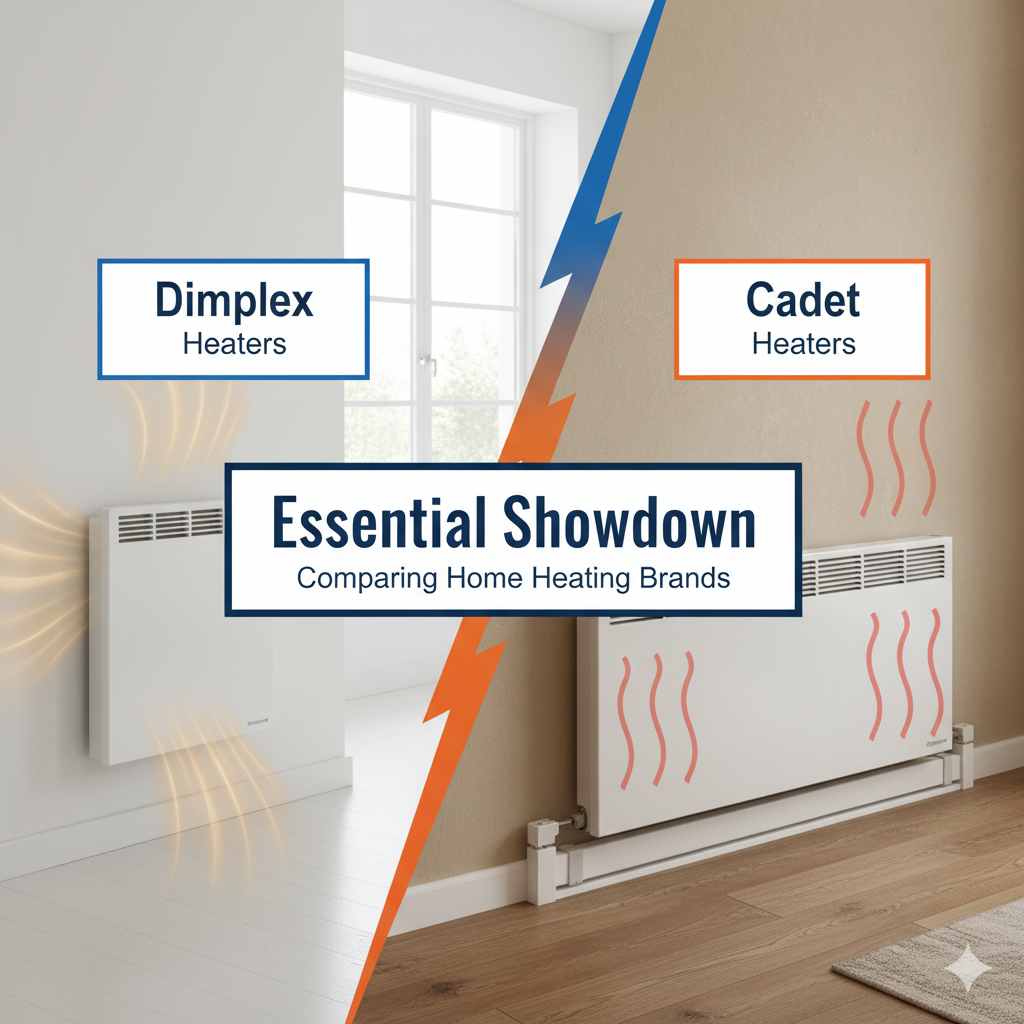
Dimplex vs Cadet Heaters: Essential Showdown
Choosing between Dimplex and Cadet baseboard heaters? For most beginners seeking reliable warmth and ease of use, Dimplex often edges out Cadet due to its slightly more user-friendly features and broader range of models, though both are solid choices for supplemental heating.
For a related heater topic, Class C RVs With Heater: Essential For Comfort gives readers a useful next step.
Feeling that chill creep in and wondering which heater is best for your cozy corner? It’s a common puzzle for homeowners and renters, especially when trying to boost comfort without a hefty energy bill. You want something simple, effective, and safe. Choosing the right baseboard heater can seem daunting with all the options out there. But don’t worry! We’re here to break down two popular names: Dimplex and Cadet. Think of me as your friendly guide, Tanim, ready to help you navigate the world of home heating with confidence. Let’s make sure your home stays warm and welcoming, easily and affordably.
Understanding Baseboard Heaters: Your Home’s Cozy Friends
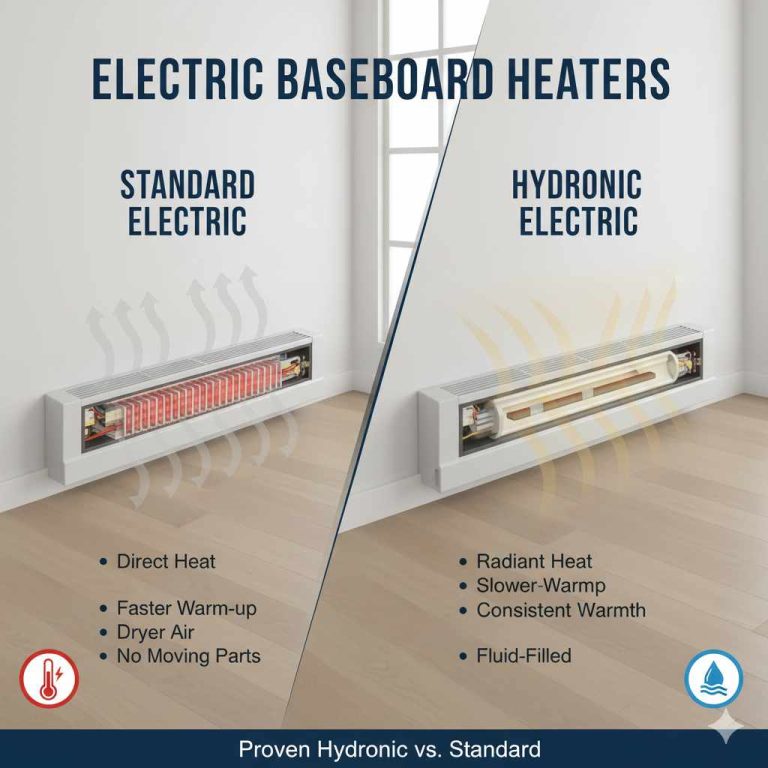
Baseboard heaters are fantastic for providing consistent, quiet warmth. They work by heating air that then rises, circulating naturally throughout your room. Unlike forced-air systems, they don’t blow hot air, which means less dust stirred up and a much quieter operation. This makes them ideal for bedrooms, living rooms, or any space where you want a gentle, steady heat. They’re also great for topping up the heat in rooms that don’t get enough warmth from your main heating system.
Installing and using them is usually straightforward, but picking the right model from brands like Dimplex and Cadet is key to getting the most comfort and efficiency. We’ll look at what makes each brand special to help you make a decision you’ll feel great about.
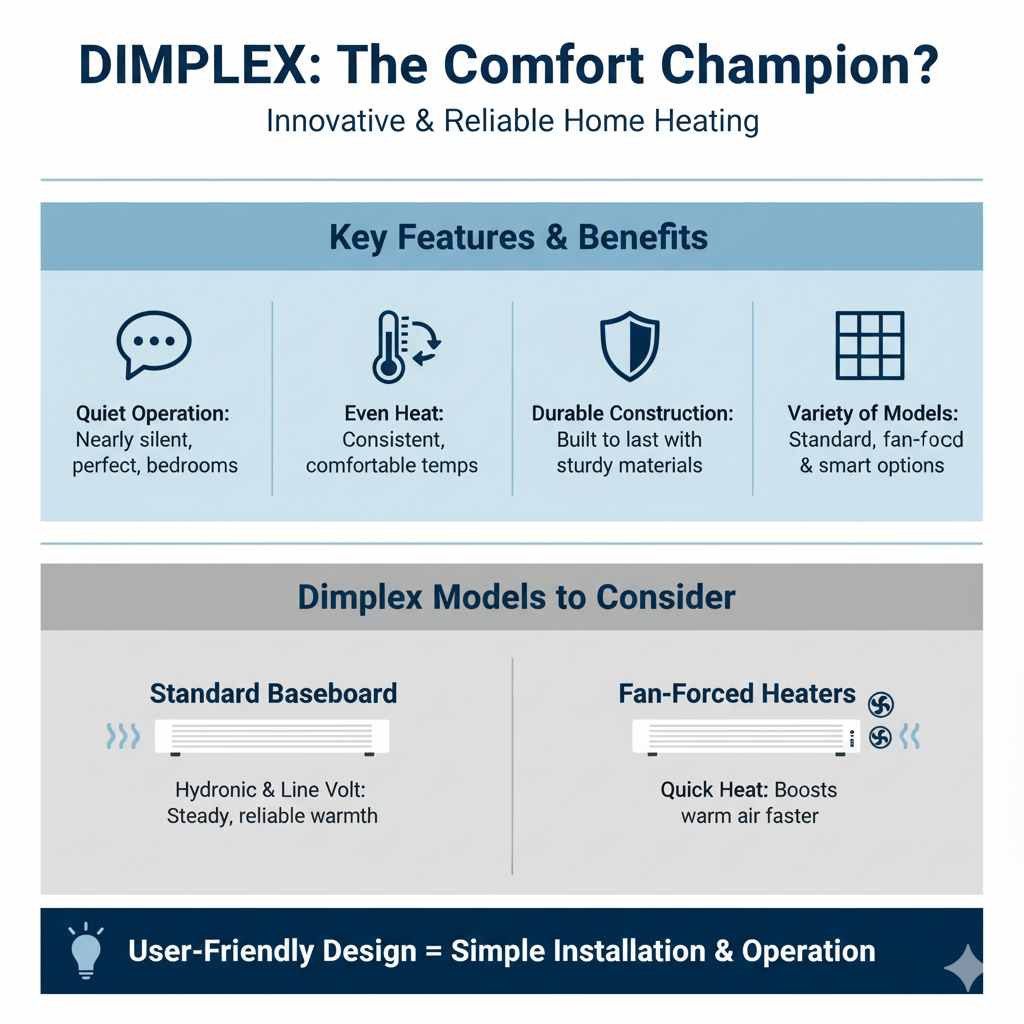
Dimplex: The Comfort Champion?
Dimplex is a brand that many people associate with reliable and often innovative heating solutions. When it comes to electric baseboard heaters, Dimplex offers a wide variety of options designed to fit different needs and budgets. They’re known for focusing on user convenience and providing a comfortable heating experience. If you’re looking for a blend of performance and ease of use, Dimplex is definitely worth a close look.
Key Features and Benefits of Dimplex Heaters
Dimplex heaters often come with features that make them stand out for everyday users:
- Quiet Operation: Like most baseboard heaters, Dimplex models are nearly silent. This is a big plus for bedrooms or main living areas where noise can be disruptive.
- Even Heat Distribution: They are designed to heat the air and let it rise naturally, creating a comfortable, consistent temperature without hot or cold spots.
- Durable Construction: Dimplex generally uses sturdy materials, meaning their heaters are built to last.
- Variety of Models: Whether you need a standard unit, a fan-forced model for quicker heating, or something with built-in thermostat options, Dimplex usually has a model to fit.
- Safety Features: Many Dimplex units include safety features like thermal cut-offs to prevent overheating.
Dimplex Models to Consider
Dimplex offers several lines, but for baseboard heaters, you’ll often see:
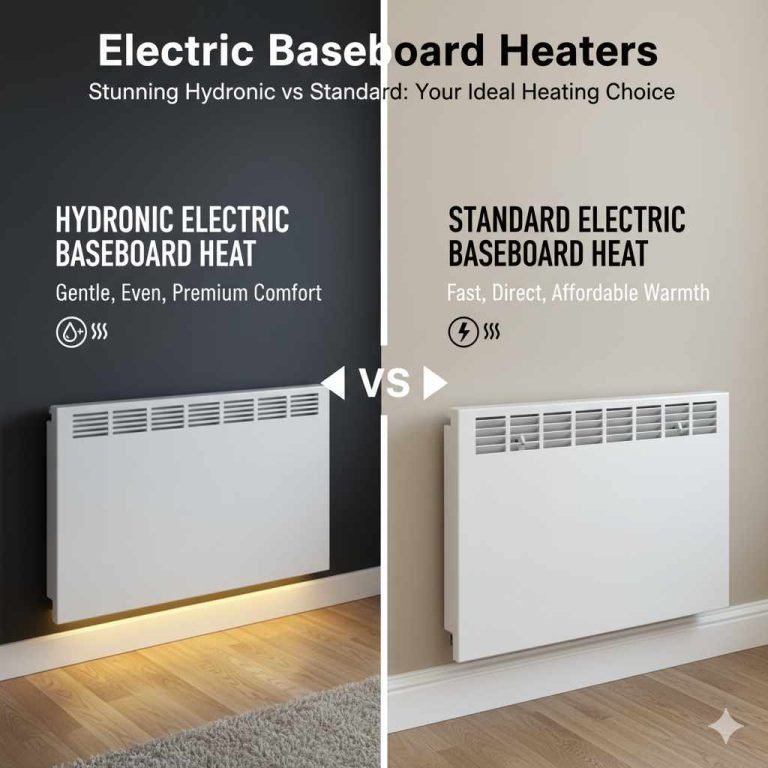
- Standard Hydronic and Line Volt Baseboard Heaters: These are your typical, reliable choices for steady heat.
- Fan-Forced Heaters: For rooms that need heat more quickly, these models have a small fan to push warm air out faster.
Dimplex’s commitment to user-friendly design often means simpler installation and operation, which is a huge win for beginners.
Cadet: The Reliable Workhorse
Cadet has a long-standing reputation in the heating industry, often seen as a dependable and straightforward option. They focus on providing effective heating solutions that are practical and robust. If you value simplicity and a no-nonsense approach to keeping your space warm, Cadet heaters have a lot to offer.
Key Features and Benefits of Cadet Heaters
Cadet heaters are appreciated for their straightforward performance:
- Solid Performance: Cadet heaters are designed to do one thing well: provide heat reliably.
- Durability: Built to withstand regular use, Cadet units are known for their longevity.
- Simple Design: They often feature a more minimalist design, which can be appealing if you prefer clean lines.
- Energy Efficiency (when used correctly): Like all electric resistance heaters, efficiency depends on usage and insulation, but Cadet units are designed to be effective within their category.
- Safety First: Cadet heaters also come with important safety features to ensure worry-free operation.
Cadet Models to Consider
Cadet’s baseboard heater range typically includes:
- Standard Electric Baseboard Heaters: These are their core offering, providing consistent convection heating.
- Fan-Forced Heaters: For faster heat distribution when needed.
Cadet often appeals to those who want a heater that simply works, without a lot of extra, potentially complicated, features.
Dimplex vs Cadet Baseboard Heaters: Head-to-Head Comparison
Let’s put Dimplex and Cadet side-by-side to see how they stack up for your needs. We’ll look at a few key areas that matter most to homeowners:
| Feature | Dimplex | Cadet |
|---|---|---|
| Ease of Installation | Generally straightforward, many models designed for DIYers. Some may have slightly more intuitive wiring. | Also designed for professional or capable DIY installation. Standard wiring. |
| User Friendliness (Operation) | Often includes more integrated options or models with built-in programmable thermostats, offering more control. | Typically relies on external thermostats, offering straightforward but less integrated control. |
| Heat Distribution | Excellent, with a focus on even, natural convection. Fan-forced models offer quicker heat. | Reliable and consistent convection heating. Fan-forced models available for faster heat. |
| Model Variety | Broader range including convection, fan-forced, and some models with advanced features. | Solid range of standard convection and fan-forced models. |
| Durability | High, known for robust construction and longevity. | High, recognized for being workhorse heaters that last. |
| Cost | Can range from very affordable to mid-range, depending on features and size. | Often positioned as a more budget-friendly, entry-level option. |
| Noise Level | Virtually silent convection; fan-forced models have minimal fan noise. | Virtually silent convection; fan-forced models have minimal fan noise. |
Which is Better for Beginners?
For beginners, the choice often comes down to simplicity and features that make operation easier. Dimplex often gets the nod here for:
- More Integrated Controls: Some Dimplex models come with built-in thermostats or are designed to easily integrate with smart thermostats, simplifying temperature management.
- Clearer Model Designations: Dimplex typically categorizes its heaters clearly, making it easier for a novice to understand what kind of heating they are getting.
- Wider Range of Options: If a beginner isn’t sure if they need basic convection or a fan-forced model, Dimplex’s extensive range makes it easier to find a specific solution.
Cadet is excellent for those who want a simple, effective heater and plan to use a separate wall thermostat, which they might already have or find easier to manage independently. Both brands are very safe and reliable.
Installation: Getting Your Heater Up and Running
Installing an electric baseboard heater is generally a task that can be handled by a homeowner with basic electrical knowledge, or a qualified electrician. Safety is paramount here, so if you’re ever in doubt, always call a professional. Electrical work can be dangerous if not done correctly.
Basic Steps for Installation (General Guide)
While specific models may vary, the general process involves:
- Turn off Power: VERY IMPORTANT! Always switch off the power to the circuit at your main electrical panel before starting any work. Use a voltage tester to confirm the power is off.
- Positioning the Heater: Choose a location along an exterior wall, under a window if possible (this helps block cold air drafts). Ensure there’s adequate clearance above and in front for heat circulation. Check the Natural Resources Canada guidelines for proper clearances.
- Mounting the Heater: Many heaters come with mounting brackets. Secure these to your wall studs for a firm fit. Then, attach the heater to the brackets.
- Wiring: This is the most critical step. You’ll connect the power supply wires from your wall to the heater’s junction box, typically using wire nuts. Pay close attention to matching hot, neutral, and ground wires as per the manufacturer’s instructions and local electrical codes.
- Install Thermostat (if separate): If your heater doesn’t have a built-in thermostat, it will need to be wired to a wall-mounted thermostat. This will involve running wires from the heater to the thermostat location.
- Final Checks: Double-check all connections. Ensure no bare wires are exposed and that connections are secure.
- Restore Power and Test: Once everything is safely reassembled and secured, turn the power back on at the breaker. Turn the thermostat up and check if the heater operates correctly.
For anyone new to electrical work, it’s wise to consult the HomeTips guide or watch video tutorials specific to your chosen heater model. When in doubt, a licensed electrician is your best bet for safety and compliance.
Using Your Baseboard Heater Effectively for Maximum Comfort & Savings
Getting a heater is only half the battle; using it smart is where the real comfort and savings happen!
Tips for Efficient Heating
- Thermostat Control is Key: The biggest energy saver is using a thermostat. Set it lower when you’re away or asleep. For every degree you lower the thermostat for 8 hours, you can save up to 1% on your heating bill.
- Programmable Thermostats: If your heater doesn’t have one, consider a smart or programmable thermostat. They can automatically adjust the temperature throughout the day, so you don’t have to remember to do it.
- Seal Drafts: Ensure windows and doors are properly sealed. Drafts make your heater work harder than it needs to. You can find good draft stoppers and weatherstripping at most hardware stores.
- Use Curtains and Blinds: Keep curtains and blinds closed at night to help insulate your windows and keep heat in. Open them during sunny days to let natural heat in.
- Proper Airflow: Don’t block your baseboard heater with furniture or heavy drapes. This hinders the natural convection process, making the heater less effective and potentially unsafe. Allow at least a foot of clearance in front and above.
- Zone Heating: Only heat the rooms you are using. This is the beauty of baseboard heaters – you can control the temperature in individual rooms.
When to Use Fan-Forced vs. Convection
The choice between a standard convection baseboard heater and a fan-forced model depends on your needs:
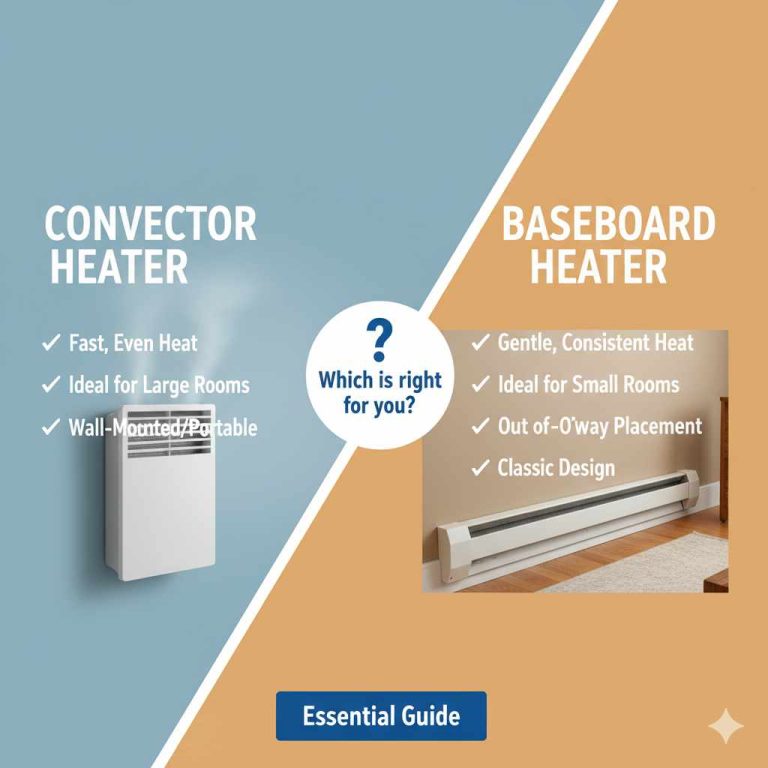
- Convection (Standard) Heaters: These are ideal for maintaining a steady, consistent temperature over long periods. They are quieter and rely on natural air movement. Best for bedrooms, living rooms, or offices where you want ambient warmth.
- Fan-Forced Heaters: These are great for spaces that need to be heated up quickly, or for larger rooms that might struggle with only convection. The fan accelerates air circulation. They are useful for bathrooms right before you need them, or for quickly warming up a chilly basement. A small trade-off is the minimal fan noise.
Both Dimplex and Cadet offer excellent options in both categories, allowing you to choose based on your specific heating requirements.
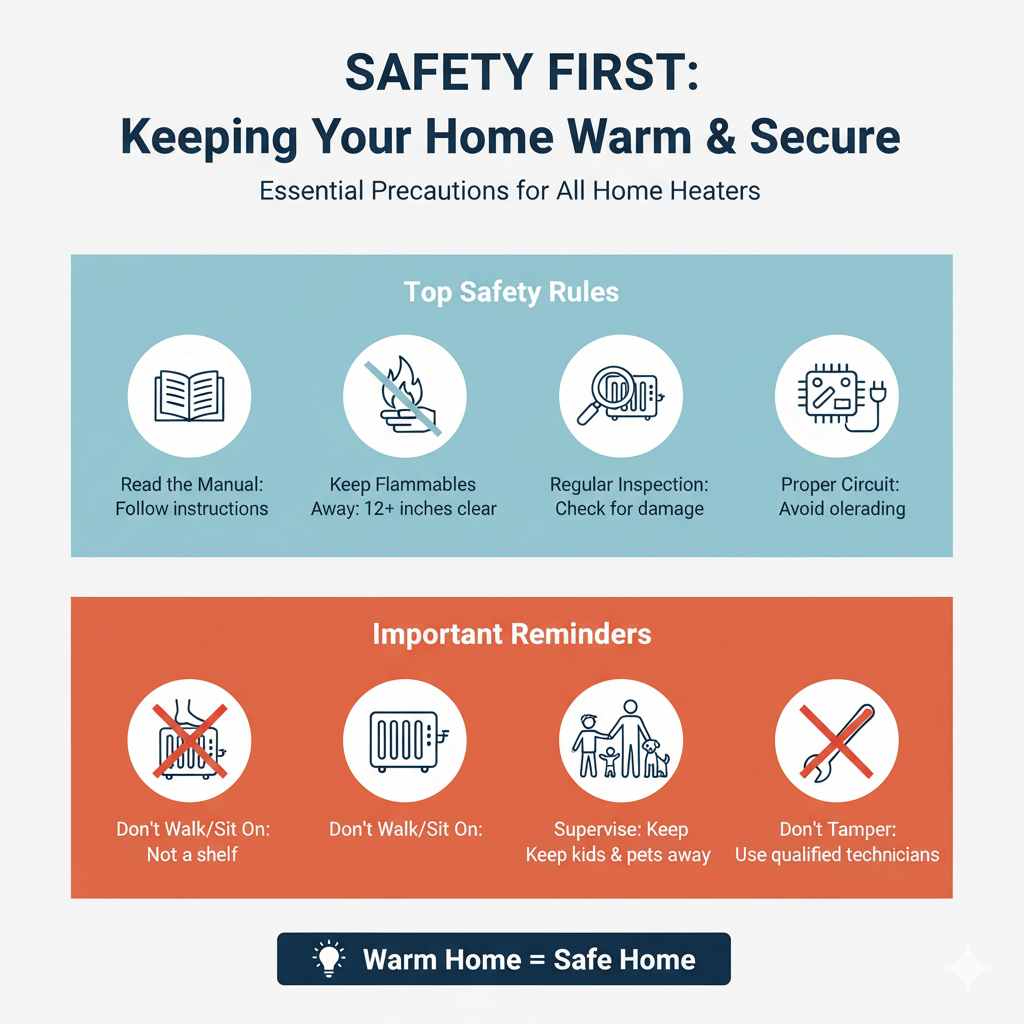
Safety First: Keeping Your Home Warm and Secure
When using any heating appliance, safety should always be your top priority. Both Dimplex and Cadet heaters come with important safety features, but user awareness is just as crucial.
Essential Safety Precautions
- Read the Manual: Always read and follow the manufacturer’s instructions for installation, operation, and maintenance.
- Keep Flammables Away: Never place clothes, curtains, blankets, or any combustible materials near or on top of the heater. Maintain a safe distance (check your manual, often 12 inches or more).
- Regular Inspection: Periodically check the heater for any signs of damage to the cord, casing, or fins. If you notice anything unusual, stop using the heater and consult a professional.
- Proper Circuit: Ensure your heater is connected to a dedicated circuit with the correct amperage rating. Overloading circuits can be a fire hazard.
- Never Walk On or Sit On: Baseboard heaters are not designed to be a seat or a perch for items.
- Supervise Children and Pets: Keep them away from direct contact with the heater, as the fins can become hot enough to cause burns.
- Don’t Tamper: Never attempt to repair the heater yourself. Always use a qualified technician.
Following these simple guidelines will help ensure your home stays warm and safe throughout the colder months.
Frequently Asked Questions (FAQ)
Q1: Are Dimplex or Cadet heaters energy-efficient?
Both types of heaters are electric resistance heaters, meaning they convert nearly 100% of the electricity they consume into heat. Their efficiency in terms of cost depends more on how you use them (e.g., thermostat settings, insulation) and your local electricity rates, rather than inherent differences in energy consumption between the brands themselves. Using programmable thermostats and only heating occupied rooms are key to managing costs.
Q2: Which brand is easier to install for a DIY beginner?
Both brands are designed for relatively easy installation. Dimplex might have a slight edge for some beginners due to clearer instructions or slightly more intuitive designs on certain models. However, if you have basic DIY skills and follow instructions carefully, either is manageable. If you’re hesitant about electrical work, hiring an electrician is always the safest choice.
Q3: Can I use a smart thermostat with most Dimplex and Cadet heaters?
Yes, most standard electric baseboard heaters from both Dimplex and Cadet can be controlled by external wall thermostats, including smart and programmable ones. Some higher-end Dimplex models even come with built-in smart features or are designed for seamless integration. Always check the specific model’s specifications to confirm compatibility.
Q4: What kind of maintenance do these heaters need?
Maintenance is generally minimal! The most important task is regular cleaning to remove dust and debris from the heater fins. This helps ensure proper airflow and prevents the heater from overheating. A vacuum cleaner with a brush attachment or a soft brush can be used for this purpose (while the heater is off and cool, of course!).
Q5: How do I choose the right wattage for my room?
A common rule of thumb is to use about 10 watts per square foot for average ceiling heights and insulation. For example, a 10×12 foot room (120 sq ft) would typically need around 1200 watts. It’s best to consult the heater manufacturer’s guidelines or an HVAC professional, as factors like climate, insulation levels, and window size can affect the ideal wattage.
Q6: Are Dimplex or Cadet heaters safe if I have children or pets?
Both brands incorporate safety features like thermal cut-offs to prevent overheating. However, the heating elements and fins can get quite hot, posing a burn risk to young children and pets who might touch them. It’s crucial to keep them at a safe distance and never let them play around or on the heaters. Using guard screens or choosing models with lower surface temperatures can also help enhance safety.
Conclusion: Your Warmth, Your Choice
Choosing between Dimplex and Cadet baseboard heaters doesn’t have to be a tough decision. Both brands offer reliable ways to add comfortable, quiet heat to your home. For beginners looking for a slight edge in user-friendly features and a wider array of model options, Dimplex often presents a more accessible choice. Its focus on integrated controls and clear model designations can make the selection and usage process smoother.
However, Cadet stands as a testament to dependable, no-frills heating. If you prioritize robust construction and straightforward performance, and perhaps prefer to manage your heating through a separate, familiar thermostat, Cadet is an excellent and often budget-friendly pick.