Do Air Systems Like Home Heaters Harm the Environment?
Have you ever wondered how the cozy warmth from your home heater might be impacting the environment? It’s a question that doesn’t often cross our minds as we bask in comfort during chilly nights.
But understanding the environmental footprint of our home heating systems is crucial. After all, every small choice we make can ripple out to affect the planet. Whether you’re looking to reduce your carbon footprint or simply curious about the unseen costs of your home’s air system, this article will shed light on the hidden connections between home heaters and the environment.
Discover how your comfort zone can be both sustainable and cozy, and learn practical steps you can take to make a positive change. Stick around to uncover surprising insights that might just inspire you to rethink how you heat your home.
Environmental Impact Of Home Heating Systems
Home heaters release carbon emissions into the air. These emissions can harm the environment. Gas heaters, for example, produce a lot of carbon dioxide. This gas traps heat in the atmosphere. It makes the earth warmer. Electric heaters can also cause carbon emissions. The electricity they use often comes from burning fossil fuels. This process releases more carbon into the air. Reducing heater use can help lessen these emissions. Using cleaner energy sources is also important.
Heaters consume a lot of energy. This energy use can be wasteful. Efficient heaters use less energy to heat a home. They save money and reduce environmental harm. Insulating homes well can also help. It keeps the heat inside. Less energy is needed to maintain warmth. Choosing energy-efficient models is key. It helps the planet and saves on bills.
Types Of Home Heating Systems
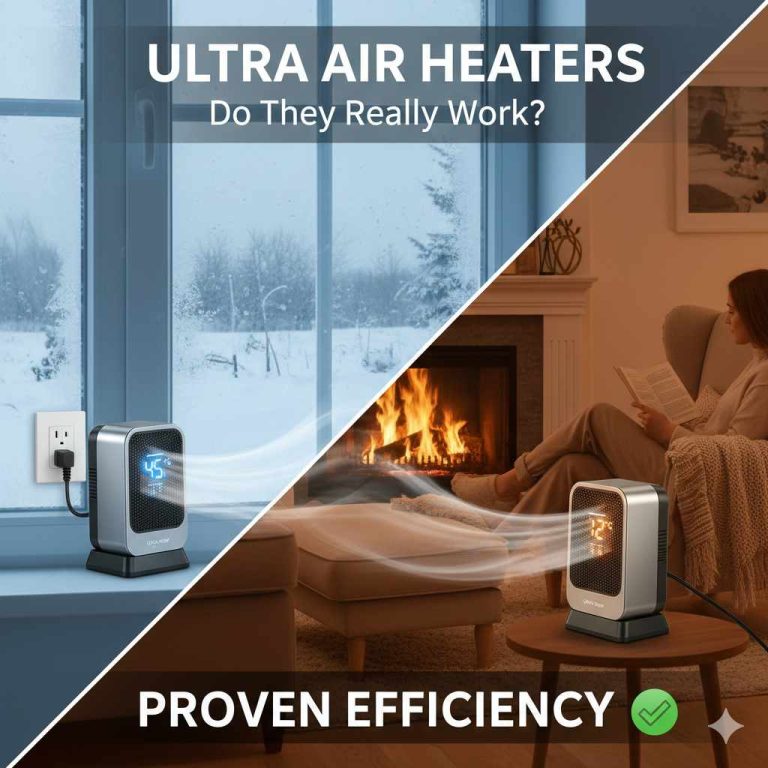
Electric heaters are common in homes. They use electricity to create heat. These heaters are easy to use. They turn on quickly. Most electric heaters are safe. Some people say they cost a lot to run. They need much power. This can make your electric bill high. Electric heaters do not burn fuel. So, they do not make smoke. But, they still affect the environment. Power plants make electricity. These plants can make pollution.
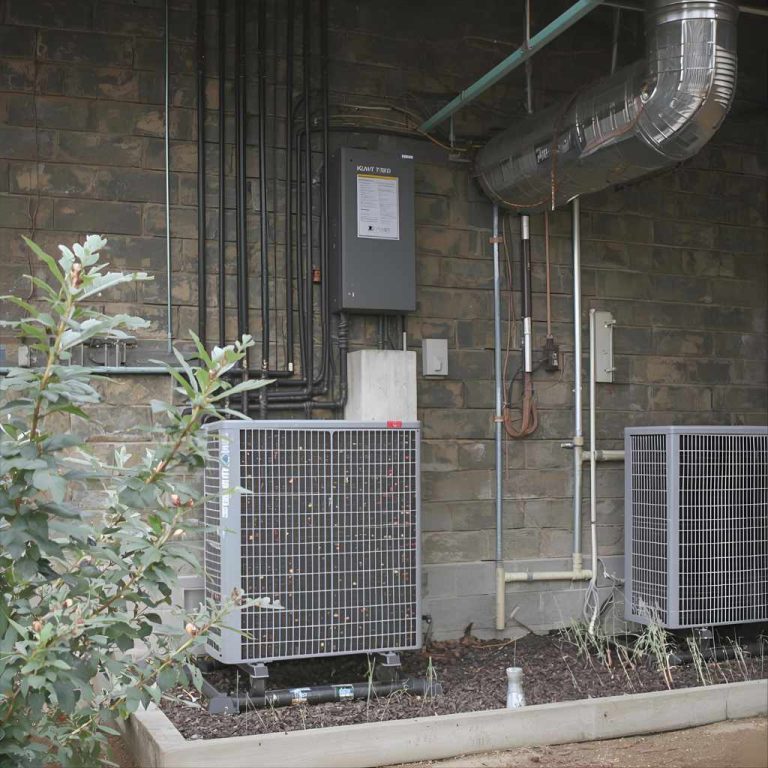
Gas heaters use natural gas to heat homes. They are often more efficient. Gas heaters can warm a room fast. They are good for cold places. But gas heaters can leak gas. This is unsafe. Gas leaks are dangerous for people and animals. Some gas heaters make smoke. This smoke can harm the environment. Gas heaters need a pipe to let smoke out.
Oil heaters use oil to create warmth. They are like gas heaters. Oil heaters need oil tanks. These tanks store the oil. Oil heaters can be noisy. They make a roaring sound. Oil heaters can be expensive. Oil prices change often. They can affect your budget. Oil heaters can make smoke too. This can pollute the air.
Production And Disposal Concerns
Making home heaters uses a lot of natural resources. Factories often pollute the air during production. They release harmful gases. These gases harm our planet. Making heaters also needs energy. Using energy can cause more pollution. So, the process is not always eco-friendly.
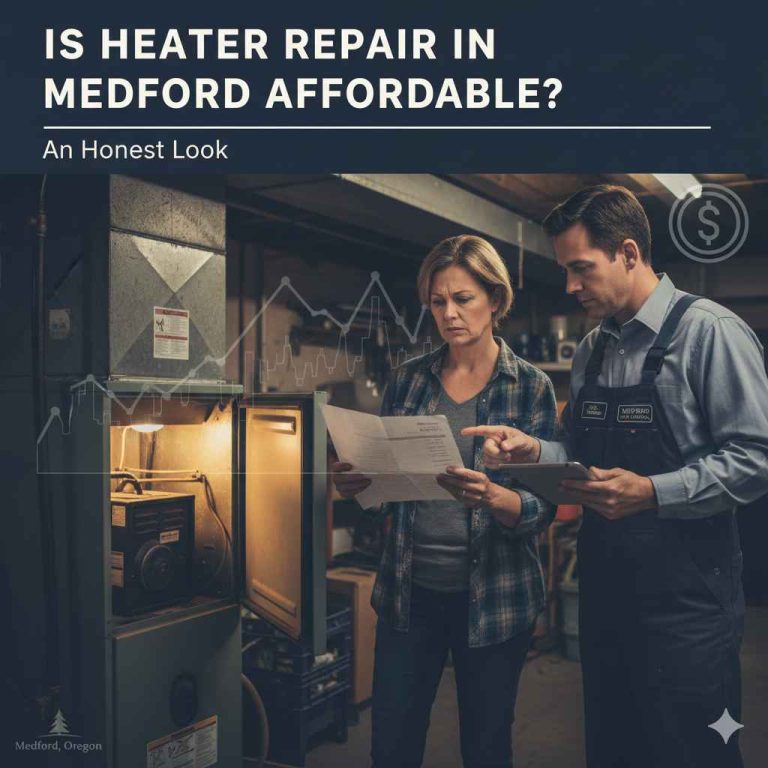
Old heaters often become waste. Many people just throw them away. This adds to landfills. Some parts of heaters can be toxic. It is hard to recycle all parts. Proper recycling is important. But, not everyone does it. This can harm the environment. Finding better ways to recycle is key.
Credit: www.climatecare.com
Indoor Air Quality Effects
Home heaters impact indoor air quality. They can release pollutants, affecting both health and the environment. Regular maintenance helps reduce negative effects.
Pollutants Released
Home heaters can release pollutants into the air. These pollutants include carbon monoxide and nitrogen dioxide. These gases can lower the quality of indoor air. Dust and pet dander can also spread through the air system. This can cause problems for people with allergies.
Health Implications
Bad air can lead to health problems. People might have trouble breathing. Some may develop coughs or headaches. Asthma can get worse in bad air. Clean air is important for good health. Children and older adults can suffer more. Keep air systems clean to protect health.
Sustainable Alternatives
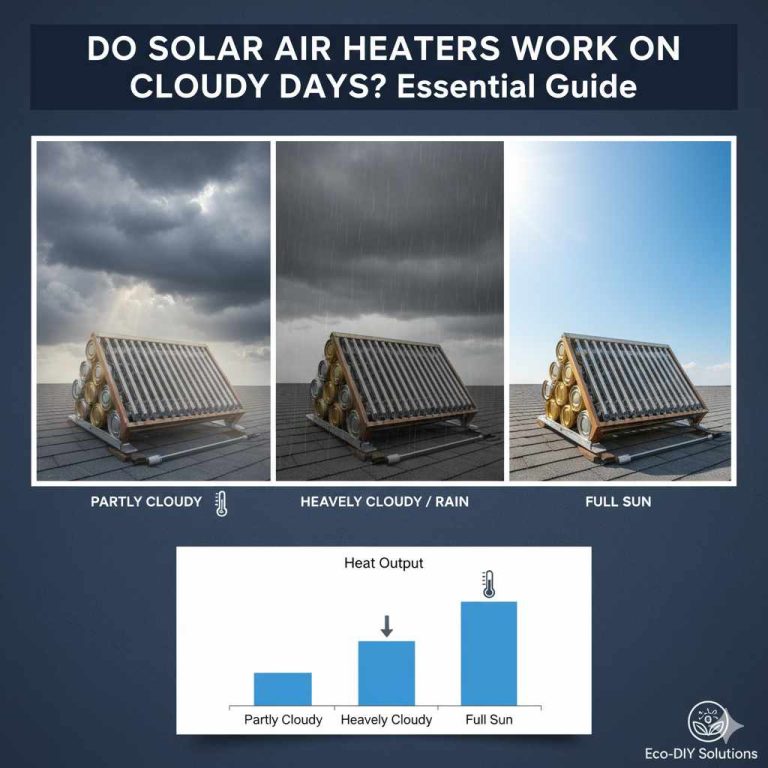
Solar panels can heat homes. They use the sun’s energy. Wind turbines help too. They capture wind power. Both options are clean. They make no pollution. Geothermal systems use heat from the Earth. This is another green choice. These systems protect nature. They do not harm the air.
New heaters save energy. They use less power. This keeps bills low. Also, it helps the Earth. Smart thermostats can manage heat better. They learn your habits. This means no wasted energy. Choosing the right model is important. Look for Energy Star labels. These are the best for saving energy.
Regulations And Standards
Home heating systems can impact the environment through emissions and energy consumption. Efficient regulations and standards help reduce this effect. Using eco-friendly systems minimizes carbon footprint and supports sustainable living.
Government Policies
Governments make rules to protect the planet. They set limits on how much pollution home heaters can make. These rules help keep the air clean. Factories must follow these rules. If not, they can get in trouble. This keeps our environment safe.
Environmental Certifications
Some heaters have special labels. These labels show they are good for the earth. Green certifications mean the heater uses less energy. This helps reduce pollution. Buying certified products can save the planet. Look for these labels when shopping for a heater. They make a big difference.
Consumer Awareness And Choices
Energy ratings are like report cards for home heaters. They show how much energy a heater uses. Higher ratings mean better energy use. This is good for the environment. A heater with a good rating uses less energy. This means it makes less pollution. It also saves money on bills. People should check these ratings before buying a heater. They help make smart choices. Better choices help the Earth.
People have power to help the Earth. Choosing the right heater is important. Smart choices reduce pollution. People can save energy by turning off heaters when not needed. Regular cleaning of heaters helps them work better. Sharing tips with friends can spread good habits. Everyone can make a small difference. Together, these choices help the environment. A cleaner world is a better world.

Credit: www.victoriaservicesinc.com
Frequently Asked Questions
How Do Home Heaters Impact The Environment?
Home heaters can impact the environment by emitting greenhouse gases. These gases contribute to global warming and climate change. Using energy-efficient heaters can reduce emissions. Regular maintenance also helps in minimizing environmental impact.
Are Air Systems Harmful To The Ozone Layer?
Some air systems release refrigerants that can harm the ozone layer. Modern systems are designed to minimize this effect. It’s important to ensure proper disposal of old systems. Using systems with environmentally-friendly refrigerants is advisable.
Can Eco-friendly Heaters Reduce Carbon Footprint?
Yes, eco-friendly heaters can significantly reduce your carbon footprint. They consume less energy and emit fewer pollutants. Choosing renewable energy sources for heating can further decrease environmental impact. Energy-efficient models are cost-effective over time.
Do Air Systems Affect Indoor Air Quality?
Air systems can affect indoor air quality by circulating dust and allergens. Regular maintenance and filter changes can improve air quality. Some systems have built-in air purifiers. It’s important to ensure proper ventilation for the best results.
Conclusion
Home heaters impact the environment in many ways. They consume energy, which increases carbon emissions. Older models are less efficient, using more power. Consider switching to eco-friendly options. They save energy and reduce your carbon footprint. Regular maintenance helps too.
Clean filters and ducts improve efficiency. This lowers environmental impact. Small changes make a big difference. Choose wisely for a healthier planet. Use less energy, create less waste. Every effort counts. Together, we can protect our environment. Make your home a greener place.
Simple choices lead to a sustainable future.