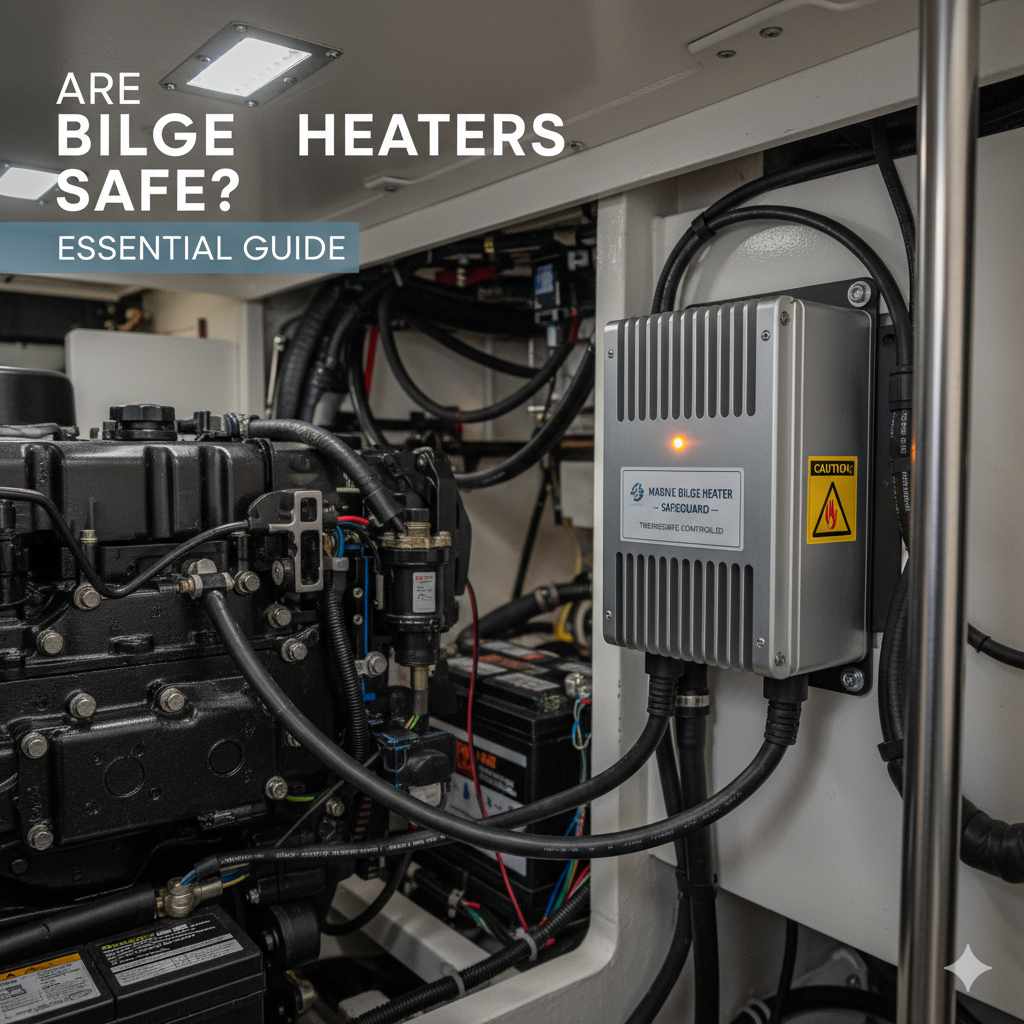
Are Bilge Heaters Safe for Winter Storage?
Yes, bilge heaters can be safe when properly installed, maintained, and used according to manufacturer guidelines. They are designed for marine environments and, when chosen correctly, offer a safe and effective way to prevent freezing and condensation. Always prioritize quality and proper installation for peace of mind.
Worrying about keeping your boat’s bilge warm and dry, especially when you’re not around? You’re not alone! Many boat owners wonder if those little heaters designed for such tight spaces are actually safe. It’s a common concern, and for good reason. You want to protect your investment from freezing or condensation damage without introducing new risks.
This guide is here to clear up any confusion. We’ll break down everything you need to know about bilge heaters, how they work, and most importantly, how to use them safely. Think of me as your friendly guide, Tanim, ready to make home heating (even on a boat!) simple and stress-free. Let’s dive in and make sure your boat stays cozy and protected, the safe way!
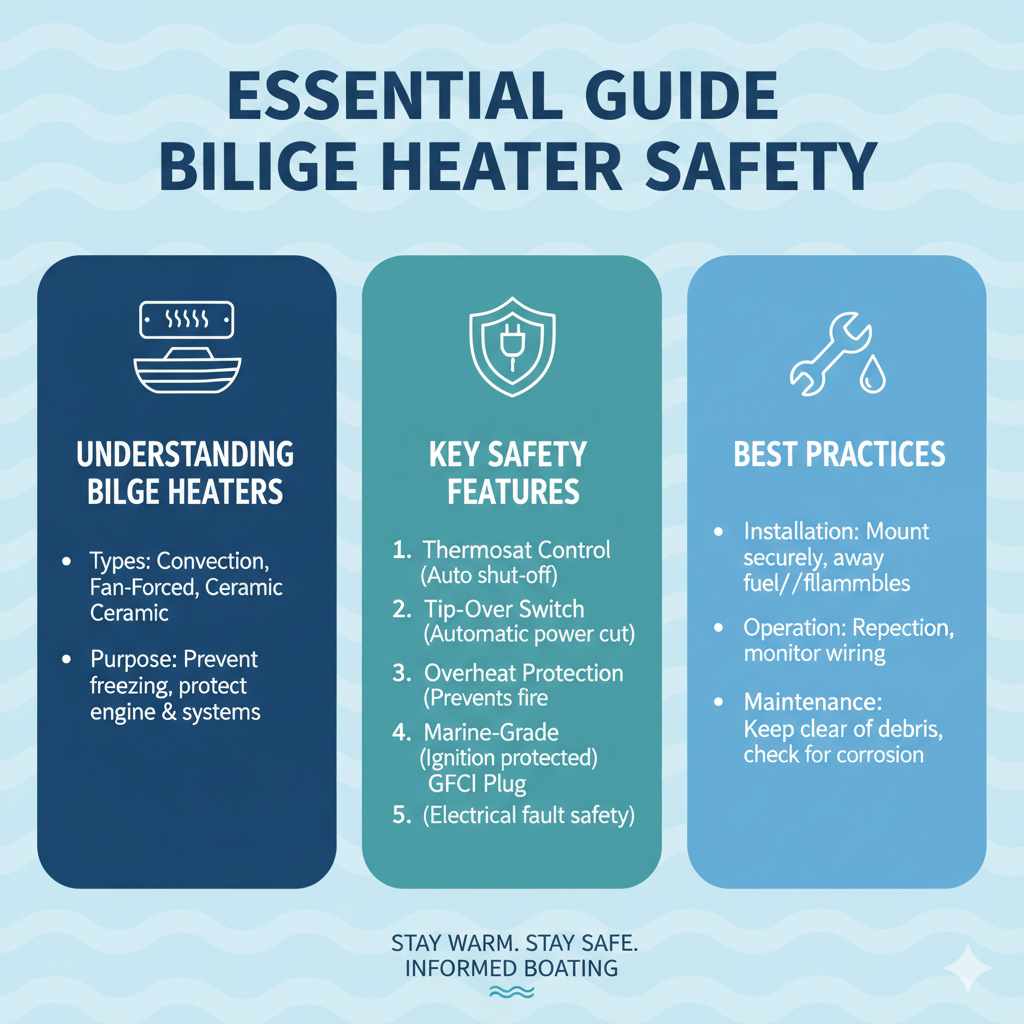
Essential Guide to Bilge Heater Safety
When it comes to protecting your boat from the harsh realities of cold weather, a bilge heater might seem like a simple solution. But just like any electrical device used in a marine environment – which is inherently damp and can have flammable materials – safety is paramount. Understanding what makes a bilge heater safe, and how to ensure yours is safe, is key to preventing damage and, more importantly, accidents.
We’ll explore the different types of bilge heaters, the safety features to look for, and the best practices for installation and operation. My goal is to give you the confidence to make informed decisions, ensuring your boat’s bilge stays warm and safe all year round.
What Exactly is a Bilge Heater?
Before we talk safety, let’s make sure we’re on the same page about what a bilge heater is. Your boat’s bilge is the lowest internal part of the hull. It’s often where water collects, from rain, splashes, or leaks. This collected water can freeze in cold temperatures, causing serious damage to your boat’s structure and systems.
A bilge heater is a small, specialized heating device designed to be placed in this area. Its primary purpose is to keep the bilge temperature above freezing, preventing water from turning into damaging ice. Some models also help to reduce condensation, which can lead to mold and mildew, and can cause structural issues over time.
Why the Concern About Safety?
Boats are unique environments. They are often enclosed spaces, can be prone to moisture, and contain materials like engine oil, fuel, and various stored items that can be flammable. Electrical systems on boats also operate in a more demanding environment than those in a typical home. These factors mean that any heating appliance brought on board needs to be specifically designed for marine use.
The main safety concerns with bilge heaters typically revolve around:
- Fire risk: Most heaters generate heat, and if they come into contact with flammable materials, there’s a risk of ignition.
- Electrical hazards: Water and electricity are a dangerous mix. Proper insulation and protection are crucial.
- Overheating: A malfunctioning heater could overheat, posing a fire risk or damaging nearby components.
- Installation errors: Incorrect setup can lead to these risks materializing.
Types of Bilge Heaters and Their Safety Considerations
Not all bilge heaters are created equal, and understanding the different types can help you choose one that’s inherently safer and better suited for your needs.
1. Resistive Heaters (e.g., Ceramic or Calrod)
These are the most common types. They work by passing electricity through a resistive element, which generates heat. They are often enclosed in a metal or ceramic casing.
- Safety Features to Look For: Many modern resistive bilge heaters are designed with safety in mind. Look for models with:
- Thermostats: To regulate temperature and prevent overheating.
- Tip-over switches: To automatically shut off the heater if it’s knocked over.
- Enclosed heating elements: To prevent direct contact with flammable materials.
- Durable, marine-grade casings: To withstand moisture and impact.
- Installation: These usually require a direct electrical connection. Ensure wiring is marine-grade and protected from moisture and abrasion.
2. Fan-Forced Heaters (Less Common in Bilges)
While more typical for cabins, some compact fan heaters could theoretically be used. However, they are generally less suitable for the confined, damp, and potentially flammable environment of a bilge.
- Safety Concerns: The fan can circulate dust and debris, potentially igniting it if it lands on the heating element. They are also more prone to mechanical failure that could lead to safety hazards.
- Recommendation: Generally, it’s best to stick to heaters specifically designed for bilge use.
3. Heat Tracing Cables (For Pipes, Not Bilge Itself)
These are not bilge heaters per se, but they are a method of freeze protection for pipes, which might be relevant in the same areas. They are heating cables wrapped around pipes.
- Safety: Modern heat tracing cables designed for marine use are generally safe, often self-regulating to prevent overheating. They must be installed strictly according to manufacturer instructions.
For the purpose of this guide, we are focusing on heaters designed to warm the air within the bilge space, primarily the resistive type.
Key Safety Features to Require in a Bilge Heater
When you’re shopping for a bilge heater, don’t just look at the price or wattage. Prioritize these safety features. They exist for a reason!
Thermostatic Control
This is non-negotiable. A thermostat ensures the heater cycles on and off to maintain a specific temperature. Without it, the heater could run continuously, potentially overheating the bilge area or nearby components, and wasting a lot of energy. It’s like having an intelligent guardian keeping watch.
Overheat Protection / High-Limit Thermostat
This is a secondary safety mechanism. If the primary thermostat fails or the temperature sensor is compromised, a high-limit thermostat will shut off the heater before it reaches dangerous levels. Many reputable manufacturers incorporate this into their designs.
Tip-Over Switch
If the heater is accidentally knocked over, a tip-over switch will immediately cut the power. This is a crucial feature, especially in an environment like a boat where things can shift or be bumped.
Sealed or Enclosed Heating Elements
The most effective way to prevent a heating element from coming into contact with flammable materials (like oil, fuel residue, or stray rags) is to ensure it’s fully enclosed or sealed within the unit’s housing. Exposed elements are a significant fire hazard.
Marine-Grade Construction
This means the heater is built to withstand the high humidity, salt air, and general wear and tear of a marine environment. Materials should be corrosion-resistant, and electrical components should be adequately protected from moisture ingress.
Low Surface Temperature
Some heaters are designed to operate with a lower external surface temperature, reducing the risk of accidental burns or igniting nearby materials. This is a good feature to look for, though it doesn’t replace proper clearance from combustibles.
Safe Installation of Your Bilge Heater
Even the safest heater can become a hazard if installed incorrectly. Follow these steps and guidelines carefully.
Step-by-Step Installation & Best Practices
- Read the Manual: This sounds obvious, but seriously, every heater is different. The manufacturer’s instructions are your primary guide and contain specific safety warnings.
- Choose the Right Location:
- Placement: Position the heater so it’s stable, won’t easily tip over (even with a tip-over switch), and ideally, allows warm air to circulate away from sensitive components.
- Clearance: Maintain the recommended clearance from any combustible materials (wood, fiberglass, insulation, rags, plastic, oil, fuel). The manual will specify this – usually at least a few inches (e.g., 6 inches or more). Don’t underestimate this!
- Moisture Protection: While bilge heaters are designed for humid environments, avoid placing them directly in puddles of water if possible.
- Secure Mounting: If your heater is designed to be mounted, ensure it’s securely fastened. If it’s a free-standing unit, make sure it sits on a stable, non-slip surface where it won’t easily move.
- Electrical Connections:
- Power Source: Ensure your boat’s electrical system can handle the heater’s wattage. Check your fuse panel and wiring capacity.
- Wiring: Use marine-grade wiring, especially if you are extending the cord. Ensure all connections are waterproof and properly insulated. For permanent installations, consider having a qualified marine electrician do the work.
- GFCI Protection: In many jurisdictions, electrical outlets in areas subject to moisture, like a bilge, should be GFCI (Ground Fault Circuit Interrupter) protected. You can find GFCI outlets that can be installed in your boat’s AC system. This adds a critical layer of safety against electrical shock.
- Avoid Extension Cords: Whenever possible, use a direct connection or a properly rated and installed outlet rather than a standard extension cord, which can be a trip hazard and may not be suitable for continuous marine use.
- Test the Safety Features: Once installed, test the tip-over switch (if applicable) and verify the thermostat cycles correctly.
Safe Operation and Maintenance
Installation is just the first step. How you use and care for your bilge heater makes a huge difference in its ongoing safety.
Daily Checks (When in Use)
Before you leave your boat or at the start of each day using it (if applicable), a quick check can prevent issues:
- Visual Inspection: Look for any signs of damage to the cord, plug, or heater casing.
- Listen: Are there any strange noises?
- Feel (Cautiously): Is the heater cycling normally? Is the air coming out warm, not scorching hot?
- Clearance Check: Did anything shift during the day that now might be too close to the heater?
Regular Maintenance
Just like maintaining your engine, your bilge heater needs a little care:
- Cleaning: Periodically, or as recommended by the manufacturer, unplug the heater and clean any dust or debris from the vents and heating elements (if accessible). This prevents buildup that can reduce efficiency and become a fire hazard. A soft brush or vacuum cleaner attachment works well.
- Cord and Plug Inspection: Regularly inspect the power cord and plug for any fraying, cuts, or damage. Replace damaged cords immediately.
- Thermostat Functionality: While not a daily task, periodically check that the thermostat is working correctly, as described in the installation section.
- Storage: When not in use, store the heater in a clean, dry place, ensuring the cord is not kinked or damaged.
When to Turn it Off
There are times when even a safe bilge heater should be turned off:
- When the boat is being actively worked on: Especially if working with solvents, welding, or other potentially ignitable activities.
- During significant maintenance or repairs: When you’re working on or around the bilge area.
- When leaving the boat unattended for extended periods in high-risk situations: If you’re going away for the winter and are deeply concerned about electrical faults, you might consider unplugging it or using a smart plug that can notify you of issues.
- If you notice any issues: Strange smells, sounds, or visible damage are red flags. Unplug it immediately.
Understanding Wattage and Energy Efficiency
Bilge heaters come in various wattages. The higher the wattage, the more heat it produces, but also the more electricity it consumes.
For a small bilge area, a lower wattage heater (e.g., 150-300 watts) is often sufficient to prevent freezing and condensation. Larger boats or bilges might require something higher, but it’s always better to start lower and see if it maintains the desired temperature. This conserves energy and reduces the load on your electrical system.
Energy efficiency is also a factor. Modern bilge heaters, especially those with good thermostats, are designed to be relatively efficient, only drawing power when needed to maintain temperature. Choosing a quality unit from a reputable brand will generally lead to better efficiency.
For context on power draw, a 300-watt heater running continuously (which it shouldn’t be with a good thermostat) would draw about 2.5 amps on a 120V system. This is important to consider for your boat’s power budget, especially if you’re running other equipment.
Comparison: Bilge Heater vs. Other Heating Methods
It’s helpful to see how bilge heaters stack up against other potential solutions for preventing bilge freezing.
| Method | Pros | Cons | Safety Considerations |
|---|---|---|---|
| Dedicated Bilge Heater | Designed for the environment, often thermostatically controlled, compact. | Requires electrical power, needs proper installation. | Best when marine-grade, with safety features (thermostat, tip-over, enclosed elements). |
| Portable Space Heater (Non-Marine) | Widely available, can be powerful. | Not designed for damp/flammable environments, can be a severe fire risk, may lack safety features. | Very Poor. High risk of fire and electrical shock. Strongly discouraged for bilge use. |
| Heat Tape (for Pipes) | Effective for preventing pipe freezing, can be energy efficient. | Only protects pipes, not the general bilge area or tanks. Requires electrical power. | Generally safe if installed correctly per manufacturer. |
| Maintaining a Minimal Ambient Temperature via Cabin Heater (if connected to bilge) | Can passively warm the bilge area. | May not be sufficient in very cold climates, relies on cabin heating system, potential for drafts. | Depends on the safety of the cabin heater itself. |
| Emptying Bilge and Using Desiccants | No electricity needed, no fire risk from a heater. | May not fully prevent condensation, desiccant needs frequent replacement, requires manual effort. | Minimal safety risk, but doesn’t actively prevent freezing for water still present. |
As you can see, dedicated bilge heaters, when chosen and installed correctly, offer the best balance of effectiveness and safety for their intended purpose.
External Resources for Marine Safety
For more comprehensive information on marine safety and electrical systems, consulting official bodies can be invaluable. Organizations like the U.S. Coast Guard provide resources on boating safety regulations and best practices. The BoatUS foundation also offers excellent consumer advice and safety tips for boaters. Always refer to these authoritative sources for the most up-to-date and universally applicable safety standards.
Frequently Asked Questions (FAQ)
Are bilge heaters a fire hazard?
Bilge heaters can be a fire hazard if they are of poor quality, damaged, improperly installed, or used near flammable materials. However, modern, marine-grade bilge heaters with built-in safety features like thermostats, overheat protection, and enclosed heating elements are designed to minimize this risk significantly. Always follow installation and operation guidelines.
Do I really need a thermostat on a bilge heater?
Yes, a thermostat is highly recommended and often considered essential for safety and efficiency. It prevents the heater from running constantly, which can lead to overheating and wasted energy. It cycles the heater on and off to maintain a safe, preset temperature.
Can I use a regular portable space heater in my boat’s bilge?
It is strongly advised not to use a regular portable space heater in a boat’s bilge. These heaters are not designed for the damp, potentially flammable environment of a bilge and can pose a serious fire risk. Always use heaters specifically designed and certified for marine bilge use.
How much clearance should I provide around a bilge heater?
This varies by manufacturer and model, but you should always refer to the owner’s manual for specific clearance requirements. Generally, maintain at least 6 inches of clearance from all combustible materials, including wood, fiberglass, insulation, and any stored items.