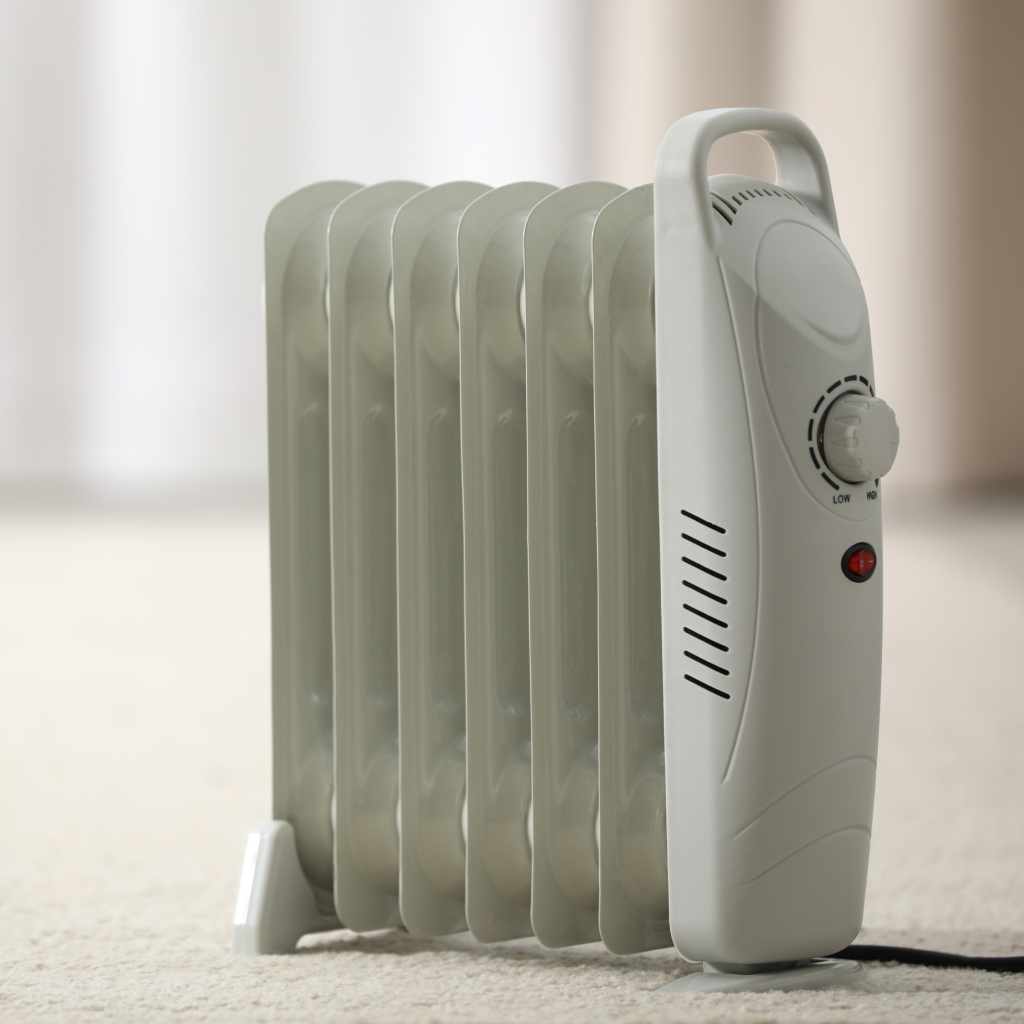
Is Keeping the Heater On Bad for You? Health and Home
Thinking about whether Is Keeping the Heater On Bad for You? is a common worry, especially when you’re just starting to manage your own home or apartment. You want to stay comfy and save money, but you also want to be healthy. Don’t worry, it’s a topic many people wonder about, and we’ll break it down in a way that’s easy to follow. We’ll explore the things you should know. Ready? Let’s get started, and you’ll find out all the important stuff.
What Happens When You Keep Your Heater On?
Keeping the heater on all the time changes your home’s air. It can affect your health and how your home feels. When the heater runs, it can dry the air, which impacts things like your skin and your respiratory system. It also impacts the temperature. When you start to consider Is Keeping the Heater On Bad for You? it is not a simple yes or no answer. This section will discuss a few important points.
Air Quality and Humidity Levels
The air inside your house changes when your heater is constantly running. The air gets drier because the heater removes moisture. Low humidity can make your skin dry and itchy, and it can also irritate your nose and throat. Think of it like a desert inside your home. Breathing dry air can also make it easier for viruses and bacteria to spread, increasing your chance of getting sick. These are important things to keep in mind, and the answer to your question is not straightforward.
- Dry Air’s Effects: When the air is dry, it steals moisture from everything, including your skin, making it feel tight and uncomfortable. It can also lead to more static electricity, which can be annoying.
- Respiratory Issues: Dry air irritates the lining of your nose and throat, making it feel scratchy. This can also worsen conditions like asthma and allergies, making it harder to breathe.
- Microbe Survival: Dry air can help viruses and bacteria live longer, making them easier to spread. This can increase the chances of catching a cold or the flu.
- Impact on Home: Low humidity can also affect your house. Wood furniture can crack and shrink, and wallpaper might peel off the walls. Musical instruments can also be damaged.
Adding a humidifier can help to put moisture back into the air. This helps to combat the effects of dry air from the heater. When choosing a humidifier, it is important to pick one that is the right size for the room. You also need to clean it regularly to prevent mold and bacteria from growing. Proper humidity levels are usually between 30% and 50%. This can keep you healthy and your home happy.
Temperature and Sleep Quality
A constant temperature can impact your sleep. It is easier to get a good night’s sleep when the temperature is right. Too hot, and you’ll toss and turn. Too cold, and you’ll be shivering. Finding the best temperature is key to good sleep, which in turn impacts your overall well-being. Think about how the question “Is Keeping the Heater On Bad for You?” is linked to your ability to sleep well at night.
- Ideal Sleep Temperature: Most people sleep best in a slightly cooler room, often between 60 to 67 degrees Fahrenheit (15-19 degrees Celsius). This cooler temperature helps the body regulate its temperature during sleep.
- Body’s Natural Cooling: Your body’s temperature naturally drops as you prepare to sleep. A cool room supports this process, signaling to your body that it’s time to rest.
- Impact of Overheating: A room that’s too hot can make you restless, leading to frequent awakenings and reduced sleep quality. Your body will work harder to cool itself down, making it harder to get deep, restful sleep.
- Consistent Temperature vs. Fluctuations: While a constant temperature is important, small changes can also be helpful. For example, a slight drop in temperature overnight can signal to your body that it’s time to sleep.
You can adjust your thermostat to get the best temperature for sleep. You can try turning the heat down a bit before bed. You can also use blankets to stay warm and comfortable. Experiment to see what works for you. Remember that a good night’s sleep affects how you feel and your health.
Energy Consumption and Costs
How much energy your heater uses is an important thing to keep in mind. Running it constantly can mean high energy bills. Modern heaters use less energy. Older models can be very expensive to run. You also need to think about how energy use impacts the environment. Finding a balance between comfort, cost, and being good to the environment is key. Keep in mind that a lot of questions about Is Keeping the Heater On Bad for You? often relate to the financial impact.
- Energy Usage: Heaters use a lot of energy, especially if they are old or inefficient. The more you use them, the more electricity or gas they consume.
- Cost Implications: Constant heater use leads to higher energy bills. You will notice this when you get your monthly bill.
- Environmental Impact: Heating homes produces greenhouse gasses, contributing to climate change. Reducing energy use can lower your carbon footprint.
- Inefficiency of Constant Use: Leaving the heater on all the time may not be the most efficient way to heat your home. It might be better to turn it down when you’re not home and use a programmable thermostat.
You can make small changes to save energy and money. Set your thermostat a few degrees lower. Use a programmable thermostat to schedule heating times. Keep doors and windows closed to keep warm air in. Consider getting a heating system checkup to make sure that it’s running efficiently. These steps can help you be comfortable and also save you money.
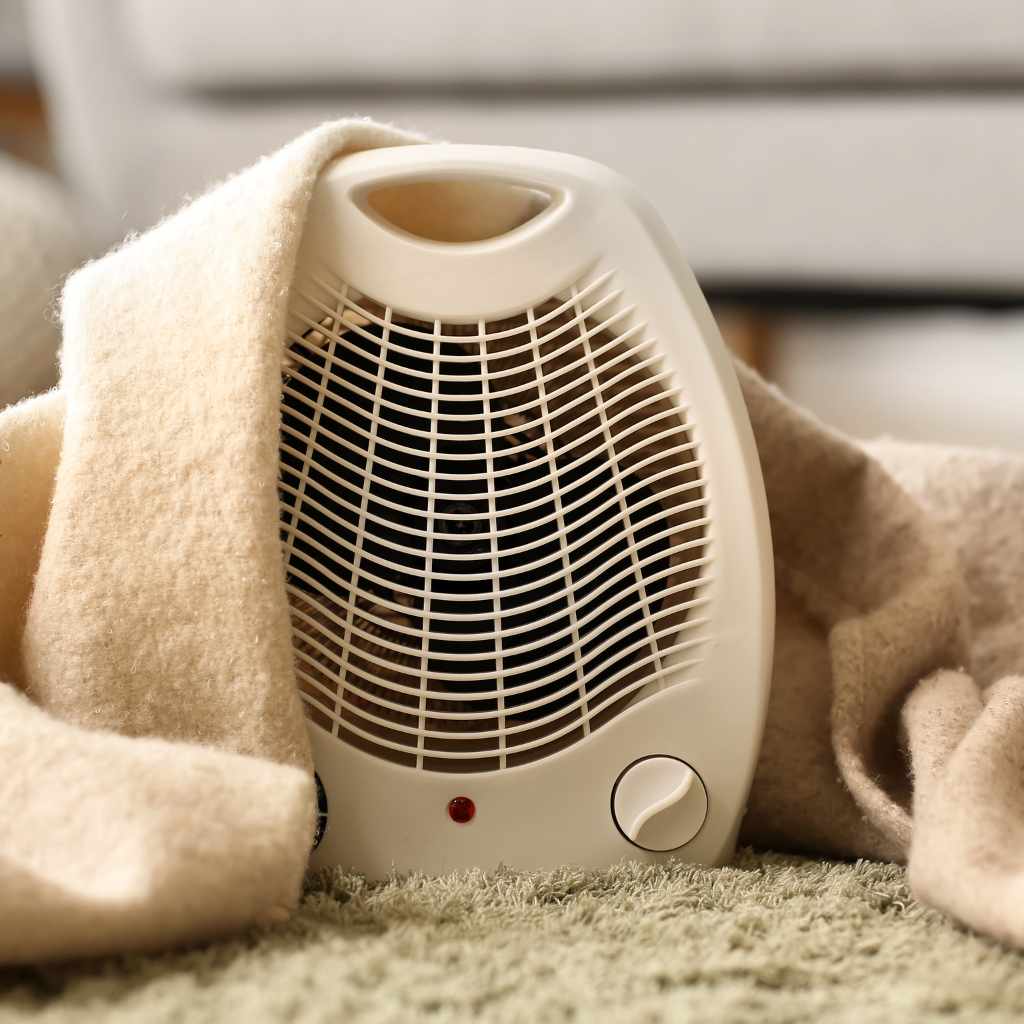
Health Risks and Benefits of Keeping the Heater On
Using your heater has health risks and benefits. It keeps you warm in the winter, which is nice. However, it can also lead to some health issues if you’re not careful. Keeping the heater on impacts several factors including your respiratory system and skin health. It is not as simple as asking Is Keeping the Heater On Bad for You? as there are also factors to consider.
Respiratory System Impact
The air quality that your heater affects impacts your breathing. Dry air from the heater can irritate your airways. This can cause problems for people with asthma, allergies, and other breathing problems. It is key to understand how the heater impacts your respiratory system to know if keeping it on is right for you. It’s an important part of knowing whether Is Keeping the Heater On Bad for You? is true.
- Irritation of Airways: Dry air can dry out the lining of your nose and throat, making them feel scratchy and irritated. This can lead to coughing and a stuffy nose.
- Exacerbation of Asthma and Allergies: For people with asthma or allergies, dry air can worsen symptoms. It can trigger asthma attacks and increase allergy symptoms.
- Reduced Mucus Production: Dry air can reduce mucus production, which is important for trapping germs and dust. This makes it easier for you to get sick.
- Spread of Airborne Viruses: Dry air can help viruses like the flu and the common cold to spread more easily. This is because these viruses thrive in dry conditions.
You can use a humidifier to help with the dry air. Keep your heater cleaned. You should also replace your air filters to improve air quality. Make sure your home is properly ventilated by opening windows for a few minutes each day. These steps will reduce risks to your respiratory health.
Skin Health Considerations
The heater’s effect on your skin is often overlooked. Dry air from the heater can dry out your skin, making it itchy, flaky, and uncomfortable. This is especially true in the winter months when the air outside is cold and dry. Your skin is your body’s outer layer, and it plays an important role in your health and well-being. Think about this as you consider Is Keeping the Heater On Bad for You?
- Dryness and Itching: When the air is dry, it pulls moisture from your skin. This can make your skin feel tight, itchy, and uncomfortable.
- Eczema and Dermatitis: Dry air can worsen skin conditions such as eczema and dermatitis. It can trigger flare-ups and make symptoms like redness and itching worse.
- Cracking and Flaking: Extremely dry skin can crack and flake, which can lead to open sores and infections.
- Increased Sensitivity: Dry skin can be more sensitive to irritants like soaps, detergents, and perfumes.
Use a humidifier. You should also use moisturizing soaps and lotions. Drink plenty of water to keep your skin hydrated from the inside out. Consider taking shorter, cooler showers. These steps help keep your skin healthy and comfortable.
Temperature and Comfort Balance
Finding the right balance between a comfortable temperature and health is key. You want to be warm and cozy, but you do not want to risk your health. Temperature has a big impact on sleep. You also have to consider air quality. Thinking about these things will help you answer Is Keeping the Heater On Bad for You?
- Personal Comfort: The ideal temperature varies for each person. Some people feel best at a warmer temperature, while others prefer it cooler.
- Health Considerations: As noted, too high a temperature can make the air dry. It can increase your risk of respiratory issues and skin problems.
- Energy Efficiency: Setting your thermostat at a moderate temperature saves energy and lowers your utility bills.
- Seasonal Adjustments: You might prefer different temperatures at different times of the year. You can adjust your thermostat based on the weather conditions.
To find the right balance, start by setting your thermostat at a comfortable temperature. Monitor your skin and how you feel. Use a humidifier. Make adjustments as needed. This will help you find the best balance.
Strategies for Safe and Efficient Heater Use
Using your heater safely and efficiently will help you stay warm, healthy, and save money. You can take some important steps to make sure your heating system works well. This information can help you decide if the answer to Is Keeping the Heater On Bad for You? for you is yes or no.
Regular Maintenance and Safety Checks
Taking care of your heating system keeps it working safely and well. You need to do regular maintenance and safety checks to make sure your heater is in good shape. This helps reduce risks and improve how well it works. These things will also help you consider the question, Is Keeping the Heater On Bad for You?
- Professional Inspections: Have a professional inspect your heating system every year. The technician can find any problems and make sure your system is working well.
- Filter Replacements: Change your air filters regularly, usually every 1-3 months. Clean filters help improve air quality and improve the efficiency of your system.
- Ventilation Checks: Make sure your vents are clear and not blocked. Blocked vents can reduce airflow and make your system work less efficiently.
- Carbon Monoxide Detectors: Install carbon monoxide detectors near bedrooms and living areas. Make sure you test the batteries regularly.
You can extend the life of your heating system by taking care of it. Regular maintenance will also help save on energy bills. Regular safety checks can protect you and your family.
Optimal Thermostat Settings and Usage
How you use your thermostat can affect your health, energy bills, and comfort. Setting the thermostat in the best way is important. This is one thing to consider when deciding, Is Keeping the Heater On Bad for You?
- Programmable Thermostats: Use a programmable thermostat to set different temperatures for different times of the day. You can lower the temperature when you are away or asleep to save energy.
- Smart Thermostats: Smart thermostats learn your habits and adjust the temperature automatically. They also help you monitor and control your energy usage.
- Temperature During the Day: The best temperature to set the thermostat during the day is often between 68 and 70 degrees Fahrenheit (20-21 degrees Celsius).
- Temperature at Night: Lower the temperature by a few degrees at night, to around 62-65 degrees Fahrenheit (17-18 degrees Celsius).
Experiment to find the settings that work best for your home and your needs. You can change them according to the season. Adjust the settings to save energy and stay comfortable. Also consider keeping doors and windows shut to conserve heat.
Humidity Control and Air Quality Solutions
Controlling humidity and improving air quality are important. The heater can make the air dry, so you should control humidity to keep the air comfortable and healthy. You should also consider this when you’re deciding, Is Keeping the Heater On Bad for You?
- Humidifiers: Use a humidifier to add moisture to the air. You should clean your humidifier regularly to prevent mold and bacteria.
- Dehumidifiers: If the air is too humid, use a dehumidifier. They help control the growth of mold and mildew.
- Air Purifiers: An air purifier can remove dust, pollen, and other pollutants from the air. This improves your air quality, especially if you have allergies.
- Ventilation: Open windows for a few minutes each day. This lets fresh air into your home.
Using humidifiers, dehumidifiers, and air purifiers improves your indoor environment. You should also try to ventilate your home and clean it regularly. You can also make sure you maintain a comfortable and healthy living space.
Real-Life Examples and Scenarios
These examples will help you see the risks and benefits of keeping your heater on. These scenarios show how the decisions impact real people. They are meant to show you the practical implications of the question: Is Keeping the Heater On Bad for You?
- Scenario 1: The Family with Asthma: A family lives in a cold climate, and the parents use the heater all the time. The daughter has asthma. The constant heat dries out the air. Her asthma flares up more often. She ends up missing school and needing more medication. The family then decides to use a humidifier. They also set the thermostat to a lower temperature at night. The daughter’s symptoms improve.
- Scenario 2: The Budget-Conscious Senior: An older man wants to keep his house warm to stay comfortable. He is on a fixed income. He leaves his heater on all day and night. He gets a large energy bill. He cannot pay it. He turns the heat down, but then he feels cold. He gets sick. He invests in a programmable thermostat and gets help from a community energy assistance program. This helps him to balance his budget.
These examples show how important it is to consider how you use your heater. Think about your family’s needs and how they will be impacted. Make a plan to keep your home warm and your family healthy.
| Scenario | Challenge | Solution | Outcome |
|---|---|---|---|
| Asthma Family | Asthma flare-ups due to dry air | Humidifier, lower thermostat at night | Fewer asthma symptoms |
| Budget-Conscious Senior | High energy bills and illness from cold | Programmable thermostat and community help | Lower bills and improved health |
Frequently Asked Questions
Question: Is it bad to leave your heater on all day?
Answer: It’s not inherently “bad,” but it can lead to problems. Constant use can dry the air, increase energy costs, and potentially affect your health. Using it responsibly with humidity control and proper thermostat settings is important.
Question: How does keeping the heater on affect my skin?
Answer: It can make your skin dry and itchy. The heater dries the air, which can remove moisture from your skin. This can make your skin uncomfortable, and it can worsen conditions like eczema.
Question: What’s the best temperature to set my thermostat?
Answer: It depends on your preference and health. During the day, 68-70°F (20-21°C) is often a good range. At night, a slightly cooler temperature, such as 62-65°F (17-18°C), can be beneficial for sleep.
Question: How can I save money on heating costs?
Answer: You can use a programmable thermostat to lower the temperature when you are away or asleep. You should also make sure your home is properly insulated and use weather stripping to seal gaps around doors and windows.
Question: What are the signs of poor air quality in my home?
Answer: Dry skin, itchy eyes, a scratchy throat, and frequent colds or allergies are all signs of poor air quality. If you see condensation on windows, you should also be concerned.
Final Thoughts
So, the answer to the question “Is Keeping the Heater On Bad for You?” is not as simple as yes or no. The answer depends on your choices. Consider how the heater impacts your health, the air quality in your home, and how much it will cost you. You need to balance keeping your home warm and cozy with the need to stay healthy and save money. You can take steps to manage your heating system well. This includes setting the thermostat to a reasonable temperature, making sure the air has the right amount of moisture, and getting your system checked to see if it is working well.
Think about these points. Make a plan that works for you. Use a humidifier. Get your heating system checked every year. Consider using a smart thermostat. By keeping these tips in mind, you can have a comfortable and healthy home. You can keep warm during the winter without risking your health or breaking the bank.