Do Electric Outdoor Heaters Work for Patios?
Yes, electric outdoor heaters absolutely work effectively for extending patio season and creating cozy outdoor spaces. When chosen correctly for your area and type of use, they offer instant, reliable warmth, proving to be an essential upgrade for maximizing your outdoor living enjoyment throughout the year.
For space-specific heating decisions, Do Portable Outdoor Heaters Propane Tanks gives readers another practical setup to compare.
For space-specific heating decisions, Are Pool Heaters Electric or Gas gives readers another practical setup to compare.
If cost, wattage, or efficiency matters, Are Electric Pool Heaters Expensive to Run adds a useful comparison before choosing a heater.
When the sun starts to dip, does your outdoor entertaining abruptly end? It is a frustrating feeling when you want to enjoy your deck or patio, but the chill chases you inside. Many homeowners wonder if electric outdoor heaters are truly strong enough to battle the evening breeze or cooler weather. You are not alone in this doubt!
The good news is that modern electric heaters are powerful, efficient, and perfectly capable of making your outdoor space delightfully warm. Forget complicated gas lines or heavy fuel tanks. We are going to break down exactly how these heaters work, prove their effectiveness, and show you how to pick the very best one for your needs. Let’s unlock longer patio seasons together!
Understanding How Electric Outdoor Heaters Create Heat
When we talk about electric outdoor heaters, we are usually discussing two main types that use electricity to keep you warm: infrared (radiant) heaters and convection heaters. Understanding how they send warmth is key to knowing if they work for your space.
Infrared (Radiant) Heat: The Closest Thing to Sunshine
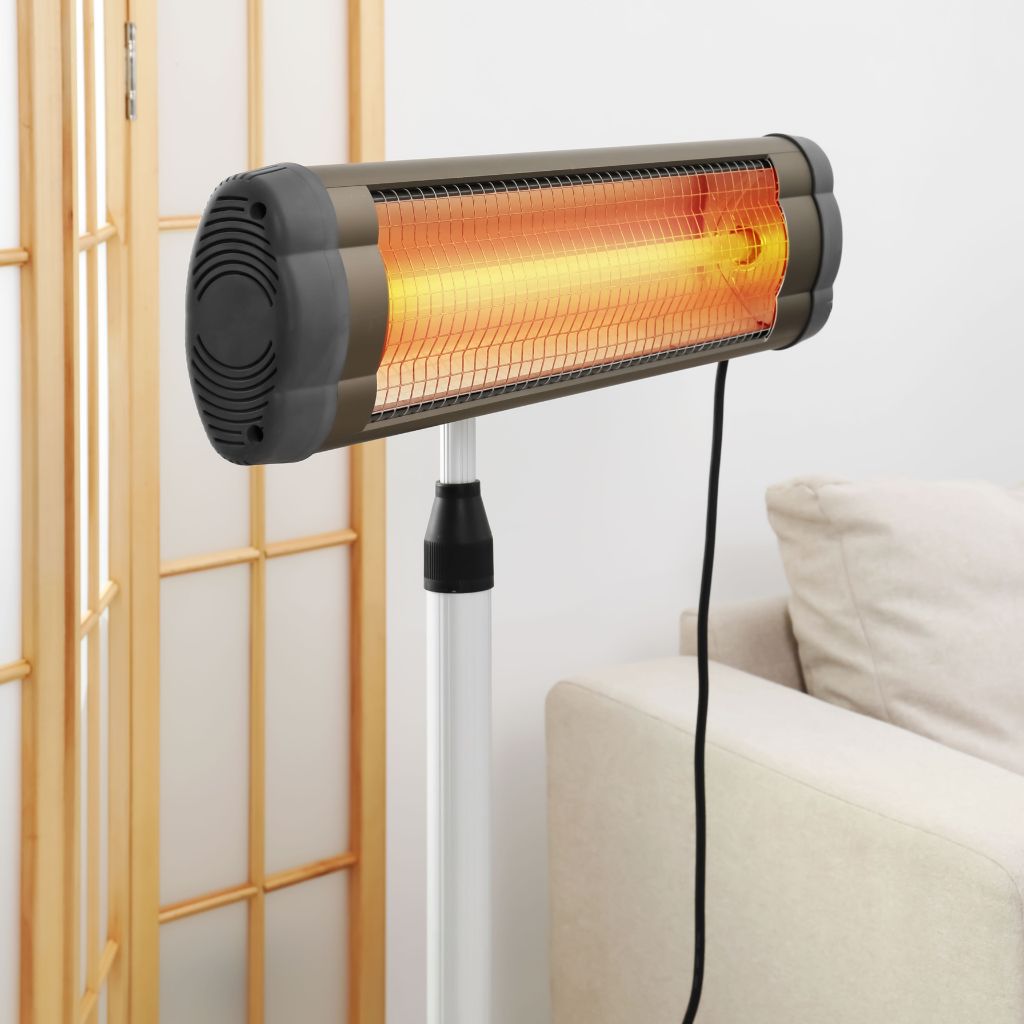
Most popular and effective patio heaters use infrared technology. Think about the warmth you feel standing near a bonfire or under the midday sun—that is radiant heat. It works by heating objects and people directly, not the air around them.
How Radiant Heat Works:
- An electric element glows very hot (often orange or red).
- This element emits infrared rays.
- These waves travel through the air unimpeded until they hit a solid surface (you, a chair, the floor).
- The surface absorbs the energy and radiates that warmth back, making you feel instantly cozy.
This direct heating method is why radiant heaters are so effective outdoors. On a breezy night, the air might be cold, but the person standing underneath the heater still feels the heat because the rays aren’t easily blown away.
Convection Heat: Warming the Air
While less common for main outdoor patio use, some electric heaters work by heating the air directly. These are more common indoors but worth noting.
Convection heaters warm the air around them, and that warmed air then naturally rises and circulates. This is great for enclosed spaces, perhaps a screened-in porch, but in an open outdoor area, the warm air quickly escapes and is replaced by cold air—making them less efficient for open patios.
The Proof: Do Electric Outdoor Heaters Really Work?
The primary concern for any homeowner is effectiveness. If you spend money on a heater, you need it to deliver real comfort. The answer to “do electric outdoor heaters work?” is a resounding yes, particularly when you consider their specific advantages in an outdoor setting.
Effectiveness Factors to Consider
Electric heaters work best when you manage expectations about their range and environment. They are area-specific heaters, not whole-patio central-heating systems.
- Proximity Matters: Radiant heaters need you to be relatively close (usually within 6 to 12 feet) to feel the full benefit. They are like a personal warm spotlight.
- Wind Impact: While radiant heat is much less affected by wind than blowing or convection heat, very strong winds can still disperse the warmth slightly. A wise placement can mitigate this.
- Power Density: Electric heaters usually range from 1,500 to 5,000 watts. Higher wattage means stronger, more immediate heat emission for larger zones.
To ensure you get the best performance, focus on units with high Infrared Heat Flux (IHF) ratings, which measures how efficiently they transfer heat energy.
Temperature Comparison: Gas vs. Electric
Many people default to propane or natural gas heaters because they are historically perceived as more powerful. However, modern electric units stand up well, especially when considering usability and cost per hour.
| Feature | High-End Electric Patio Heater (e.g., 5,000W) | Propane Patio Mushroom Heater |
|---|---|---|
| Heat Delivery Method | Direct Radiant Heat | Convection/Radiant Mix |
| Installation/Setup | Plug-in (requires proper outdoor circuit/GFCI) | Assemble, requires propane tank management |
| Running Cost (Per Hour) | Generally lower and consistent (based on utility rates) | Variable (fluctuates based on propane tank size/price) |
| Maintenance | Very low (cleaning elements occasionally) | Tank refills, regulator checks |
| Safety Concern | Electrical safety, circuit load | Carbon Monoxide risk, fire risk from open flame/tank |
Essential Types of Electric Outdoor Heaters
Once you know they work, the next step is choosing the right tool for the job. Electric patio heaters come in three main formats, each suited for different types of outdoor spaces.
1. Electric Hanging/Ceiling-Mounted Heaters
These are ideal for covered patios, pergolas, gazebos, or outdoor kitchens. Installation is permanent (or semi-permanent via a ceiling mount), keeping the floor space clear.
- Pros: Out of the way, provides excellent overhead heating coverage, highly durable.
- Cons: Requires professional or confident DIY electrical installation, less flexible placement.
- Best For: Fixed outdoor dining or seating areas under a roof structure.
2. Electric Wall-Mounted Heaters
Similar to hanging units, these bolt directly onto an exterior wall. They often look sleek and modern.
- Pros: Great heat distribution angle, very stable, excellent contemporary look.
- Cons: Permanent location, requires wall structure strong enough to hold the unit and wiring conduit.
- Best For: Heating areas immediately adjacent to the house, like a balcony or porch entryway.
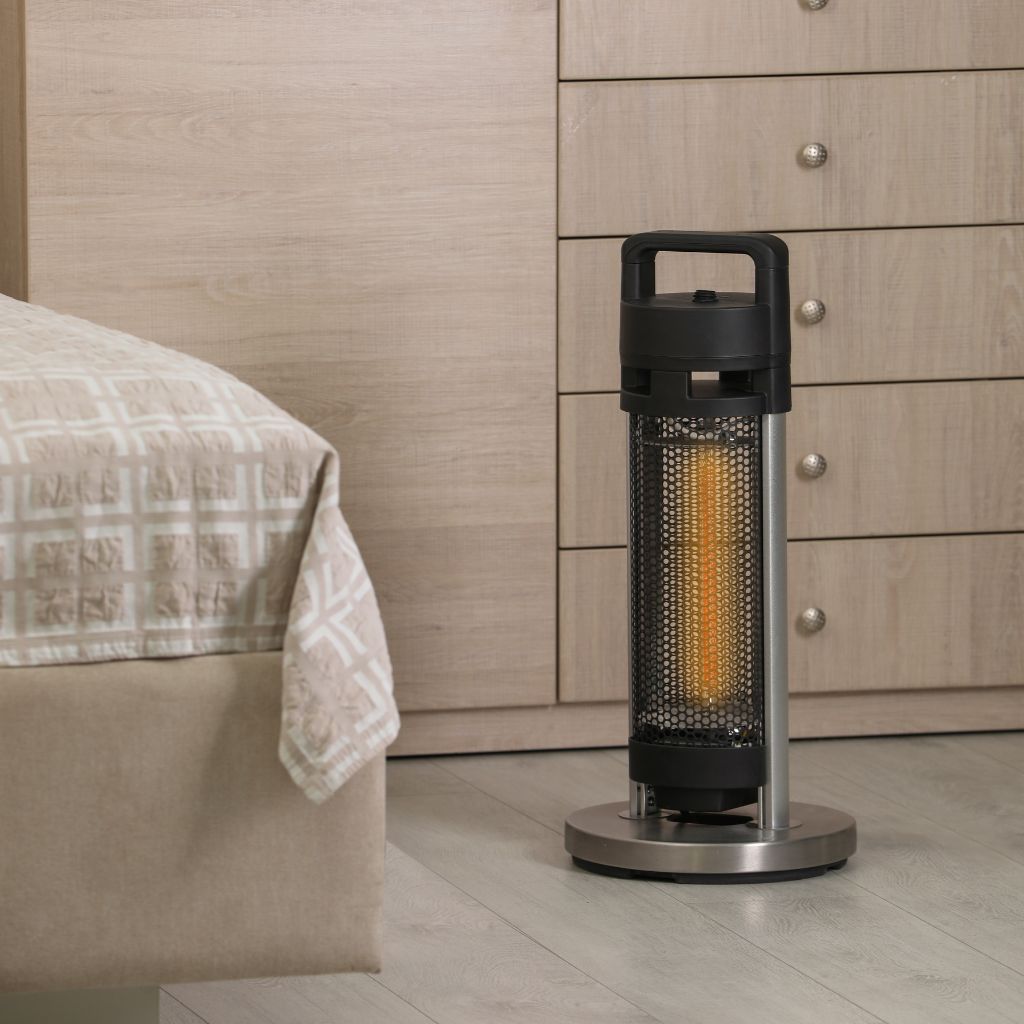
3. Electric Freestanding/Portable Heaters
These look like tall metal towers with a heating element at the top. They simply plug into a standard outdoor outlet.
- Pros: Ultimate flexibility—move them exactly where the guests are sitting. Easy setup.
- Cons: Take up floor space, can be a tripping hazard if not placed carefully, generally lower heating power than hardwired units.
- Best For: Temporary gatherings, renters, or smaller side yards where permanent installation isn’t possible.
Installation and Safety: Ensuring Your Heater Works Reliably
The “working” part of the question heavily relies on safe and correct setup. Because electric outdoor heaters draw significant power, you must treat the installation with respect to avoid tripping breakers or creating a hazard.
Power Requirements: The Crucial Electrical Check
For an electric heater to perform optimally without constantly tripping your circuit breaker, it needs adequate amperage from your home’s external wiring.
- 1,500 Watts (Standard): This usually runs on a standard 15-amp household circuit and is suitable for small, close areas.
- 2,000 to 3,000 Watts: This provides much more noticeable heat suitable for most dining settings but might require a dedicated 20-amp circuit.
- 4,000+ Watts (Commercial Grade): These require serious electrical consideration, often needing a dedicated 30-amp circuit run specifically to the desired heater location.
Always check the amperage draw listed on the heater’s specifications. For the safest and most effective setup, especially for hardwired or high-wattage units, consult with a qualified electrician. You can find excellent safety guidelines regarding outdoor appliance wiring from certified sources like the Electrical Safety Foundation International (ESFI).
Location, Location, Location: Placement Tips
Even a powerful heater won’t feel effective if placed poorly. Remember: heat rises, and wind shifts air!
- Stay Under Cover (If Possible): Radiant heat is fantastic, but pairing it with a ceiling or overhead covering (like a pergola roof or awning) retains heat much better than in the completely open air.
- Measure the Distance: For most portable units, position seating about 6 to 8 feet away for ideal contact heat.
- Mind the Clearance: Never point an electric heater directly toward flammable materials. Check the manufacturer’s required minimum clearance distance (usually 2–3 feet) from walls, overhangs, and low-hanging fabrics or plants.
- Use GFCI Outlets: Ensure any portable unit plugs into a Ground Fault Circuit Interrupter (GFCI) outlet. This is a crucial safety feature that instantly cuts power if water causes a short, protecting you.
Maximizing Comfort: Tips for Getting the Most Heat
You have the right heater; now let’s optimize the area to make sure every bit of energy creates maximum coziness. This turns “do they work?” into “wow, it’s toasty!”
Insulate Your Outdoor Space
Since you are fighting the outside air, you need to create a semi-enclosed feeling to trap the radiant heat bubble.
- Wind Breaks: Use outdoor curtains, screens, or even strategically placed large potted plants to block directional wind flow near your seating area.
- Use Outdoor Rugs: Cold concrete or stone patios suck heat from anything touching them. An outdoor rug helps insulate the ground area, meaning less heat is lost downward.
- Opt for Overhead Coverage: If you don’t have a permanent roof, an umbrella with thick, high-quality fabric offers better heat retention than nothing.
Layer Up Your Heat Sources
For larger decks or cooler evenings, relying on one central heater might not be enough. Layering heat sources boosts comfort significantly.
Layering Strategy Example:
- Primary Heat: One 4,000W ceiling-mounted infrared heater directly above the dining table.
- Secondary Heat: One small, low-level freestanding unit placed near the couch where people tend to linger longer.
- Personal Warmth: Have cozy outdoor throws or blankets readily available for guests. This cuts down on the required operational temperature of the heaters.
Use the Right Settings
Most quality electric heaters offer multiple heat settings (e.g., Low, Medium, High). Don’t just blast them on High!
Start on Medium. Allow 10–15 minutes for the space to warm up around the occupants. Only step up the heat if guests are still feeling a chill. This conserves energy and electric costs.
Comparing Cost: Operation vs. Initial Purchase
Investment planning is important. While electric heaters often have a higher initial purchase price than basic propane models, their long-term running costs tell a different story, which is a compelling reason homeowners choose them.
Initial Cost Considerations
Wall-mounted or permanent ceiling units will involve costs for the unit itself, mounting hardware, and potentially electrician labor for wiring up a new circuit. Freestanding units are plug-and-play, carrying just the cost of the heater.
Calculating Running Costs (The True Cost)
Running electric heaters is generally very predictable compared to running propane tanks. To figure out your cost, you need to know the wattage (W) and your electricity rate (cents per kilowatt-hour, or kWh).
Formula: (Watts / 1000) x Hours Operated x Cost per kWh = Total Cost
Example Scenario:
| Heater Wattage | Estimated Running Hours | Assumed Rate (e.g., $0.15/kWh) |
|---|---|---|
| 3,000W (High Setting) | 4 Hours | ($3.0 text{ kW}) times 4 text{ hrs} times $0.15/text{kWh} = mathbf{$1.80} text{ per night} |
| 1,500W (Low Setting) | 4 Hours | ($1.5 text{ kW}) times 4 text{ hrs} times $0.15/text{kWh} = mathbf{$0.90} text{ per night} |
As you can see running costs are often calculated in less than two dollars per evening session for moderate use, which is highly competitive against the cost of purchasing and exchanging multiple propane tanks over a season.
Maintenance for Longevity: Keeping Your Heater Effective
Electric heaters are famous for being “set it and forget it,” but a tiny bit of care ensures they work brilliantly for years.
Routine Cleaning
Dirt, pollen, and spider webs can build up on the heating elements or reflector shields, blocking heat transmission. On your first use of the season and perhaps mid-season:
- Ensure the unit is completely unplugged and cool.
- Use a soft cloth or a lightly damp sponge to gently wipe down the reflector screen and the element guard.
- Do not use harsh chemical cleaners.
- For ceiling units, use a long-handled, soft duster to remove dust from the housing.
Checking Connections
For all units, especially freestanding ones that might wobble slightly over time:
- Check the power cord for any signs of fraying or cracking.
- Ensure the plug fits snugly into the outdoor outlet.
- If you notice any buzzing or unusual smells when running the heater, unplug it immediately and have an electrician assess the circuit or the unit itself.
FAQ Section: Simple Answers for Homeowners
Q1: Can I leave my electric patio heater outside all year long?
A: Most high-quality electric patio heaters are designed with high Ingress Protection (IP) ratings (like IP55 or higher) which mean they can resist dust and rain. However, it is always best practice to cover them during extreme weather or the off-season to prevent mineral buildup and accidental damage.
Q2: Do I need a special outlet for an electric outdoor heater?
A: Many smaller (under 1,800W) units plug into a standard 15-amp outdoor GFCI outlet. Larger, more powerful models (over 3,000W) usually require a dedicated 20-amp or 30-amp circuit installed specifically for safe, uninterrupted operation.
Q3: When I stand under an electric heater, why do I feel warm immediately?
A: This happens because electric outdoor heaters primarily use infrared (radiant) heat. This type of heat warms objects directly—like you and your furniture—rather than spending time trying to heat the surrounding cold air. It feels near-instantaneous.
Q4: Are electric outdoor heaters more energy-efficient than propane?
A: When measured by the heat delivered directly to the target area, electric radiant heaters are highly efficient because they lose very little energy to wind dispersion (unlike gas heating, which loses heat as soon as the combustion air moves). Your final running cost depends on your local utility rate versus the price of propane.
Q5: What wattage is best for keeping a small 10×10 patio warm?
A: For a standard 10×10 area where people are seated fairly close to the heater, a high-quality 2,000W to 3,000W unit should provide substantial, comfortable warmth, especially if the area is partially protected from wind.
Q6: Can I use an extension cord with my electric outdoor heater?
A: Generally, this is strongly discouraged by manufacturers, especially for high-wattage heaters. If you absolutely must use one for a short distance, it must be an outdoor-rated cord with a gauge thick enough (low resistance, e.g., 12-gauge or lower) to handle the high amperage draw without overheating or reducing the heater’s efficiency.
Conclusion: Your Cozy Outdoor Extension Awaits
The question of “do electric outdoor heaters work?” is settled: they are highly functional, reliable, and offer a clean, easy-to-manage source of radiant warmth that transforms chilly evenings.