Propane Buddy Heaters Are Safe Indoors with Ventilation
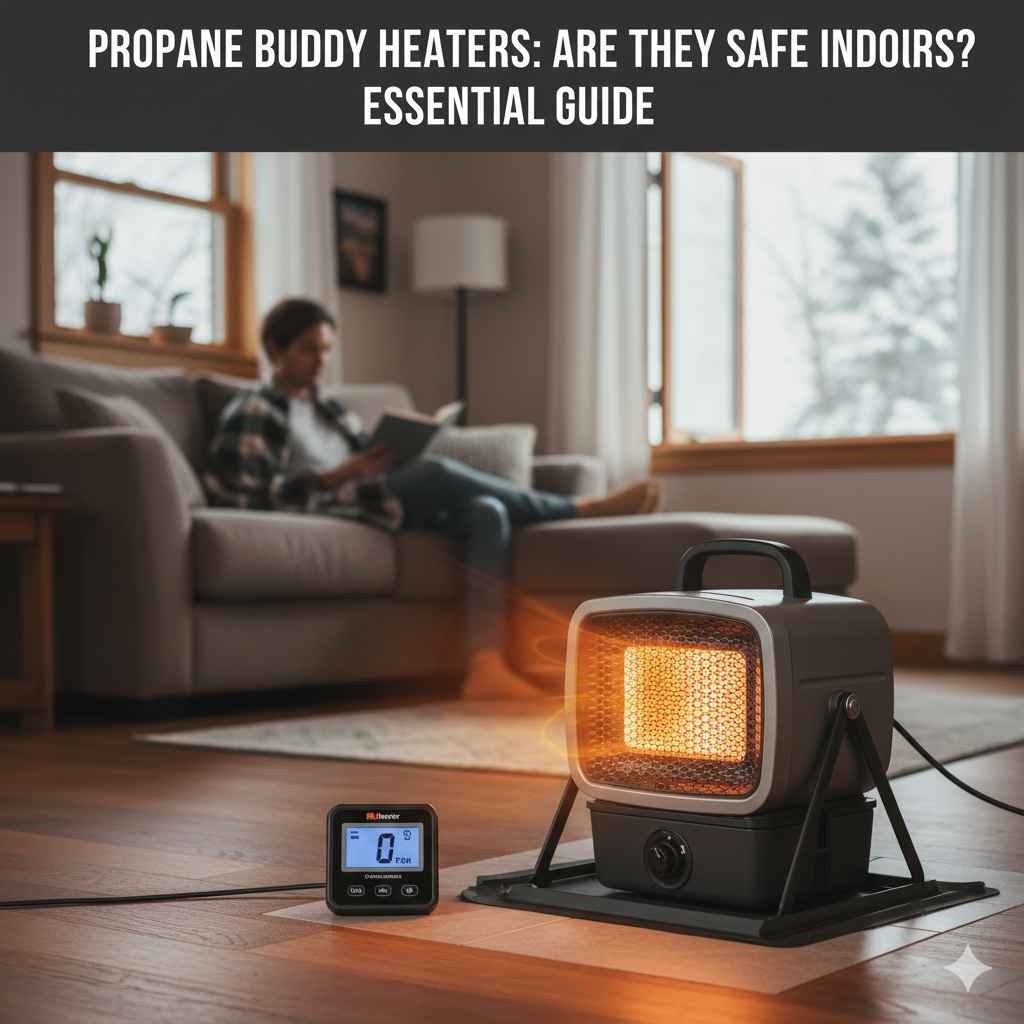
Propane Buddy heaters can be used safely indoors with strict adherence to safety guidelines, proper ventilation, and regular maintenance. Never use them in unventilated spaces or as a primary heat source. Always prioritize safety protocols to prevent carbon monoxide poisoning and fire hazards.
Feeling that chill creep in and looking for a cozy, portable way to warm up your space? Portable propane heaters, often called “Buddy heaters,” are popular for their convenience. But a big question always pops up: are propane Buddy heaters safe to use indoors? It’s a question worth asking, as the answer is a bit nuanced. We’re here to break it down for you, step-by-step, so you can enjoy warmth without worry. Let’s explore how to use these heaters safely and effectively in your home and when they might not be the best choice.
Understanding Propane Buddy Heaters
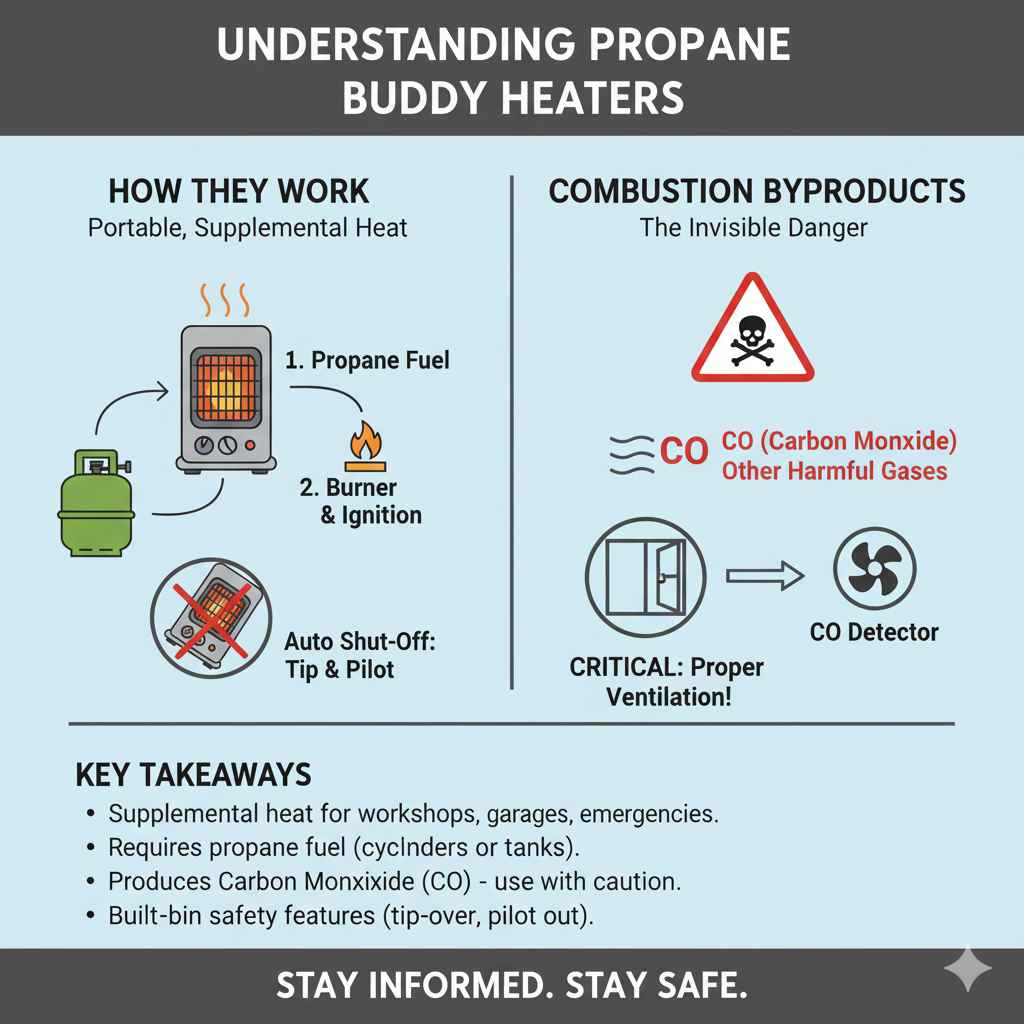
Propane Buddy heaters are designed to provide supplemental heat in various settings, from workshops and garages to emergency situations. Their portability and reliance on propane fuel make them attractive for spaces without permanent heating systems. They work by burning propane to create heat, which then circulates into the room. However, this combustion process also produces byproducts, which is where safety concerns arise.
How Propane Heaters Work
At their core, these heaters are simple but effective. A propane tank (typically a 1lb disposable cylinder or a larger refillable one with an adapter hose) connects to the heater. When you ignite the heater, a valve opens, allowing propane to flow to the burner. The burner mixes this propane with air and ignites it, releasing heat. Modern Buddy heaters have safety features built-in to shut off the gas supply if the pilot light goes out or if the heater is tipped over.
The Combustion Byproducts
The primary concern with burning propane indoors is the production of carbon monoxide (CO). CO is an odorless, colorless gas that is extremely dangerous. Incomplete combustion can also lead to other harmful gases. This is why adequate ventilation is the absolute most critical factor when using any propane-burning appliance indoors.
Are Propane Buddy Heaters Safe Indoors? The Essential Safety Checklist
The short answer is: yes, under specific, controlled conditions and with strict adherence to safety protocols. Propane Buddy heaters are not designed for continuous, primary heating in enclosed living spaces like bedrooms or tightly sealed living rooms. They are best suited for well-ventilated areas or for temporary use during power outages or in workshops.
Key Safety Considerations
To use a propane Buddy heater safely indoors, you must prioritize ventilation, monitor the environment, and maintain the heater properly. Here’s a breakdown of what you need to know:
- Ventilation is Non-Negotiable: This is the single most important safety aspect. Always ensure there is fresh air entering the space.
- Never in Unventilated Areas: Do not use them in small, enclosed spaces with no air circulation (e.g., basements without vents, RVs without proper ventilation systems, bedrooms, tents).
- Carbon Monoxide Detectors: Always have working CO detectors installed in areas where you might use a propane heater. Test them regularly. Refer to guidelines from the Consumer Product Safety Commission (CPSC) for more information on CO safety.
- Supervision is Key: Never leave a propane heater unattended, especially around children or pets.
- Fuel Source Management: Use only approved propane cylinders. Inspect hoses and connections for leaks before each use.
- Clearance: Keep the heater at least 3 feet away from combustible materials like curtains, furniture, bedding, and paper.
- Stable Surface: Always place the heater on a level, stable surface to prevent tipping.
- Emergency Use Only: Consider them for temporary heating needs or in areas where you can actively manage ventilation, not as a replacement for your home’s primary heating system.
Understanding Ventilation Requirements
What exactly does “adequate ventilation” mean? For indoor use, especially in residential settings, it generally implies allowing fresh air in to dilute any combustion byproducts. This can mean opening a window or door slightly, or ensuring your space has active air exchange. For specific recommendations, consult the heater’s manual. Some models are designed for better indoor air quality and may have specific ventilation requirements outlined by the manufacturer, often requiring a certain square footage per BTU output or specific vent openings.
As a general guideline, the Occupational Safety and Health Administration (OSHA) recommends robust ventilation practices for any fuel-burning appliances to keep CO levels below dangerous thresholds.
When is it SAFE to Use a Buddy Heater Indoors?
Buddy heaters are most safely used in the following scenarios:
- Garages and Workshops: These spaces are often larger and may have existing ventilation (like garage doors that are opened frequently). Ensure you have a CO detector and that the space isn’t completely sealed.
- During Power Outages (with extreme caution): If your home loses heat due to a power outage, a Buddy heater can provide temporary warmth. However, you MUST employ the safety checklist above rigorously. Open a window slightly in the room you are using it in, and ensure CO detectors are active. Do NOT use in bedrooms or sealed areas.
- Well-Ventilated Porches or Sunrooms: If these areas have good air circulation and are not fully enclosed living spaces, they may be suitable.
- Camping/RVing (with specific models and strict rules): Some propane heaters are specifically designed for RVs or tents and come with enhanced safety features and ventilation requirements. Always use models approved for this purpose and follow manufacturer instructions precisely regarding ventilation. Never use a standard indoor Buddy heater in a tent.
It’s crucial to understand that “indoor use” for these heaters typically means supplemental, temporary, or specialized space heating, not primary residential heating.
When to AVOID Using a Buddy Heater Indoors
There are definite situations where indoor use of a Buddy heater is too risky:
- Unventilated Rooms: Any room without a way for fresh air to enter and stale air to exit is a no-go. This includes most bedrooms, bathrooms, and small, sealed closets.
- Habitable Spaces as Primary Heat: Using a Buddy heater as your main source of heat in your living room or dining room, especially for extended periods, can be dangerous if ventilation is not meticulously managed.
- Around Flammable Materials: If the area is cluttered with curtains, papers, cardboard boxes, or other flammable items, the risk of fire is too high.
- With Sleeping Occupants: Never use a propane heater in a room where someone is sleeping unless it’s specifically designed and certified for that purpose and has all safety features engaged, including the mandatory CO detector.
- Areas Without CO Detectors: If you don’t have a working carbon monoxide detector readily available, do not use the heater.
Setting Up Your Buddy Heater for Indoor Use: A Step-by-Step Guide
Ready to use your heater? Follow these steps carefully to ensure safety from start to finish.
Step 1: Read the Manual
Every heater model is slightly different. Before you do anything else, thoroughly read and understand the manufacturer’s instruction manual and safety warnings. This is your primary guide.
Step 2: Choose a Safe Location
Select a spot that is:
- On a level, stable surface.
- At least 3 feet away from any combustible materials (walls, furniture, curtains, bedding).
- In an area where you can easily provide ventilation.
Step 3: Check for Ventilation
Ensure there’s a way for fresh air to get in. This might mean:
- Opening a window or door slightly in the room where the heater is located.
- Ensuring the door to the room is open if it’s a generally well-ventilated area.
- If using in a garage, open the main garage door slightly or ensure vents are clear.
Step 4: Install Carbon Monoxide Detector(s)
Make sure you have working CO detectors installed in the room and, if possible, in adjacent areas where CO could seep. Test them to ensure they are operational.
Step 5: Connect the Propane Cylinder
- Use only approved propane cylinders (e.g., 1lb disposable cylinders or a larger tank with a proper adapter hose for your specific heater model).
- Ensure the heater’s control valve is in the OFF position.
- Screw the cylinder on tightly.
- Check for leaks: Apply a soapy water solution to the connection point. If bubbles appear, there’s a leak. Tighten the connection or replace the O-ring/hose if necessary. Do NOT use the heater if a leak is detected.
Step 6: Ignite the Heater
Follow your manual’s specific ignition instructions. Typically, this involves:
- Turning the control knob to the “Pilot” position.
- Pressing the ignition button or holding a lighter/match to the pilot light assembly.
- Once the pilot light is lit and holding, slowly turn the knob towards the “ON” position to ignite the main burner.
- Adjust the heat setting as needed.
Step 7: Monitor During Operation
Periodically check on the heater and the environment:
- Ensure the flame is steady and blue (a yellow or flickering flame can indicate incomplete combustion).
- Confirm the CO detector is not alarming.
- Do not leave the room unattended for long periods.
Step 8: Shutting Down the Heater
When you’re finished or leaving the area:
- Turn the control knob to the OFF position.
- Allow the heater to cool completely before handling or storing.
- Disconnect the propane cylinder when not in use for extended periods.
Propane Buddy Heater Safety Features Explained
Modern Buddy heaters come equipped with several safety features designed to minimize risks. Understanding these can increase your confidence in their safe operation.
| Safety Feature | Description | Why It’s Important |
|---|---|---|
| Tip-Over Safety Shut-Off | Automatically shuts off the gas supply if the heater is tilted or knocked over. | Prevents fires by cutting the fuel source if the flame is affected by the heater falling. |
| Oxygen Depletion Sensor (ODS) | Monitors the oxygen level in the air. If oxygen drops below a safe threshold, it shuts off the gas. | Helps prevent carbon monoxide buildup by detecting when there isn’t enough oxygen for complete combustion. |
| High-Temperature Shut-Off | Shuts down the heater if internal operating temperatures exceed safe limits. | Protects the unit from overheating and potential damage or fire hazards. |
| Thermostatic Control (on some models) | Regulates heat output to maintain a set temperature, preventing overheating and reducing fuel consumption. | Enhances safety by avoiding sustained high-heat operation and increasing efficiency. |
While these features are excellent safeguards, they are not a substitute for proper usage and ventilation. Always treat your Buddy heater with respect for its potential hazards.
Maintenance for Safe Operation
Regular maintenance ensures your heater continues to operate safely and efficiently. Neglected heaters can become hazardous.
Regular Checks
- Cleanliness: Keep the exterior of the heater clean. Ensure the burner area is free of dust, debris, and cobwebs.
- Hose and Connection Inspection: Regularly check the propane hose and all connections for cracks, kinks, or signs of wear. Replace any damaged parts immediately.
- Pilot Light and Burner: Ensure the pilot light and main burner flames are clean and blue. If they are yellow or sputtering, it indicates an issue that needs professional attention or cleaning according to the manual.
- Safety Sensor Functionality: Periodically test the tip-over shut-off by gently tilting the heater (while off and cool) to ensure it cuts the gas. Though the internal ODS and high-temp shut-off are harder to test, be aware of any unusual noises or smells that might indicate a problem.
When to Seek Professional Help
If you notice any of the following, stop using the heater immediately and consult a qualified technician or the manufacturer:
- Persistent yellow flames or incomplete combustion signs.
- Difficulty igniting or maintaining a flame.
- Any gas smell when the heater is off or on.
- Damage to the casing, controls, or safety features.
- Failure of the safety shut-off mechanisms.
Comparing Buddy Heaters to Other Indoor Heating Options
To put Buddy heater safety into perspective, let’s briefly look at other common heating solutions.
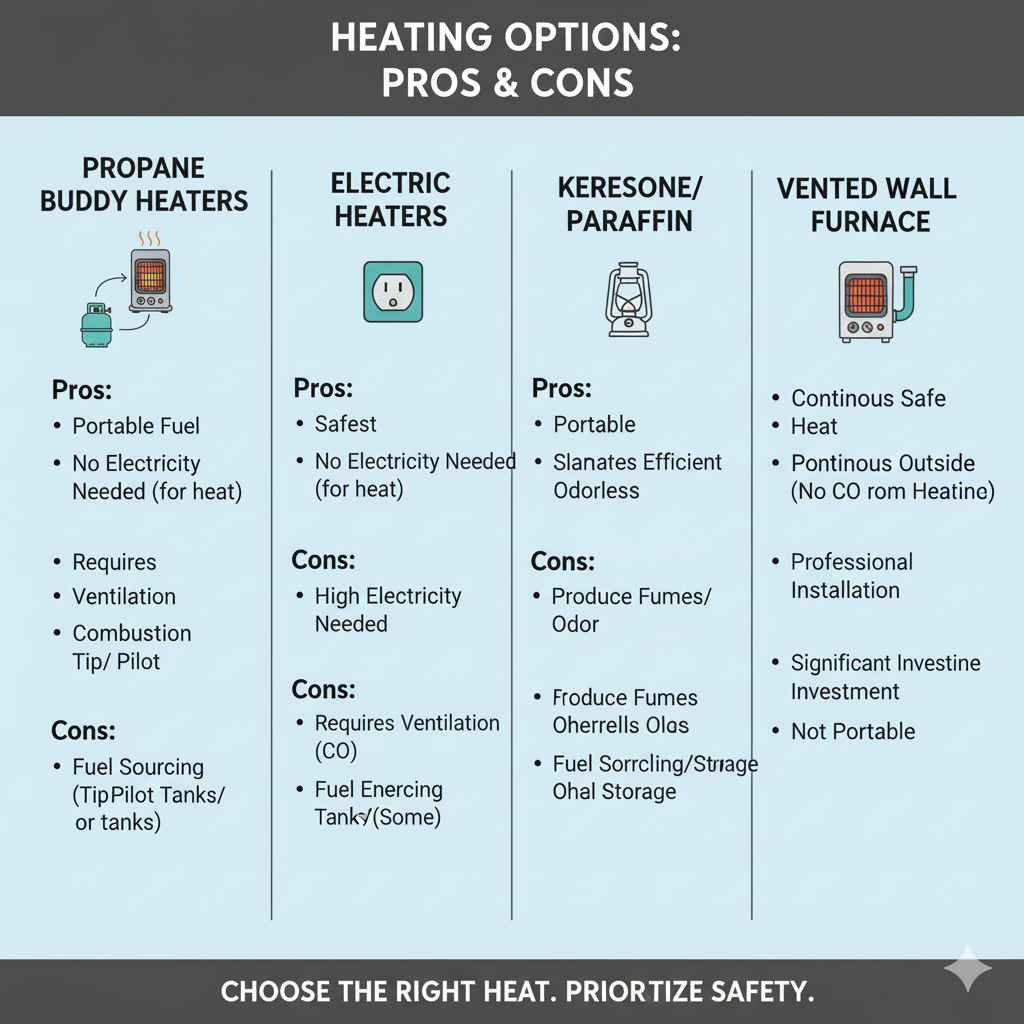
Electric Heaters
- Pros: Generally considered the safest option for indoor use as they don’t produce combustion byproducts like CO. They are odorless, flameless, and easy to operate.
- Cons: Require electricity, which can be a problem during power outages. Energy consumption can be high, potentially leading to higher electricity bills.
Kerosene or Paraffin Heaters
- Pros: Portable, efficient, and can operate without electricity.
- Cons: Produce fumes and carbon monoxide, requiring good ventilation. They also have a distinct odor and require a proper fuel supply. Many are not recommended for indoor residential use.
Propane Wall Furnaces or Central Heating
- Pros: Designed for continuous, safe indoor heating. Vent exhaust gases directly outside.
- Cons: Require professional installation, are a significant investment, and are not portable.
Buddy heaters occupy a niche for supplemental, portable heating. Their indoor safety is contingent on managing the risks associated with combustion. This is why electric heaters are typically the preferred choice for primary indoor heating if power is available.
Frequently Asked Questions (FAQ)
Q1: Can I use a propane Buddy heater in my basement?
A: Only if your basement is properly and continuously ventilated. Basements can be prone to CO buildup. Ensure you have working CO detectors and an air exchange system or an open vent to the outside. Never use it in a sealed basement. Always prioritize ventilation.
Q2: How often should I check my CO detector when using a Buddy heater?
A: It’s wise to do a quick visual check of your CO detector(s) before each use to ensure they are active and not displaying error messages. Test the detector monthly according to manufacturer instructions. If your detector ever alarms, evacuate immediately and call emergency services.
Q3: How long can a 1lb propane cylinder last in a Buddy heater?
A: A standard 1lb disposable propane cylinder typically lasts anywhere from 4 to 12 hours, depending on the heater’s heat setting (lower settings conserve fuel) and the specific model. High-output settings will drain the cylinder much faster.