Pool Heater Vs Heat Pump: Ultimate Heating Showdown
Choosing between a pool heater and a heat pump can feel like diving into the deep end without a life jacket. You want to make the most of your pool, extending your swimming season and ensuring that every dip is as comfortable as possible.
But with so many options out there, how do you decide which is best for you? This decision is more than just about warmth; it’s about energy efficiency, cost, and your personal swimming habits. Are you ready to transform your pool experience?
By understanding the differences between these two popular heating options, you can make an informed choice that will keep your pool inviting all year round. Dive in with us to uncover which option will suit your needs and lifestyle best.
Pool Heater Basics
Gas heaters, electric heaters, and solar heaters are common types. Gas heaters run on natural gas or propane. Electric heaters use electricity to warm the pool. Solar heaters use sunlight to heat the water. Each type has unique features and benefits.
Pool heaters warm the water. They take water from the pool. The heater then warms the water. Finally, they return it to the pool. Gas and electric heaters use energy. Solar heaters rely on the sun’s energy. This process keeps pool water comfortable.
Pool heaters can extend swim time. This is a big plus. They can be costly to operate. Gas heaters are fast but expensive. Electric heaters are slower but cheaper. Solar heaters are eco-friendly, but need sunlight. Each type has pros and cons.
Heat Pump Fundamentals
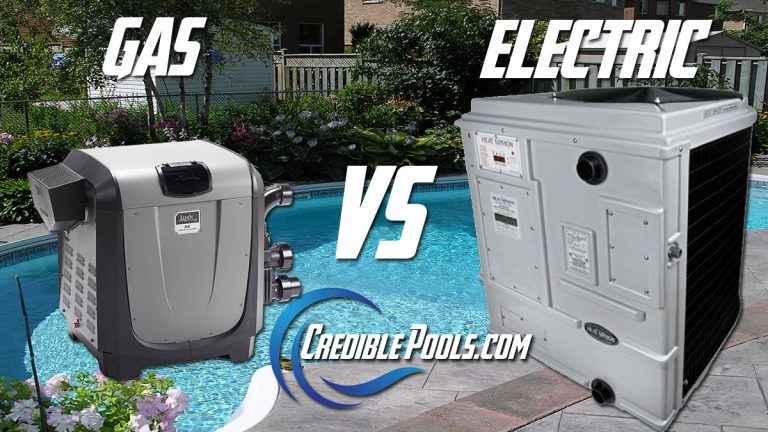
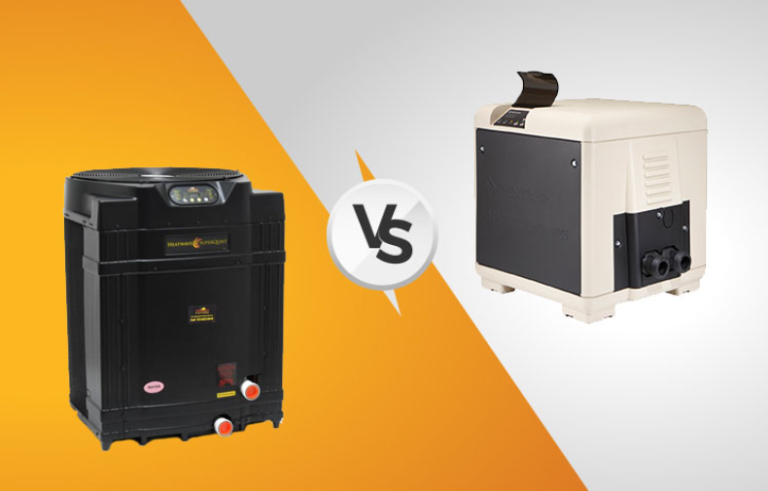
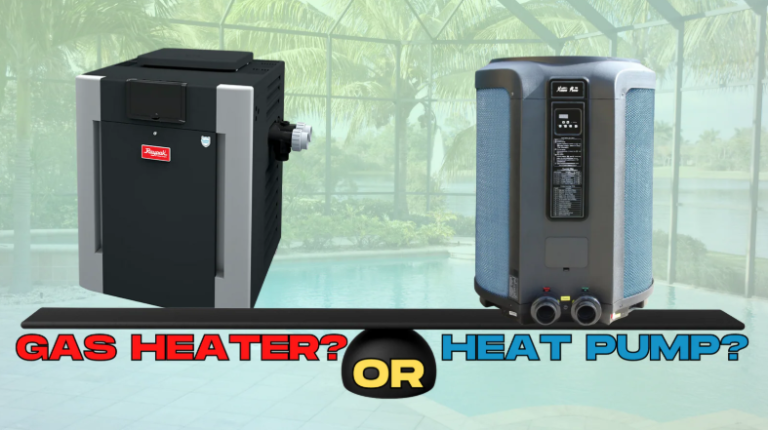
Choosing between a pool heater and a heat pump depends on your climate and budget. Pool heaters quickly warm water, ideal for cooler climates. Heat pumps are energy-efficient, using ambient air to heat, best for warmer areas.
Types Of Heat Pumps
Heat pumps come in different types. The air-sourceheat pump is common. It uses air to heat or cool. Another type is the geothermalheat pump. It uses the earth’s heat. Some heat pumps are water-source. They use water to transfer heat. Each type has its own way of working. Choosing the right type depends on your needs and location.
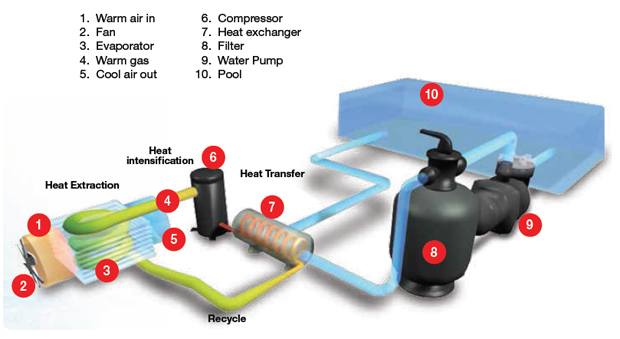
How Heat Pumps Operate
Heat pumps move heat from one place to another. They can heatyour home in winter. They can coolit in summer. These pumps use electricity. They are more efficient than regular heaters. Heat pumps work best in mild climates. They save energy and money.
Pros And Cons Of Heat Pumps
Heat pumps have many pros. They are energy-efficient. They can heat and cool. They are good for the environment. But they also have some cons. They can be costly to install. They work less well in very cold places. They need electricity to run.
Efficiency Comparison
Pool heatersuse more energy. They run on gas or electricity. Heat pumpsuse the air to heat water. They need less energy. This makes heat pumps better for saving energy.
Heat pumps cost less to run. They save money on energy bills. Pool heaters cost more to operate. They heat water faster, but at a higher cost. Choose based on your budget and heating needs.
Heat pumps are better for the planet. They use less energy. This means fewer greenhouse gases. Pool heaters can be less friendly to the earth. They use more gas or electricity.
Performance Analysis
Pool heaters warm water quickly. They are ideal for fast heating. Heat pumps take longer. They rely on air temperature. If you want a quick swim, heaters work best. For long-term use, heat pumps save energy.
Pool heaters function well in any weather. They offer consistent heat. Heat pumps work best in warm climates. When the air is cold, they struggle. For colder areas, heaters are more reliable.
Weather affects heat pumps more. They need warm air to work well. Pool heaters do not depend on weather. They heat water even in cold temperatures. Consider the local climate when choosing.
Installation Considerations
Both pool heaters and heat pumps need space. Pool heaters are often smaller. They fit in tighter spaces. Heat pumps need more room. They also need good airflow. Check your space before buying.
Installing a pool heater is usually easier. It takes less time. Heat pumps can be more complex. They may need professional help. This can add to the cost. Plan for the right help.
Pool heaters need regular checks. They might need cleaning often. Heat pumps require less maintenance. They are more reliable over time. Keep a schedule for best results.
Credit: www.raypak.com
Cost Implications
Buying a pool heater might cost less at first. Heat pumps usually need more money upfront. The heater is a quick fix for warmth. Heat pumps last longer and save money over time. Think about the budget and needs.
Pool heaters can use more energy. They might cost more to run. Heat pumps are often energy-efficient. They can help reduce bills. Choose wisely for lower monthly costs. Savings can be big with the right choice.
Heat pumps often have better long-term savings. They save money over many years. Pool heaters might cost more over time. They use more energy. Heat pumps are a smart choice for lasting savings. Plan for the future.
Choosing The Right Option
Climateplays a big role in choosing between a pool heater and a heat pump. If you live in a colder area, a pool heater might be better. It heats water faster. Heat pumps work best in warmer places. They use air to heat the pool. They save more energy. But they need warmer air to work well.
If you swim every day, a heat pump can be a good choice. It keeps the pool warm all the time. Pool heaters are better for short-term use. They heat water quickly. Great for weekends or parties. Think about how often you use your pool.
Money matters. Pool heaters cost less to buy. But they use more energy. Heat pumps cost more upfront. They save money on bills later. Check what you can afford. Think about long-term savings. Choose what fits your budget.
Expert Opinions
Pool heaters are quick but can be costly. They use gas or electricity. Heat pumps work slower but are efficient. They use air to heat water. Experts say heat pumps are eco-friendly. They save energy and money. Many choose heat pumps for long-term use.
Many users love pool heaters for their speed. They say they heat water fast. Some feel heat pumps are better. They like the energy savings. Users say heat pumps are quiet. They find them reliable. Both options have fans and critics. People pick based on their needs.
Some think pool heaters are always better. Not true. Heat pumps can be great too. People think heat pumps don’t work in cold areas. They actually do. Modern heat pumps work in low temperatures. Both options have pros and cons. It depends on your choice.
Future Trends
Exploring the future of pool heating involves comparing pool heaters and heat pumps. Pool heaters quickly warm water, ideal for short-term use. Heat pumps, though slower, offer energy-efficient heating, making them suitable for long-term solutions. Both options cater to different needs, shaping the future of pool heating technology.
Technological Advancements
New technology is changing pool heaters and heat pumps. Smart systems are making them more efficient. Wireless controls help users manage settings easily. Solar integration is becoming popular. It uses the sun to help heat pools. This saves energy and money. Hybrid systems combine different methods for better results.
Sustainability Efforts
Companies are focusing on eco-friendly solutions. They want to reduce the carbon footprint. Using renewable energy sources is a priority. New materials help improve energy efficiency. These efforts aim to protect the planet. Green certifications are becoming common. They show which products are environmentally friendly.
Market Predictions
The market for pool heaters and heat pumps is growing steadily. More people want energy-efficient options. Innovative designs attract buyers. Price competition is increasing. This benefits consumers. Experts predict more smart features in future models. Demand for sustainable products will continue to rise.
Credit: romanellipools.com
Frequently Asked Questions
What Is A Pool Heater?
A pool heater is a device that warms pool water. It uses electricity, gas, or solar energy to heat the water. Pool heaters are effective for maintaining a constant temperature. They are ideal for swimming during cooler months.
How Does A Heat Pump Work?
A heat pump transfers heat from the air to the pool water. It uses electricity to operate efficiently. Heat pumps are energy-efficient and environmentally friendly. They work best in warmer climates. Heat pumps are ideal for pools used frequently.
Which Is More Cost-effective, Heater Or Pump?
Heat pumps generally have lower operating costs than pool heaters. Pool heaters can be more expensive due to fuel costs. Heat pumps save money over time through energy efficiency. They require less maintenance compared to pool heaters.
Can Both Be Used Simultaneously?
Yes, using both a pool heater and heat pump is possible. Combining them can offer greater flexibility and efficiency. It ensures optimal temperature in varying weather conditions. This method enhances performance and energy savings.
Conclusion
Choosing between a pool heater and a heat pump depends on your needs. Pool heaters warm water quickly, ideal for cold climates. Heat pumps are energy-efficient, best for mild conditions. Consider installation and maintenance costs. Pool heaters often need more fuel, increasing expenses.
Heat pumps use electricity, saving money long-term. Think about your swimming habits. Do you swim year-round or seasonally? This can guide your choice. Evaluate your budget and environmental impact. Both options have pros and cons. Make an informed decision for your pool comfort.
Enjoy your pool with the right heating solution.