Are Jandy Pool Heaters Good for Your Pool?
Yes, Jandy pool heaters are generally considered very good and offer proven value. They are known for their reliability, energy efficiency, and advanced features, making them a popular choice for homeowners looking for consistent and comfortable pool temperatures.
Dreaming of a perfectly warm pool for those refreshing dips, but feeling a bit lost on where to start? It’s totally understandable! Choosing the right pool heater can seem like a big decision, with lots of technical terms and options. But don’t worry, I’m Tanim, and I’m here to help you navigate this with ease. We’ll break down just how good Jandy pool heaters are, so you can feel confident about your choice and enjoy your pool all year round. Let’s dive in and discover the proven value Jandy brings to your backyard oasis!
Are Jandy Pool Heaters Good? A Deep Dive into Proven Value
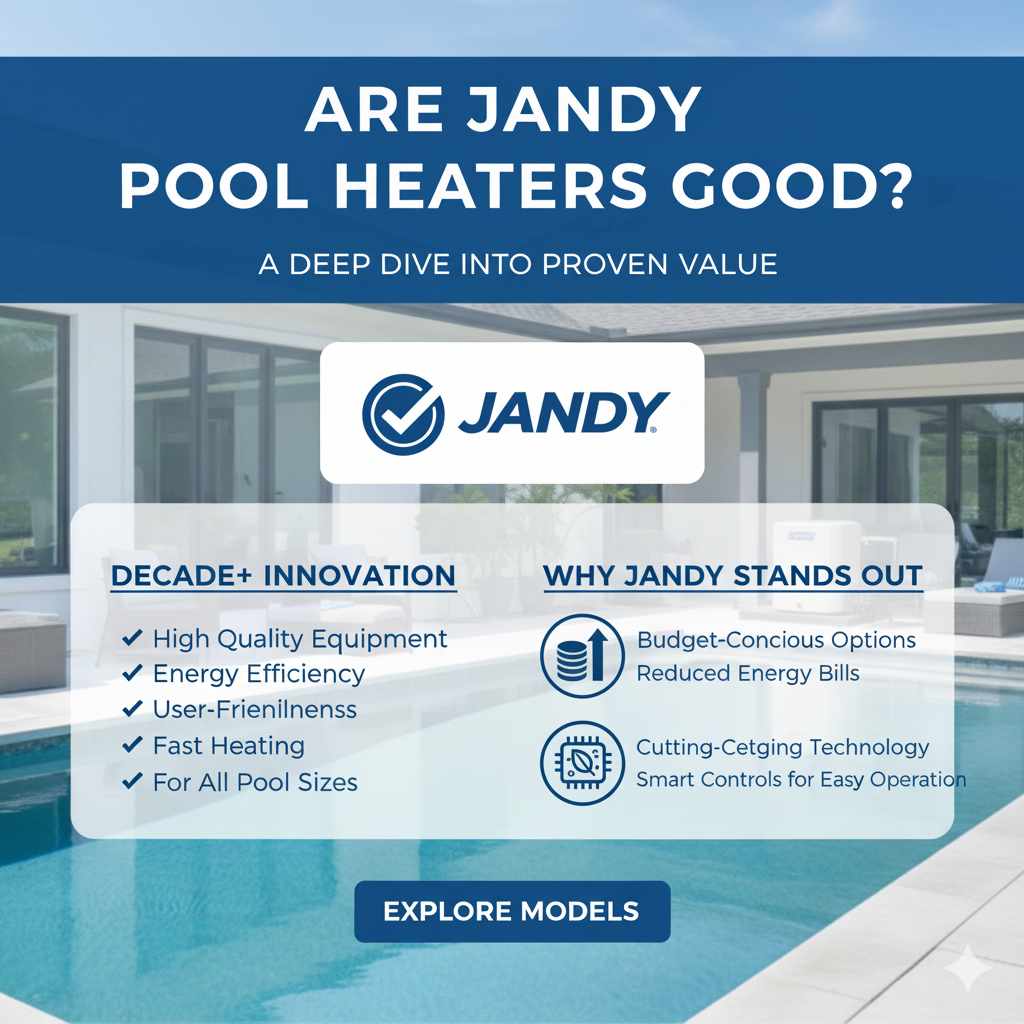
When it comes to keeping your swimming pool at that ideal, inviting temperature, a reliable heater is key. Many homeowners wonder, “Are Jandy pool heaters good?” The short answer is a resounding yes, and it’s backed by decades of innovation and customer satisfaction. Jandy, a brand under the Zodiac Pool Systems umbrella, has built a strong reputation for producing high-quality pool equipment, and their heaters are no exception. They consistently rank among the top choices for pools of all sizes.
What makes Jandy stand out? It’s a combination of factors that appeal to both the budget-conscious and those looking for cutting-edge technology. We’re talking about heaters that are not only effective at warming your water but also designed with energy efficiency and user-friendliness in mind. This means you can spend more time enjoying your pool and less time worrying about high energy bills or complicated operations.
Understanding the Types of Jandy Pool Heaters
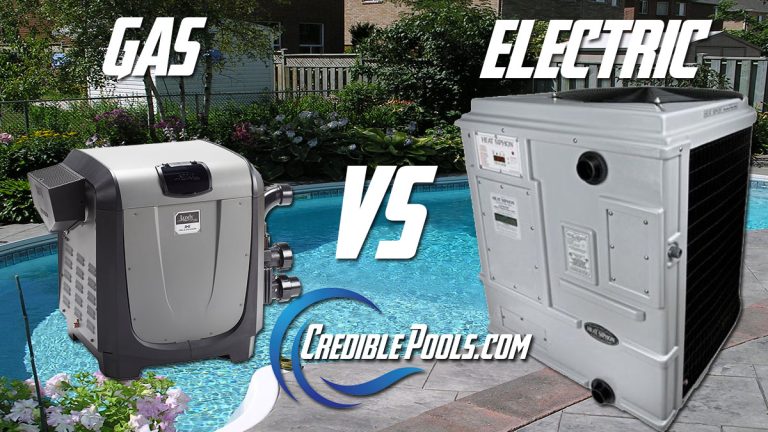
Jandy offers a diverse range of pool heaters to suit different needs and budgets. The primary types you’ll encounter are gas pool heaters and heat pumps. Each has its own unique advantages, and understanding them is the first step in determining which Jandy heater is right for you.
1. Jandy Gas Pool Heaters
Gas pool heaters are a popular choice for their ability to heat water quickly. They work by burning natural gas or propane to heat the water as it passes through the unit. Jandy offers several models of gas heaters, each with varying BTU (British Thermal Unit) capacities to match the size of your pool and your climate.
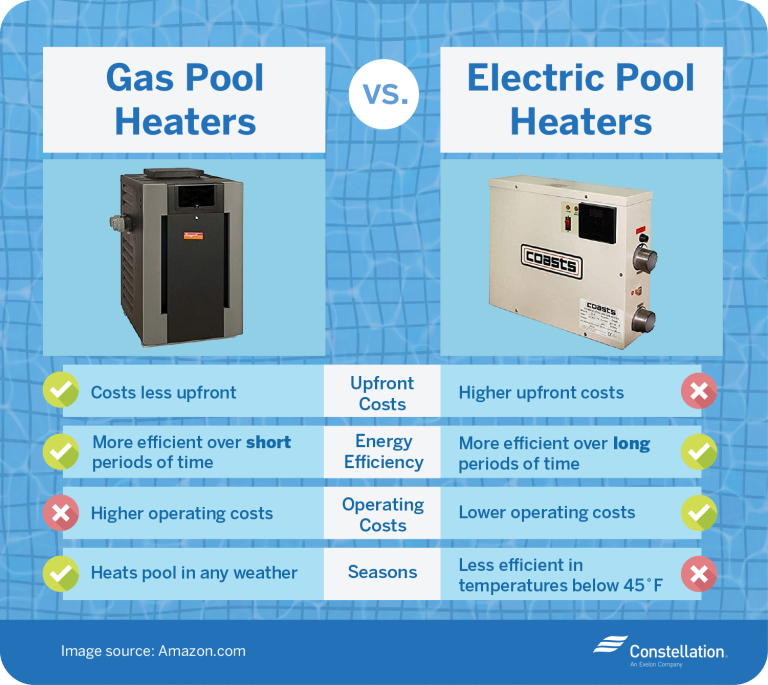
Pros of Jandy Gas Heaters:
- Rapid Heating: They can raise pool temperatures quickly, making them ideal for those who want to heat their pool on demand.
- Consistent Performance: Gas heaters are less affected by ambient air temperatures, providing reliable heating even on cooler days.
- Variety of Sizes: Available in a range of BTU outputs to match pool size and desired heating speed.
Cons of Jandy Gas Heaters:
- Higher Operating Costs: Natural gas or propane can be more expensive than electricity, leading to higher utility bills.
- Environmental Impact: Burning fossil fuels releases emissions.
Jandy’s gas heater lines, like the JXi™ and LXi™ series, often come with features such as user-friendly digital controls, built-in diagnostics, and durable construction for longevity.
2. Jandy Pool Heat Pumps
Pool heat pumps work a bit differently. Instead of generating heat through combustion, they transfer heat from the ambient air into the pool water. Think of them like an air conditioner working in reverse. They use electricity to power a compressor and fan, drawing in air and extracting its heat.
Pros of Jandy Pool Heat Pumps:
- Energy Efficiency: Generally more energy-efficient than gas heaters, potentially leading to lower operating costs, especially in warmer climates.
- Eco-Friendly: They don’t burn fossil fuels directly, making them a greener option.
- Long-Term Savings: While the initial cost can be higher, the energy savings can add up over time.
Cons of Jandy Pool Heat Pumps:
- Slower Heating: They heat water more gradually compared to gas heaters.
- Temperature Dependent: Performance can decrease as the outside air temperature drops significantly.
Jandy’s heat pump offerings, such as the AquaLink® Touch or their various Eco-Pure™ models, often boast features like quiet operation, smart controls, and durable, corrosion-resistant materials.
Key Features Making Jandy Pool Heaters Stand Out
Beyond the basic types, Jandy consistently incorporates advanced features into their heaters that enhance performance, convenience, and safety. These innovations are a significant part of the “proven value” they deliver.
1. Smart Control and Automation
Many Jandy heaters integrate with their AquaLink® pool automation systems. This allows homeowners to control their heater—along with pumps, filters, and lights—from a digital display, a remote control, or even a smartphone app. This level of control is incredibly convenient, letting you adjust your pool temperature from anywhere.
2. Energy Efficiency Innovations
Jandy is committed to energy efficiency. Their heat pumps are designed to maximize the heat transfer from the air to the water, often achieving high Coefficients of Performance (CP). This means they deliver more heat energy than the electrical energy they consume. For gas heaters, Jandy focuses on optimizing combustion and heat exchange to minimize wasted energy.
3. Durability and Longevity
Pool heaters are subjected to harsh conditions, including exposure to water, chemicals, and the elements. Jandy uses high-quality, corrosion-resistant materials like copper-nickel heat exchangers or robust polymer casings to ensure their units can withstand these challenges and last for many years. This durability translates directly into long-term value and fewer replacement costs.
4. User-Friendly Interfaces
Jandy heaters are designed with the homeowner in mind. Digital displays provide clear temperature readouts and make it easy to set your desired pool temperature. Built-in diagnostic systems can help identify potential issues early, simplifying troubleshooting and maintenance.
Comparing Jandy Heater Models: What to Consider
To help you visualize the value of Jandy heaters, let’s look at a simplified comparison of common features and considerations. Note that specific features can vary by model and year of manufacture.
| Feature | Jandy Gas Heaters (e.g., JXi™) | Jandy Heat Pumps (e.g., Eco-Pure™) |
|---|---|---|
| Heating Speed | Fast | Moderate to Slow |
| Energy Efficiency | Good (especially with natural gas) | Excellent (uses ambient air heat) |
| Operating Cost | Potentially Higher (depends on fuel cost) | Potentially Lower (depends on electricity cost and climate) |
| Initial Cost | Generally Lower | Generally Higher |
| Climate Suitability | Excellent for all climates | Best for moderate to warm climates; performance can drop in cold weather |
| Environmental Impact | Higher (burns fossil fuels) | Lower (transfers heat) |
| Thermostat Control | Digital, precise | Digital, precise |
| Smart Connectivity | Often available with AquaLink® integration | Often available with AquaLink® integration |
| Durability | High-quality materials, corrosion-resistant | High-quality materials, corrosion-resistant |
As you can see, the “proven value” of a Jandy heater isn’t a one-size-fits-all answer. It depends on your priorities: speed of heating, long-term operating costs, environmental concerns, and your local climate. Understanding these differences helps you select the Jandy heater that best fits your lifestyle and budget.
Installation and Maintenance: Ensuring Your Investment Lasts
The value of any pool heater is also tied to how well it’s installed and maintained. Jandy heaters are designed for reliability, but proper setup and regular care are crucial.
Professional Installation is Key
For both gas heaters and heat pumps, professional installation is highly recommended. A qualified pool technician will ensure:
- Proper Sizing: The heater is correctly sized for your pool gallonage and your climate’s heating needs. An undersized unit will struggle, while an oversized one can be inefficient.
- Correct gas line/Electrical Setup: For gas heaters, this means safe and efficient gas line connections. For heat pumps, it involves appropriate electrical circuits to handle the power requirements.
- Plumbing Integration: The heater is correctly plumbed into your existing pool filtration system.
- Ventilation and Safety: For gas heaters, proper ventilation is critical for safe operation and to prevent carbon monoxide buildup. Regulations often dictate specific clearance requirements. You can find more information on safe installation practices from organizations like the Pool Safely campaign, which promotes safe pool practices.
Regular Maintenance for Optimal Performance
To get the most out of your Jandy heater and ensure its longevity, a routine maintenance schedule is important. Most manufacturers, including Jandy, recommend annual check-ups.
Annual Maintenance Checklist (General):
- Inspection for leaks: Check all connections and the unit itself.
- Cleaning the heat exchanger (gas heaters): Buildup can reduce efficiency.
- Cleaning the air intake and fan (heat pumps): Ensures efficient airflow.
- Checking electrical connections and components: For safety and proper function.
- Verifying thermostat accuracy: Ensure it’s heating to your desired temperature.
- Flushing the unit: To remove debris and mineral buildup.
A well-maintained Jandy heater will perform more efficiently, last longer, and prevent costly emergency repairs. Think of it like an annual check-up for your car – it keeps everything running smoothly!
Are Jandy Pool Heaters Good for the Environment?
In today’s world, environmental impact is a growing concern for many homeowners. When considering “are Jandy pool heaters good,” it’s worth looking at their eco-friendliness.
- Heat Pumps: Jandy heat pumps are generally the more environmentally friendly option. They don’t burn fossil fuels and instead harness the natural heat present in the air. While they require electricity, their energy efficiency means they often have a lower carbon footprint compared to gas heaters, especially if your electricity comes from renewable sources.
- Gas Heaters: While less eco-friendly due to direct fuel combustion, Jandy continues to improve the efficiency of their gas models. Newer JXi™ and LXi™ heaters are designed with higher energy efficiencies than older models, meaning they use less fuel to produce the same amount of heat, thus reducing emissions per BTU generated.
For the most environmentally conscious choice, Jandy heat pumps are typically the way to go. However, the overall impact also depends on your local energy sources and how often you use the heater.
Cost of Ownership: What to Expect
When we talk about “proven value,” cost is a major factor. The cost of ownership for a Jandy pool heater involves several components:
1. Initial Purchase Price
Jandy heaters, like most quality pool equipment, represent an investment. The initial price will vary based on the type of heater (gas vs. heat pump), the size (BTU or kW output), and the specific model features.
- Gas Heaters: Tend to have a lower upfront cost.
- Heat Pumps: Typically have a higher upfront cost.
It’s important to compare specific model prices from reputable dealers. Investing in a slightly higher-priced model with better efficiency or durability can save money in the long run.
2. Installation Costs
As discussed, professional installation is necessary and will add to the overall cost. This can involve plumbing, electrical work, and gas line installation. Costs can range from a few hundred to over a thousand dollars, depending on the complexity of the job and your existing setup.
3. Operating Costs
This is where the distinction between gas and heat pumps becomes most significant:
- Gas Heaters: Costs are directly tied to the price of natural gas or propane in your area. Heating a large pool frequently can lead to noticeable bills.
- Heat Pumps: Costs are tied to electricity prices. While they use electricity, their efficiency means they generally cost less to run per hour of operation than electric resistance heaters, and often less than gas heaters, especially in milder weather. The U.S. Department of Energy provides excellent resources on the efficiency principles of heat pumps, which apply to pool versions too.
Consider your local utility rates and how often you plan to heat your pool when estimating operating costs.
4. Maintenance and Repair Costs
Regular maintenance, as outlined earlier, is relatively inexpensive and crucial for preventing larger repair bills. While Jandy heaters are durable, like any mechanical system, parts can wear out over time. Looking for models with good warranties and readily available replacement parts can mitigate future repair expenses.
Customer Experiences and Reviews
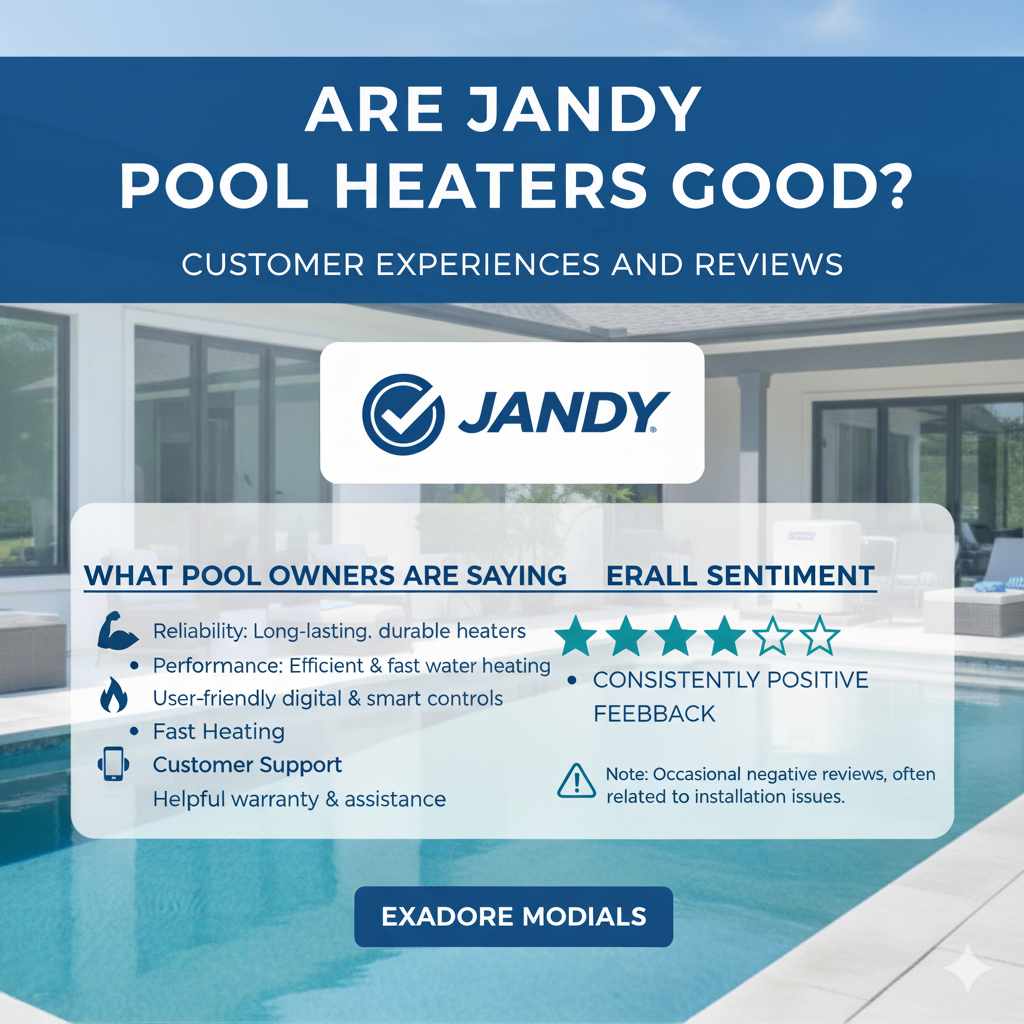
When asking “are Jandy pool heaters good?”, looking at what other pool owners say is invaluable. Across various forums, retail sites, and professional reviews, Jandy consistently receives positive feedback. Homeowners often praise:
- Reliability: Many users report their Jandy heaters lasting for many years with proper care.
- Performance: The ability to heat pools to comfortable temperatures efficiently is frequently mentioned.
- Ease of Use: Digital controls and smart features are often highlighted as user-friendly.
- Customer Support: While experiences can vary, many find Jandy’s support and warranty to be helpful when issues arise.
Of course, no brand is perfect, and occasional negative reviews might point to installation issues or specific component failures. However, the overall sentiment strongly supports Jandy’s reputation for quality and value.
Frequently Asked Questions About Jandy Pool Heaters
Q1: How long do Jandy pool heaters typically last?
With proper installation and regular annual maintenance, a Jandy pool heater can last anywhere from 10 to 20 years. Factors like water chemistry, usage frequency, and environmental conditions can affect lifespan.
Q2: Which type of Jandy heater is best for my climate?
For colder climates or those who need rapid heating, Jandy gas heaters are often preferred. In warmer climates where temperatures are more stable, Jandy heat pumps are typically more energy-efficient and cost-effective to operate.
Q3: Is it okay to install my Jandy heater myself?
While some DIY enthusiasts might consider it, professional installation by a certified pool technician is strongly recommended for Jandy heaters. This ensures safety, efficiency, proper sizing, and often validates the warranty.
Q4: How often should I service my Jandy pool heater?
An annual professional inspection and tune-up are recommended for all Jandy pool heaters to ensure optimal performance, safety, and longevity.
Q5: What is the energy efficiency rating for Jandy heat pumps?
Jandy heat pumps often boast high Coefficients of Performance (CP), which can range from 5.0 to 6.5 or higher, depending on the model and air temperature. This means for every unit of electricity consumed, they can produce 5 to 6.5 units of heat.
Q6: Are Jandy pool heaters expensive to run?
The operating cost depends on the type of heater, your local energy prices, the size of your pool, and how much you use the heater. Jandy heat pumps are generally more cost-effective to run than gas heaters, especially in milder climates.
Q7: Can I control my Jandy heater remotely?
Yes, many Jandy heaters are compatible with AquaLink® automation systems, allowing for remote control via smartphone apps or home automation interfaces.
Conclusion: Jandy Pool Heaters Offer Proven, Reliable Value
So, are Jandy pool heaters good? Absolutely. They deliver proven value through their robust construction, energy-efficient designs, and innovative features that enhance the pool ownership experience. Whether you opt for the rapid heating of a gas model or the economic and eco-friendly operation of a heat pump, Jandy offers reliable solutions designed to keep your pool at the perfect temperature.
By understanding the different types, considering your specific needs and climate, investing in professional installation, and committing to regular maintenance, you can be confident that a Jandy pool heater will provide years of comfort and enjoyment. Their strong reputation in the pool industry, backed by satisfied customers and continuous technological advancements, makes them a smart and valuable choice for any homeowner looking to extend their swimming season.