Electric Pool Heaters Vs Propane: The Ultimate Comparison
Are you trying to choose between an electric pool heater and a propane pool heater? Your decision can make a big difference in your swimming experience and your wallet.
You want your pool to be the perfect temperature, no matter the season. But which option is best for you? We’ll dive into the benefits and drawbacks of electric and propane pool heaters. We’ll help you make a choice that suits your needs and budget.
Discover which option will keep your pool warm and inviting, while also saving you money. Keep reading to find out which heater is the perfect fit for your backyard oasis.

Credit: www.amazon.com
Energy Efficiency
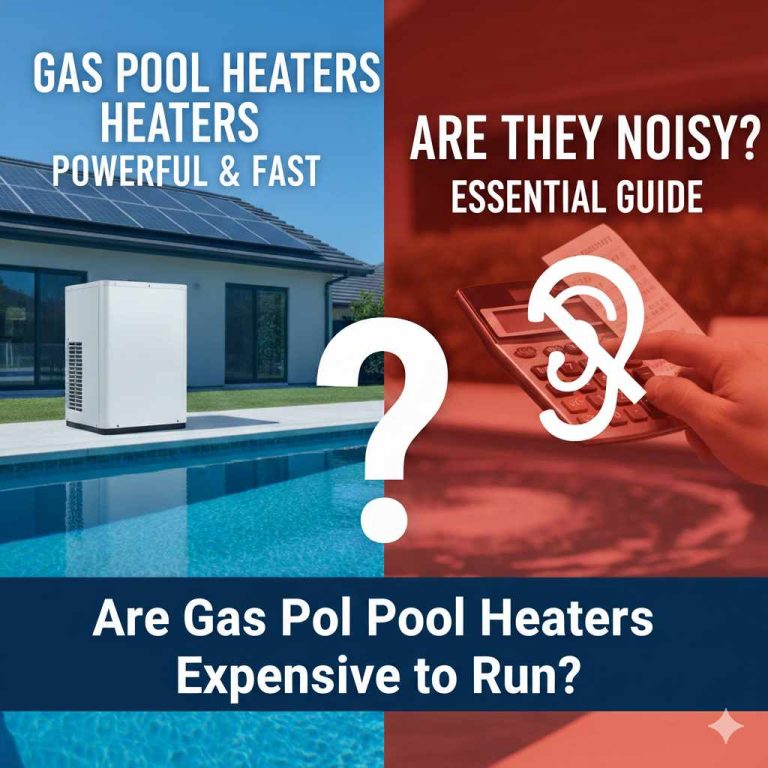
Comparing electric pool heaters and propane options reveals key differences in energy efficiency. Electric heaters often boast lower operational costs and quieter performance. Propane heaters, while powerful and fast-heating, may incur higher fuel expenses and emissions.
Operational Costs
Electric pool heaters use electricity. Their operational costs depend on local electricity rates. They are often cheaper to run than propane heaters. Propane heaters burn gas. This can be more expensive in the long run. Propane prices can vary widely. Electric heaters are more consistent in cost. They are also easier to maintain. This can save money over time.
Environmental Impact
Electric heaters are cleaner. They produce no emissions directly. They rely on electricity, which can be green. Solar or wind energy can power them. Propane heaters release emissions. These contribute to air pollution. They burn fossil fuels, which are not renewable. Choosing electric heaters can be better for the planet.
Credit: propanedepot.com
Heating Speed
Electric pool heatersheat up slowly. They take hours to warm the water. Propane heaterswork faster. They warm the pool quickly. You can swim sooner with propane.
Reaching the right temperature takes time. Electric heaters need more time. Sometimes, it takes half a day. Propane heaters are quicker. The pool gets warm in a few hours. This is good for unexpected swims.
Electric heaters maintain a steady temperature. They work well for long periods. Propane heaters are different. They heat fast but can fluctuate. It’s important to check the water often.
Installation Requirements
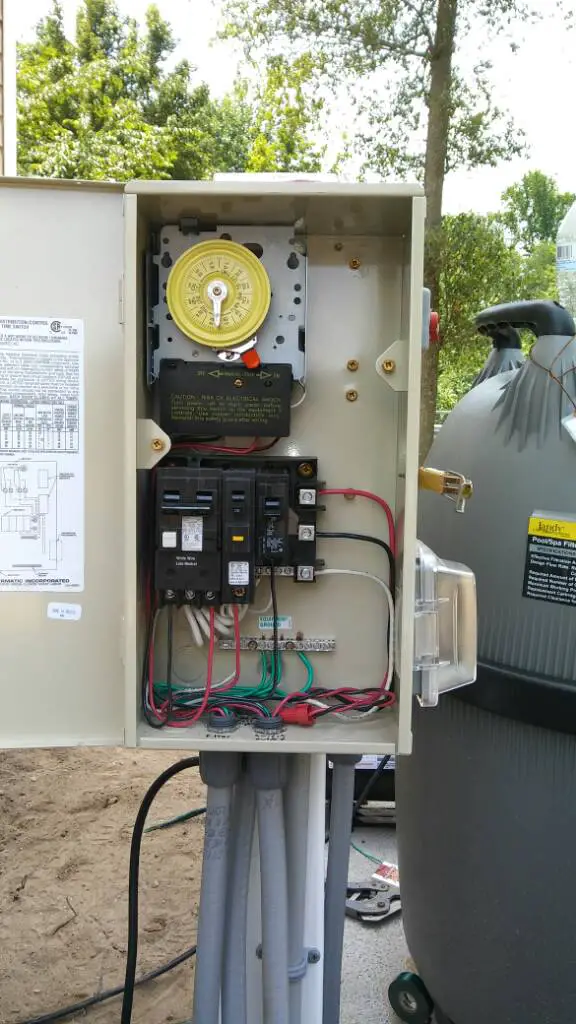
Electric pool heaters need a nearby power source. You might need an extra electrical outlet. Propane heaters require a safe spot for a propane tank. Both heaters need enough space for air to flow. Clear surroundings help in keeping them safe and working well.
For electric heaters, a professional electricianis a good choice. They ensure safety. Propane heaters need a certified technicianfor setup. Proper setup keeps everyone safe and the heater in good condition.
Maintenance Needs
Electric pool heaters require regular cleaning and inspection to ensure efficiency. Propane heaters need routine checks for leaks and fuel levels. Both types demand attention to extend their lifespan and maintain optimal performance.
Routine Checks
Electric pool heaters need less care. Check wires and connections for safety. Ensure the power source is stable. Propane heaters need more checks. Inspect gas lines for leaks often. Clean burners to prevent blockages. Both types need regular cleaning. This keeps them working well.
Long-term Reliability
Electric heaters last long with proper care. Parts are easy to replace. Propane heaters may need more fixes. Gas parts can wear out over time. Electric heaters often have fewer problems. Propane heaters need expert checks sometimes. Both heater types can last for years. Proper care helps them stay reliable.
Cost Considerations
Electric pool heaters often have a lower initial cost. They are usually cheaper to buy and install. Propane heaters might cost more upfront. This is due to their design and fuel requirements. Think about your budget before choosing.
Electric heaters can be costly to runover time. They use electricity, which can add up. Propane heaters need regular fuel refills. This can also be expensive. Check local energy prices to decide the best option. Both types need regular maintenance. This keeps them working well and safe.

Credit: www.youtube.com
Safety Concerns
Electric pool heaters use electricity. This can be dangerous if wires are faulty. Water and electricity don’t mix well. Propane heaters use gas. This can be dangerous if there’s a leak. Gas leaks can cause fires. Both heaters need careful handling. Always check for damage. Regular maintenance is key.
Electric heaters have automatic shut-off. This prevents overheating. Propane heaters have gas detectors. These detect leaks early. Both heaters have safety switches. These stop the heater if there’s a problem. Safety is important for both types. Follow instructions and keep children away.
User Preferences
Electric pool heatersare easy to use. They need little maintenance. Just plug them in and turn them on. It heats the pool water fast. No need to check gas levels.
Propane heatersare also popular. They heat water quickly. But, they need gas refills. Checking the tank is important. Some people find this task annoying.
Using an electric heater is simple. Push a button and it works. It is quiet and efficient. Many users like its reliability.
Propane heaters make a bit of noise. They are effective in cold weather. Some users enjoy the warmth they provide. But, they require more upkeep.
Weather And Climate Impact
Electric pool heaters rely on consistent weather, offering stable warmth during colder climates. Propane heaters deliver quick heat, ideal for fluctuating weather patterns. Each option influences energy use and costs differently, affecting efficiency based on local climate conditions.
Performance In Different Climates
Electric pool heaters work well in warm places. They are good for mild climates. Propane heaters heat pools fast in cold areas. They work even in chilly weather. Efficiency is a key factor for both. Electric heaters might struggle in very cold climates. Propane heaters can handle extreme cold better. Both have their pros and cons in various climates.
Adaptability To Seasonal Changes
Electric heaters adjust to seasonal changes. They are ideal for consistent temperatures. Propane heaters adapt well to sudden weather shifts. They quickly heat up when needed. Seasonal adaptability varies with each type. Electric heaters are more stable in mild seasons. Propane heaters offer quick heat when temperatures drop. Each has strengths based on the season.
Longevity And Durability
Electric pool heaters last about 10 to 15 years. They depend on good care. Regular maintenance can make them last longer. Propane heaters usually last 5 to 10 years. Their lifespan is shorter than electric ones. Proper cleaning can help them last.
Electric heaters resist wear better. They have fewer moving parts. This makes them strong. Propane heaters can wear out fast. They have more parts that can break. Bad weather can also harm them. Keeping them covered helps.
Market Trends
Electric pool heaters are becoming more popular. They are easy to use. Many people prefer them for their efficiency. Propane heaters are also common. They are known for quick heating. Both options have their own advantages.
New technologies make heaters better. Electric heaters now use smart controls. These controls help save energy. Propane heaters have improved burners. This makes them more efficient. Both heater types are getting smarter.
Frequently Asked Questions
How Do Electric Pool Heaters Work?
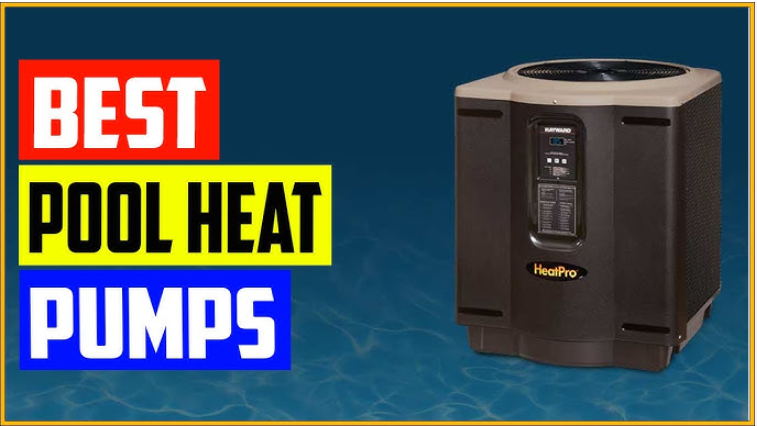
Electric pool heaters use resistance coils to generate heat. They transfer this heat to the water through a heat exchanger. These heaters are efficient and operate quietly. They are ideal for locations with access to electricity and consistent usage.
Are Propane Pool Heaters More Efficient?
Propane heaters heat pool water quickly, making them efficient for short-term use. They work well in colder climates. However, the cost of propane can vary, impacting overall efficiency. Regular maintenance ensures optimal performance and efficiency.
Which Pool Heater Is More Eco-friendly?
Electric heaters are generally more eco-friendly, especially when powered by renewable energy. They produce fewer emissions compared to propane heaters. Choosing energy-efficient models further reduces environmental impact. Proper maintenance and usage also contribute to greener operations.
What Is The Cost Difference Between Them?
Electric heaters typically have lower upfront costs compared to propane heaters. However, operational costs can vary based on local electricity rates. Propane heaters can be more expensive due to fluctuating fuel prices. Evaluating long-term expenses helps determine cost-effectiveness.
Conclusion
Choosing between electric and propane pool heaters depends on your needs. Electric heaters offer efficiency and lower emissions. Propane heaters provide quick heating and work well in colder climates. Consider your budget, weather, and pool size. Electric heaters suit those who prioritize eco-friendliness.
Propane is ideal for fast heat during chilly days. Research both options thoroughly. Consult professionals for advice. Your decision affects comfort, energy use, and costs. Pick wisely for enjoyable swimming experiences. Both choices have pros and cons. Ultimately, select the one that fits your lifestyle and budget best.
Enjoy your pool time!