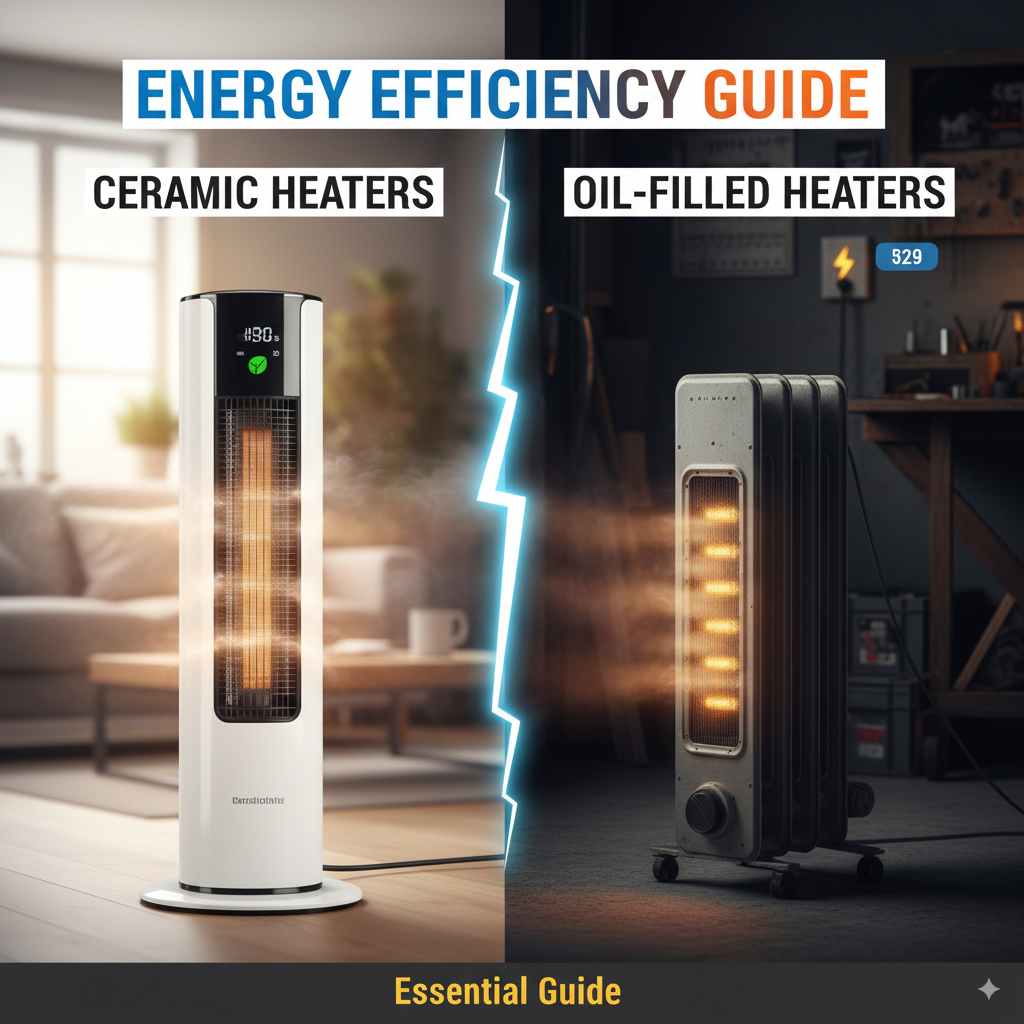
Energy Efficiency Ceramic Heaters vs Oil Filled: Essential Guide
For efficient and quick heating, ceramic heaters are often more energy-efficient for spot heating due to their fast heat-up and direct airflow. Oil-filled heaters excel at providing consistent, long-lasting ambient warmth, making them ideal for maintaining a steady temperature in a room overnight.
For portable-heater comparisons, Oil Filled vs Ceramic Heaters gives readers another helpful angle before buying or using one.
For portable-heater comparisons, Oil vs. Infrared Heaters: Essential Truth About Energy Savings gives readers another helpful angle before buying or using one.
Choosing the right heater can feel like a puzzle, especially when you want to stay warm without worrying about your energy bill. You might have seen terms like “ceramic heater” and “oil-filled heater” and wondered what makes them different and which is actually better for your home. It’s a common question, and the good news is, it doesn’t have to be complicated! I’m here to help you understand these popular heating options so you can make a cozy and smart choice. We’ll break down exactly how they work, their pros and cons, and how to pick the best one for your needs. Let’s get you feeling warm and confident about your home heating!
Understanding Your Heating Options: Ceramic vs. Oil-Filled
When it comes to portable heaters, two of the most popular choices are ceramic heaters and oil-filled heaters. They both aim to do the same thing – warm up your space – but they go about it in very different ways. This difference in how they generate and distribute heat is key to understanding their energy efficiency and how well they suit different situations. Let’s dive into how each one works, so you can start to see which might be the perfect fit for your home.
How Ceramic Heaters Work
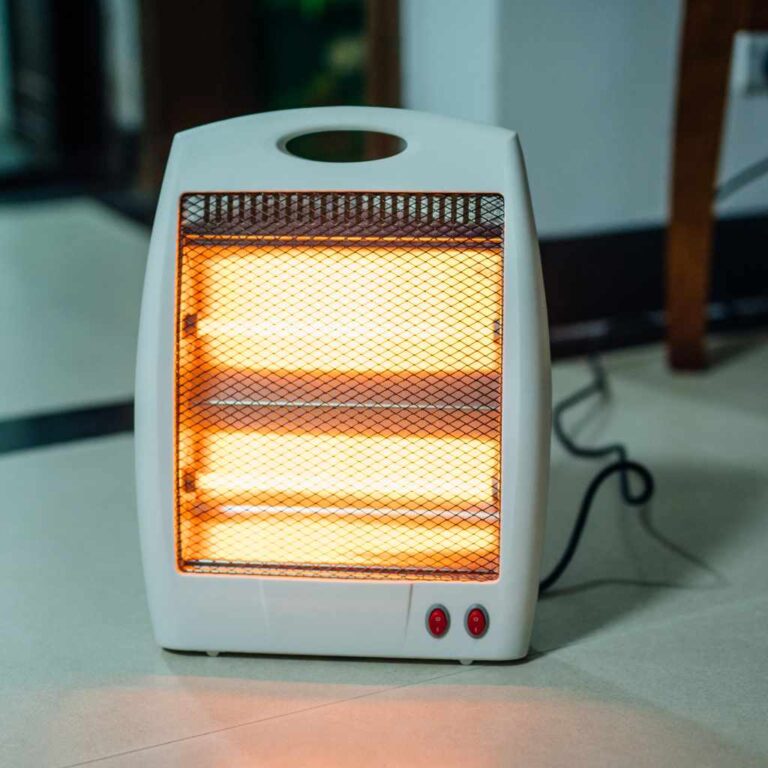
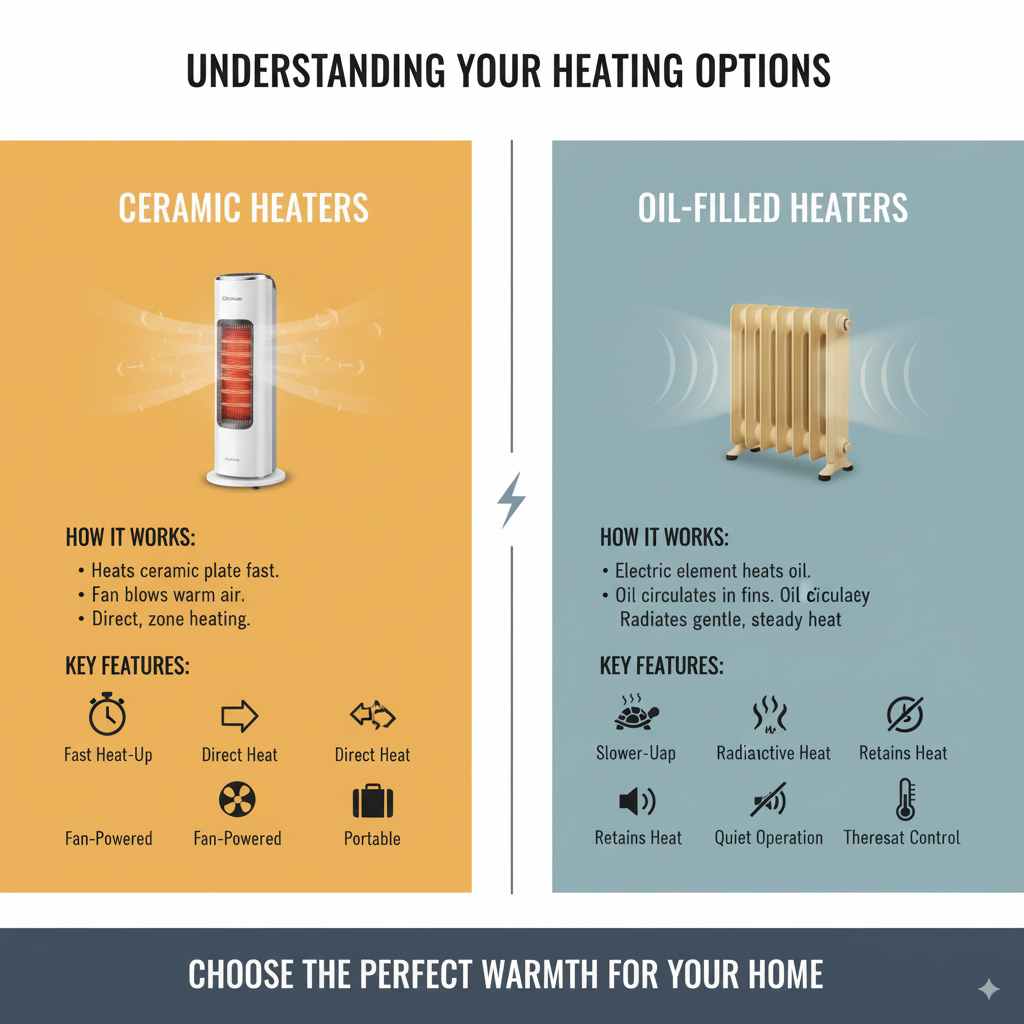
Ceramic heaters are a type of fan heater. Inside, they have a ceramic plate that heats up quickly when electricity passes through it. A fan then blows air across this hot ceramic element, and that warm air is pushed out into the room. Because the ceramic heats up so fast, these heaters can start warming your space almost immediately after you turn them on.
The heat from a ceramic heater is often described as direct. It’s great for heating a specific area or person quickly. Think of it like a mini-furnace for a small zone. They also tend to be lightweight and portable, making them easy to move from room to room.
Key Features of Ceramic Heaters:
- Fast Heat-Up: Starts warming up very quickly.
- Direct Heat: Best for heating an immediate area.
- Fan-Powered: Uses a fan to distribute warm air.
- Portable: Usually lightweight and easy to move.
How Oil-Filled Heaters Work
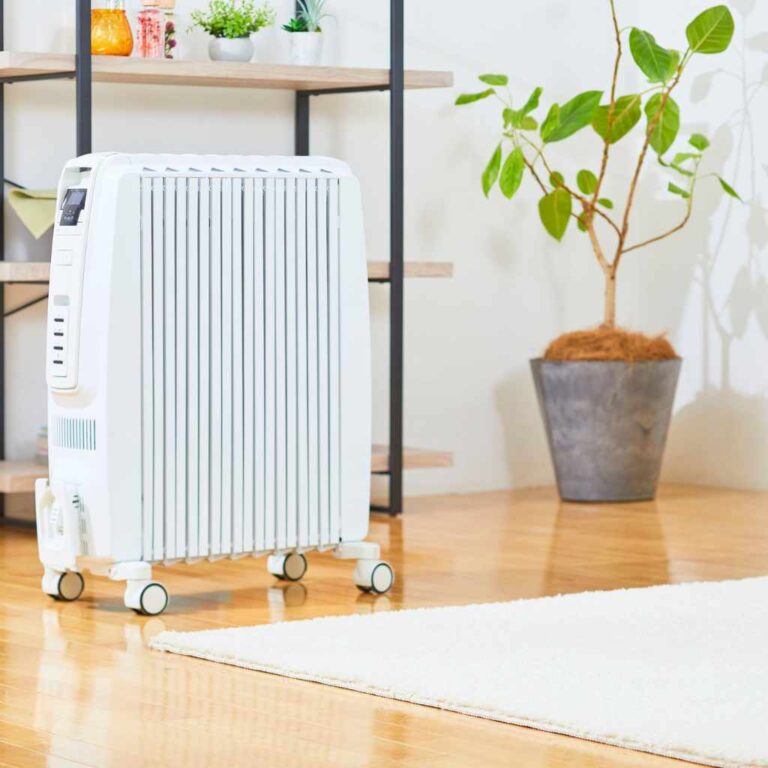
Oil-filled heaters, also known as oil-filled radiators, look a bit like old-fashioned cast-iron radiators, but they don’t actually burn oil like a furnace. Instead, they have sealed internal fins filled with a transparent heating oil. When you plug in the heater and turn it on, an electric element at the bottom heats the oil. This hot oil then circulates throughout the heater’s fins, warming them up.
The heated fins radiate warmth into the room, much like a traditional radiator. What’s special about the oil is that it holds heat very well and releases it slowly and steadily, even after the heater is turned off. This means they provide a gentler, more consistent heat that can make a room feel cozy for a longer period.
Key Features of Oil-Filled Heaters:
- Slower to Heat Up: Takes longer to reach full operating temperature.
- Radiant & Convective Heat: Warms a wider area with consistent, gentle heat.
- Oil as a Heat Sink: Retains heat and continues warming even after being unplugged.
- Quiet Operation: Generally silent as there’s no fan.
- Thermostat Control: Usually come with adjustable thermostats for precise temperature setting.
Energy Efficiency: Ceramic vs. Oil-Filled
When we talk about “energy efficiency” for space heaters, it’s important to understand what we mean. All electric resistance heaters, including ceramic and oil-filled types, convert nearly 100% of the electricity they consume into heat. So, in terms of raw conversion efficiency, they are very similar. The real difference in energy efficiency comes down to how effectively they use that heat to warm your space and maintain temperature.
This means we need to look at factors like heating speed, heat distribution, and how long the heat lasts to determine which is more “energy efficient” for a particular job.
Ceramic Heater Energy Efficiency
Ceramic heaters shine when you need to warm up a small, specific area quickly. Because they heat up fast and a fan directs the warm air, you feel the warmth almost instantly. This can be very energy efficient if you only need heat for a short period or for a single person in a room.
Pros for Energy Efficiency:
- Quick Spot Heating: Great for warming up your immediate vicinity quickly. You don’t have to wait long to feel the effect.
- Targeted Warmth: Excellent for heating a desk area, a reading nook, or just yourself without needing to warm the entire room drastically.
- Energy Savings for Short Bursts: If you only need heat for an hour or two, a ceramic heater can do the job efficiently before being turned off.
Potential Drawbacks for Energy Efficiency:
- Fan Dependency: Uses a fan, which consumes a small amount of additional electricity.
- Less Sustained Heat: Heat can dissipate quickly once the fan stops or the unit is off, potentially requiring it to run more often for continuous comfort.
- Can Overheat a Small Space Quickly: In a very small, enclosed space, they might heat the air too much, too fast, causing you to turn them off prematurely.
Oil-Filled Heater Energy Efficiency
Oil-filled heaters are masters of providing sustained, gentle heat. Their slow and steady warming process, combined with their ability to retain and radiate heat, makes them excellent for maintaining a comfortable temperature over longer periods.
Pros for Energy Efficiency:
- Sustained Warmth: The oil retains heat, allowing the heater to continue radiating warmth even after being turned off or when cycling off via its thermostat. This means fewer on-off cycles and steadier room temperature.
- Consistent Room Temperature: They excel at keeping larger areas at a constant, comfortable temperature without drastic fluctuations.
- Quiet and Gentle Heat: The radiant heat feels very natural and comfortable, often making you feel warm without drying out the air as much.
- Thermostat Precision: Accurate thermostats can prevent overheating and unnecessary energy use by only cycling on when the temperature drops below your set point.
Potential Drawbacks for Energy Efficiency:
- Slow to Heat a Room Initially: If you need instant warmth, an oil-filled heater is not the best choice. It takes time to warm up the oil and then the room.
- Less Effective for Quick Spot Heating: They are not designed for quickly warming a single person or a very specific spot.
Energy Efficiency Comparison Table
To make it easier to visualize, here’s a direct comparison of how these heaters stack up in terms of energy use and efficiency for different scenarios:
| Feature | Ceramic Heater | Oil-Filled Heater |
|---|---|---|
| Initial Heat-Up Speed | Very Fast | Slow |
| Heat Distribution | Direct, Fan-forced | Gentle, Radiant & Convective |
| Best For | Quick spot heating, small rooms, personal warmth | Sustained room heating, maintaining consistent temperature, larger spaces |
| Energy Use for Short Bursts (e.g., 1-2 hours) | Can be more efficient if turned off after use. | Less efficient initially due to slow heat-up, but good at maintaining temp. |
| Energy Use for Extended Periods (e.g., overnight) | May require more frequent cycling on/off, potentially using more energy to maintain temp. | Often more efficient due to sustained heat release and thermostat accuracy. |
| Fan Power Consumption | Yes (small amount) | No |
| Noise Level | Fan noise | Silent |
Which Heater is Right for Your Home?
Deciding between a ceramic and an oil-filled heater isn’t about which one is universally “better,” but which one is better for your specific needs. Consider how and when you plan to use the heater. This will guide you to the most energy-efficient and comfortable choice for your situation.
Choose a Ceramic Heater If:
- You need to warm up quickly. Maybe you have a home office where you only need focused heat for a few hours a day.
- You want to heat a small area or just yourself without heating the whole room.
- Portability and quick heat are your top priorities.
- You only need supplemental heat for short periods.
Choose an Oil-Filled Heater If:
- You want to maintain a comfortable, consistent temperature in a room for extended periods, like overnight in a bedroom or throughout the day in a living area.
- You prefer a gentler, quieter heat that doesn’t dry out the air.
- You want a heater that continues to provide warmth even after it has turned off.
- You are looking to provide steady ambient heat to a medium to large room.
Maximizing Energy Efficiency with Your Heater
No matter which type of heater you choose, there are always ways to make it even more energy efficient. Small changes can add up to big savings on your energy bills and ensure you’re using your heater as smartly as possible. Think of these as getting the most warmth for your money!
Tips for Using Ceramic Heaters Efficiently:
- Target Your Use: Place it close to you for personal warmth rather than trying to heat an entire room.
- Use the Thermostat Wisely: Set it to a comfortable temperature and let it cycle on and off. Avoid setting it to maximum all the time.
- Keep Doors and Windows Closed: This prevents warm air from escaping and cold air from entering, helping the heater work less.
- Don’t Block Airflow: Ensure the fan intake and outlet are not obstructed by furniture or curtains so the warm air can circulate freely.
- Consider Room Size: Ceramic heaters are best for small to medium-sized rooms. Using one in too large a space will make it run constantly.
Tips for Using Oil-Filled Heaters Efficiently:
- Placement is Key: Position it where it can best circulate heat. Placing it under a window can help counteract cold drafts.
- Utilize the Thermostat: Set your desired temperature and trust the thermostat to maintain it. This prevents the heater from running unnecessarily.
- Allow Time for Heating: Since they heat slowly, turn it on a little before you need the room to be warm.
- Keep the Room Sealed: Similar to ceramic heaters, keeping doors and windows shut helps trap the heat.
- Regularly Check for Leaks: While rare, ensure the unit is in good condition. For more information on appliance maintenance, the U.S. Department of Energy’s Energy Saver offers great general advice on home energy use.
Safety First!
Safety is paramount when using any portable heater. Both ceramic and oil-filled heaters are safe when used correctly, but it’s crucial to be aware of potential hazards. Always follow the manufacturer’s instructions.
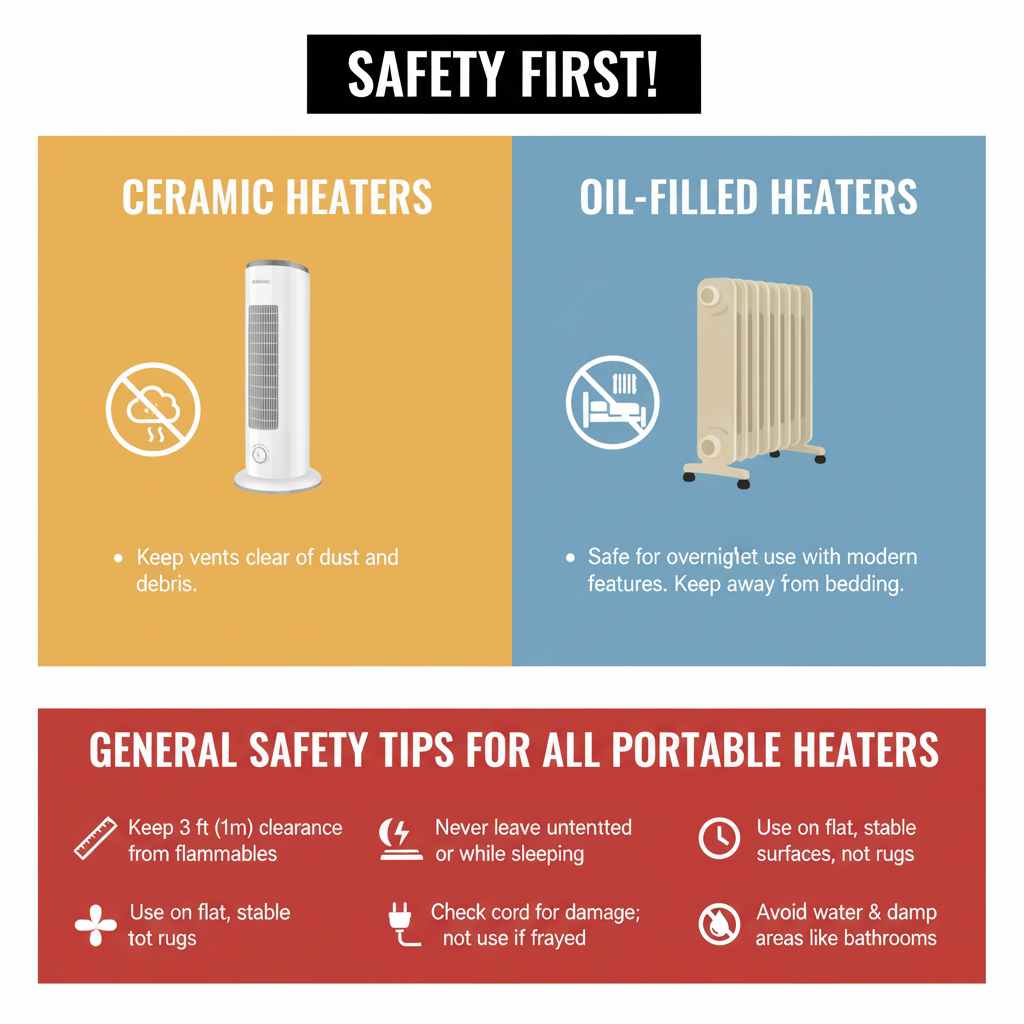
General Safety Tips for All Portable Heaters:
- Keep a Clearance: Maintain at least three feet (about one meter) of clear space around the heater. Keep it away from curtains, furniture, bedding, paper, and anything flammable.
- Never Leave Unattended: Do not leave a portable heater running when you are sleeping or when the room is unoccupied.
- Use on a Flat, Stable Surface: Ensure the heater is placed on a hard, level floor. Never place it on soft surfaces like rugs, beds, or sofas where it could tip over or block vents.
- Check the Cord: Inspect the power cord regularly for any damage. If the cord is frayed or damaged, stop using the heater immediately and have it repaired or replaced.
- Avoid Water: Never use portable heaters in bathrooms or other damp areas. Keep them away from sinks, tubs, and showers.
- Modern Safety Features: Many heaters come with safety features like tip-over protection (auto shut-off if the heater is knocked over) and overheat protection. Familiarize yourself with these features.
- Proper Ventilation: Ensure the room is adequately ventilated, especially if you are using a space heater for extended periods.
Specific Safety for Ceramic Heaters:
Because ceramic heaters have a direct heating element exposed to the fan and air, it’s especially important to keep them clear of dust and debris that could potentially get sucked in and cause issues. Regularly dusting the exterior and ensuring the vents are clear will help maintain safe operation.
Specific Safety for Oil-Filled Heaters:
Oil-filled heaters are generally considered very safe for overnight use if they have modern safety features like automatic shut-off. Since there’s no open heating element and they operate quietly, they can provide a sense of security. However, always ensure you’re not placing them too close to bedding, especially if there’s any concern about tipping or internal issues.
Frequently Asked Questions (FAQ)
Q1: Can a ceramic heater be more energy-efficient than an oil-filled heater?
A: Yes, a ceramic heater can be more energy-efficient for quick, targeted heating because it warms up and delivers heat almost instantly. If you only need warmth for a short time, it uses energy efficiently for that duration. However, for sustained room heating, an oil-filled heater is often more efficient because it holds heat and provides consistent warmth with fewer cycles.
Q2: Is an oil-filled heater silent?
A: Typically, yes. Oil-filled heaters do not have fans, so they operate very quietly, which is ideal for bedrooms or quiet workspaces. You might hear a faint “tick” or “ping” sound as the metal expands and contracts with heat, but this is usually very mild.
Q3: Which type of heater is safer for a child’s room?
A: Both can be safe if used properly. Oil-filled heaters tend to have a more consistent, less intense surface temperature than ceramic heaters, making them a popular choice for longer use in rooms where a child might accidentally touch them. Always ensure any heater used in a child’s room has safety features like tip-over protection and is kept in a clear, safe location.
Q4: How much electricity does a typical ceramic heater use?
A: Most ceramic heaters operate at around 1500 watts (W) on their high heat setting, similar to most oil-filled heaters. This means they consume about 1.5 kilowatt-hours (kWh) of electricity per hour of use. The actual cost depends on your local electricity rates. You can estimate your costs by multiplying the wattage by the hours of use and your per-kWh rate.
Q5: How much electricity does a typical oil-filled heater use?
A: Similar to ceramic heaters, most oil-filled heaters also operate at around 1500 watts. The difference is in how they deliver that heat. They may use less energy over several hours for maintaining a room temperature because they retain heat and cycle less frequently than a ceramic heater trying to maintain the same steady temperature. Understanding your home’s insulation and room size is key to figuring out usage.
Q6: Can I use a ceramic heater to heat an entire living room?
A: While a powerful ceramic heater can heat a small to medium-sized room, it’s not ideal for heating an entire large living room consistently. Its fan-forced heat is best for immediate areas, and it may struggle to maintain a comfortable temperature throughout a large space, leading it to run constantly. An oil-filled heater might be a better choice for keeping a larger living area warm over longer periods.
Q7: Is it okay to leave an oil-filled heater on all night?
A: Yes, it is generally considered safe to leave an oil-filled heater on all night, provided it is in good working condition, placed on a stable surface, and has modern safety features like automatic shut-off if it tips over or overheats. Their quiet, steady heat is perfect for maintaining a comfortable sleeping temperature without the noise of fans.