Get the Best Out of Storage Heaters Easily
It can be a bit tricky at first to figure out how to get the most from your storage heaters. Many people find it confusing to know when to turn them on and how to set them up for cozy warmth when you need it. But don’t worry, it’s much simpler than it seems. This guide will show you exactly how to get the best out of storage heaters easily, step by step, so you can enjoy a warm home without any fuss.
How Storage Heaters Work and Why They’re Smart
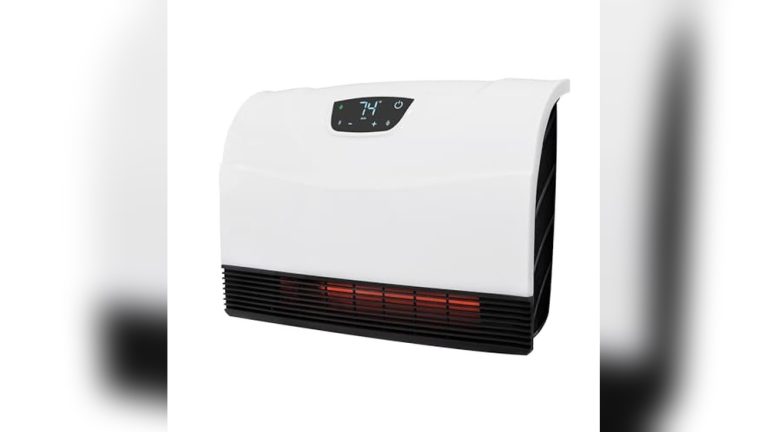
Storage heaters are a clever way to heat your home using electricity, especially when electricity prices are lower. They work by storing heat during off-peak times and releasing it when you need it. This is great because it can save you money on your energy bills. You charge them up overnight when electricity is cheaper, and then they slowly let out that heat during the day. This means you have warmth when you wake up and throughout the day without having to constantly run your heating.
The Basics of Storage Heater Design
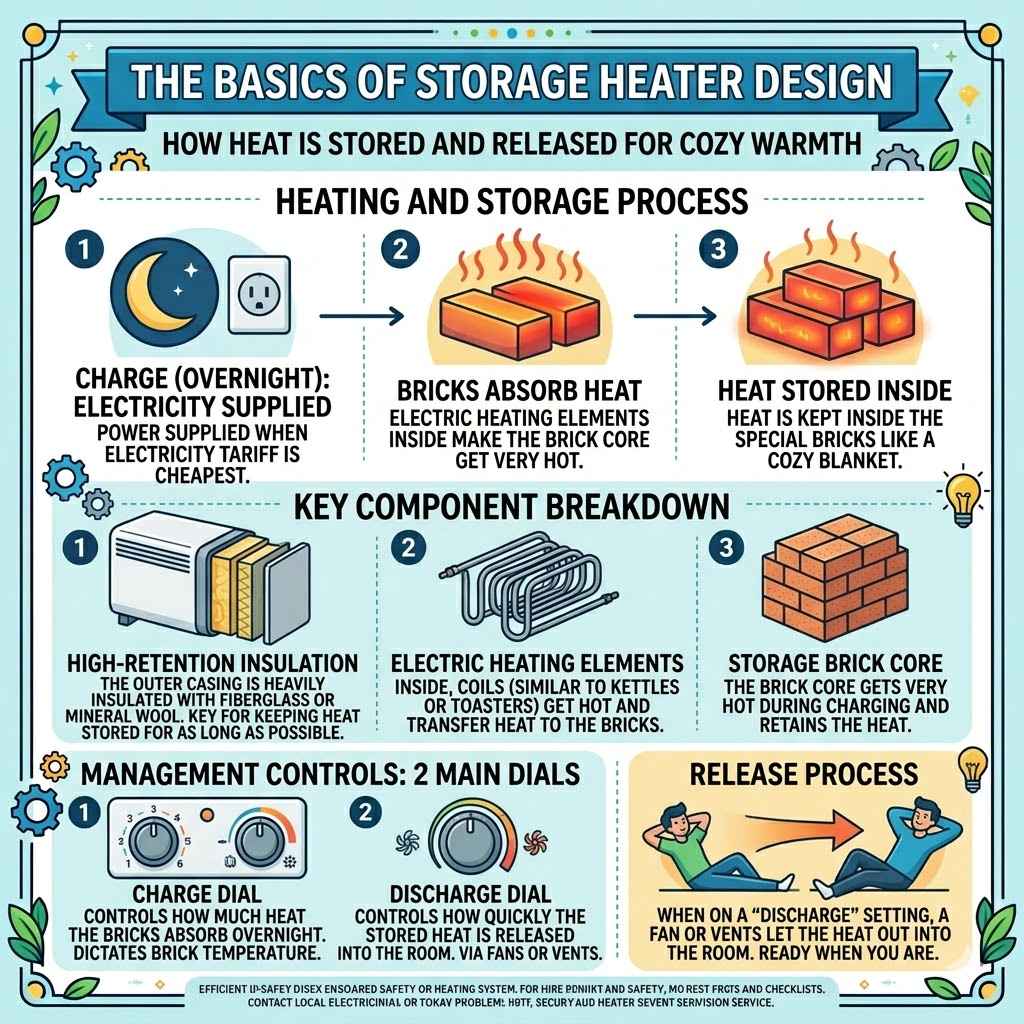
Storage heaters have a core made of special bricks. These bricks get very hot when the heater is charging. The heat is then kept inside the bricks. When the heater is on a “discharge” setting, a fan or vents let the heat out into the room. It’s like a cozy blanket of warmth that’s ready when you are.
- Insulation for Heat Retention: The outer casing of a storage heater is heavily insulated. This insulation is key to keeping the heat stored within the bricks for as long as possible. Without good insulation, the heat would escape too quickly, making the heater less effective. Materials like fiberglass or mineral wool are often used for this purpose.
- Heating Elements Inside: Inside the heater, there are electric heating elements. These are similar to those found in kettles or toasters. When electricity flows through them, they get hot and transfer that heat to the storage bricks. The power is supplied when your electricity tariff is at its cheapest, usually overnight.
- Control Dials for Heat Management: Most storage heaters have two main controls. One is for the ‘charge’ level, which dictates how much heat the bricks absorb overnight. The other is for the ‘discharge’ level, which controls how quickly the stored heat is released into the room. Getting these right is essential for comfort and efficiency.
Understanding Off-Peak Electricity Tariffs
Many homes with storage heaters use special electricity tariffs. These tariffs offer cheaper electricity rates during certain hours, typically overnight. This is when the storage heaters are designed to draw power and “charge up” their heat. By using this cheaper electricity, you significantly reduce the cost of heating your home.
- Time-of-Use Pricing: These tariffs work on a time-of-use basis. Electricity costs more during peak hours (when many people are using it) and less during off-peak hours. This encourages people to shift their energy use to times when the grid is less busy.
- Smart Meter Integration: Modern storage heaters often work with smart meters. Smart meters accurately track your electricity usage and can automatically switch the heaters on and off according to your tariff’s off-peak times. This takes the guesswork out of charging.
- Benefits of Off-Peak Charging: Charging your storage heater when electricity is cheap is the core of getting the best out of them. It means you are using energy for heating at its lowest cost, making your overall heating bills much more manageable.
The core idea behind storage heaters is to harness cheaper electricity when it’s available. This off-peak charging is the first step to making them work efficiently for you. Without understanding this, it’s hard to see how they can save you money.
Getting the Best Out of Storage Heaters Easily By Charging Them Right
The most important part of using storage heaters is charging them correctly. This means telling them to absorb heat when electricity is cheap. If you don’t charge them enough, you won’t have enough warmth. If you charge them too much, you waste energy and money. It’s all about finding that perfect balance.
Setting the Charge Control
The charge control dial determines how much heat the heater stores. You’ll usually see numbers or symbols on this dial. A higher setting means more heat is stored. The ideal setting can change depending on the weather and how warm you want your home to be.
- Adjusting for Daily Weather: On colder days, you’ll likely need to set the charge higher. On milder days, a lower charge setting is often enough. It’s a good idea to check the weather forecast to help you decide.
- Understanding Your Tariff’s ‘On’ Times: Make sure you know exactly when your off-peak electricity is active. Your storage heater needs to be told to charge during these times. Many newer heaters have timers that do this automatically.
- Trial and Error for Best Results: It might take a few days to find the perfect charge setting for your home. Start with a medium setting and adjust it up or down based on how warm your rooms are the next day.
Using the Discharge Control
The discharge control is for releasing the stored heat. This is usually a separate dial or lever. It determines how quickly the heat is let out. A higher discharge setting means more heat comes out faster.
- Controlling Heat Release Speed: You might want a faster heat release in the morning when you first wake up. Later in the day, you might prefer a slower, more gentle release of heat.
- Matching Discharge to Room Use: Rooms that are used a lot might need a higher discharge setting. Rooms that are used less can have a lower setting to conserve heat for longer.
- Working with the Charge Setting: The discharge setting works hand-in-hand with the charge setting. If you have a high charge, you can afford to discharge more heat. If your charge is low, you’ll need to be more conservative with discharge.
One common mistake is leaving the discharge on high all day, even when you don’t need that much heat. This wastes the stored warmth. Try turning down the discharge setting as the day goes on if the room is already warm enough.
Sample Scenario: A Cold Winter Morning
Imagine it’s a very cold winter morning. You wake up and the room is chilly.
- Check the charge setting. For a cold day, ensure it was set higher the previous evening.
- Set the discharge control to a higher level. This will release the stored heat more quickly to warm up the room faster.
- As the room warms up, gradually reduce the discharge setting to maintain a comfortable temperature without overheating.
This approach ensures you get the maximum benefit from the heat stored overnight. It’s about using what’s available efficiently. You’re not just turning it on; you’re managing its release.
Maximizing Comfort and Efficiency with Storage Heaters
Once you’ve got the charging and discharging sorted, you can focus on making your home even more comfortable and efficient. There are a few simple tricks to help your storage heaters work their best magic. These involve looking at how you use your rooms and how you manage airflow.
Room Insulation and Draft Proofing
Good insulation is crucial for any heating system. For storage heaters, it means the heat they release stays in the room longer. This reduces the need for constant reheating and conserves energy.
- Sealing Windows and Doors: Check for drafts around windows and doors. Use weatherstripping or sealant to block any gaps. This stops warm air from escaping and cold air from coming in.
- Curtains and Blinds: Thick curtains can help keep heat in at night. Open them during the day to let in any natural sunlight, which also provides warmth.
- Loft and Wall Insulation: Proper insulation in your loft and walls is a major factor in keeping your home warm. If your home isn’t well-insulated, your storage heaters will struggle to keep it at a comfortable temperature.
Think of your home like a thermos flask. The better it is sealed, the longer it keeps things warm inside. This applies directly to how well your storage heaters can heat your living space.
Smart Usage Patterns for Continuous Warmth
How you use your home throughout the day can also impact how effective your storage heaters are. Planning your usage can lead to a consistently warm and comfortable environment.
- Zone Heating: Focus on heating the rooms you use most. You don’t need to heat every room to the same temperature. Close doors to unused rooms to keep the heat where it’s needed.
- Morning Boost: Set a higher discharge for the morning to get the room warm quickly. As the day progresses and the room heats up from solar gain or other activities, you can reduce the discharge.
- Evening Warmth: Ensure enough heat is stored to last through the evening. You might need to adjust the charge the night before based on how cold the forecast is.
Many people set their storage heaters and forget them. But a little bit of planning can make a big difference. It’s about tailoring the heat to your daily life.
Using Fans and Vents to Distribute Heat
Some storage heaters have fans that help push the warm air out. Others rely on natural convection. Understanding how your specific heater works can help you make the most of its heat distribution.
- Fan-Assisted Heaters: If your heater has a fan, make sure it’s not blocked. Keeping the area around the fan clear allows it to circulate warm air more effectively throughout the room.
- Natural Convection: For heaters without fans, positioning them in the right place is important. Placing them near a cold wall or where air can freely circulate around them helps warm air rise and spread.
- Obstructions to Airflow: Avoid placing furniture or other items too close to your storage heater. This can block the vents or fan, preventing the warm air from escaping properly and circulating around the room.
It’s surprising how much difference a little attention to airflow can make. Proper circulation ensures that the stored heat reaches all corners of your room, not just the immediate vicinity of the heater.
Troubleshooting Common Storage Heater Issues
Even with the best intentions, you might run into a few hiccups. These are usually easy to fix. Knowing what to look for can save you time and frustration.
Heater Not Charging or Not Getting Warm
If your heater isn’t charging or doesn’t feel warm when it should be, check a few simple things first.
- Check the Power Supply: Make sure the heater is properly connected to the power supply. Check your home’s fuse box or circuit breaker to see if anything has tripped.
- Verify Off-Peak Hours: Confirm that your off-peak electricity supply is actually active during the charging period. Sometimes tariffs can change or there might be a fault with the supply.
- Is the Charge Control Set Properly?: Double-check that the charge control is set to a higher setting. If it’s set too low, it won’t absorb much heat.
It’s important to rule out the simplest issues first. Often, a tripped breaker or an incorrect setting is the culprit.
Room Too Hot or Too Cold
Getting the temperature just right can be a challenge. If your room is consistently too hot or too cold, it’s usually down to the controls.
- Adjusting Discharge Setting: If the room is too cold, try increasing the discharge setting. If it’s too hot, reduce the discharge setting.
- Revisiting Charge Setting: If you consistently need to discharge a lot of heat, you might need to increase the charge setting for the next night. If you’re not using all the heat, try a lower charge setting.
- External Factors: Consider external factors like direct sunlight on the heater or room, or an open window. These can affect the temperature more than you might think.
This is where that bit of trial and error comes in handy. Keep notes of your settings and the resulting temperatures. This will help you learn what works best for your home.
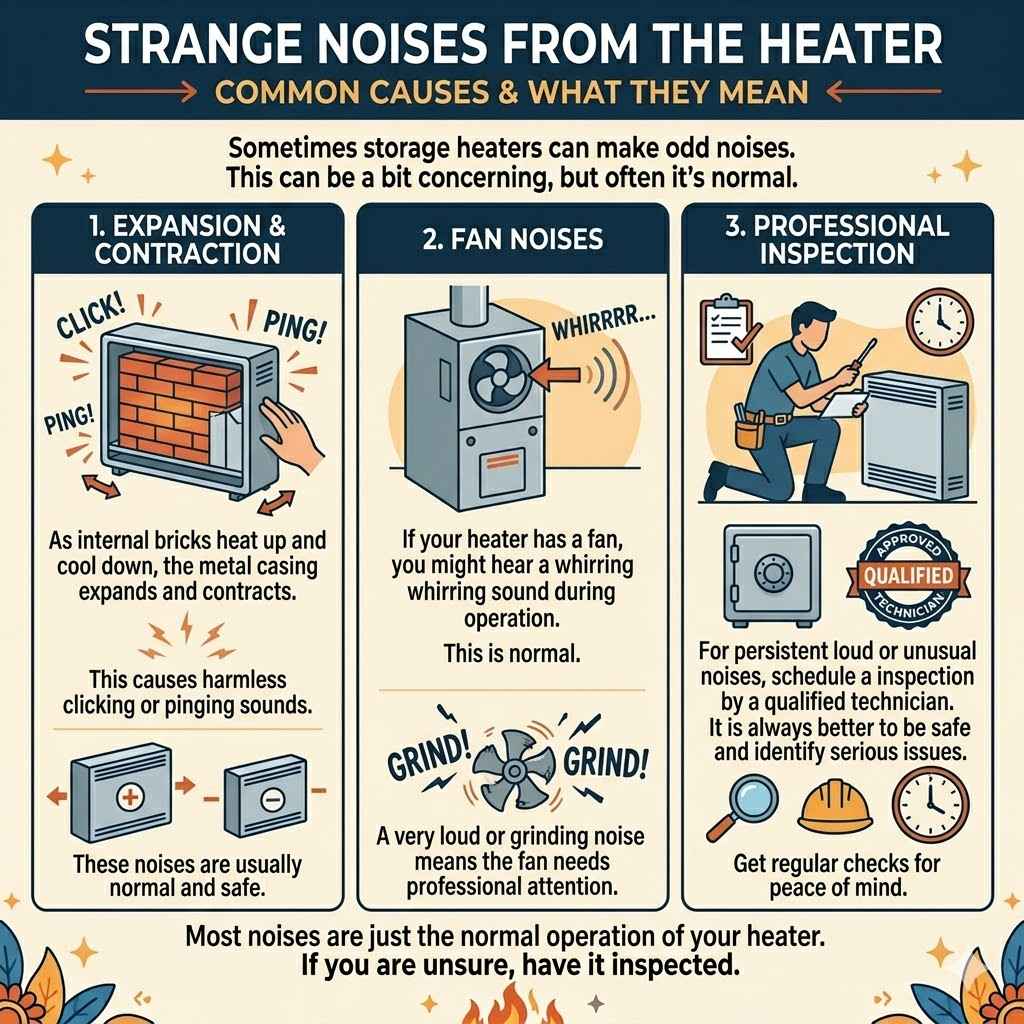
Strange Noises from the Heater
Sometimes storage heaters can make odd noises. This can be a bit concerning, but often it’s normal.
- Expansion and Contraction: As the bricks heat up and cool down, the metal casing can expand and contract. This can cause clicking or pinging sounds. These are usually harmless.
- Fan Noises: If your heater has a fan, you might hear a whirring sound when it’s in operation. If the noise is very loud or grinding, the fan might need checking.
- Professional Inspection: If you hear persistent loud or unusual noises, it’s best to get a qualified technician to inspect the heater. It’s always better to be safe.
Most noises are just the heater doing its job. But if anything sounds truly off, a quick check by a professional can give you peace of mind.
Frequently Asked Questions
Question: How do I know when my storage heater is charging?
Answer: Your storage heater is charging when it draws electricity from the grid during your off-peak hours. You might notice a slight warmth from the unit itself, and importantly, the heater will have absorbed heat that it will release later. Newer models often have indicator lights.
Question: Can I use a storage heater with a standard electricity meter?
Answer: Storage heaters are most effective and economical when used with an off-peak electricity tariff, which usually requires a special meter or a smart meter that can track time-of-use pricing. Using them with a standard meter means you’d be paying peak rates for all the electricity they consume.
Question: How often should I adjust the charge setting?
Answer: You should adjust the charge setting based on the expected temperature for the following day. On colder days, set it higher; on milder days, set it lower. Many people find they adjust it weekly or even daily depending on the weather forecast.
Question: Will storage heaters make my home feel dry?
Answer: Storage heaters typically provide radiant heat, which is often perceived as less drying than forced-air heating. However, any heating system can reduce indoor humidity, especially in dry climates. Using a humidifier can help if you find the air too dry.
Question: What is the lifespan of a storage heater?
Answer: A well-maintained storage heater can last for 15 to 20 years. Regular servicing and ensuring they are not overworked can extend their lifespan significantly.
Wrap Up
Learning to get the best out of storage heaters easily involves understanding how they charge and discharge heat. By setting the controls correctly for the weather and your home’s needs, you can enjoy efficient warmth. Remember to check for drafts and manage airflow to keep your home comfortable. With these simple steps, you can master your storage heaters and feel cozy all year round.