Do Ultra Air Heaters Really Work for Small Rooms?
Yes, ultra air heaters can work effectively for supplemental or targeted heating, offering proven efficiency when used correctly. They focus on quickly warming the air directly in front of them, making them a great solution for spot heating or quickly raising the temperature in small spaces without heating an entire room or house. Their efficiency comes from their design principle: rapid convection and direct heat transfer.
Feeling that chilly draft when the weather turns cold is never fun. You might be looking for a way to add warmth to a specific spot in your home, perhaps your home office, a drafty corner, or even just your feet under your desk. This is where you might have heard about “ultra air heaters.” But do these devices really deliver on their promise of quick, efficient heat? Many homeowners wonder if they’re worth the investment. It’s easy to get confused with so many heating options out there. Don’t worry, Tanim is here to help! We’ll break down exactly how these heaters work, their real-world efficiency, and how you can get the most cozy warmth out of them. Let’s dive in and find out if an ultra air heater is the right solution for your needs!
What Exactly is an “Ultra Air Heater”?
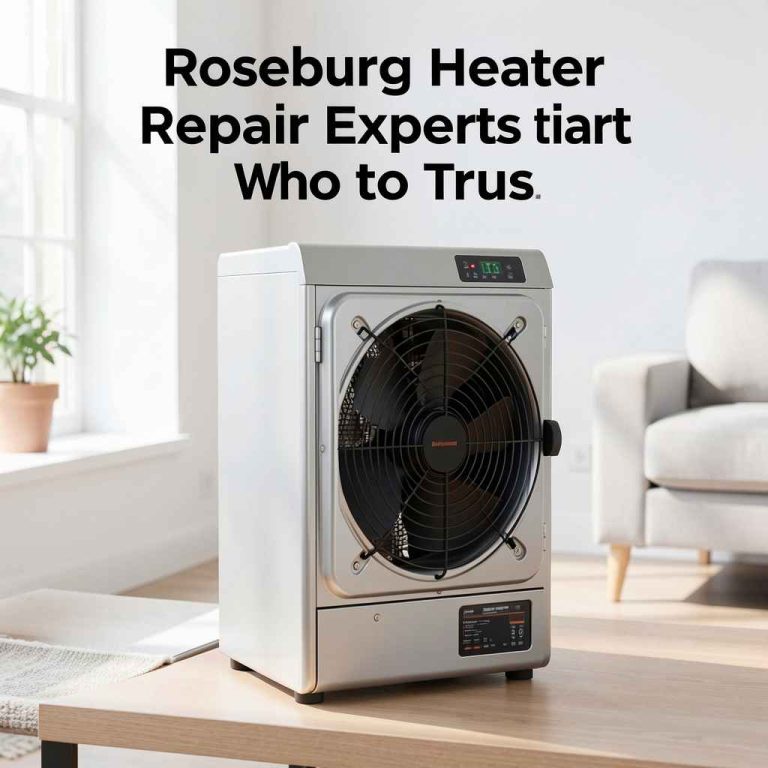
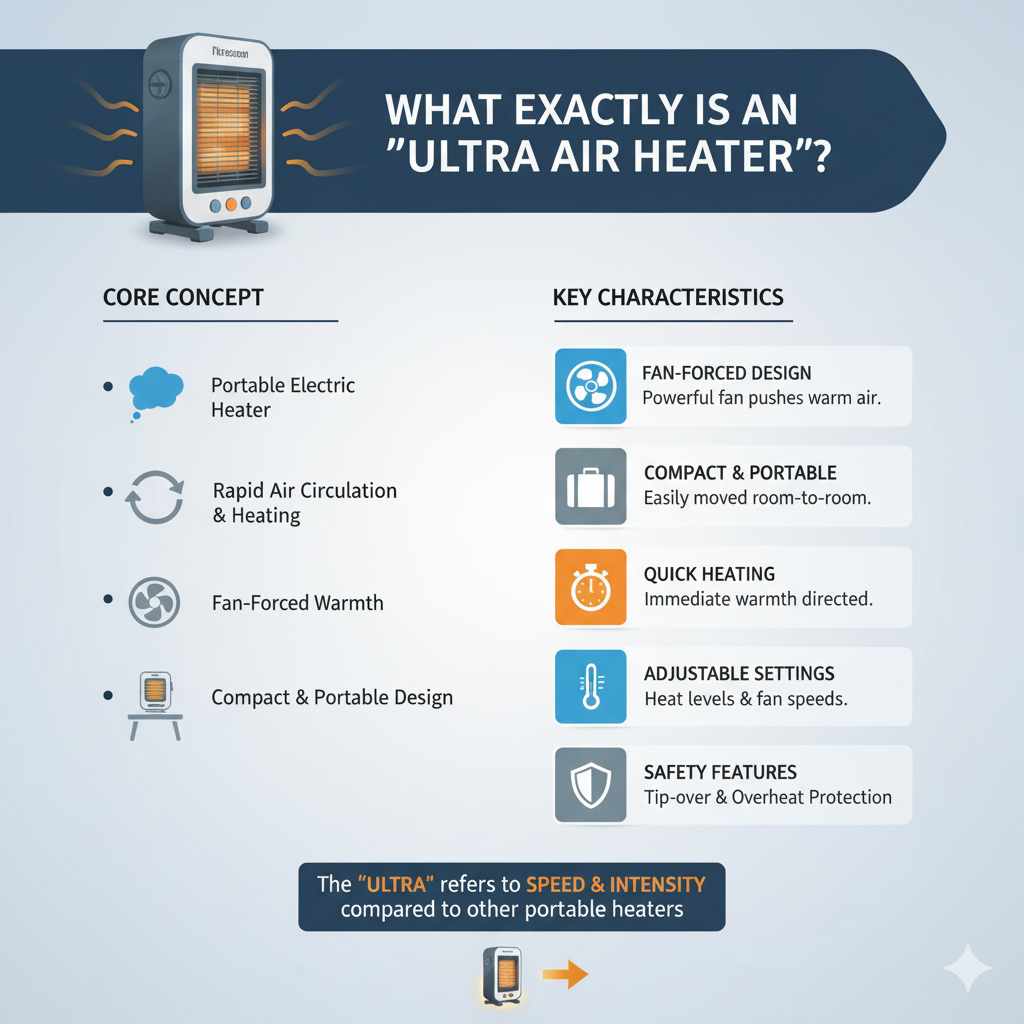
The term “ultra air heater” isn’t a strictly defined technical category like “central furnace” or “heat pump.” Instead, people often use it to describe a type of portable electric heater known for its rapid air circulation and heating capabilities. These are typically compact, fan-forced heaters designed to quickly push warm air into a space. Think of them as a powerful, portable blast of warmth.
Key characteristics often associated with what people call “ultra air heaters” usually include:
- Fan-Forced Design: A powerful internal fan is central to their operation. This fan draws in cooler room air, passes it over a heating element, and then forcefully expels the warmed air into the room.
- Compact and Portable: They are generally small enough to be easily moved from room to room or placed on a desk, floor, or table.
- Quick Heating: Due to the fan’s action, they are designed to provide almost immediate warmth in the direction they are pointed.
- Adjustable Settings: Most come with options for different heat levels and fan speeds, allowing you to customize the output.
- Safety Features: Modern units typically include tip-over protection (shutting off if knocked over) and overheat protection.
The “ultra” in the name often refers to the perception of their speed and intensity of heating compared to other portable heaters like radiant or ceramic panel heaters.
How Do Ultra Air Heaters Generate Heat?
At their core, what we’re calling “ultra air heaters” are a type of electric resistance heater, specifically a fan-forced or convection heater. Here’s a simple breakdown of the process:
- Air Intake: A fan inside the unit draws in the cooler air from around the heater.
- Heating Element: This air then passes over a heating component. In most modern units, this is typically a ceramic element or a metal coil (nichrome wire). When electricity flows through these elements, they resist the flow, generating heat – much like a toaster element.
- Heat Transfer: The fan blows this heated air out of the front of the unit.
- Circulation: The fan’s continuous action helps to circulate the warm air, quickly warming the immediate vicinity or a small area.
This method is very direct. It’s not about heating the air in the entire room indirectly or radiating heat like the sun. It’s about pushing warm air where you want it, when you want it. This is a key reason for their perceived speed and efficiency in targeted applications.
The Efficiency Question: Do They Really “Work” Well?
This is the big question! When we talk about efficiency with electric heaters, it’s important to understand what we mean. Electric resistance heaters, including fan-forced types, are essentially 100% efficient at converting electricity into heat within the room they are operating. This means every watt of electricity they consume becomes one watt of heat energy. You can’t get more heat out of them than the energy you put in.
So, if they are all 100% efficient, what’s the difference? The “effectiveness” and perceived “efficiency” of an ultra air heater comes down to:
- Targeted Heating: They are designed to deliver heat directly to a person or a very small, specific area quickly. If you only need to warm your personal space under a desk or a small nook, they are highly effective for that purpose. You get heat right where you need it, when you need it.
- Speed of Warmth: Because of the fan, the warm air is distributed almost instantly. This makes them feel very effective compared to methods that take longer to warm up.
- Energy Use in Context: While 100% efficient, they can still consume a lot of electricity if left running continuously to try and heat a large space. Their true “cost-efficiency” is often best realized when used for supplemental heating or short periods to quickly take the chill off.
- Room Size: They are generally best suited for small rooms (e.g., bathrooms, small offices) or for spot heating within a larger space. Trying to heat a large living room with just one small ultra air heater would be inefficient in terms of energy consumption for the comfort achieved.
Comparing to Other Electric Heater Types
To understand where an ultra air heater fits, let’s look at how it stacks up against other common portable electric heaters:
| Heater Type | How it Works | Pros | Cons | When it’s “Most Efficient” |
|---|---|---|---|---|
| Ultra Air Heater (Fan-Forced) | Fan blows room air over a heating element and expels warm air. | Quick to warm, portable, good for spot heating, immediate heat feel. | Can be noisy, air can feel dry, less efficient for whole-room heating, uses significant power. | Warming a small space or personal area quickly. |
| Ceramic Heater | Similar to fan-forced, but uses ceramic plates that heat up and radiate warmth. Often has a fan. | Quick heat-up, generally safe, many have oscillating features for wider coverage. | Can dry out air, uses similar power to fan-forced, less effective for large rooms. | Small to medium rooms, personal comfort zones. |
| Oil-Filled Radiator | Heats oil inside sealed columns, which then radiates heat gently over a larger area. | Quiet, provides sustained, gentle heat, doesn’t dry air as much, energy-efficient for continuous low heat. | Slow to heat up, not very portable, less effective for quick heating needs. | Maintaining warmth in a bedroom overnight or a medium-sized room consistently. |
| Infrared Heater (Radiant) | Emits infrared radiation that directly heats objects and people in its path, not the air. | Heats directly, feels warm almost instantly, doesn’t heat the air (so less energy wasted in drafts), can be energy efficient for direct heating. | Only heats what it “sees,” wide coverage requires oscillating or multiple units, doesn’t raise ambient room temperature significantly. | Spot heating a person or area directly without heating the whole room. |
As you can see, an “ultra air heater” excels at delivering immediate, targeted warmth. Its efficiency is high when you define efficiency as getting heat to a specific spot quickly. If your goal is to heat a large room evenly and continuously, other methods might be more suitable or cost-effective in the long run.
Factors Affecting Real-World Performance
Even with a well-designed ultra air heater, several factors influence how effectively it heats your space:
- Room Size: This is the most crucial factor. These heaters are best for small offices, bathrooms, or personal workspaces. For larger living areas, they will struggle and consume excessive electricity. Check the manufacturer’s recommendation for the square footage they are designed to heat.
- Insulation and Drafts: A well-insulated room with minimal drafts will hold the heat much better. If your windows and doors are drafty, the warm air from the heater will escape quickly, making it work harder and longer. Consider weatherstripping your windows and doors to improve efficiency. According to the U.S. Department of Energy, proper air sealing can significantly reduce heating costs.1
- Thermostat Accuracy: Some heaters have simple dial controls, while others have digital thermostats. A more accurate thermostat helps prevent overheating and wasted energy by shutting off the heating element once the desired temperature is reached.
- Placement: Position the heater so it blows warmed air directly into the area you want to heat. Avoid placing it too close to furniture or curtains, which can obstruct airflow or pose a fire hazard.
- Personal Comfort Level: “Working” also depends on your personal definition of warmth. Some people prefer a slightly warmer room, while others are comfortable with a smaller boost of heat.
When Are Ultra Air Heaters a Great Choice?
Based on their design and heating method, ultra air heaters are excellent for specific situations:
- Spot Heating: Need to warm just your feet under your desk, or create a cozy zone on the couch? An ultra air heater placed strategically can provide instant comfort without heating the whole room.
- Quick Warm-Up: Is your bathroom chilly in the morning? An ultra air heater can quickly take the edge off before you get in the shower.
- Supplemental Heating: If your central heating doesn’t quite reach a particular room or you need an extra boost on a very cold day, they can be a good addition.
- Temporary Needs: For a home office you only use a few hours a day, or a guest room you want to make extra comfortable for a short stay, they offer a convenient heating solution.
- Budget-Friendly Initial Cost: Compared to installing new central heating or buying a larger, more complex heating system, portable ultra air heaters are generally quite affordable to purchase.
When Might Other Heaters Be Better?
While effective, they aren’t always the best fit. Consider other options if:
- You need to heat a large room evenly: Radiators or central heating are more suited for this.
- You need quiet operation: The fan in an ultra air heater can produce some noise.
- You want to maintain a consistent temperature over long periods: Oil-filled radiators often do this more gently and quietly.
- You are concerned about very dry air: Some find fan-forced heaters make the air feel drier.
Safety First! Using Your Ultra Air Heater Responsibly
Safety is paramount when using any heating appliance. Ultra air heaters have come a long way with built-in features, but responsible use is still key:
Essential Safety Features to Look For:
- Tip-Over Switch: This automatically shuts the heater off if it’s knocked over, preventing a fire hazard.
- Overheat Protection: If the heater gets too hot internally, this feature will cut off power.
- Cool-Touch Exterior: Many models have a casing that stays relatively cool to the touch, reducing the risk of burns.
- Indicator Lights: To show when the unit is on and, for some, when the heating element is active.
How to Use Safely and Effectively:
- Read the Manual: Always start by reading and understanding the manufacturer’s instructions for your specific model.
- Clearance is Key: Keep a minimum of 3 feet (about 1 meter) of clear space around the heater. Do not place it near curtains, bedding, furniture, paper, or any flammable materials. Maintain clear airflow to the intake and outlet vents.
- Proper Placement: Always place the heater on a stable, level surface. Never put it on top of a carpet that could ignite or obstruct airflow.
- Never Leave Unattended: Do not leave the heater running when you are sleeping or when the room is unoccupied, especially in older homes or if you have concerns about the unit’s condition.
- Check the Cord: Ensure the power cord is not frayed, damaged, or overloaded. Plug it directly into a wall outlet, not an extension cord if possible, as extension cords can overheat. The U.S. Fire Administration advises against using extension cords with portable heaters.[2]
- Keep Away from Water: Never use an electric heater in bathrooms, laundry rooms, or other damp environments where it could come into contact with water.
- Regular Inspection: Periodically check the heater, cord, and plug for any signs of damage. If you find any, discontinue use immediately.
- Unplug When Not in Use: When you are finished using the heater or leaving the room for an extended period, switch it off and unplug it.
Tips for Maximizing Your Ultra Air Heater’s Performance
Want to get the absolute best out of your ultra air heater? Try these tips:
- Pair it with Insulation: As mentioned, better insulation means less heat loss. Think draft stoppers for doors and windows.
- Use it in Conjunction with Other Heating: Don’t expect it to be your sole heat source for a large area. Use it to augment your existing heating system.
- Set a Timer: If your model has a timer, use it to turn the heater on just before you need it and off after you’re done.
- Clean the Vents: Dust and debris can clog the vents and fan, reducing airflow and efficiency. Clean them regularly according to the manual’s instructions.
- Understand its Wattage: Higher wattage generally means more heat, but also more electricity consumption. Choose a wattage appropriate for your needs and budget. Many common portable heaters range from 750 to 1500 watts.
- Close Doors: If you’re heating a smaller zone within a larger space (e.g., a home office), keep the door closed to trap the heat.
Understanding Energy Consumption
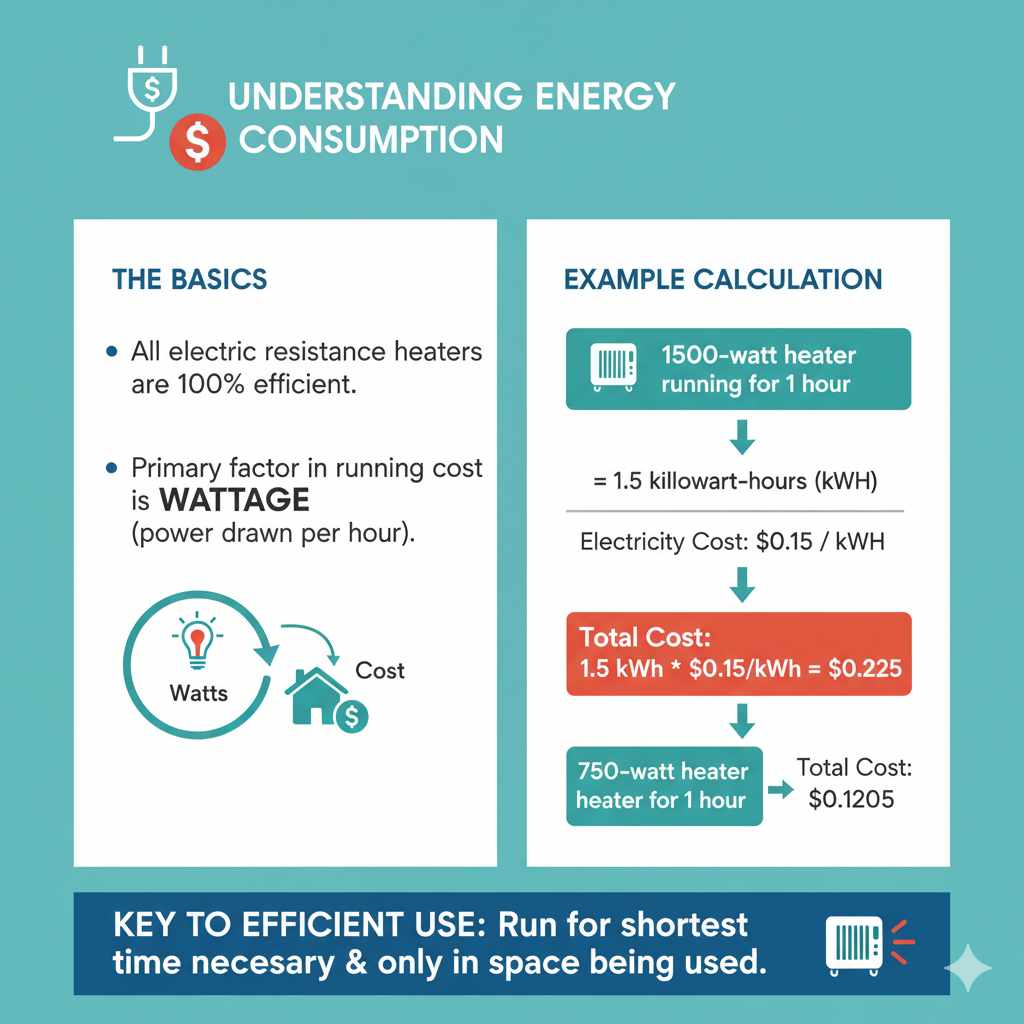
As all electric resistance heaters are 100% efficient at converting power to heat, the primary factor in their running cost is their wattage – how much power they draw per hour. A heater with a higher wattage will produce more heat but will also cost more to run.
For example:
- A 1500-watt heater running for 1 hour uses 1.5 kilowatt-hours (kWh) of electricity.
- A 750-watt heater running for 1 hour uses 0.75 kWh of electricity.
If your electricity costs $0.15 per kWh, running a 1500-watt heater for 1 hour would cost 1.5 kWh * $0.15/kWh = $0.225. Running a 750-watt setting would cost half that.
The key to efficient use is to run the heater for the shortest time necessary to achieve your desired comfort level and only in the space you are using. For immediate spot heating, this can be very economical. For continuous heating of a room, it can become expensive.
Frequently Asked Questions (FAQ)
Do ultra air heaters consume a lot of electricity?
Yes, like all electric resistance heaters, they consume a significant amount of electricity relative to the amount of heat they produce when compared to other heating methods like natural gas furnaces or heat pumps. Their efficiency is 100% in converting electricity to heat, but that electricity can be costly. Use them for targeted, short-term heating to manage costs.
Are ultra air heaters safe to leave on overnight?
While many modern ultra air heaters come with safety features like tip-over switches and overheat protection, it is generally not recommended to leave any portable electric heater unattended, including overnight. Always follow the manufacturer’s instructions. For overnight warmth, consider a unit designed for continuous low-level heat and place it safely away from bedding.
Can an ultra air heater heat a whole room?
They are primarily designed for spot heating or warming up very small rooms quickly. They can struggle to evenly or effectively heat larger rooms, especially if there are drafts or poor insulation. For whole-room heating, consider their wattage and the manufacturer’s recommended room size.