Should you repair or replace your water heater now?
Repair a water heater if it is relatively new, the leak appears to come from a valve or fitting, and the repair cost is less than about half the cost of replacement; replace it if the tank itself is leaking, it is older, or the repair cost is more than about half the cost of a new unit. Wait too long and you can pay more in utilities, clean up water damage, and still end up with a dead tank. This guide gives a simple repair-vs-replace matrix by age, leak location, safety risk, and repair cost.
Should you repair or replace a water heater?
The short answer is to repair a small, isolated fault on a younger unit, watch a borderline unit for a short stretch, and replace any older tank with a base leak, repeated failures, or high safety risk. Age, leak source, hot-water output, and repair cost should point to one of those three outcomes, not a vague maybe.
The fast decision: repair, monitor, or replace
Repair now when the problem is local and the tank still has real life left. That usually means a thermostat issue, a failed electric heating element, a loose connector, or a valve leak on a unit that is not near retirement.
Monitor briefly when the unit is borderline: it still heats, the leak source is unclear, or the repair is minor but the heater is old enough that one more failure would change the math. Replace now when the leak comes from the tank base, performance is falling apart, or safety risk is rising.
How age, leak source, hot water output, and repair cost change the answer
Age is the first filter because service life drives the value of any repair. Tank water heaters usually last about 8-12 years, while tankless units typically last 15-20+ years with proper care. After that point, even a fair repair can be bad value if the tank is already near failure.
Leak source matters because some leaks can be fixed and others usually point to the end of the tank. A valve or connector can often be repaired. A leak at the base of an older tank usually points to internal tank damage and replacement.
Homeowner decision matrix
| Factor | 0 points | 1 point | 2 points | Action |
|---|---|---|---|---|
| Age | Under 8 years | 8-10 years | More than 10 years | |
| Leak location | No leak or loose connector / valve | Valve body, thermal expansion, or uncertain minor seep | Base of tank or internal tank issue | |
| Hot-water performance | Normal output | Some loss, temperature swings, or noisy tank | Little hot water or none | |
| Repair cost | Under 25% of replacement | 25%-50% of replacement | More than 50% of replacement | |
| Safety risk | Low | Moderate | High | |
| Score total | 0-2 | 3-5 | 6-10 | Repair now / Monitor briefly / Replace now |
How to use it: add the points from each row. A low score points to repair now. A middle score means monitor briefly after a low-risk repair or diagnostic check. A high score means replacement is the better call, especially if the tank is older than 10 years and the leak is at the base.
According to hotwater.com — Average water heater life expectancy is about 8 to 12 years.
How long do water heaters usually last?
Most tank water heaters last about 8-12 years, while tankless units often last 15-20+ years with proper care. Maintenance, water quality, and how hard the unit works all change that range. A neglected heater can fail much sooner than the label on the side suggests.
Tank water heaters: the 8-12 year window
Traditional tank water heaters usually live in the 8-12 year range. Once a tank gets past 10 years, a leak at the base or erratic operation often means replacement is the sensible move. The tank itself is the problem at that point, not just one part.
Tankless water heaters: why 15-20+ years is common
Tankless water heaters typically last 15-20+ years with proper care. That longer span changes the repair-vs-replace decision. A circulating part, sensor, or service issue may still be worth fixing when the cabinet and heat exchanger are in good condition.
Why maintenance changes service life
Flushing sediment, checking valves, and servicing controls help the unit last longer. Neglect speeds up wear. A tank that is making strange noises or delivering less hot water may be signaling sediment buildup rather than total failure, especially if the shell and connections are still sound.
Which water heater problems are worth repairing?
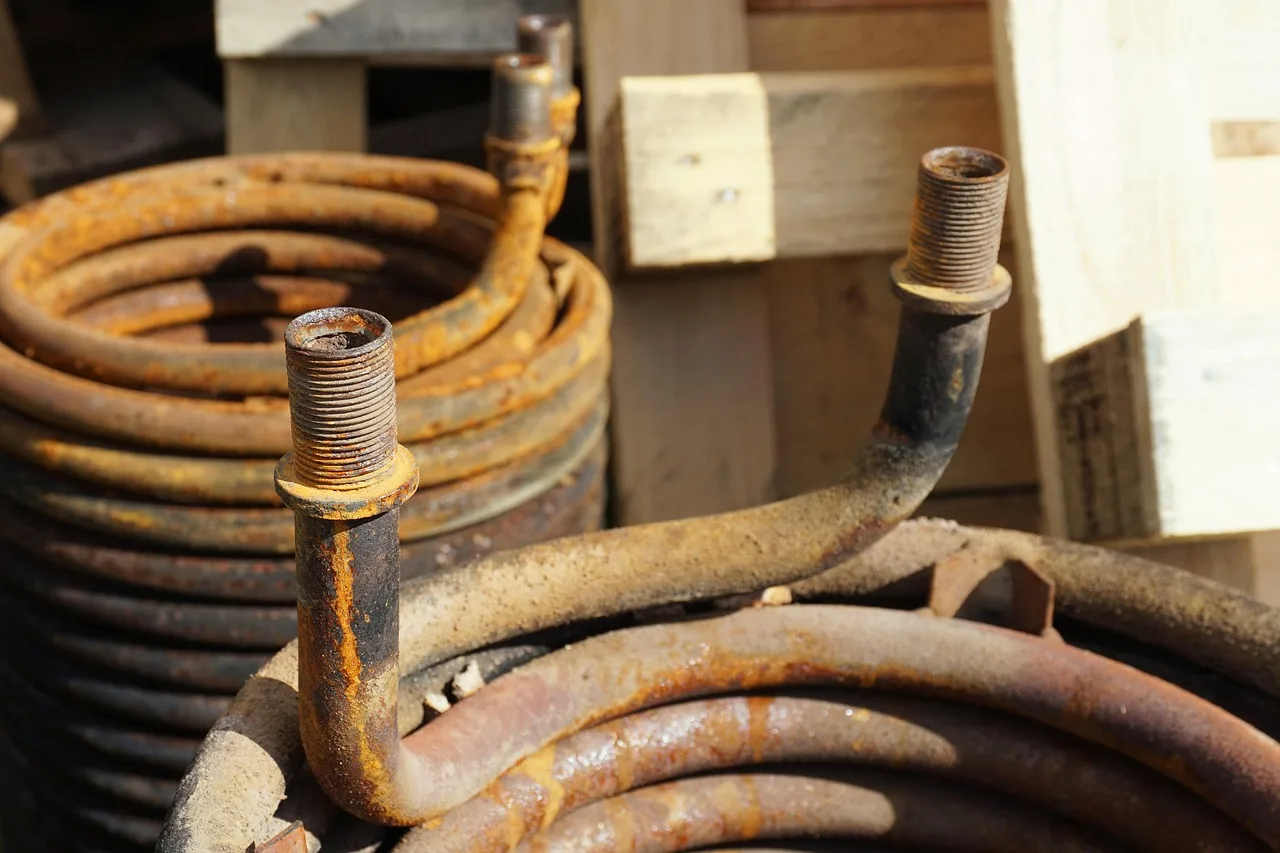
Thermostat faults, failed electric heating elements, loose connectors, and some valve issues are often worth repairing when the tank is not near the end of its service life. These are usually component problems, not tank failure. The question is whether the repair restores enough useful life to justify the cost.
Thermostat problems and temperature swings
A water heater thermostat controls temperature, so a bad setting or failing control can make water too hot or not hot enough. If the water is too hot, check the temperature setting first. If the setting is right and the unit still swings badly, the thermostat may need replacement.
Failed heating elements on electric units
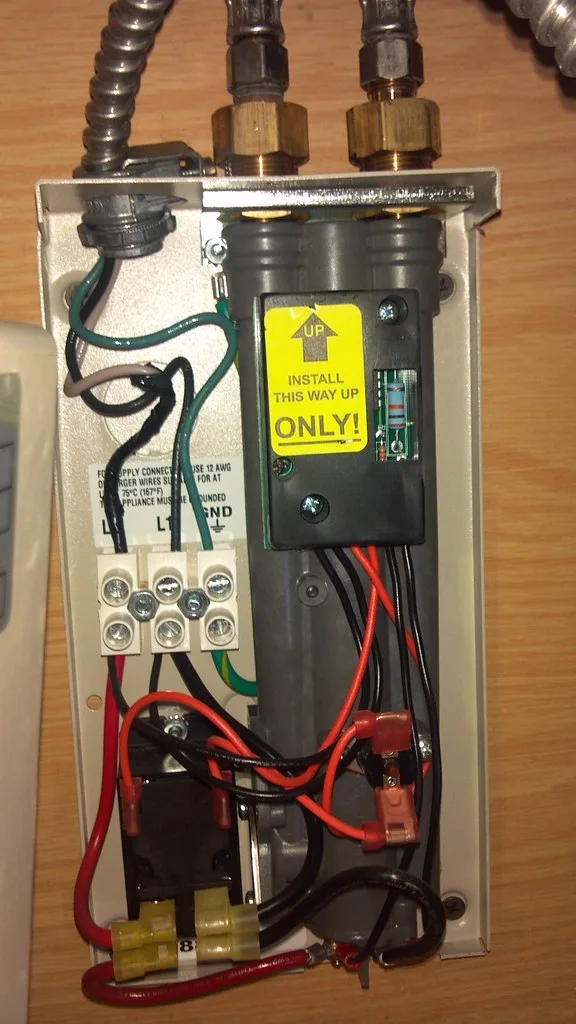
A failed heating element can cause partial hot water or none at all. On an electric unit, that part can be tested with a multimeter before a full replacement is considered. If only one element has failed and the tank is still within its useful life, repair usually makes sense.
Sediment buildup, tank noise, and flushing
Sediment buildup can reduce hot-water performance and create strange noises at the bottom of the tank. Flushing may help if the tank is otherwise sound. If the heater is old, noisy, and already struggling, flushing alone may only buy a short delay before replacement.
Valves and loose connectors
Faulty valves, thermal expansion, and loose connectors can all cause leaks. These are often repairable, especially when the leak is visible and isolated. A plumber can usually trace a loose fitting or bad valve faster than replacing the entire appliance.
When is a leaking water heater not worth fixing?
A leak is usually not worth fixing when it comes from the base of an older tank, from internal tank damage, or alongside other signs that the unit is failing. In those cases, the tank itself is breaking down. Repair only delays the next leak.
Base-of-tank leaks on older tanks
If a water heater is more than 10 years old and it leaks at the base, replacement is probably the right move. Base leaks often point to the inner tank shell, and that part cannot be repaired in a durable way. A small puddle can become a bigger water-damage event fast.
Leaks from internal tank damage
Internal tank issues usually justify replacement because the failure is inside the vessel, not on a serviceable part. Once the steel or liner fails, patching valves or fittings will not stop the leak. That is the point where repair money is better saved for a new unit.
Faulty valves, thermal expansion, and connector leaks
Not every leak means replacement. Faulty valves, thermal expansion, and loose connectors can be corrected. If the tank is younger and the leak is clearly external, repair can make sense. If the same leak returns after the fix, the score should move toward replacement.
When safety risk pushes the decision to replace
Safety risk changes the answer quickly. Repeated electrical faults, signs of overheating, chronic leaks near wiring, or frequent service calls raise the chance that waiting will cost more than replacing. When the heater is acting erratically and the tank is old, replacement is the safer path.
Use the decision matrix before you pay for a repair
The matrix works because it turns a messy diagnosis into a short score. Add points for age, leak location, hot-water performance, repair cost, and safety risk. Low scores favor repair, middle scores favor a brief monitor period, and high scores point to replacement now.
Score age, leak location, hot-water performance, repair cost, and safety risk
- Check the age on the label or service record.
- Find the leak source and note whether it is at the base, a valve, or a connector.
- Test hot-water output at more than one fixture.
- Compare the repair quote to the cost of replacement.
- Rate the safety risk if the heater has electrical faults, repeated leaks, or overheating.
How the score leads to repair, monitor, or replace
Repair now when the score stays low and the fix is a part replacement, not a tank rescue. Monitor briefly when the score sits in the middle and the issue may be a one-off fault. Replace now when the score is high, especially if the heater is older than 10 years and the tank itself is involved.
A simple threshold for frequent repair calls
Frequent repairs should be compared with the remaining service life, not just the latest invoice. If repeated service calls are stacking up on an aging tank, the total can approach or exceed the cost of a new unit before the old one has much life left. At that point, replacement is the cleaner financial move.
What should you check before paying for a water heater repair?
Before paying, check warranty coverage, confirm basic power or fuel delivery, and ask whether the repair will buy enough remaining life. A cheap fix is poor value if the tank is near the end of its service life. The best repair is the one that restores dependable hot water for long enough.
Warranty coverage and exclusions
Warranty coverage and exclusions matter because they change who pays for the part and sometimes the labor. Check the warranty before approving repairs. If the covered part is failing and the unit is still eligible, repair may cost far less than expected.
Power, pilot light, and breaker checks
Basic troubleshooting should come first. On electric units, confirm power and breaker status. On gas units, check the pilot light and fuel supply. These simple checks can solve a no-hot-water call before a more expensive repair is booked.
Whether the repair restores enough remaining life
The real question is not whether the heater can be fixed. It is whether the fix leaves enough useful life to justify the bill. A thermostat or element replacement can be smart on a younger unit. The same repair on a corroding tank may only postpone the next failure.
If replacement makes more sense, how do you choose the next unit?
Replacement should start with sizing and household demand, then move to tank versus tankless, fuel type, and efficiency. A water heater selector or sizing method helps match capacity to actual use. The wrong size creates the same complaint that sent the old unit out the door.
Sizing and household demand
An undersized unit can cause not enough hot water. That is why the next heater should match the number of bathrooms, showers, and high-use fixtures in the home. If the old unit was always short on capacity, replacement is a chance to fix that.
Tank versus tankless tradeoffs
Tank units cost less to install in many homes and are easier to match to existing plumbing. Tankless units last longer with proper care and can fit homes that want on-demand heating, but the choice still depends on demand, fuel, and installation setup. The right answer is not the same for every house.
Energy-efficient replacement, rebates, and tax credits
Newer, more efficient models may cut energy expenses, especially when the old unit is near the end of life. Rebates and tax credits may be available, so replacement can make more sense than another repair when the heater is already old, leaky, and expensive to keep alive.
Frequently asked questions
Should I repair or replace my water heater?
Repair a water heater when the fault is limited, the unit is under 8 years old, and the repair costs less than half of replacement. Replace it when the tank leaks, the unit is 10+ years old, or repeated failures make the remaining life too short to justify another fix.
How long do water heaters usually last?
Traditional tank water heaters typically last 8-12 years, while tankless water heaters often last 15-20+ years with proper care. Actual life depends on maintenance, water conditions, and how hard the unit works. Age alone does not decide the outcome, but it sets the repair ceiling.
What water heater problems are worth repairing?
Thermostat faults, failed electric heating elements, loose connectors, and some valve problems are worth repairing when the tank is still in good shape. These are serviceable parts. If the tank itself is corroded, leaking from the base, or repeatedly failing, replacement usually wins.
When is a leaking water heater not worth fixing?
A leak is often not worth fixing when it comes from the base of an older tank, from internal tank damage, or from a heater that is already 10+ years old and acting erratically. External valve or connector leaks are different and may be repairable.
How much hot water loss means replacement instead of repair?
If the heater has no hot water, only partial hot water, or keeps running out far too soon after normal use, the problem may be bigger than a simple part swap. Check thermostat, sediment, and heating element issues first. If performance stays poor after repair, replacement is the better move.
What should I check before paying for a water heater repair?
Check warranty coverage, then confirm basic power, pilot light, or breaker issues before approving the visit. After that, ask whether the repair meaningfully restores remaining life. A repair only makes sense if it buys dependable service for long enough to beat the cost of replacement.