

Choosing the right pool heater can make all the difference in extending your swimming season and maximizing your pool enjoyment. But with so many options, how do you decide between propane heaters and heat pumps?
This decision isn’t just about keeping your pool warm; it’s about making an investment that aligns with your lifestyle, budget, and environmental values. Imagine diving into comfortably warm water, knowing you made the best choice for your needs. Whether you’re looking for efficiency, cost-effectiveness, or ease of use, this guide will help you unravel the benefits and drawbacks of propane heaters versus heat pumps.
Discover which option will transform your pool experience, giving you more time to relax and enjoy. Keep reading to find the perfect fit for your pool and unlock the secrets to year-round swimming bliss.
Types Of Pool Heaters
Propane heaters are popular for fast pool heating. They use propane gas to create heat. These heaters are strong and work even in cold weather. They are good for pools used less often. Installation is simple, but it needs a propane tank. The cost to run them can be high. Propane heaters are great for small pools. They heat water quickly, making them a favorite choice.
Heat pumps use electricity to warm pool water. They pull in warm air from outside. These heaters work best in warm climates. They are energy-efficient and save money over time. Heat pumps are slower than propane heaters. They take longer to heat the pool. They are not good for very cold areas. But they are great for regular use. They are quiet and last long.
Credit: www.energy.gov
How Propane Heaters Work
Propane heaters use a combustion process. Propane gas is burned. This creates heat. The flame heats a metal surface. This surface warms the water. Water then circulates in the pool. It’s simple and effective.
Heat transfer occurs when water passes over the heated surface. The warm metal transfers heat to the water. This process is fast. It helps maintain a warm pool. Even when outside temperatures are cool, the water stays warm.
How Heat Pumps Work
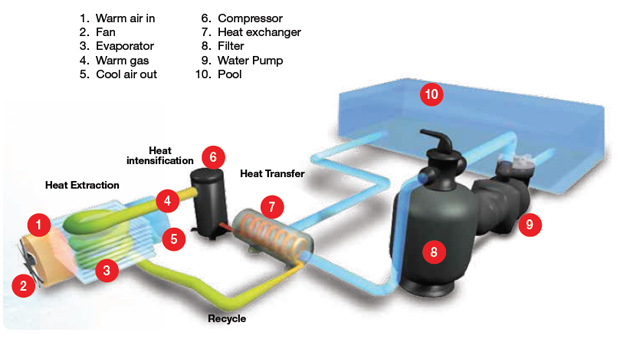
Heat pumps need electricity to work. This power runs the pump. The pump moves heat. It does not create heat. Less electricity is used this way. This means it can save money. It is also good for the earth. Using less power helps the planet.
Heat pumps take heat from the air. They use a special part called a compressor. This part makes the air warm. The warm air heats the pool water. This process is smart and simple. It works even if it is cold outside. Heat pumps are great for long-term use.

Credit: www.poolheatpumps.com
Efficiency Comparison
Propane pool heaters offer quick heating, ideal for colder climates. Heat pumps use less energy, making them eco-friendly and cost-effective over time. Consider climate and budget to choose the best option for your pool.
Energy Consumption
Propane heaters use gas to create heat. They can warm up the pool fast. Heat pumps, on the other hand, use the air. They take heat from the air and move it to the water. This makes heat pumps more energy-efficient. They use less electricity. But they need warm air to work well. Propane heaters can work even in cold weather. They consume more energy than heat pumps.
Heating Speed
Propane heaters heat pools quickly. They can warm the water in a few hours. This is great for cold days. Heat pumps are slower. They need a day or more to heat the pool. This is because they use air heat. So, propane is better for fast heating. But, heat pumps save more energy in the long run.
Cost Analysis
Choosing between propane pool heaters and heat pumps involves analyzing costs. Propane heaters often have higher operating costs due to fuel prices. Heat pumps, though initially expensive, are more efficient and can save money over time.
Initial Investment
Propane pool heaters usually have a lower initial cost. Heat pumps can be expensive to buy. But they last longer than propane heaters. Installation costs may vary. Propane heaters need a gas line. Heat pumps need electricity setup. Consider setup costs before buying.
Operational Costs
Propane heaters use fuel to heat water. Fuel costs can add up fast. Heat pumps use electricity. They save money over time. Electricity costs are lower than propane. Maintenance costs differ too. Propane heaters need regular service. Heat pumps need less care. Choose wisely for long-term savings.
Environmental Impact
Propane pool heaters release carbon dioxide into the air. This contributes to air pollution. Heat pumps, on the other hand, use electricity. They produce fewer emissions. The environmental impact of heat pumps is lower than propane heaters. Propane heaters burn fuel. This creates greenhouse gases. Heat pumps rely on renewable energy sources. This makes them greener options.
Propane is a fossil fuel. It is not a renewable resource. Heat pumps use electricity. They can be powered by solar or wind energy. Heat pumps are more sustainable. They have a longer lifespan. Propane heaters require regular maintenance. Heat pumps need less upkeep. Choosing a heat pump can be more eco-friendly. It helps reduce reliance on non-renewable energy.
Maintenance Requirements
Pool heaters demand regular upkeep. Propane heaters need periodic gas line and burner checks. Heat pumps require cleaning of filters and coils. Both types benefit from professional servicing to ensure efficiency and extend lifespan.
Routine Checks
Both propane pool heatersand heat pumpsneed regular checks. Propane heaters require checking for gas leaks. Also, ensure the burner is clean. Dust and dirt can affect performance. Heat pumps need their coils cleaned. Dirty coils reduce efficiency. Always inspect electrical connections. Loose wires can be dangerous. Check both heaters for rust. Rust can damage parts quickly. Regular checks keep heaters running well.
Long-term Care
Propane heaters need parts replaced often. Burners and valves wear out. They require cleaning and checking every year. Heat pumps have fewer moving parts. This means less wear. However, they need professional checks every few years. Check the refrigerant levels regularly. Low levels affect heating. Keep the area around heaters clean. Dirt can damage parts over time.
Suitability For Different Climates
Propane heaters work well in cold weather. They heat water fast. This makes them great for chilly days. Heat pumps struggle in the cold. They need warmth from the air. Cold air slows them down. Propane is a better choice for cold places. It’s quick and reliable.
Heat pumps shine in warm climates. They use the warm air to heat water. This makes them energy-efficient. Propane heaters use more fuel in warm places. They are not as efficient as heat pumps here. For warm regions, heat pumps are the best choice. They save energy and work well.
Choosing The Right Heater
Propane heaters are often cheaper at first. They heat water quickly. But they use more fuel. This can make them costly over time. Heat pumps cost more upfront. They use less energy. They save money in the long run.
Propane heaters are great for quick heating. They suit short swim times. Heat pumps work best for regular pool use. They keep water warm all season. Choose based on how often you swim. Think about what fits your family best.
Frequently Asked Questions
What Are The Benefits Of Propane Pool Heaters?
Propane pool heaters offer fast heating capabilities, making them ideal for quick temperature adjustments. They’re efficient in all climates, providing consistent warmth. Additionally, propane heaters are easy to install and generally have lower upfront costs compared to other systems.
How Does A Heat Pump Work For Pool Heating?
Heat pumps extract ambient air heat and transfer it to your pool. They are energy-efficient, especially in warmer climates. Although slower to heat than propane heaters, they maintain desired temperatures well. Heat pumps are eco-friendly, using electricity rather than fossil fuels.
Which Pool Heater Is More Energy-efficient?
Heat pumps are typically more energy-efficient than propane heaters. They use electricity and ambient air heat, reducing operational costs. Propane heaters consume fuel and can be expensive over time. For long-term savings, heat pumps are the preferred choice in mild climates.
Are Propane Heaters Better For Cold Climates?
Yes, propane heaters excel in cold climates due to their rapid heating ability. They don’t rely on ambient air temperature, unlike heat pumps. This makes them effective even in cooler regions, ensuring your pool stays warm regardless of external conditions.
Conclusion
Choosing the right pool heater depends on your needs. Propane heaters offer fast heating and work in colder climates. Heat pumps are energy-efficient, saving money in the long run. Both options have their benefits and drawbacks. Consider your budget, climate, and energy preferences.
Think about your pool usage too. Make sure to prioritize your comfort and convenience. The right heater can extend your swimming season. Enjoy warm swims with the best choice for your pool. Evaluate carefully and keep your pool cozy all year round.
Your decision impacts your pool experience.